Product search
Select language
AtlasConcorde_MarvelT_007_03_RomanoSilver

Trend

Interior Wall Tiles

beyond the finish, a design tool

20 August 2026

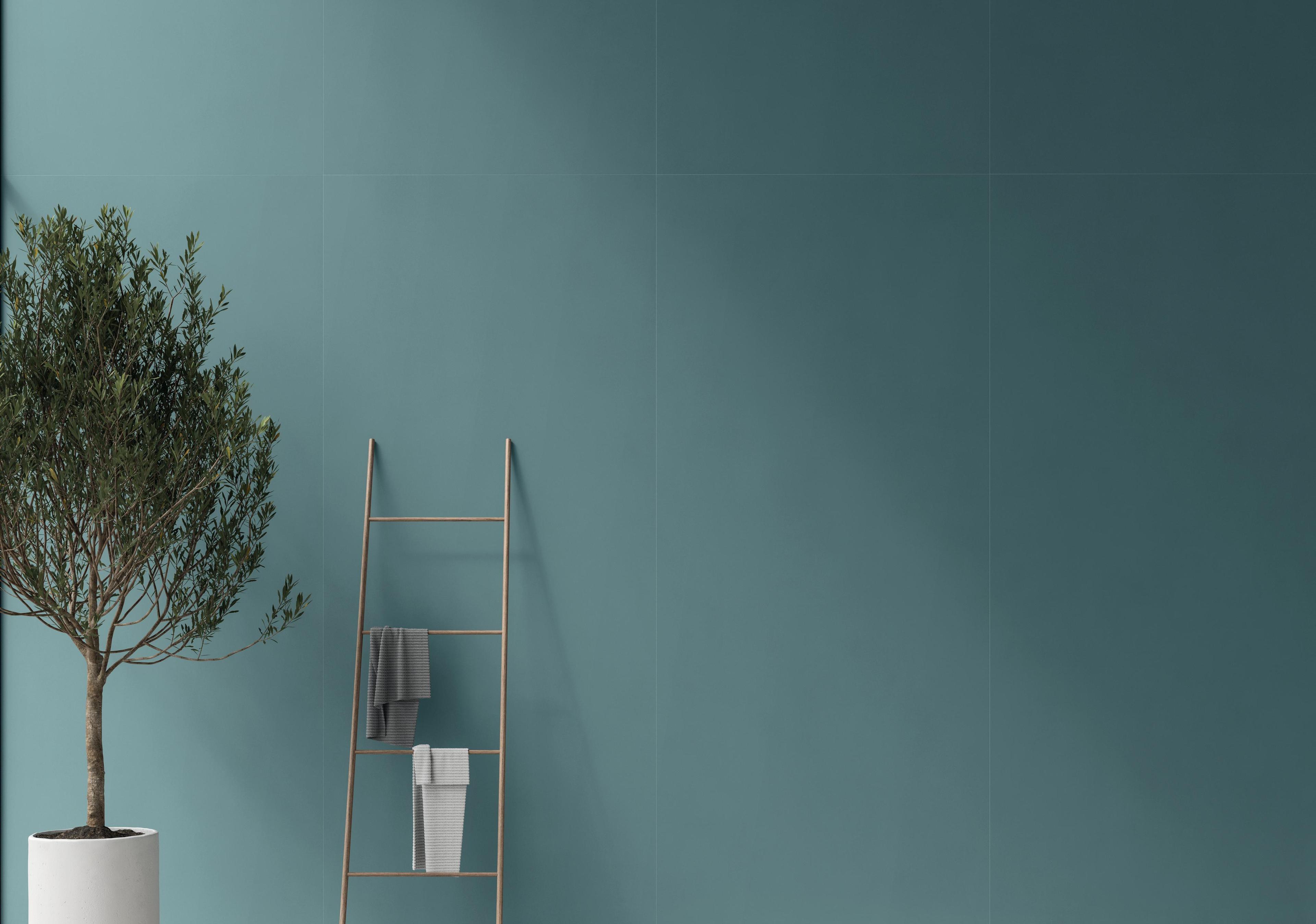
Choosing wall tiles means defining the character of a space long before furniture, lighting and decoration come into play. The wall is no longer a neutral surface: it becomes an architectural plane anda material backdropcapable of altering the depth, the proportions and the atmosphere of a room.

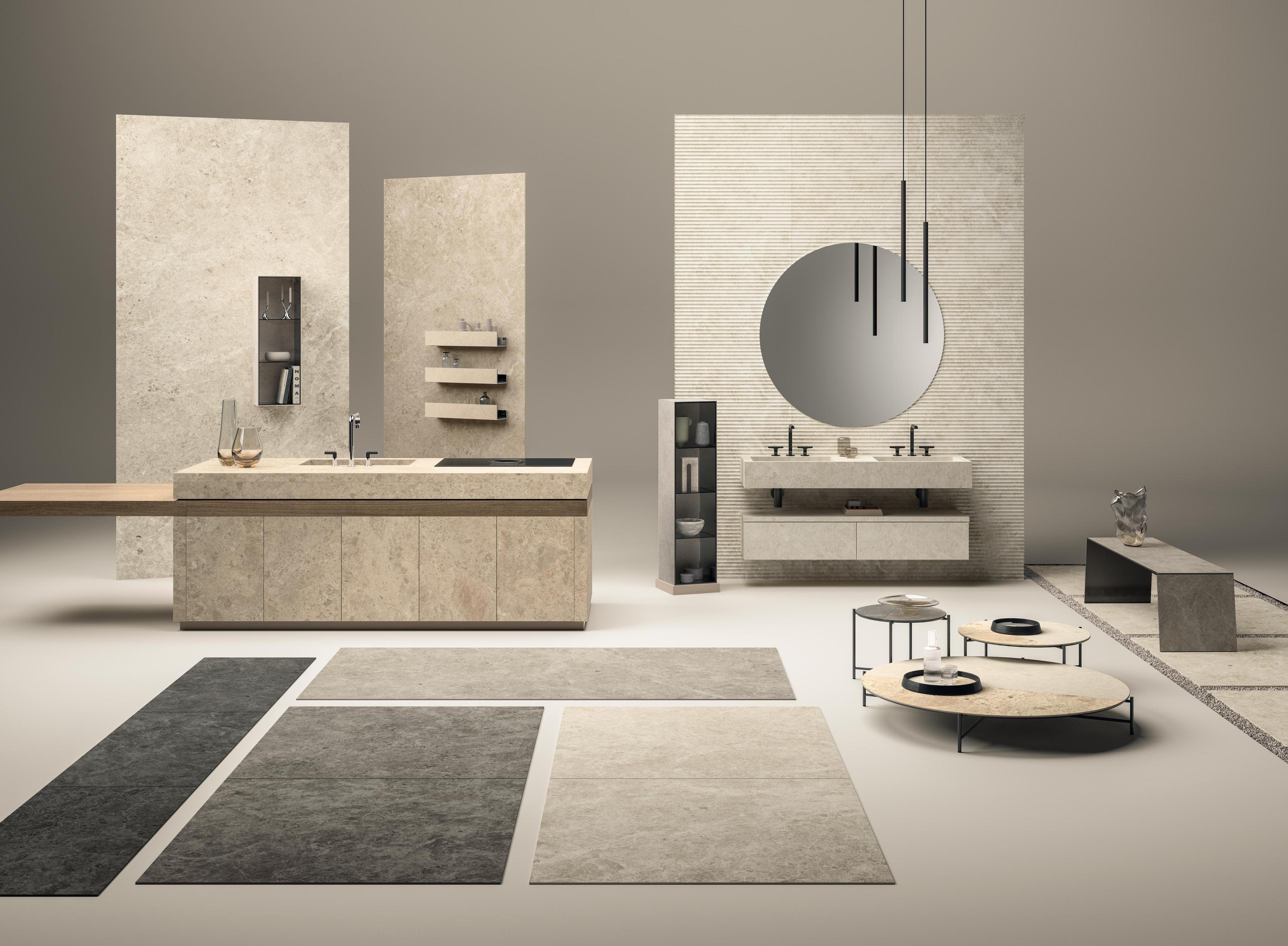
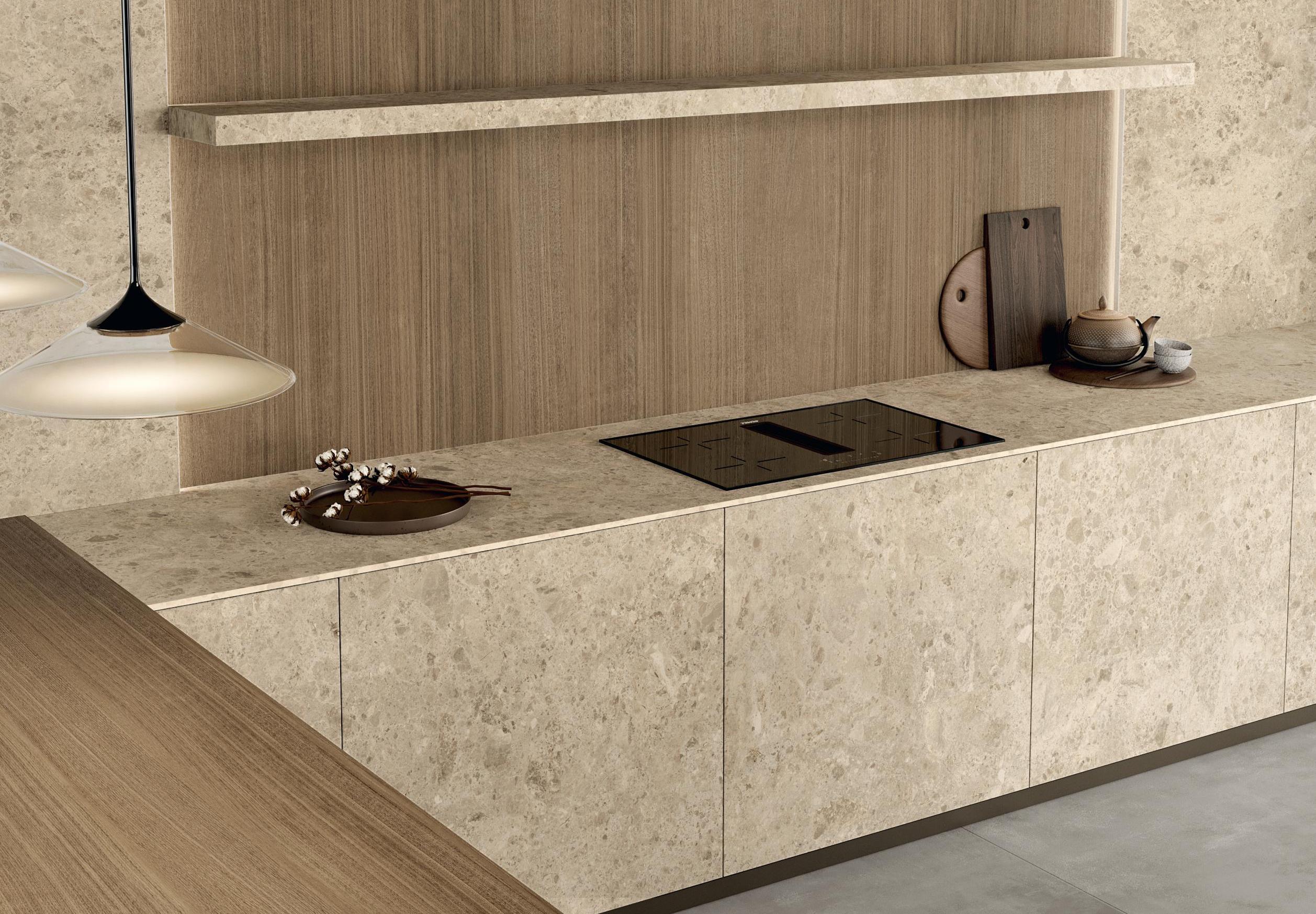
For interior design practices, the wall covering brings together aesthetics, functionality and compositional coherence. A continuous surface can visually enlarge a living space or a bathroom, a three-dimensional texture can lend identity to a reception area, a marble-effect slab can turn a wall into a scenographic element, while a stone or concrete effect can articulate a more restrained, architectural language.

Ceramic wall tiles answer precisely this need: material depth, design continuity and compositional freedom across residential, hospitality, retail and contract settings.

AtlasConcorde_MarvelT_005_04_HaloSand
AtlasConcorde_MarvelT_005_01_HaloSand

Effects for wall tiles: keys to reading the project

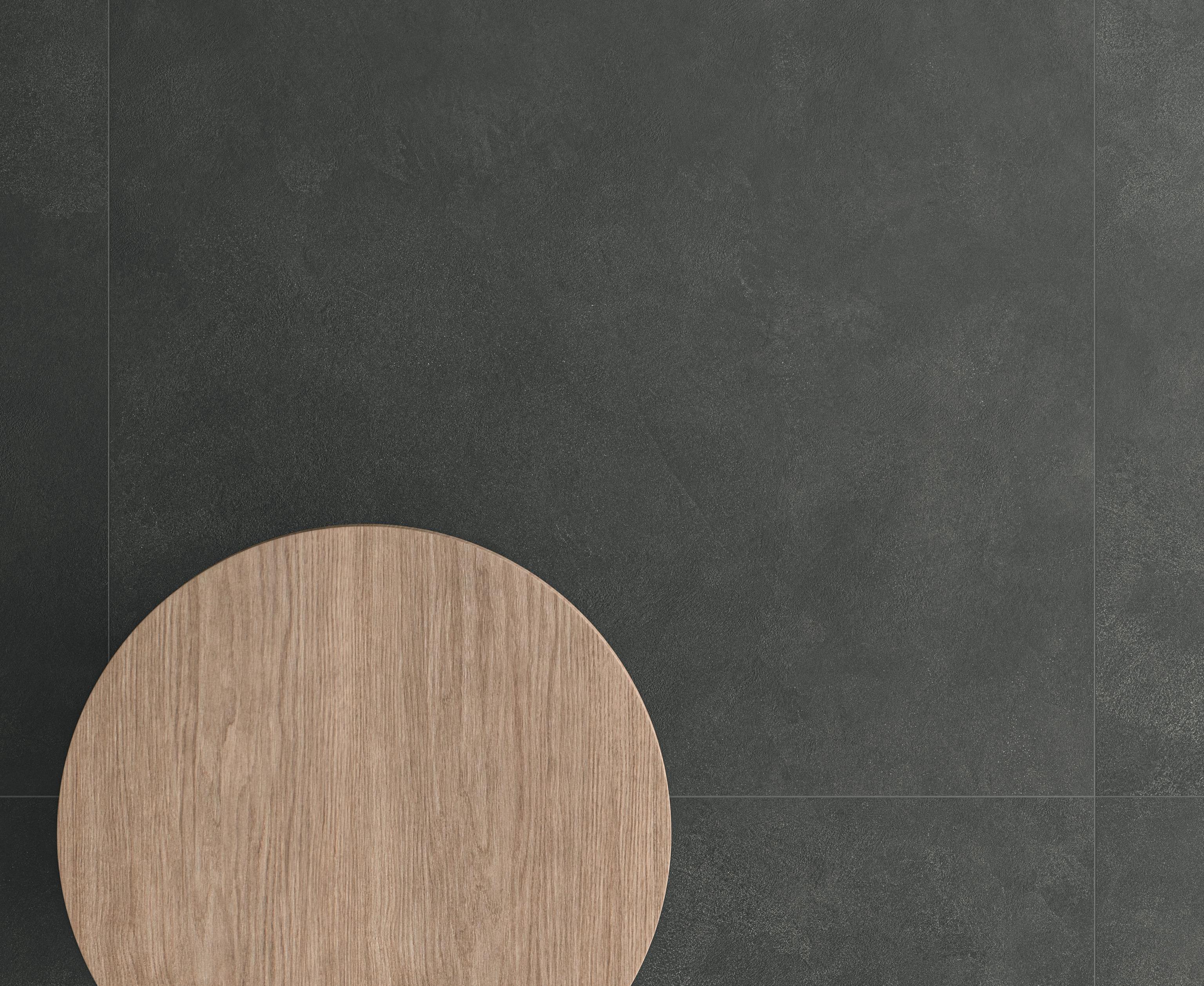
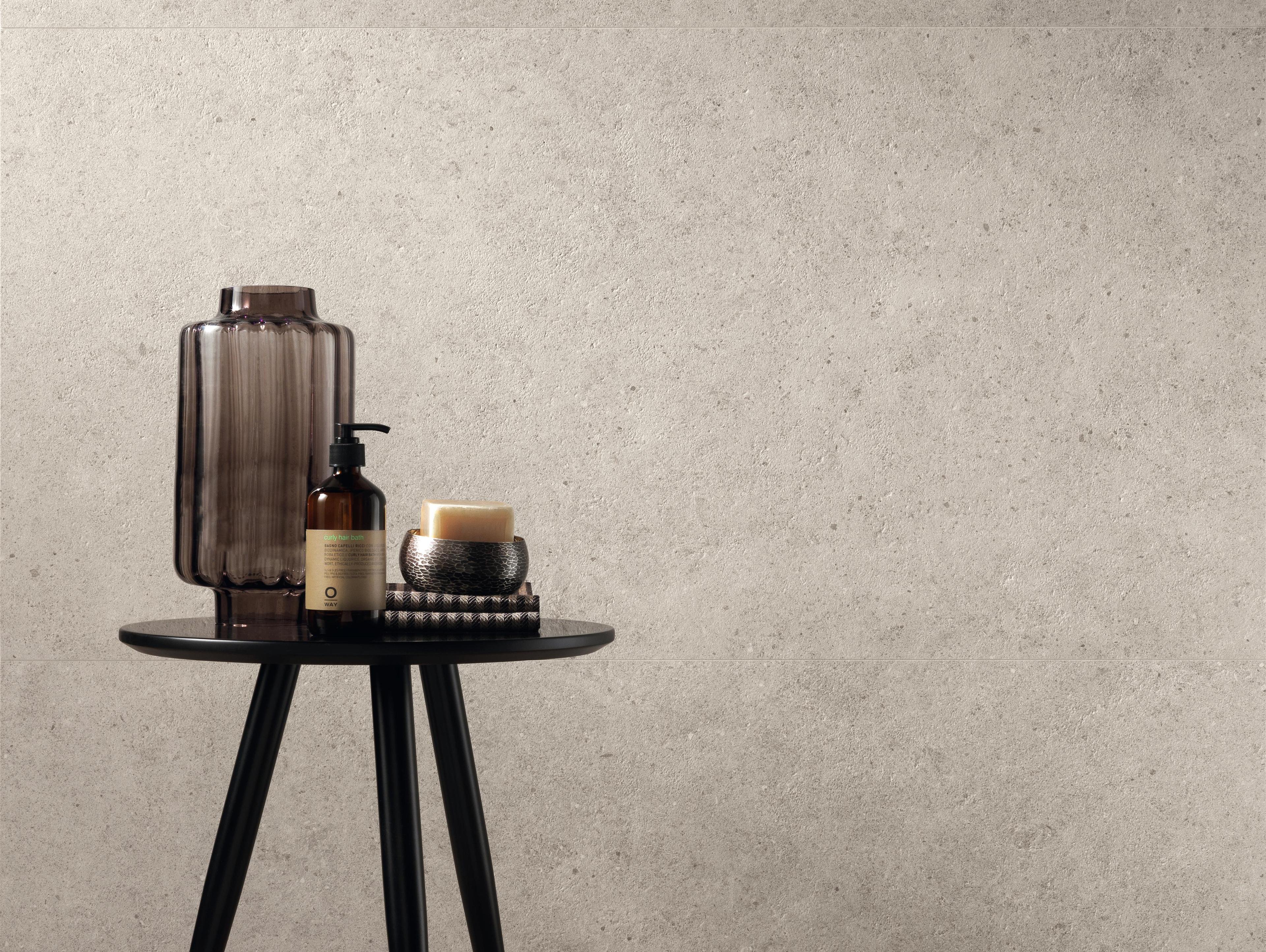
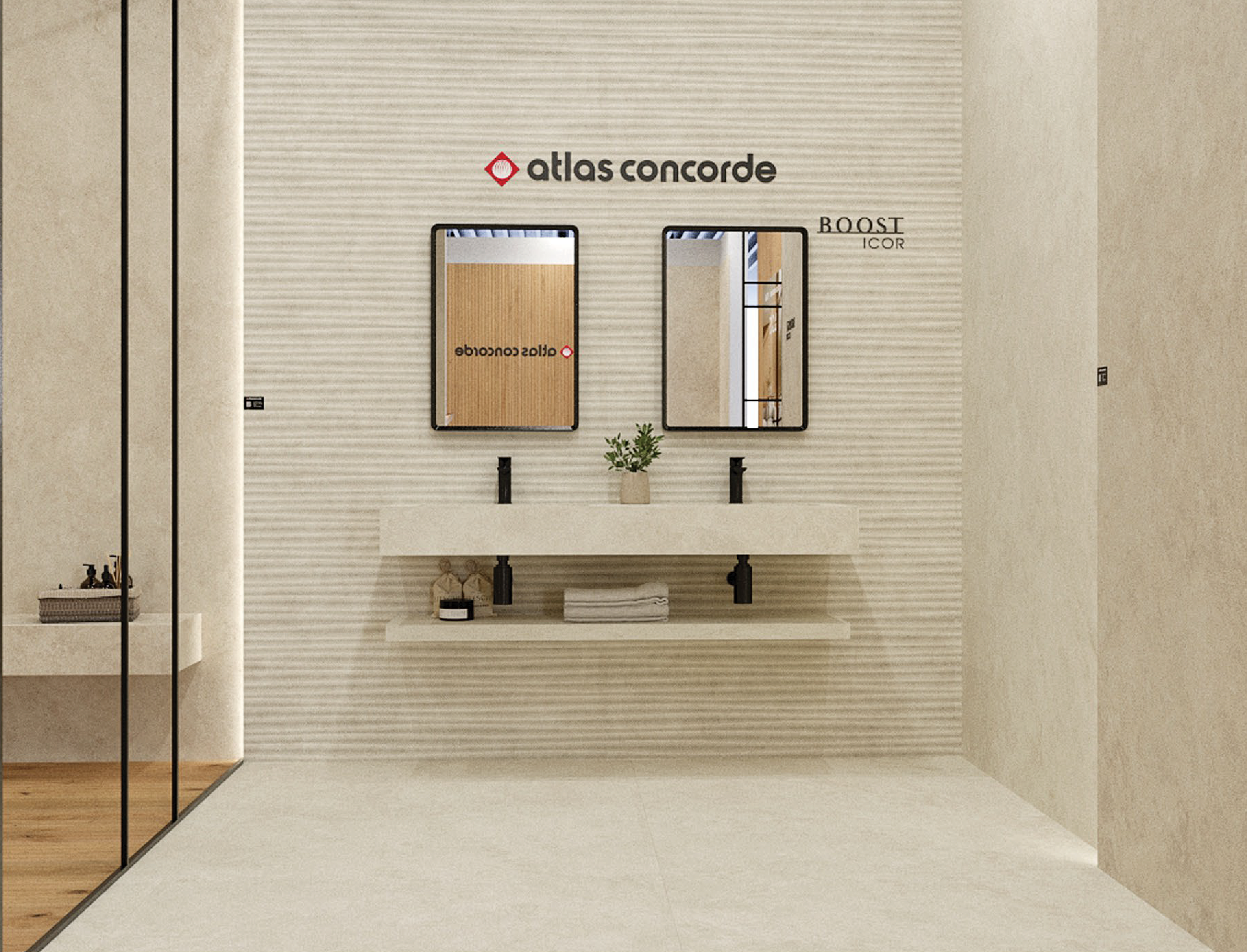
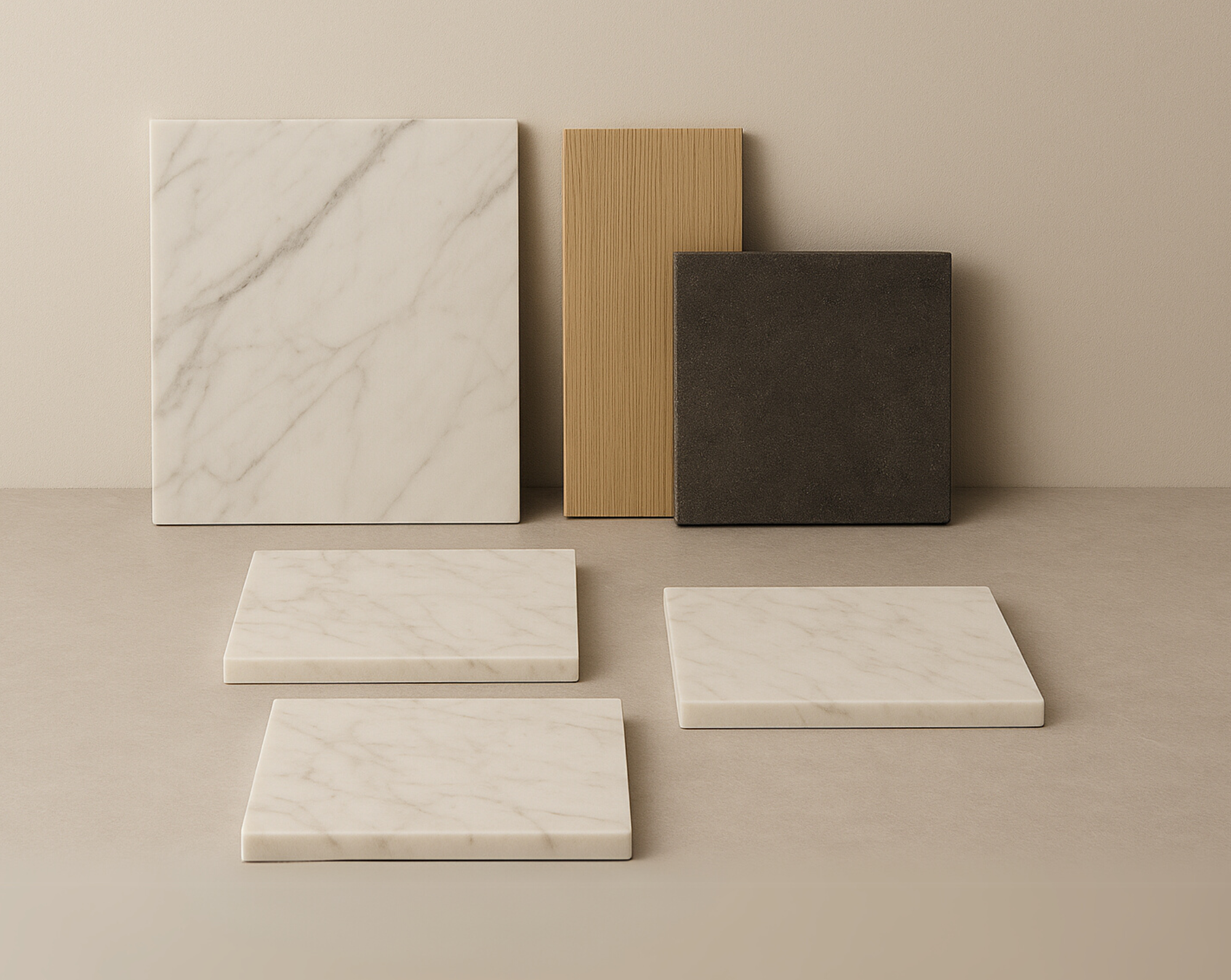
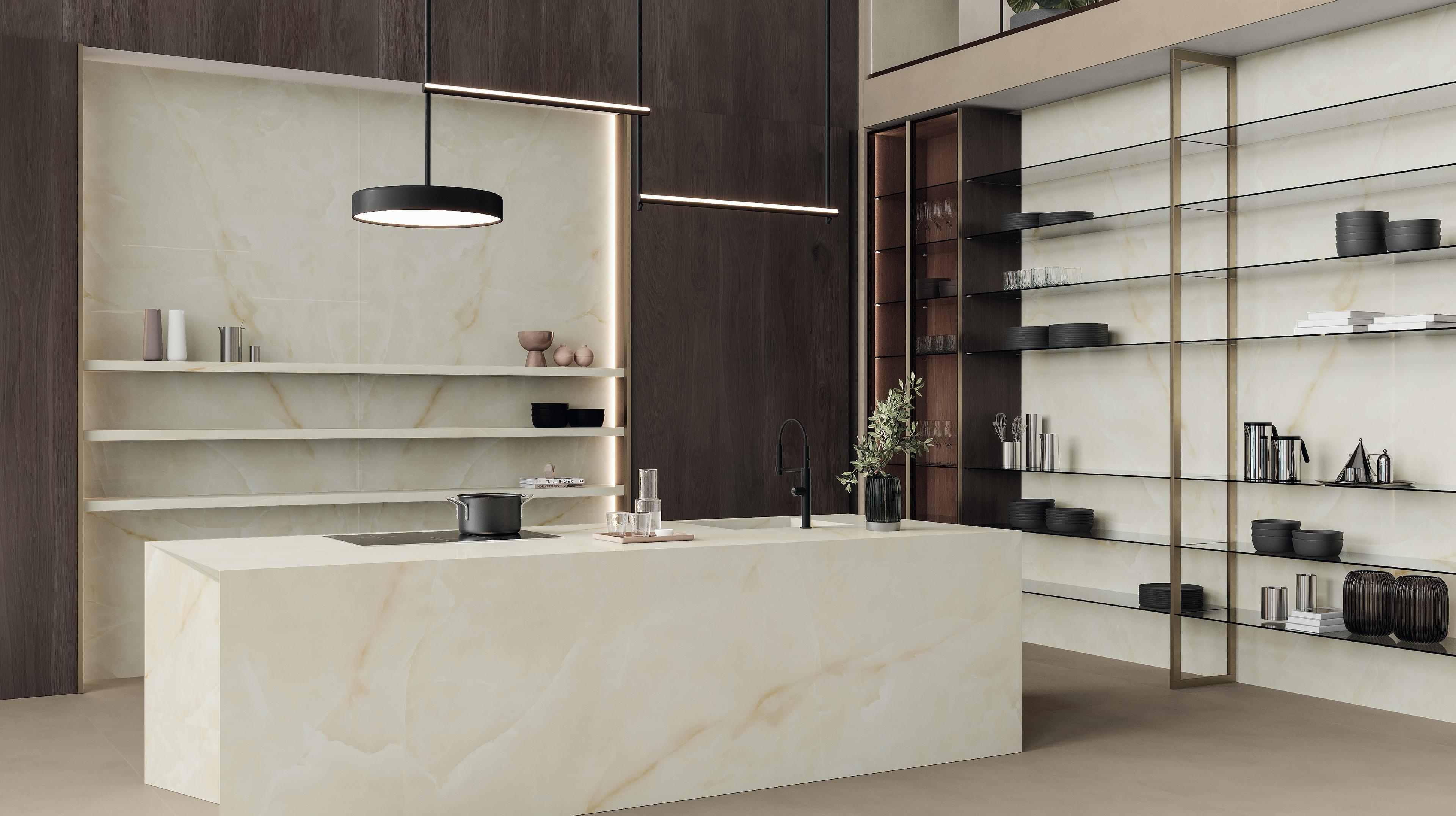
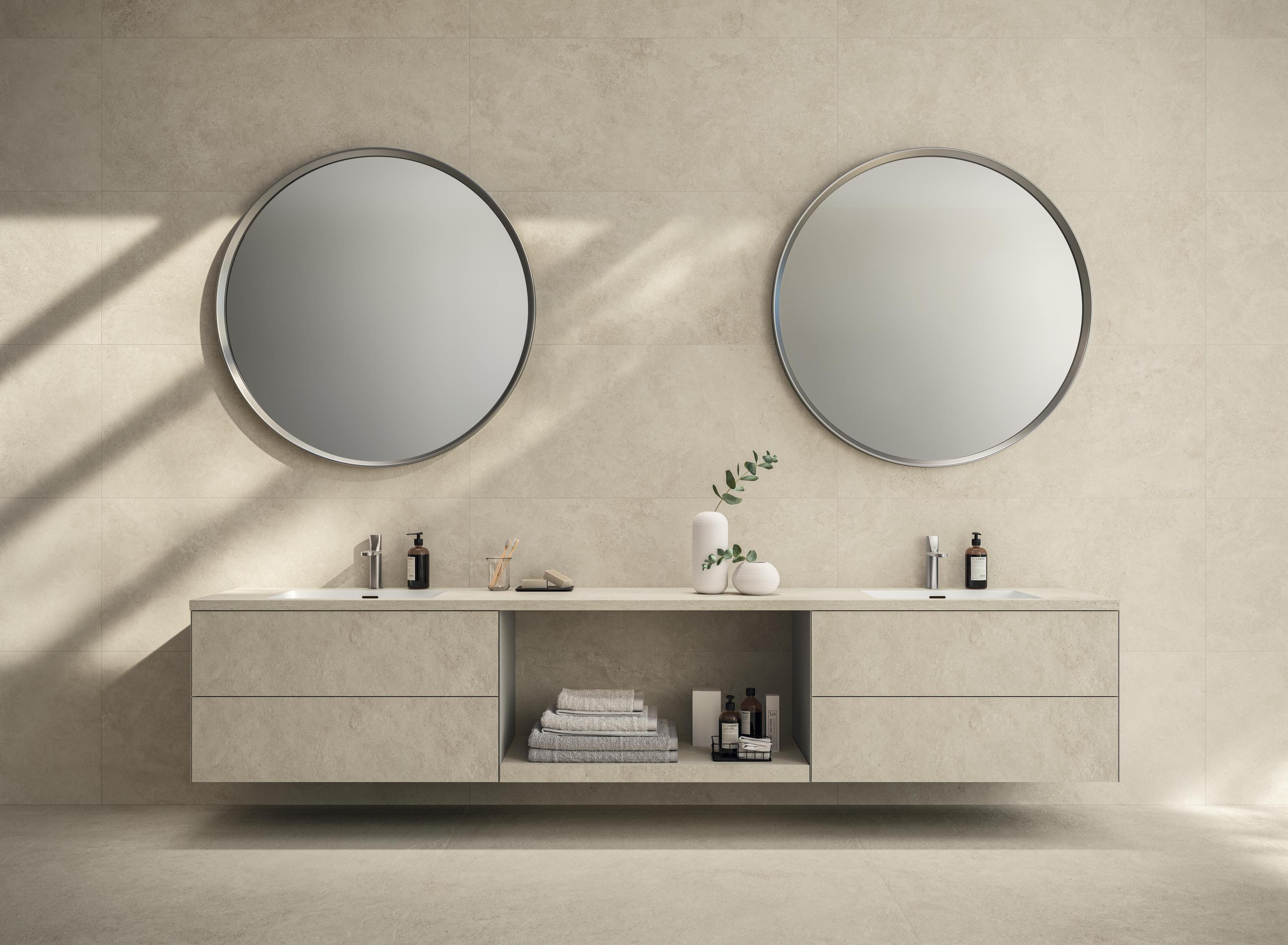
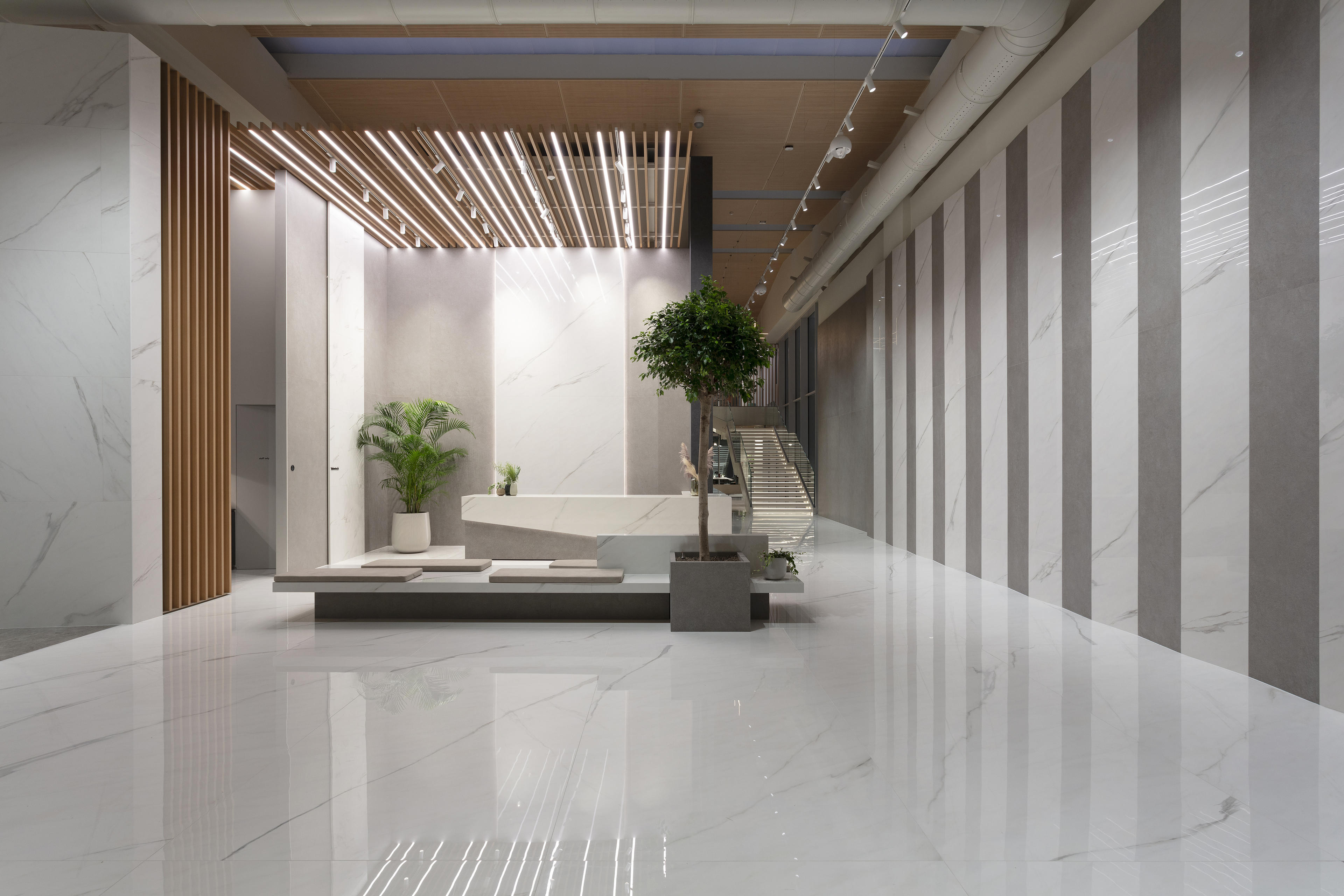
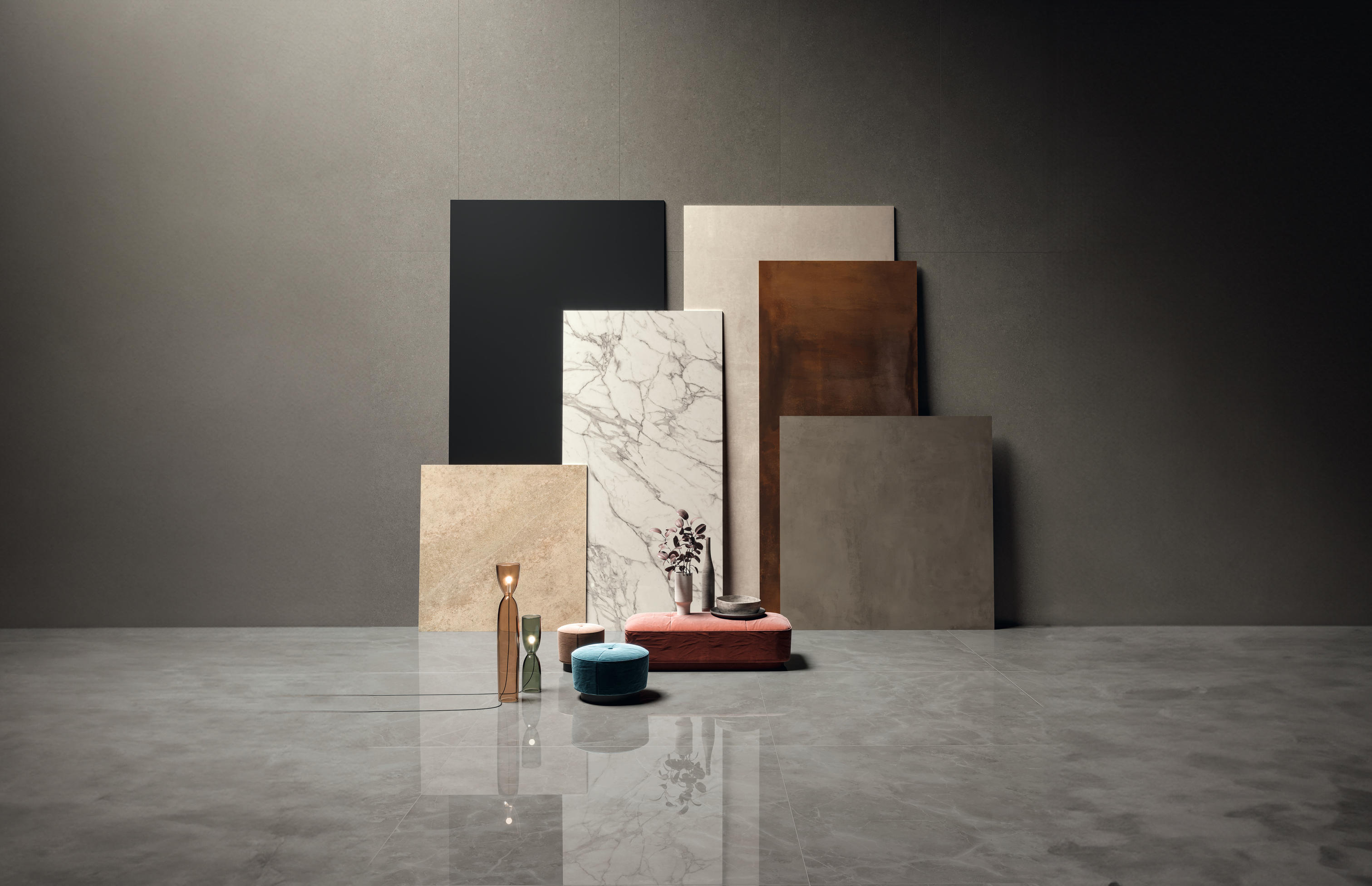
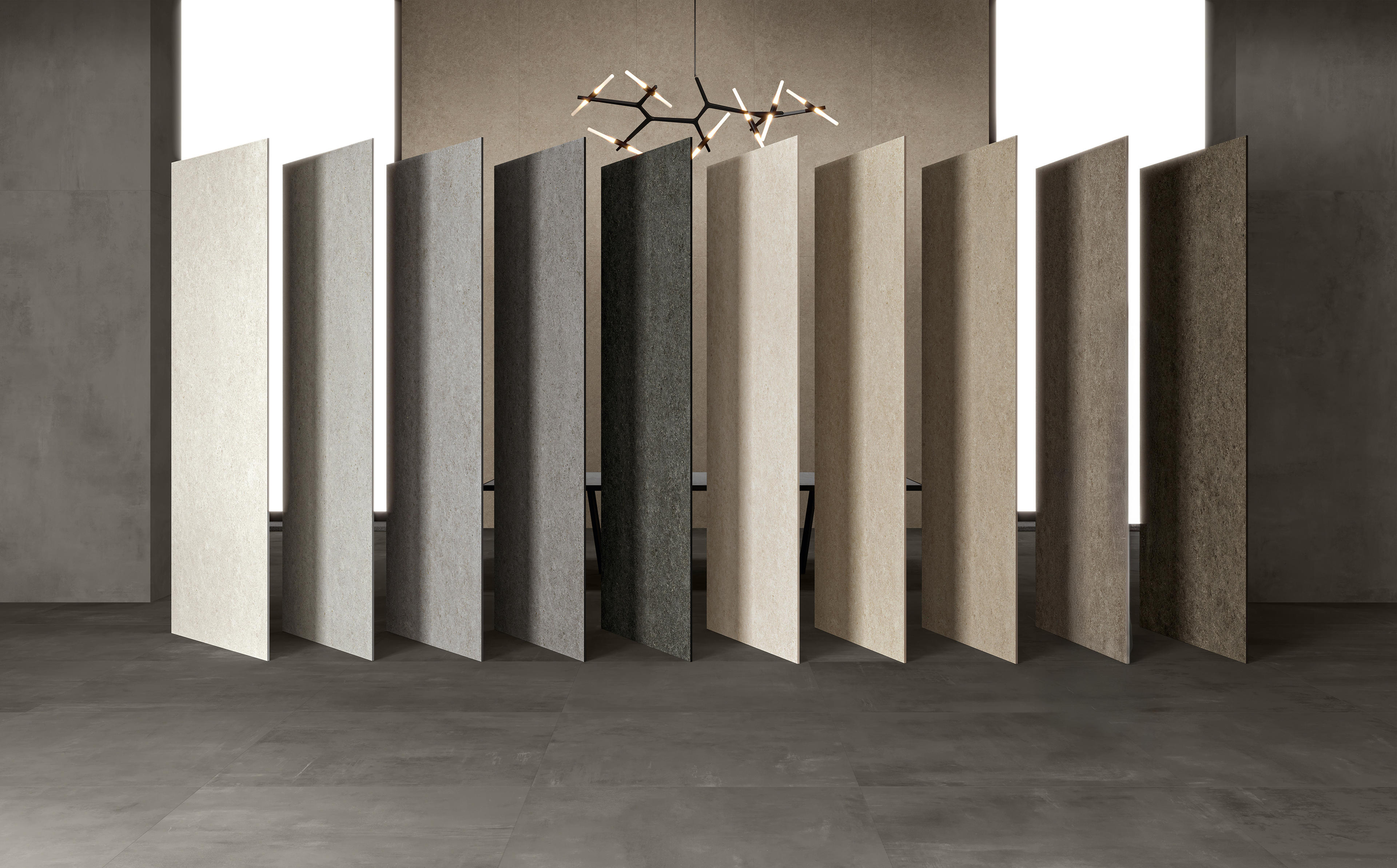
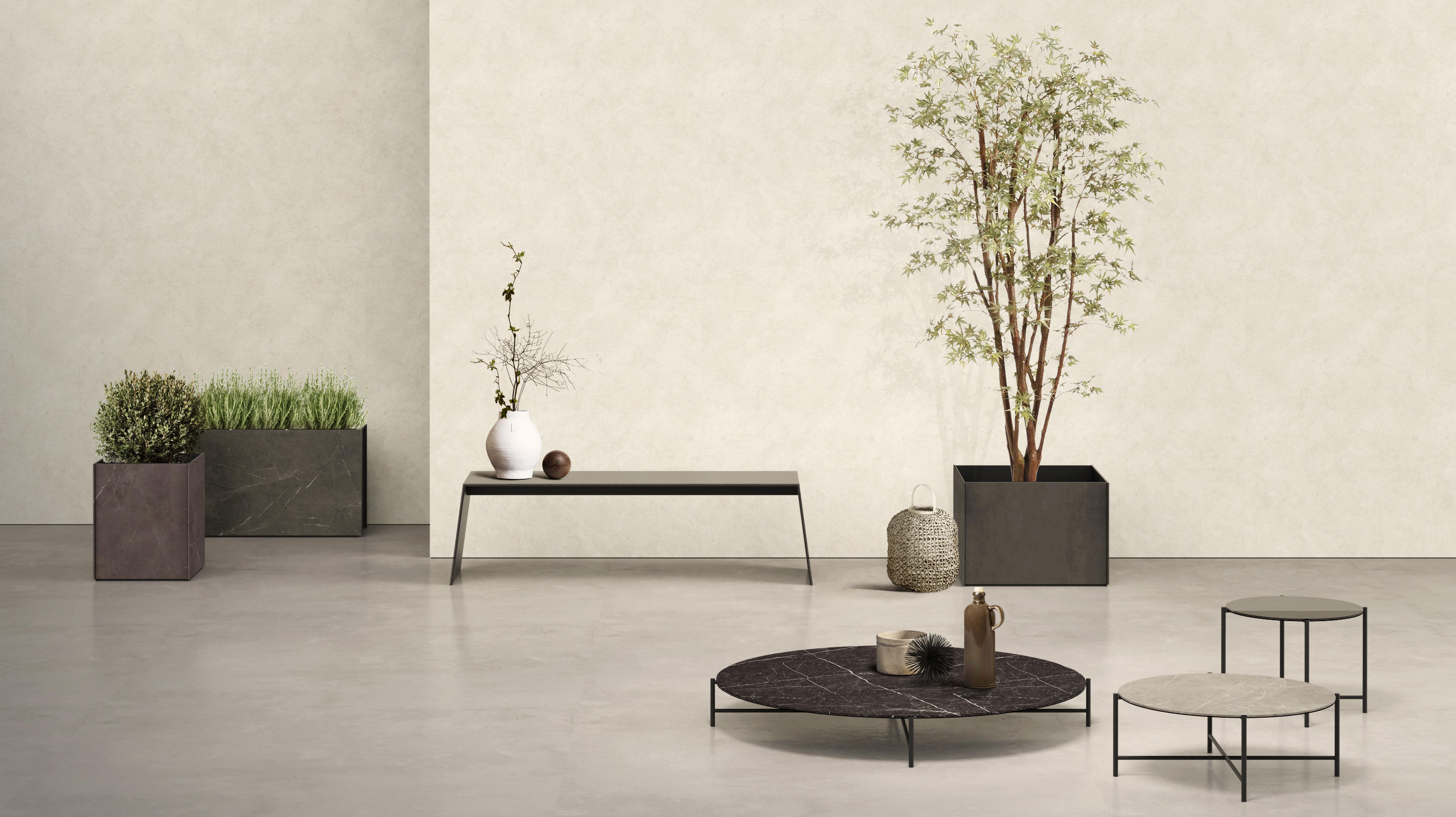
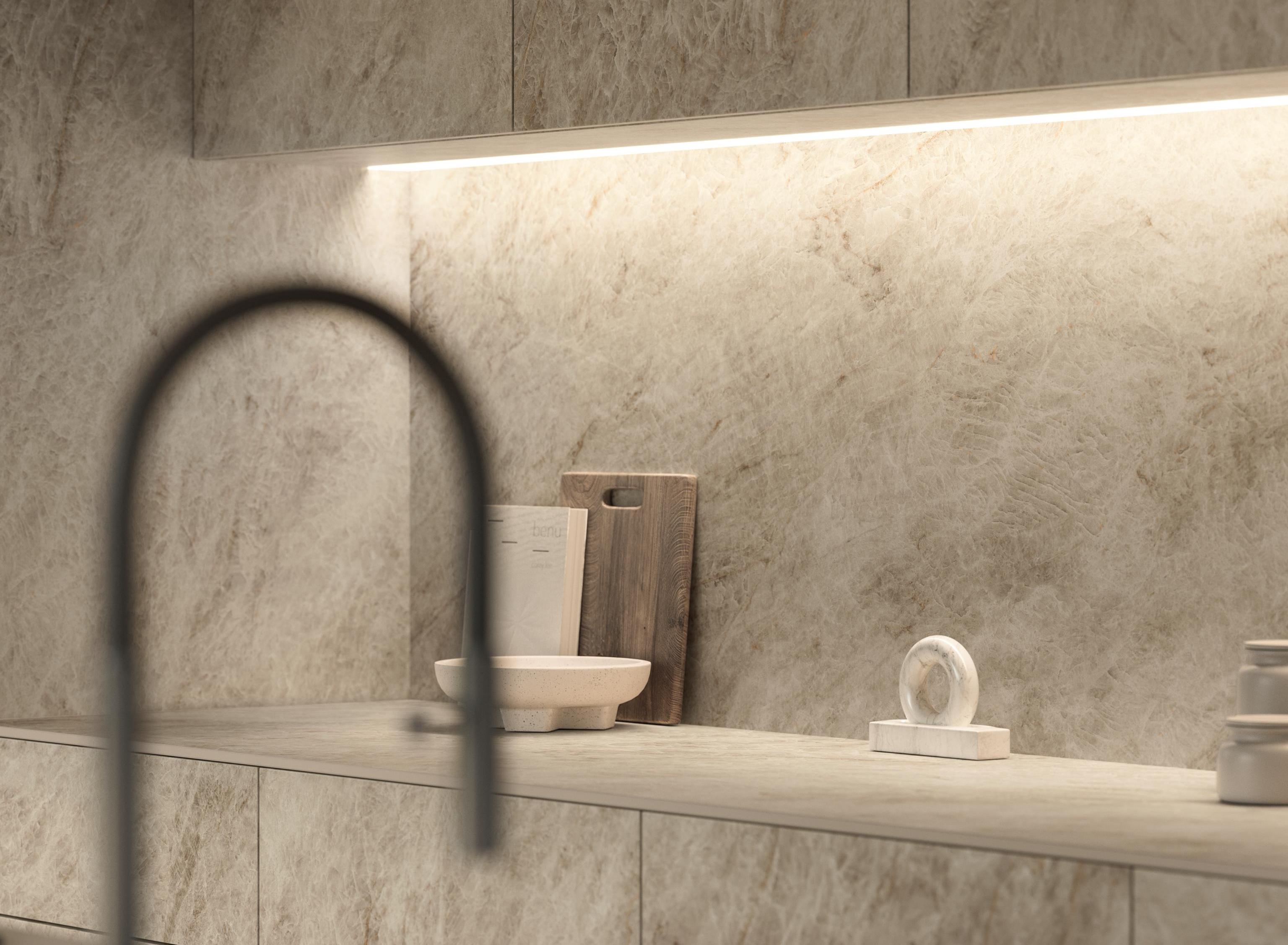
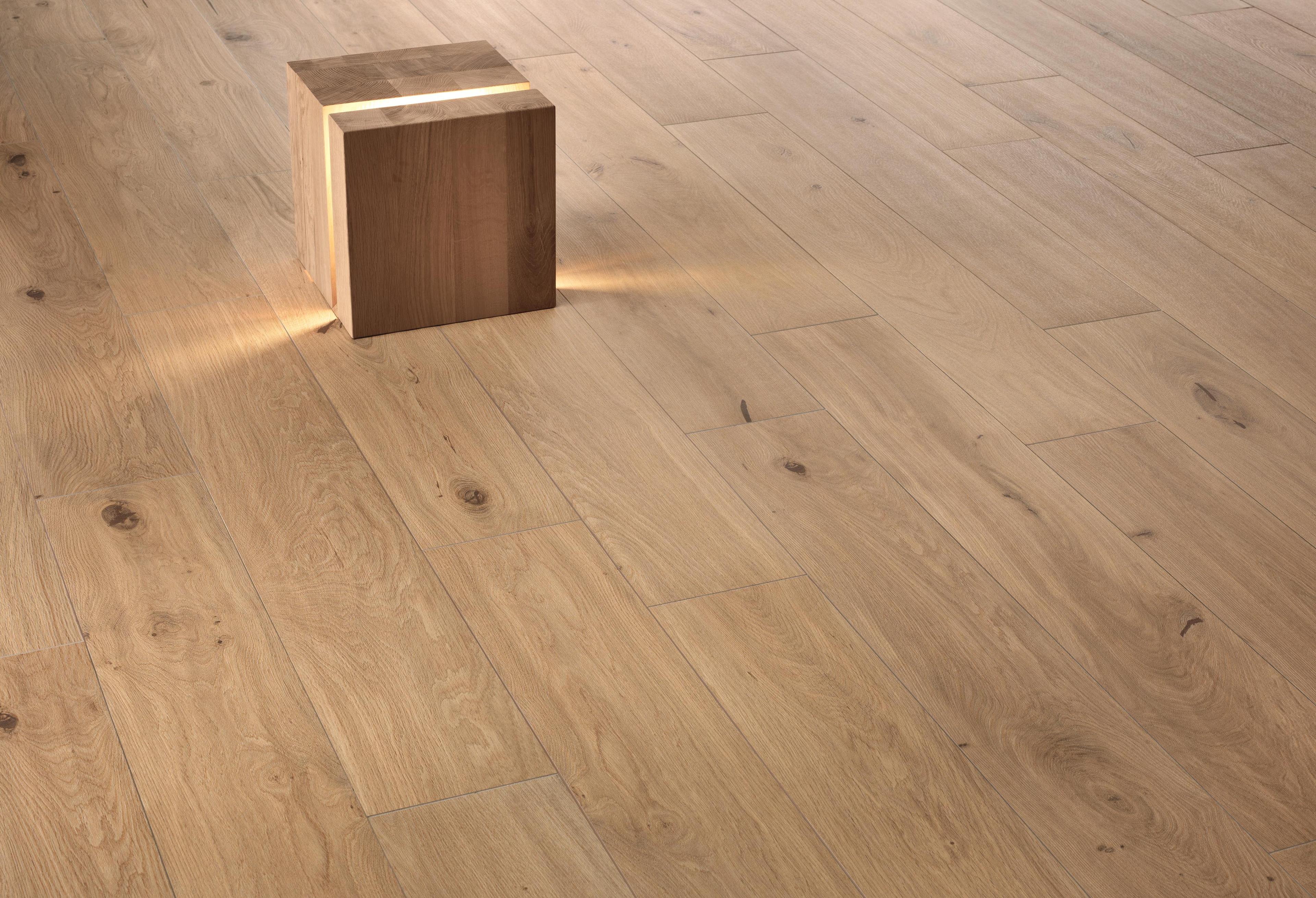
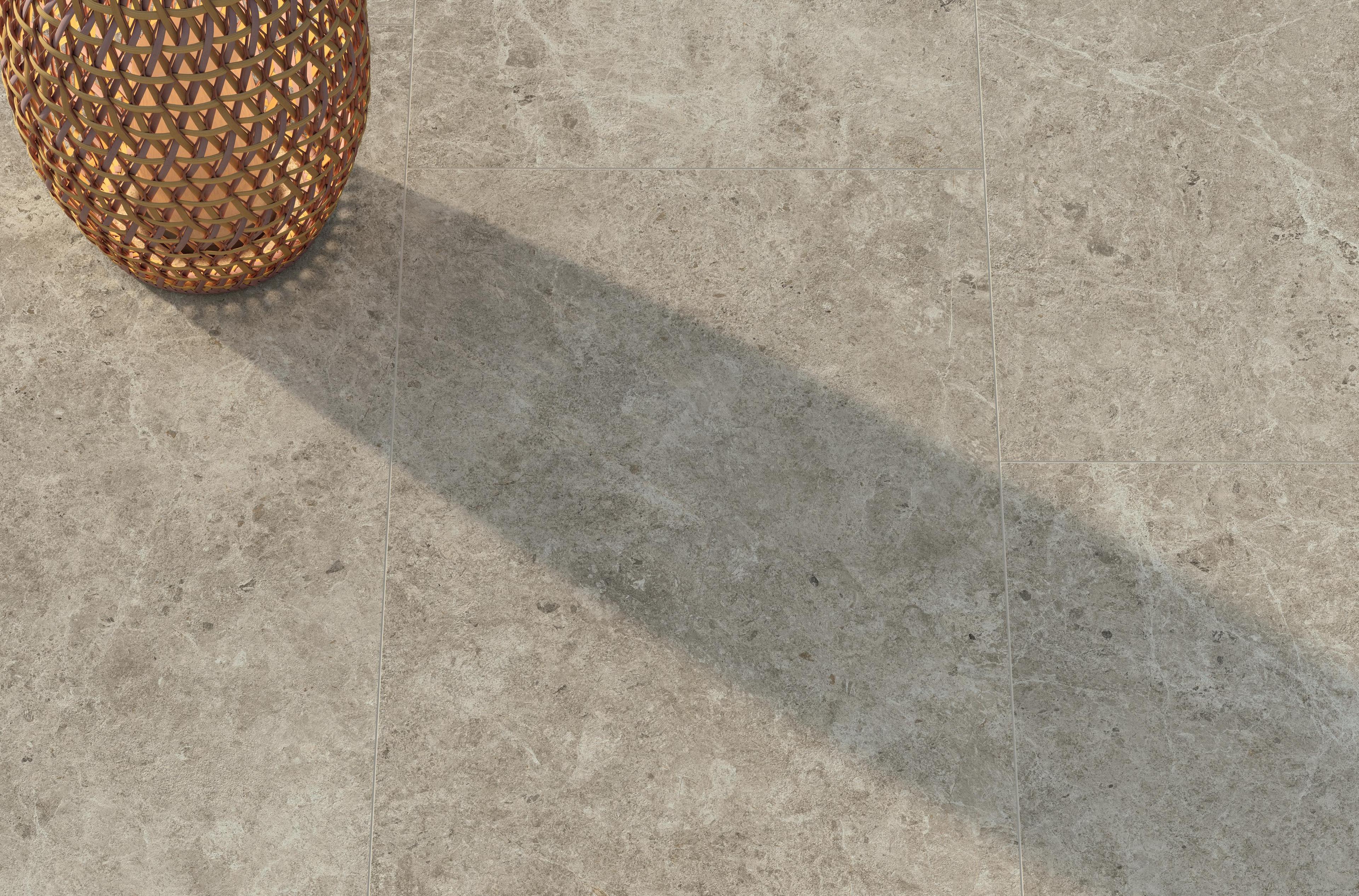
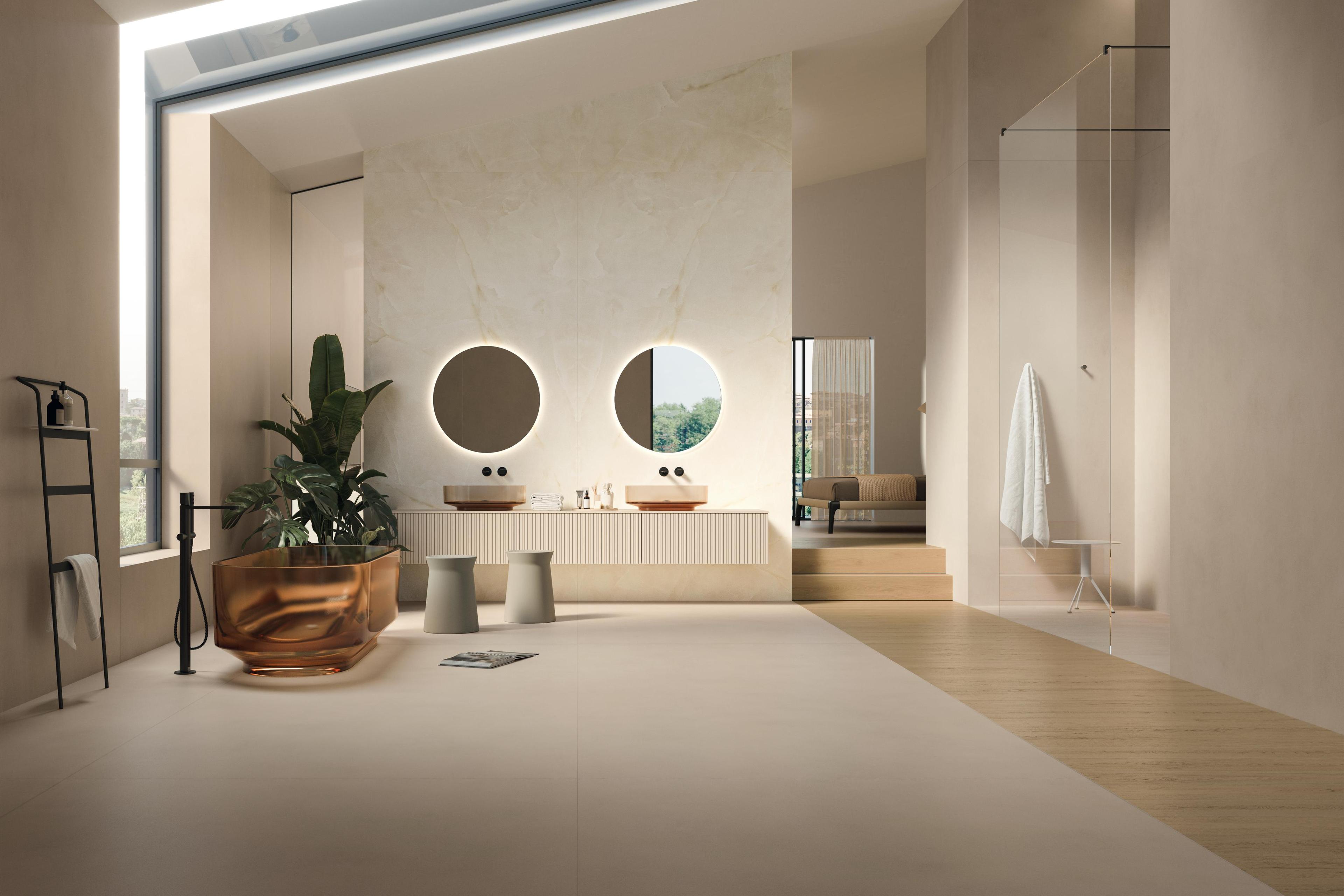
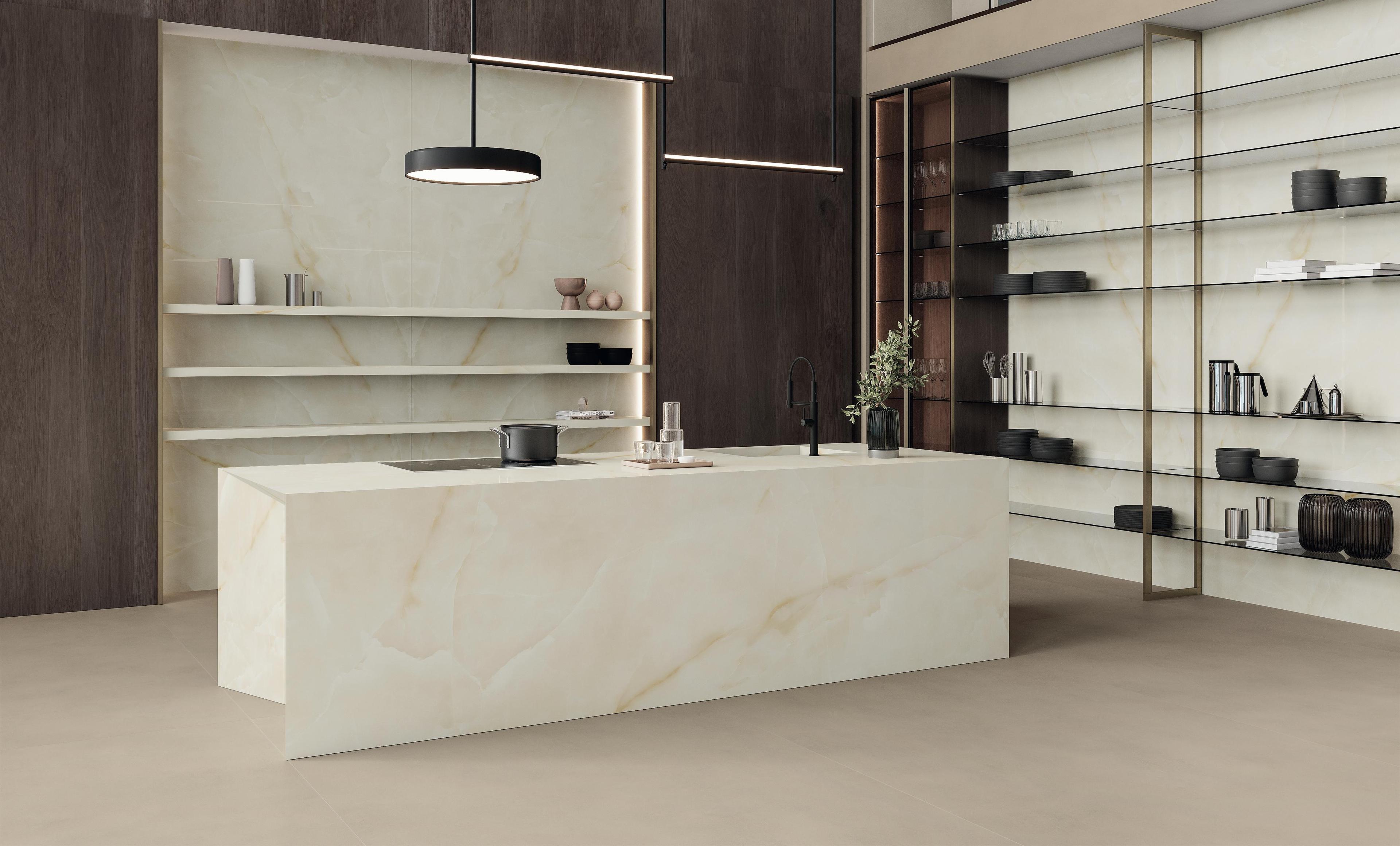
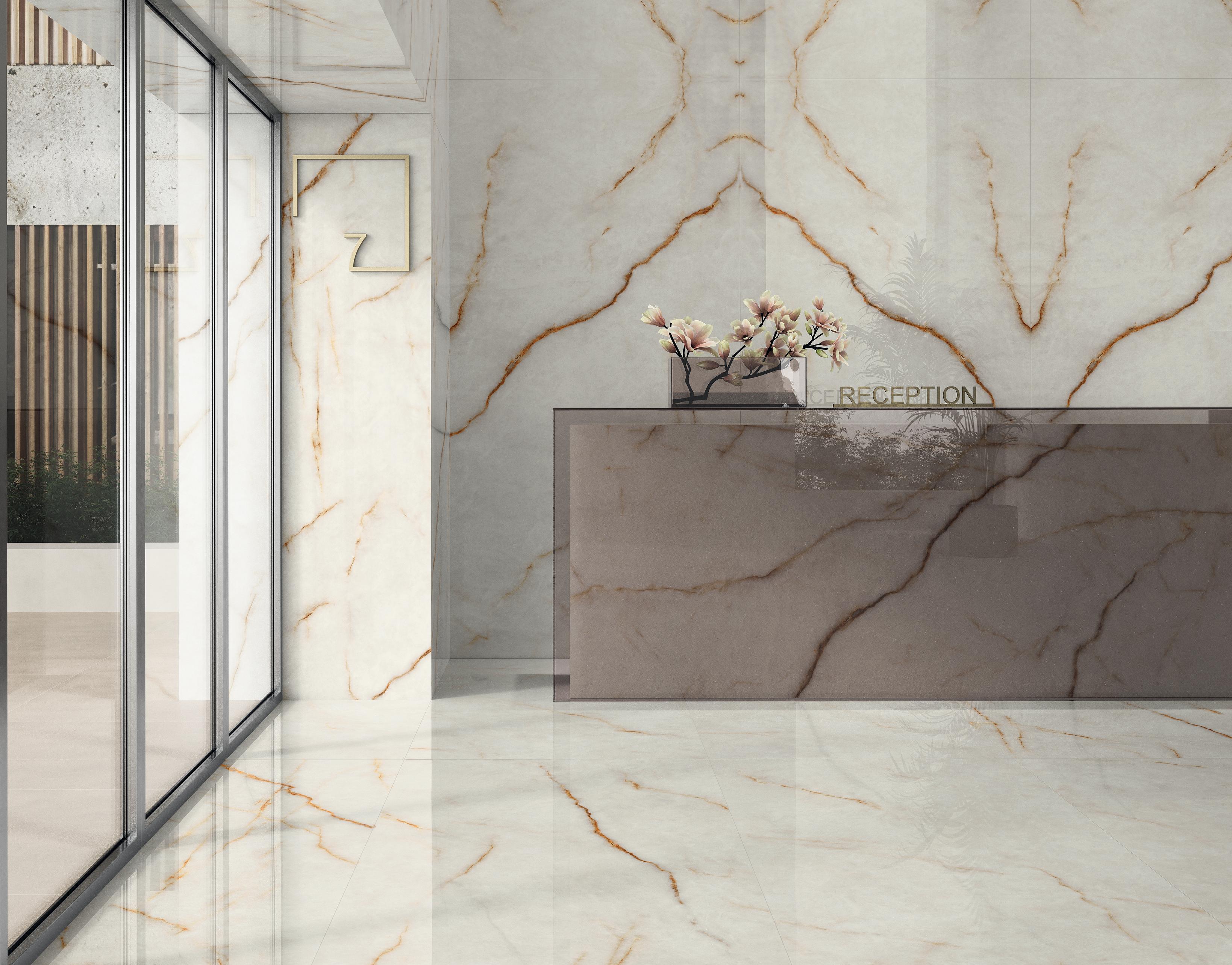
The choice of effect sets the register of the project and governs the way the wall is perceived. Marble look wall tiles, for instance, introduce luminosity and graphic depth along with a scenographic quality suited to bathrooms, feature walls, lobbies and retail spaces: collections such as Marvel Shine make it possible to work on light surfaces, generous veining and visual continuity. Stone look wall tiles, by contrast, build more natural and architectural atmospheres, with a restrained materiality that can also be brought out on full-height walls, as in the case of Boost Stone. Concrete and wood complete the design vocabulary: the former introduces a more essential, urban language, the latter brings warmth and visual rhythm through its veining. The choice therefore concerns not only the aesthetics of the surface, but the role the wall assumes within the space: continuous backdrop, material screen or defining sign.

Texture, light and perception

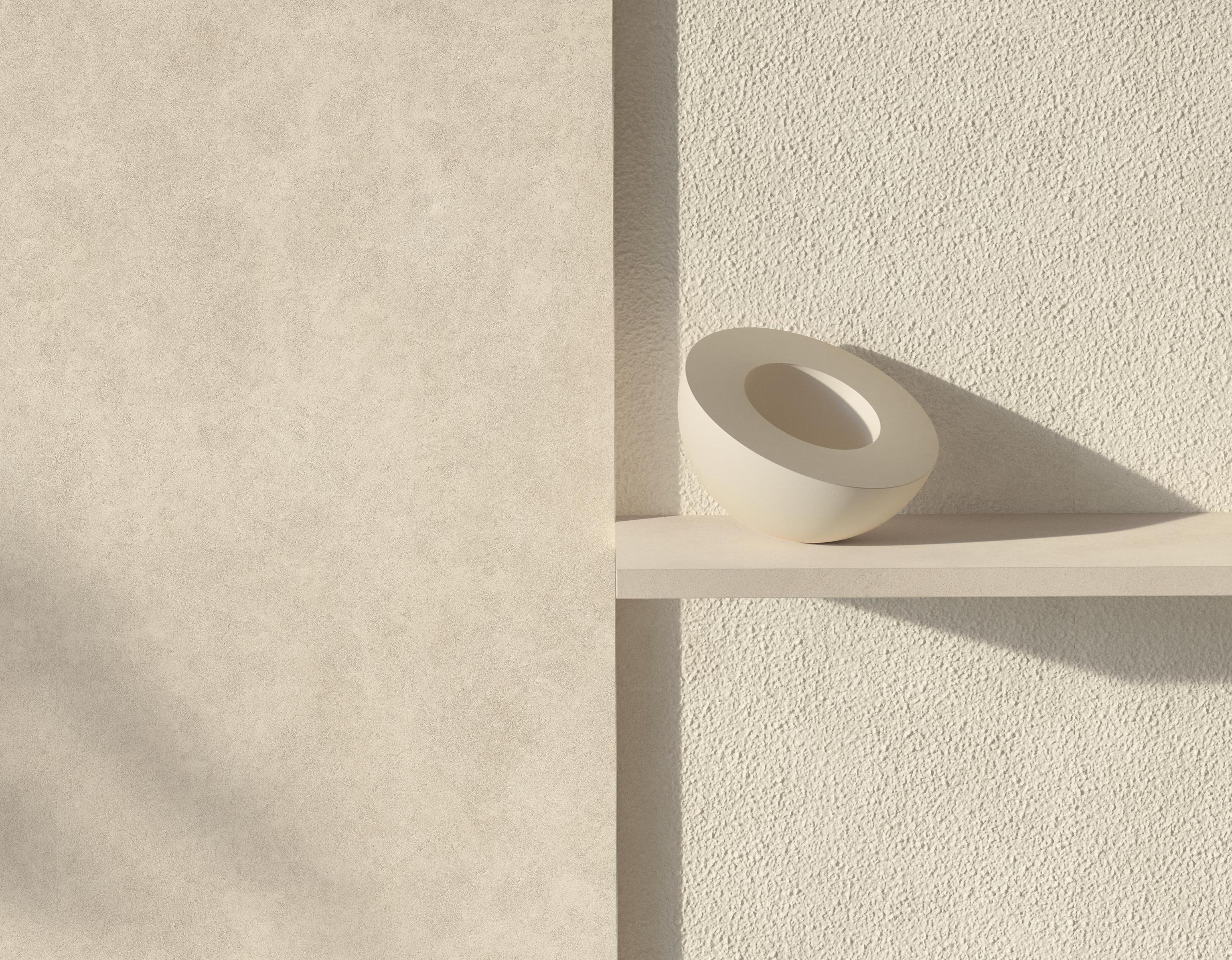
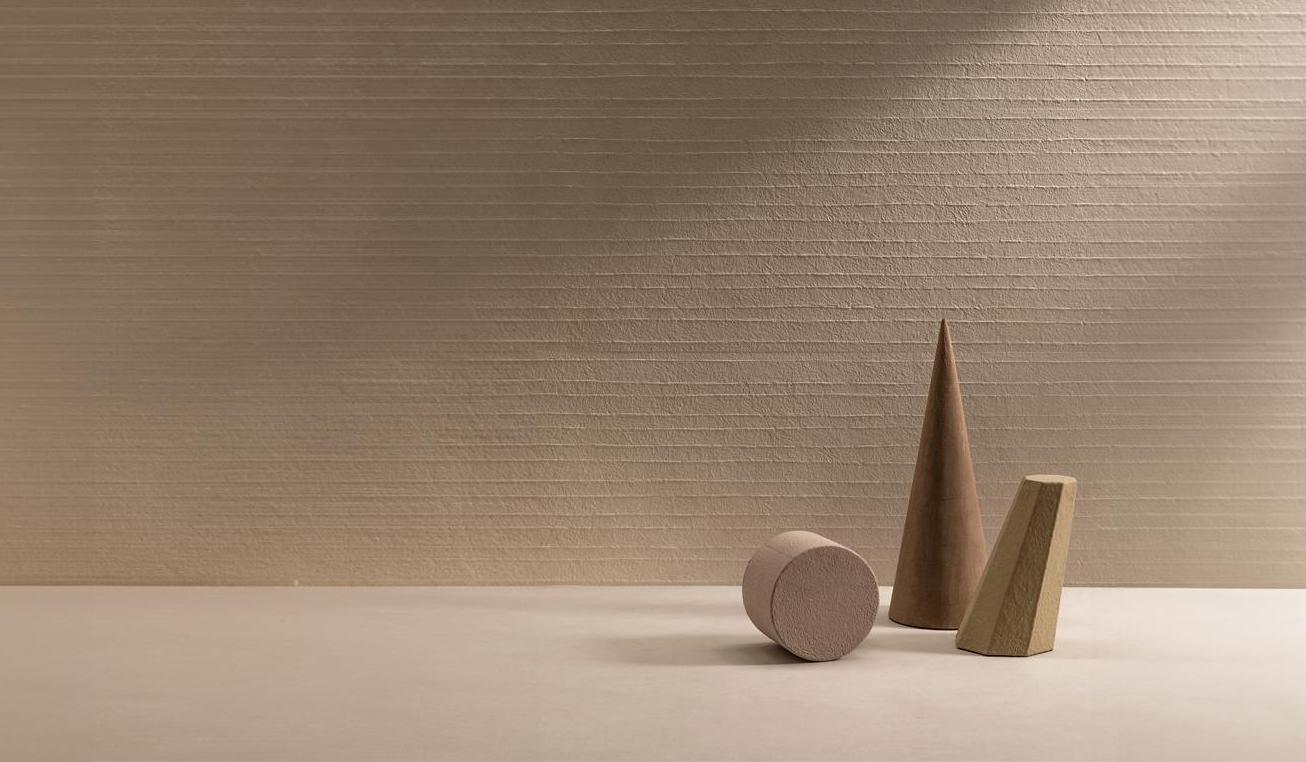
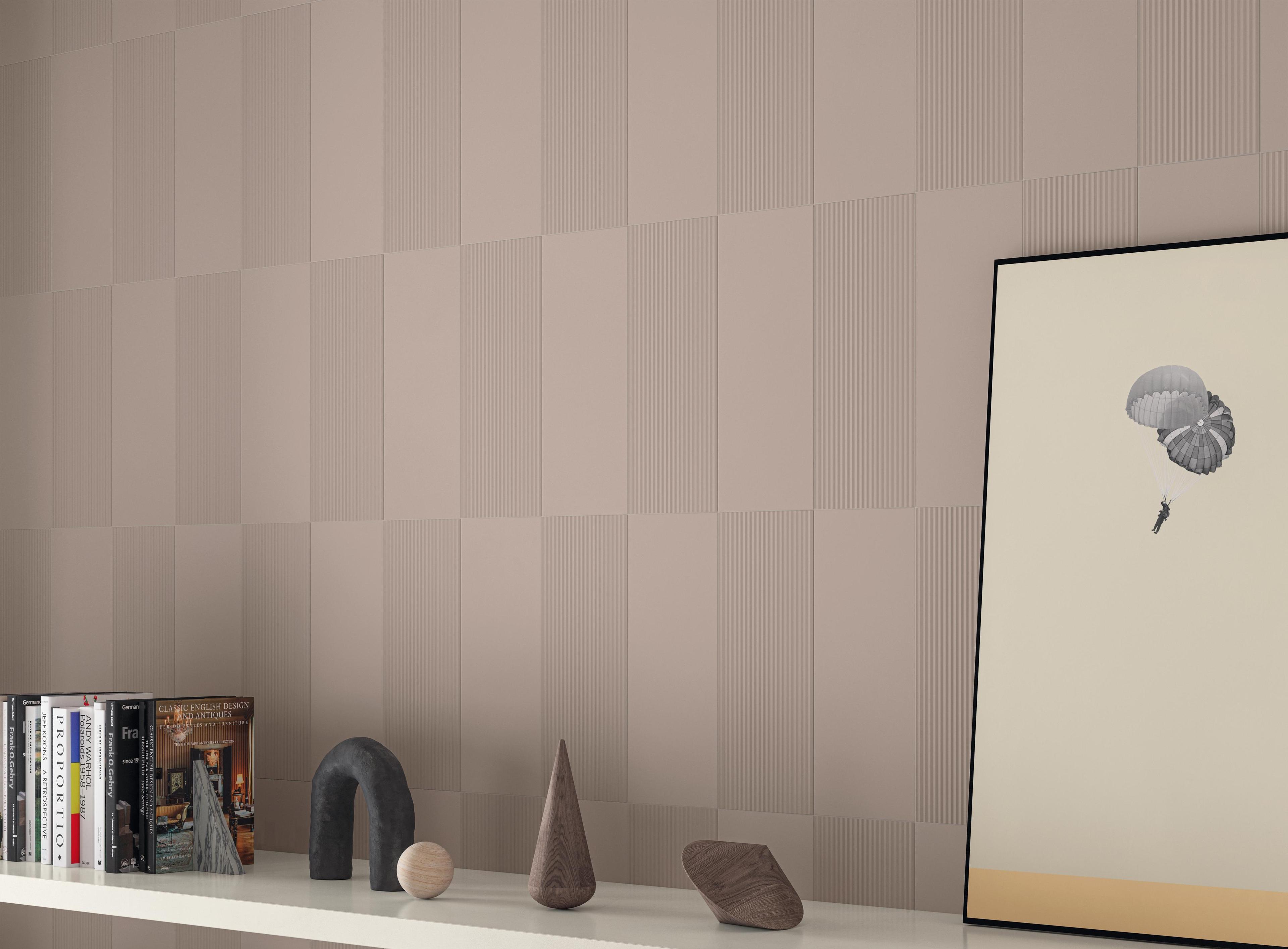
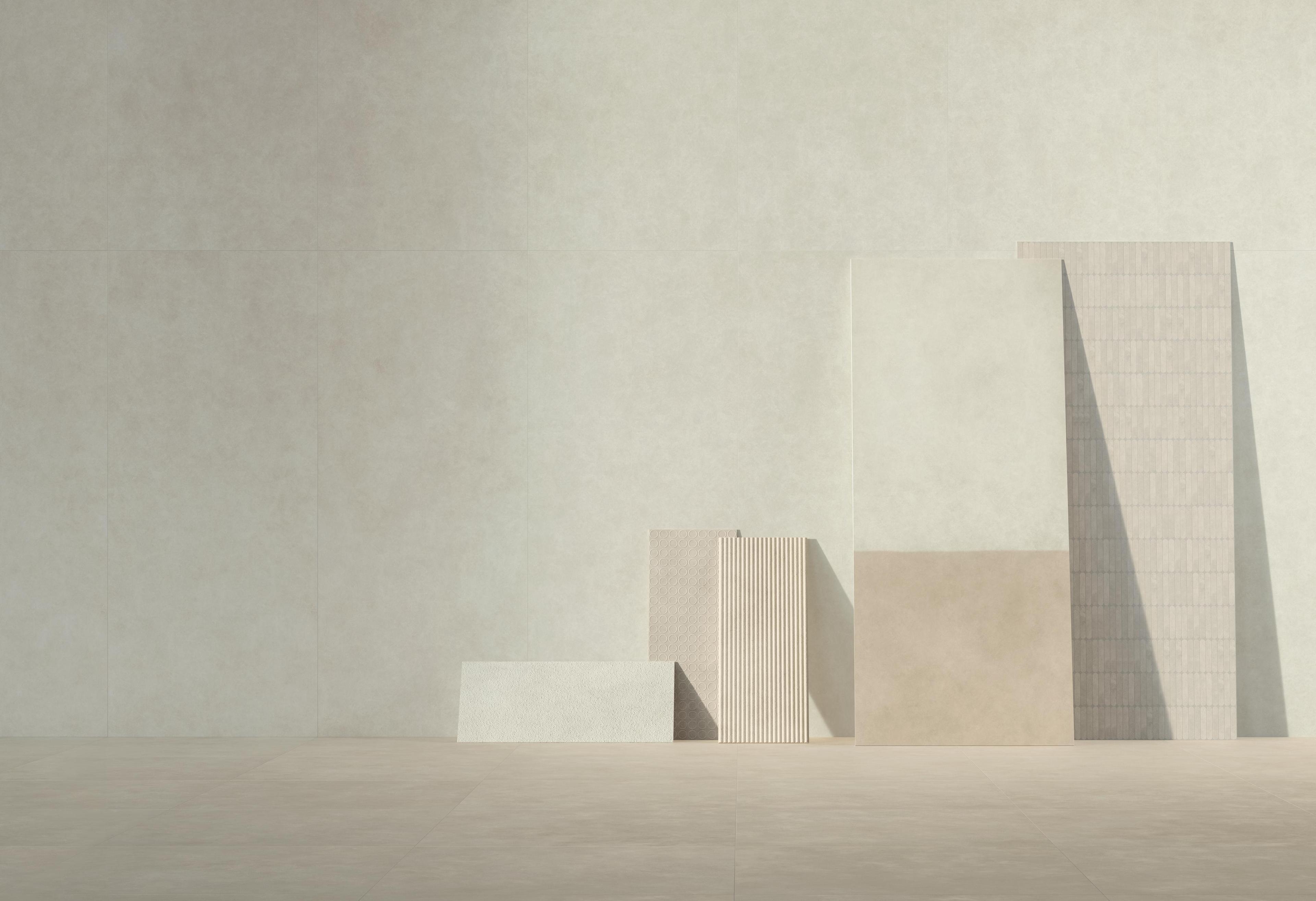
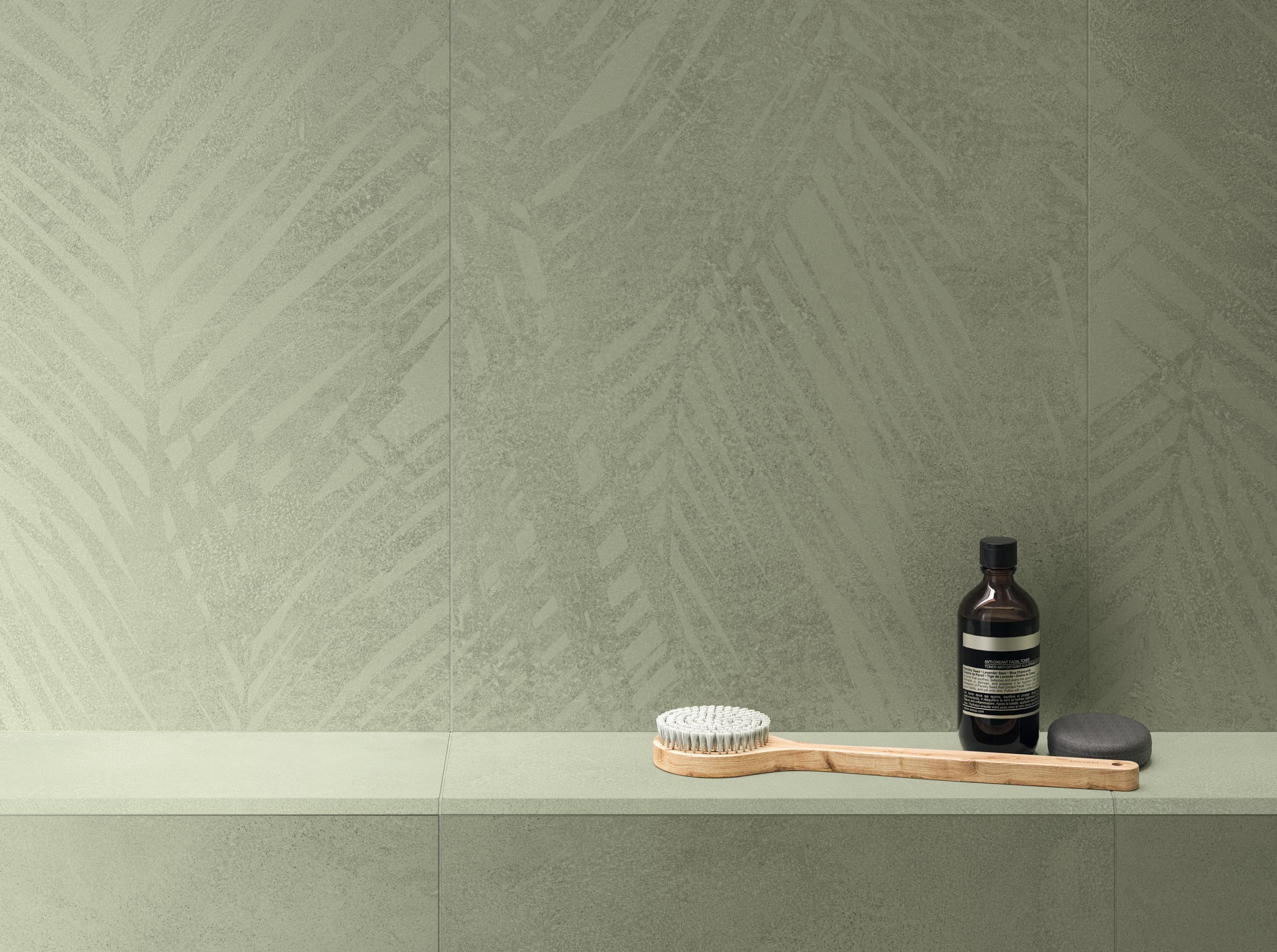
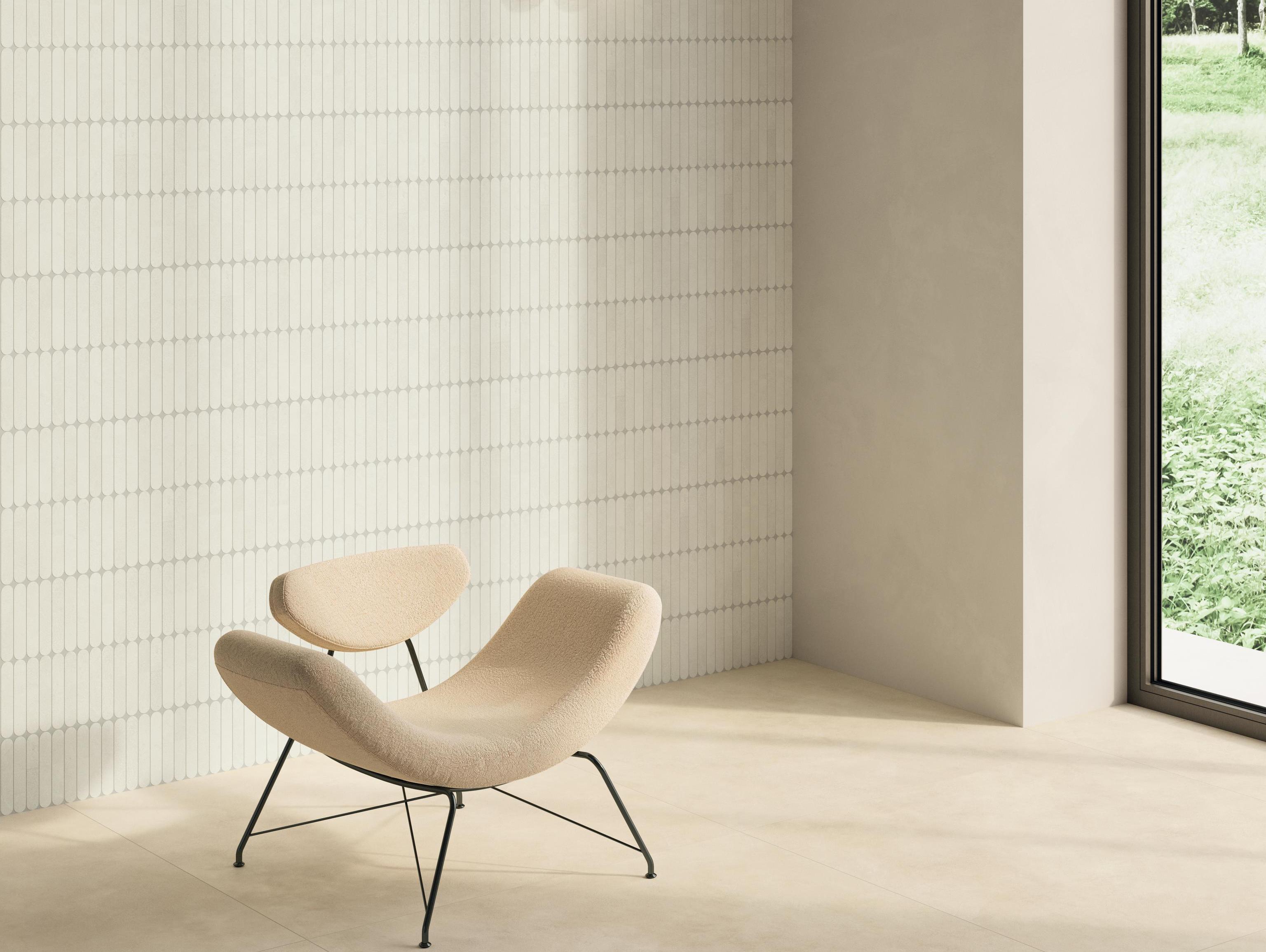
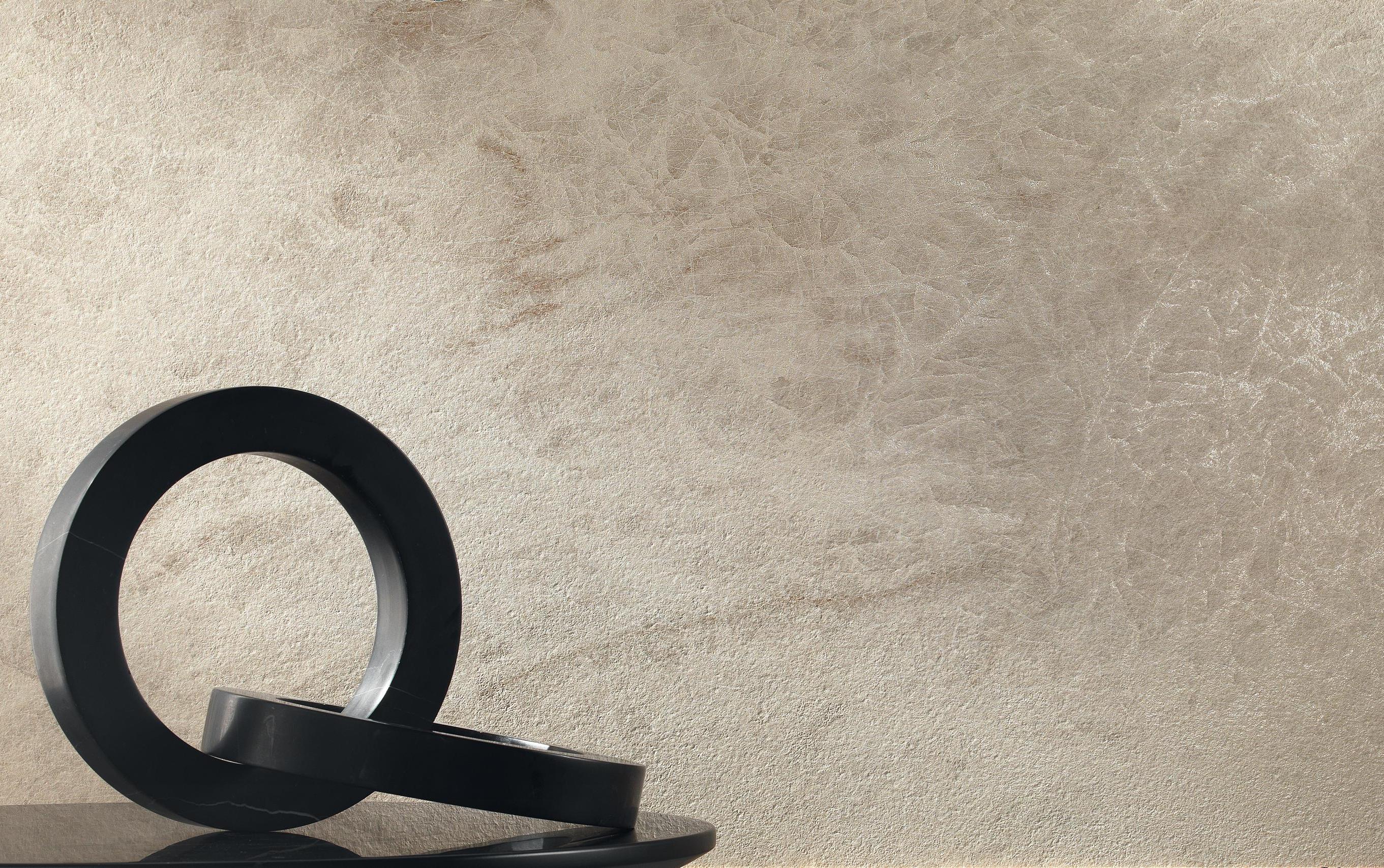
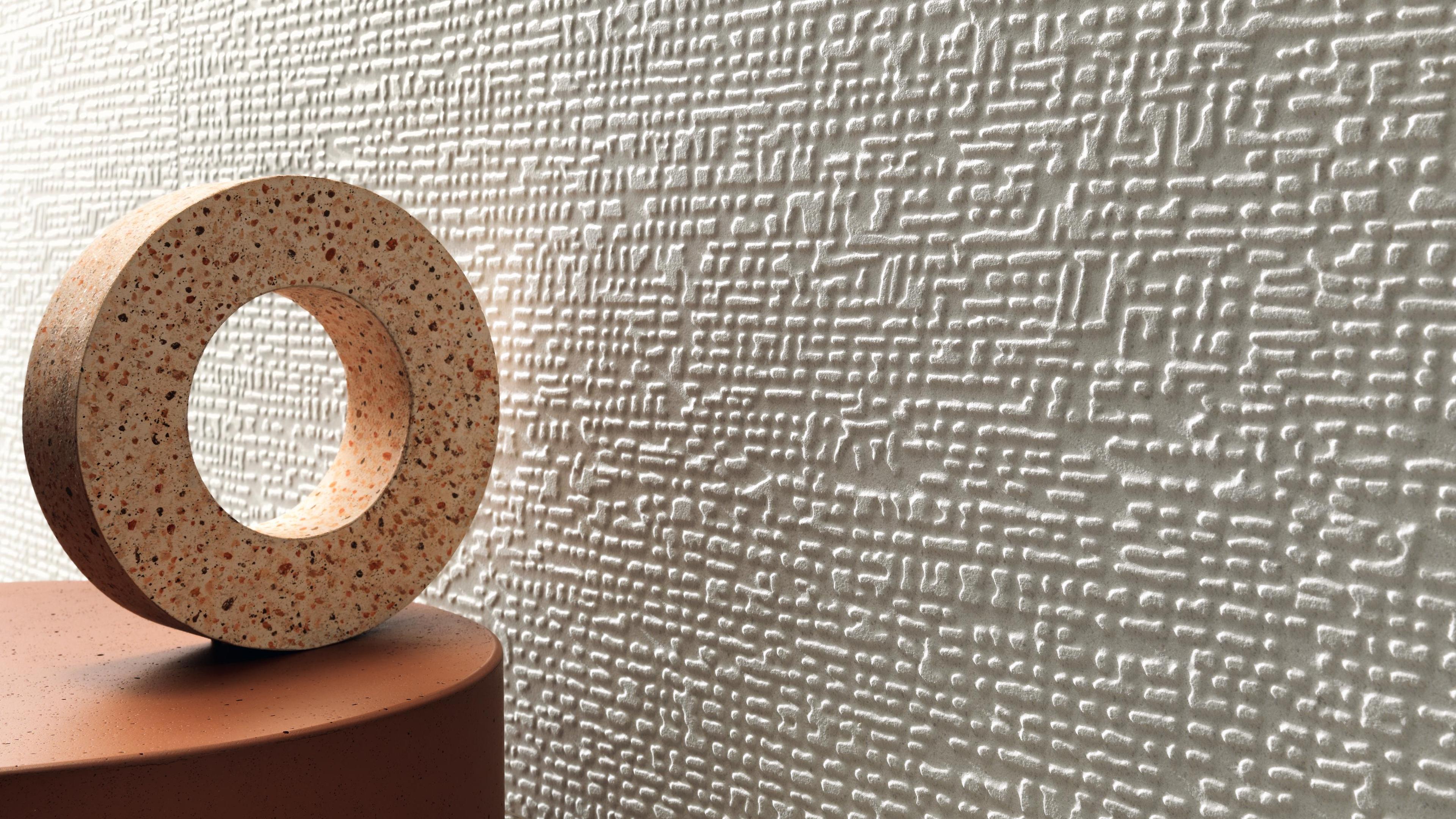
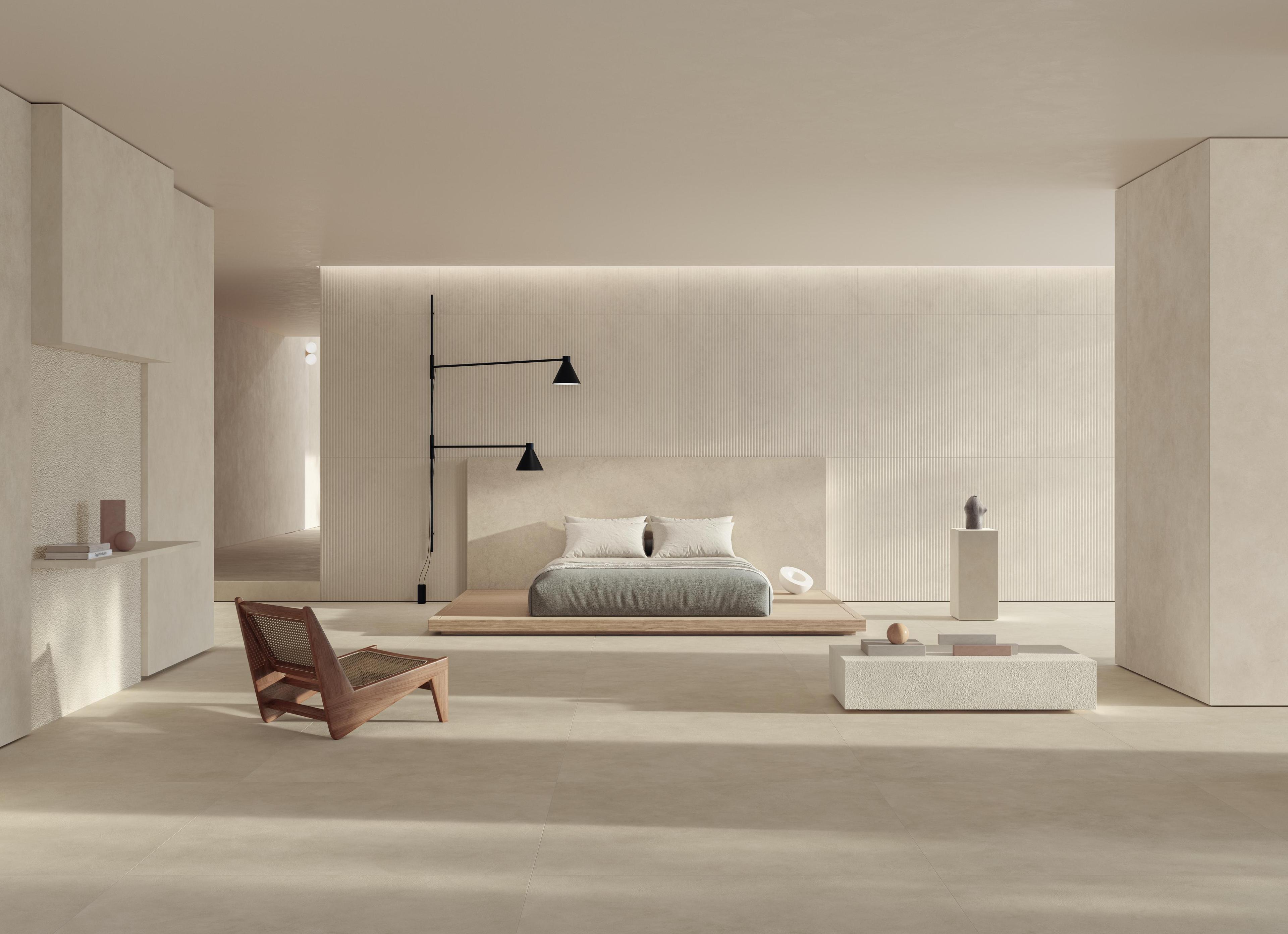
Texture is among the most decisive elements in wall design. A smooth, matt surface yields a more continuous effect; a material finish gives the wall greater presence; a three-dimensional relief activates the relationship with light, generating shadow, depth and movement. In ceramic wall coverings, 3D wall tiles should not be read as mere decoration, but as part of the language of the collection: in Boost Expression, decors such as 3D Flute introduce vertical rhythm, soft shadow and depth, turning the wall covering into an architectural plane that participates in the making of the space.

Format and scale

The format bears directly on perceived proportions. Small and medium formats introduce rhythm and cadence.

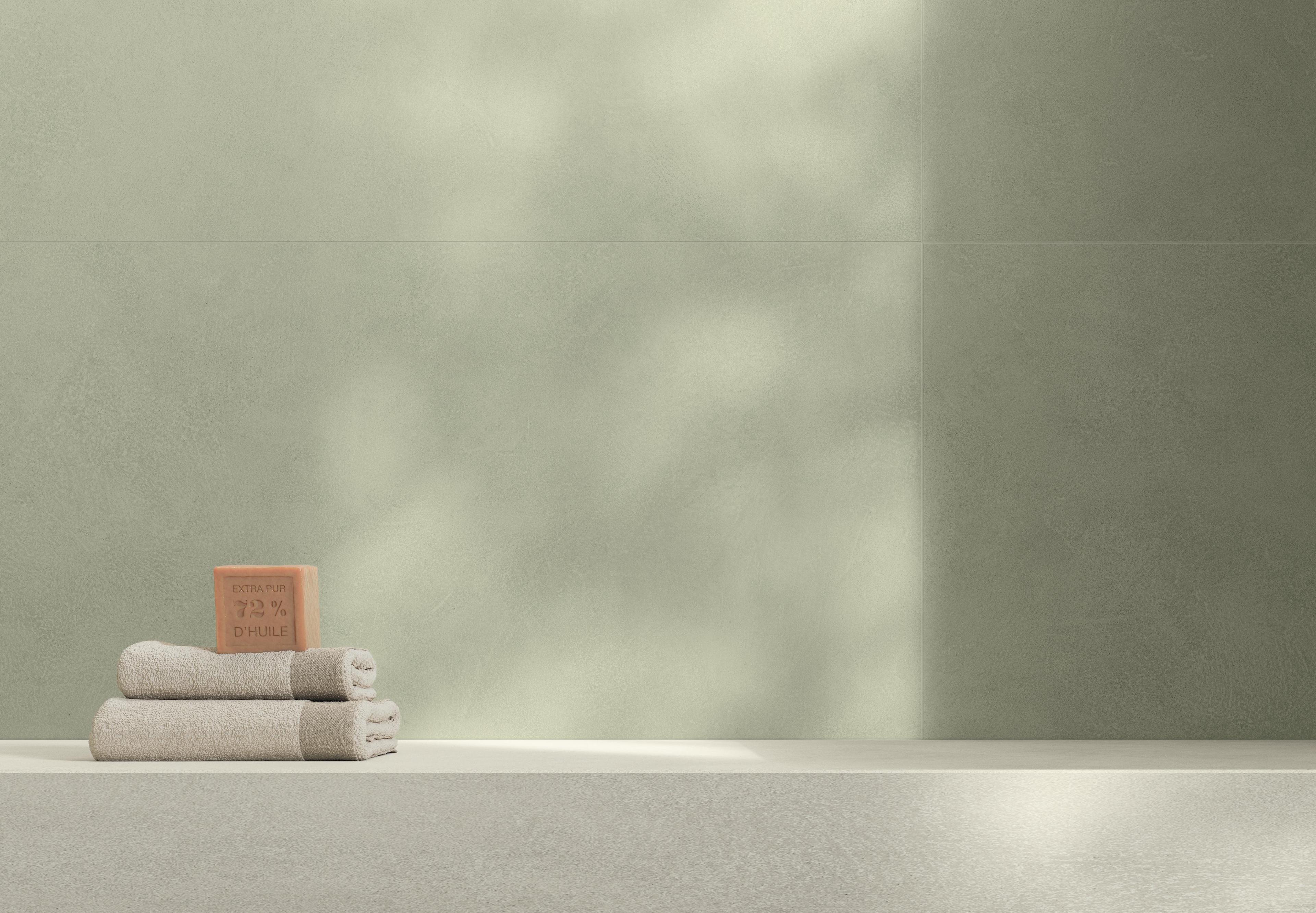
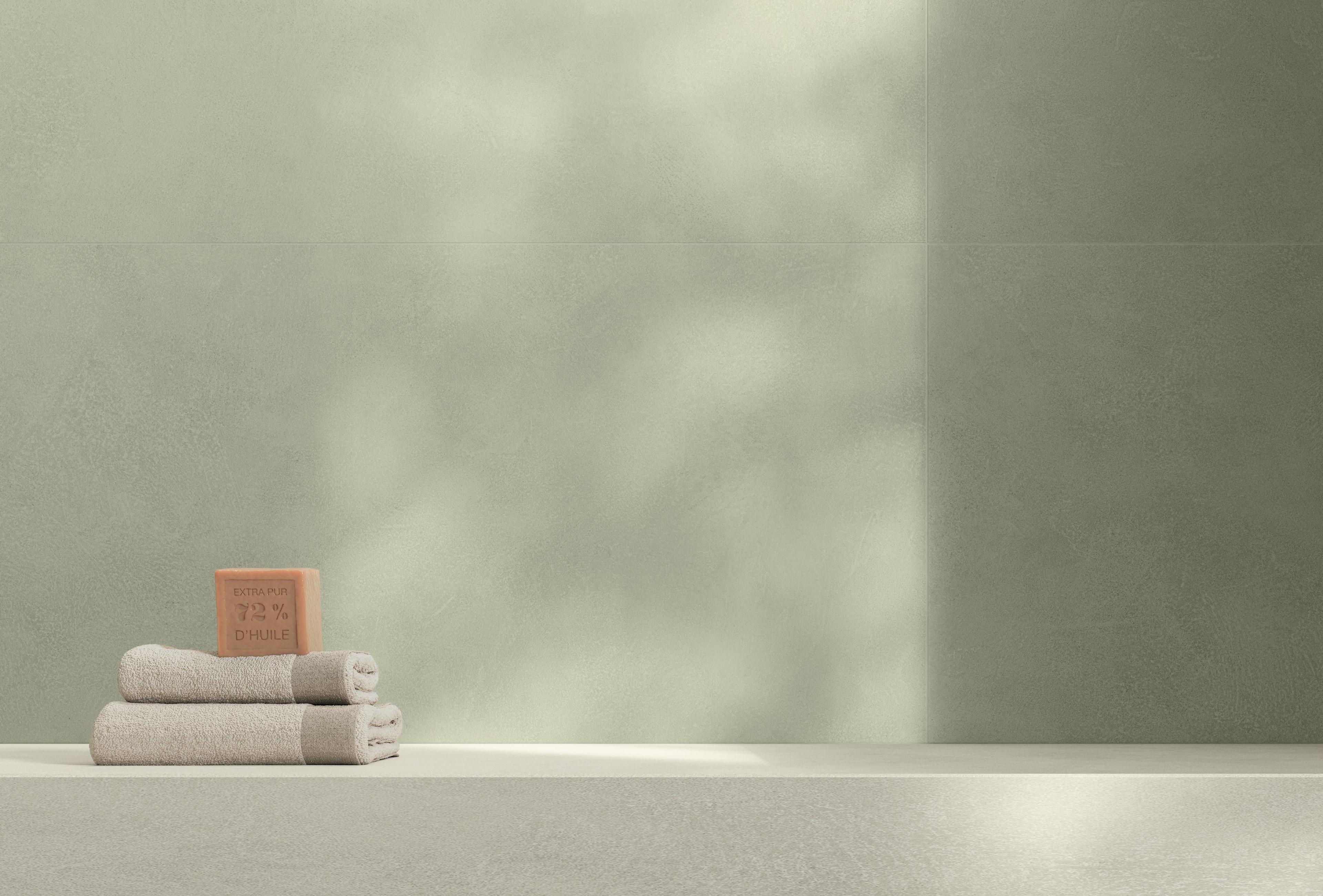
The large slabs are recommended when the wall must assume a strong architectural role without appearing fragmented. In bathrooms, kitchens, living areas, reception areas or boutiques, fewer grout lines heighten visual continuity, ease the reading of the material and yield a cleaner composition. Large format wall tiles also allow veining, chromatic transitions and textures to unfold across broad surfaces, turning the covering into a continuous screen capable of lending depth and identity to the space.

Ceramic tiles for wall: porcelain tiles, monoporosa and material depth

Ceramic wall surfaces are an effective solution when a project calls for aesthetic identity, visual continuity and coherent performance over time. In vertical applications, monoporosa, a ceramic technology developed specifically for wall coverings, is particularly suited to work on texture, colour, decor and three-dimensional surfaces; porcelain tiles, by contrast, can also be used on the wall where continuity with the floor, large formats or coordinated surfaces are required. In this way, the covering becomes a design instrument capable of interpreting natural and contemporary languages while maintaining a controlled result, integrated with furnishings, light and the other elements of the space.

Floor-to-wall continuity

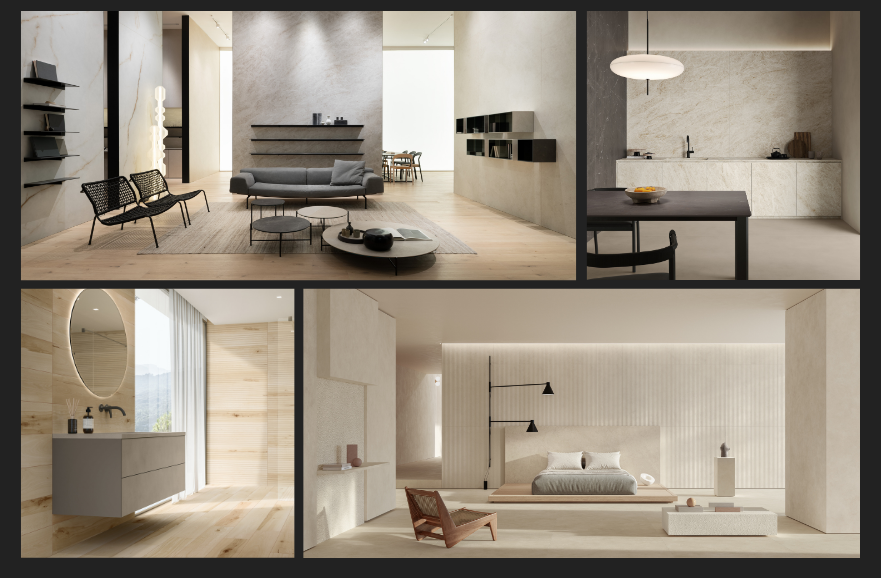
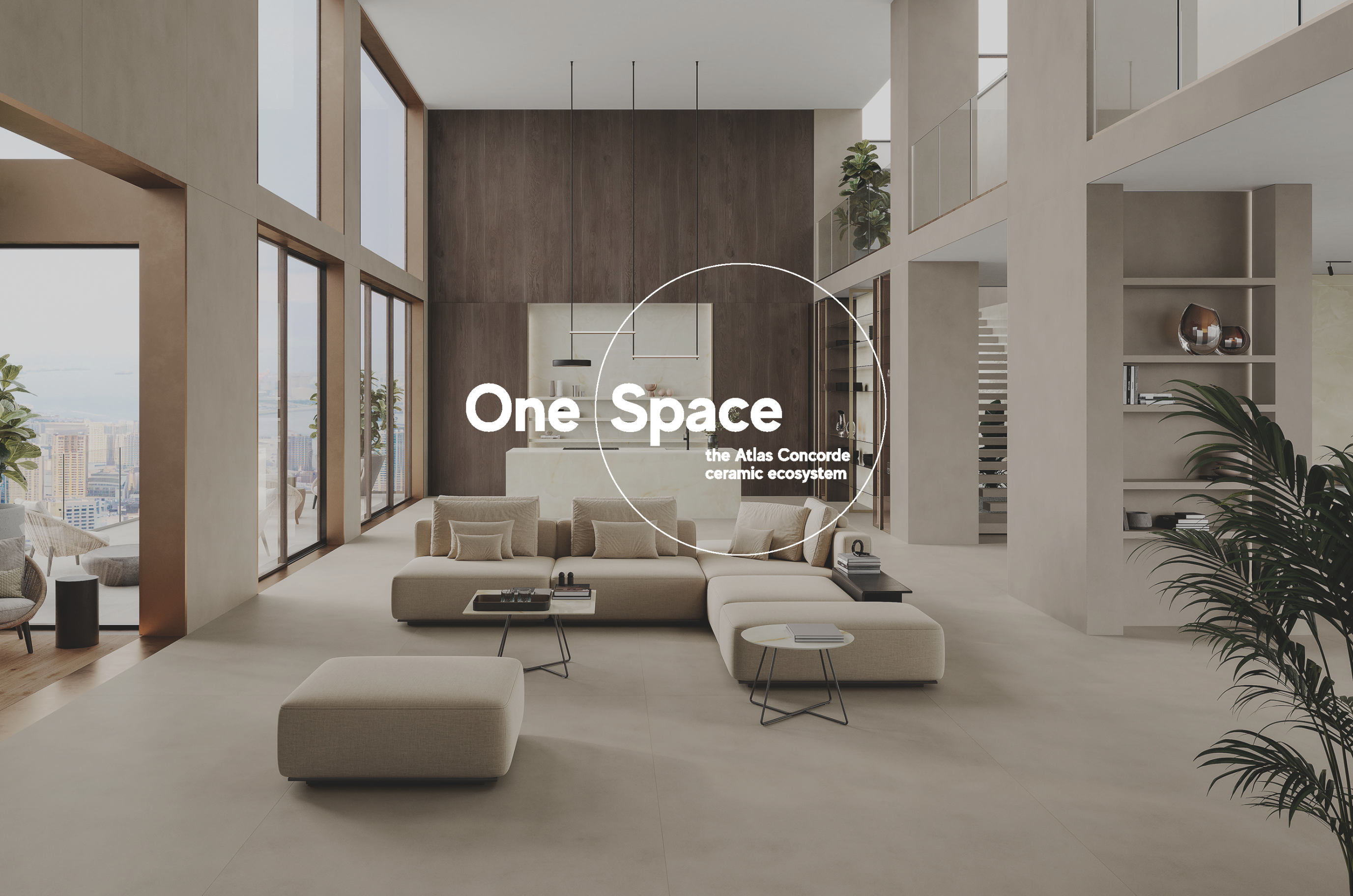
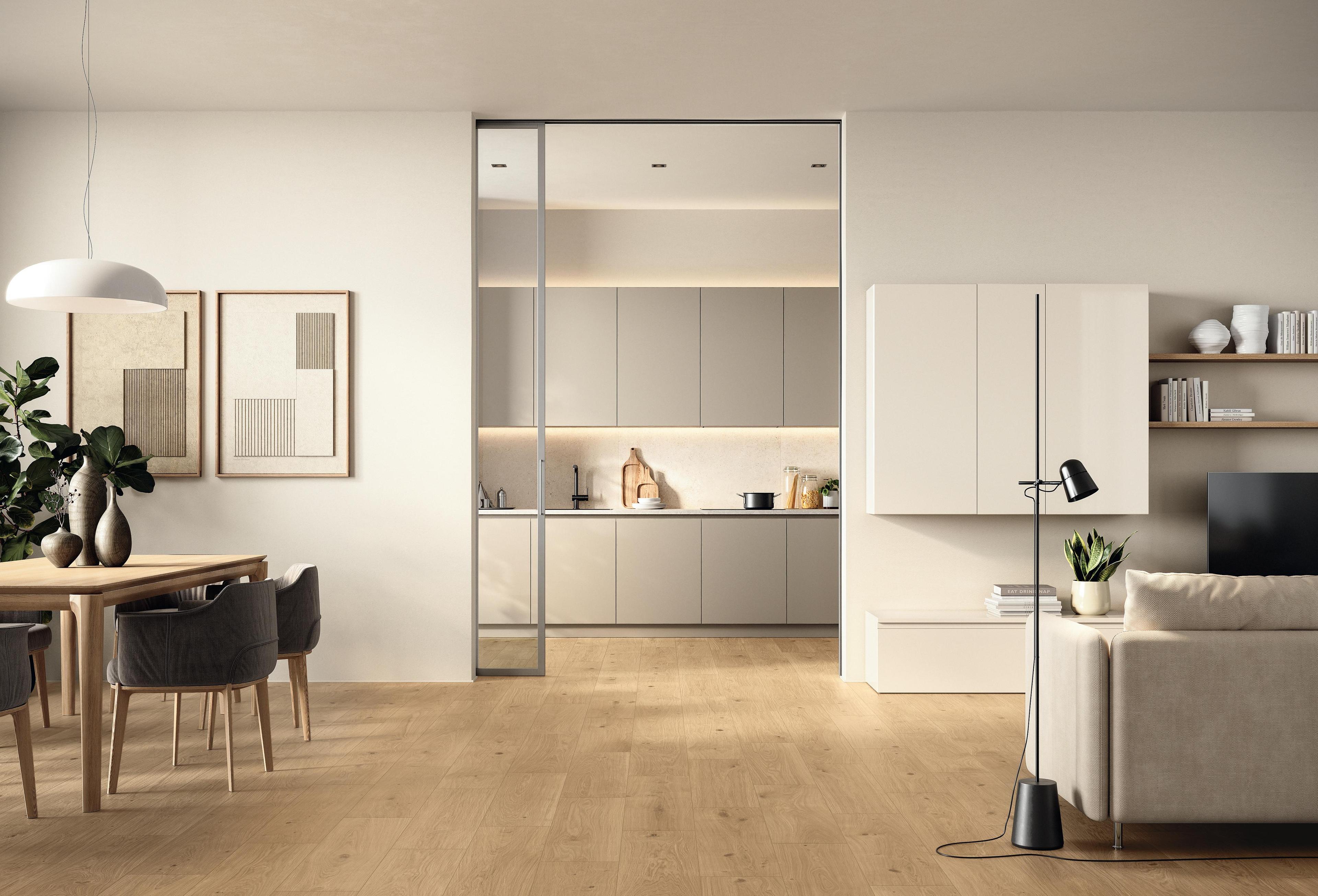
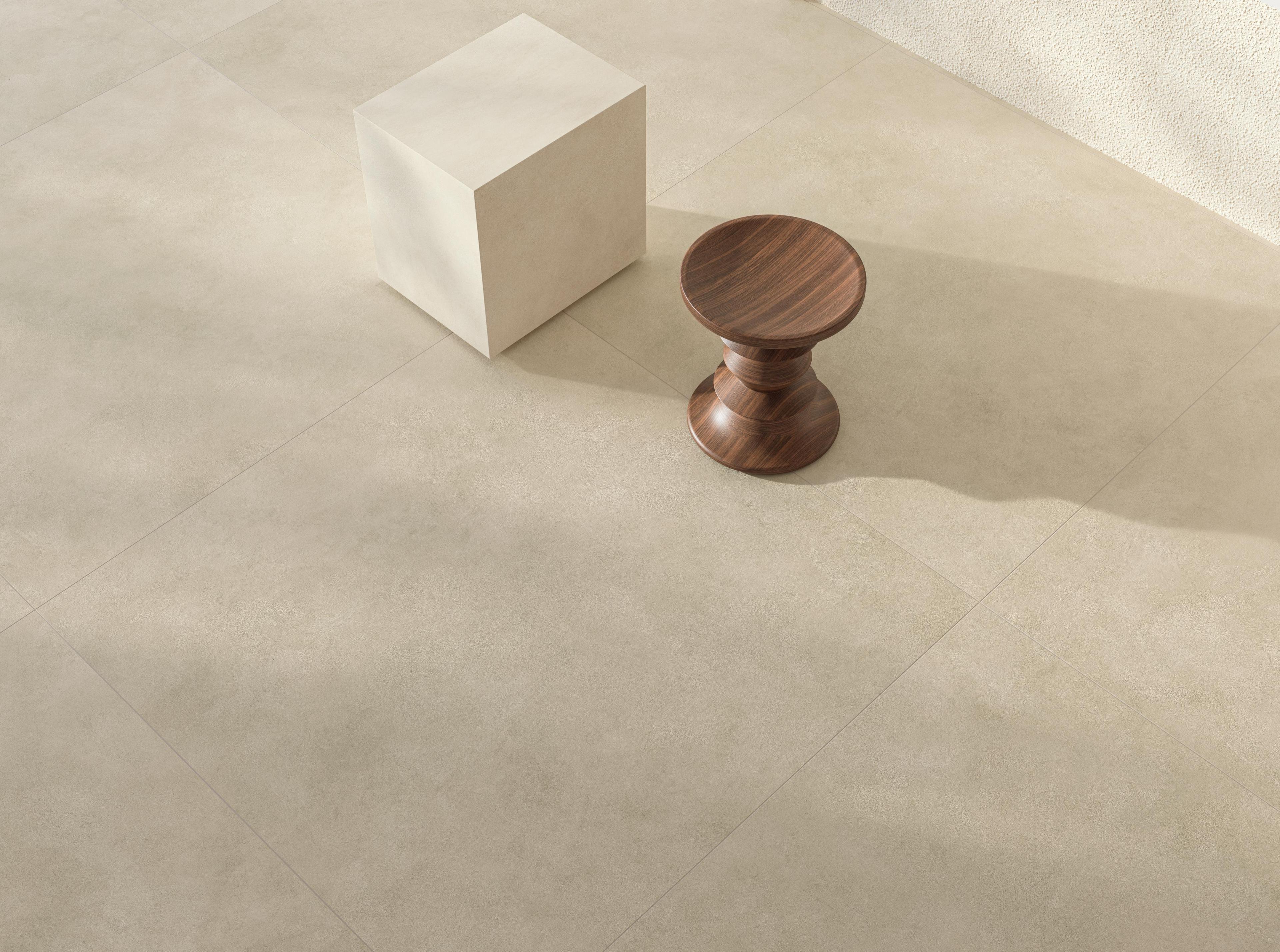
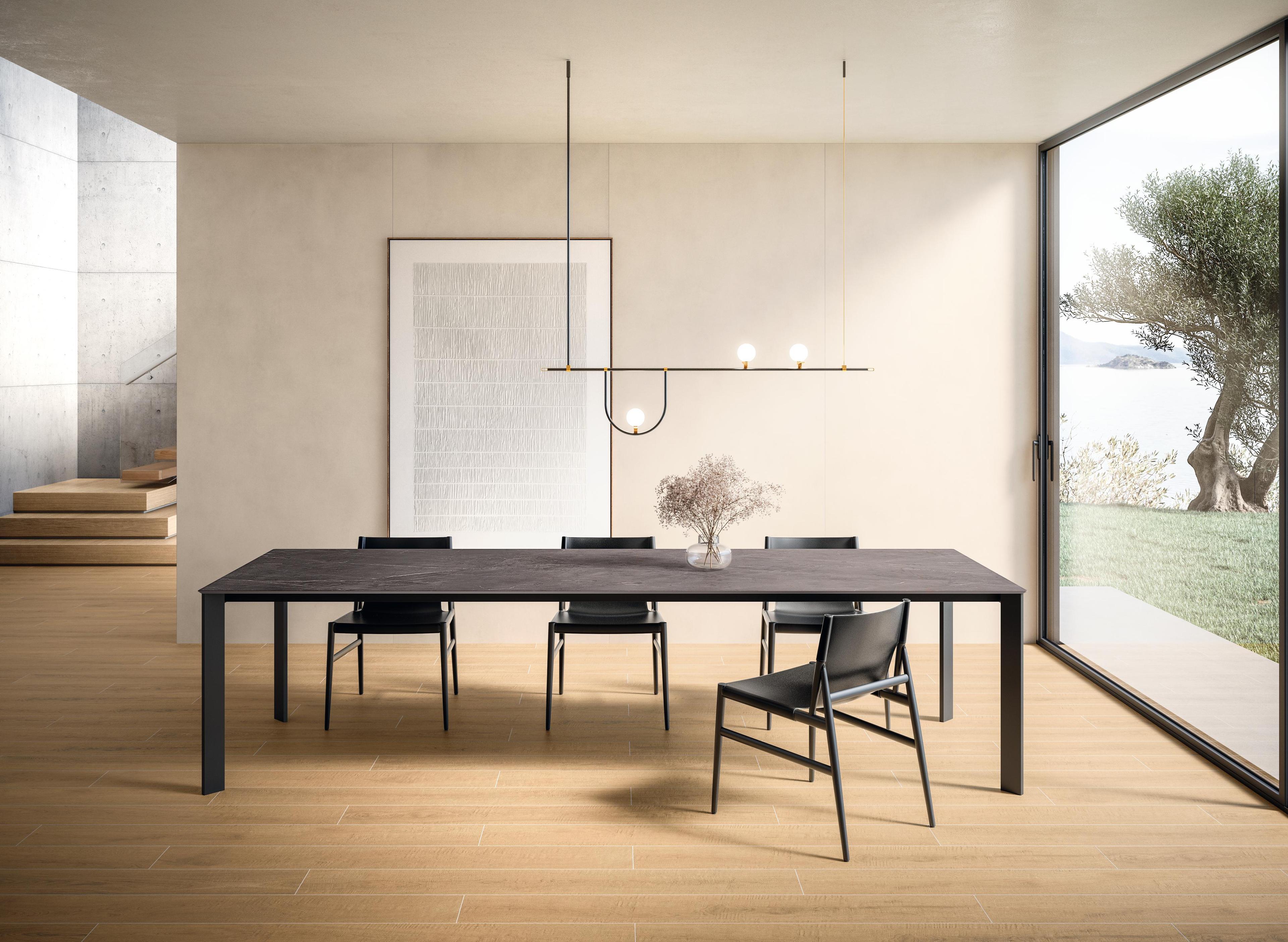
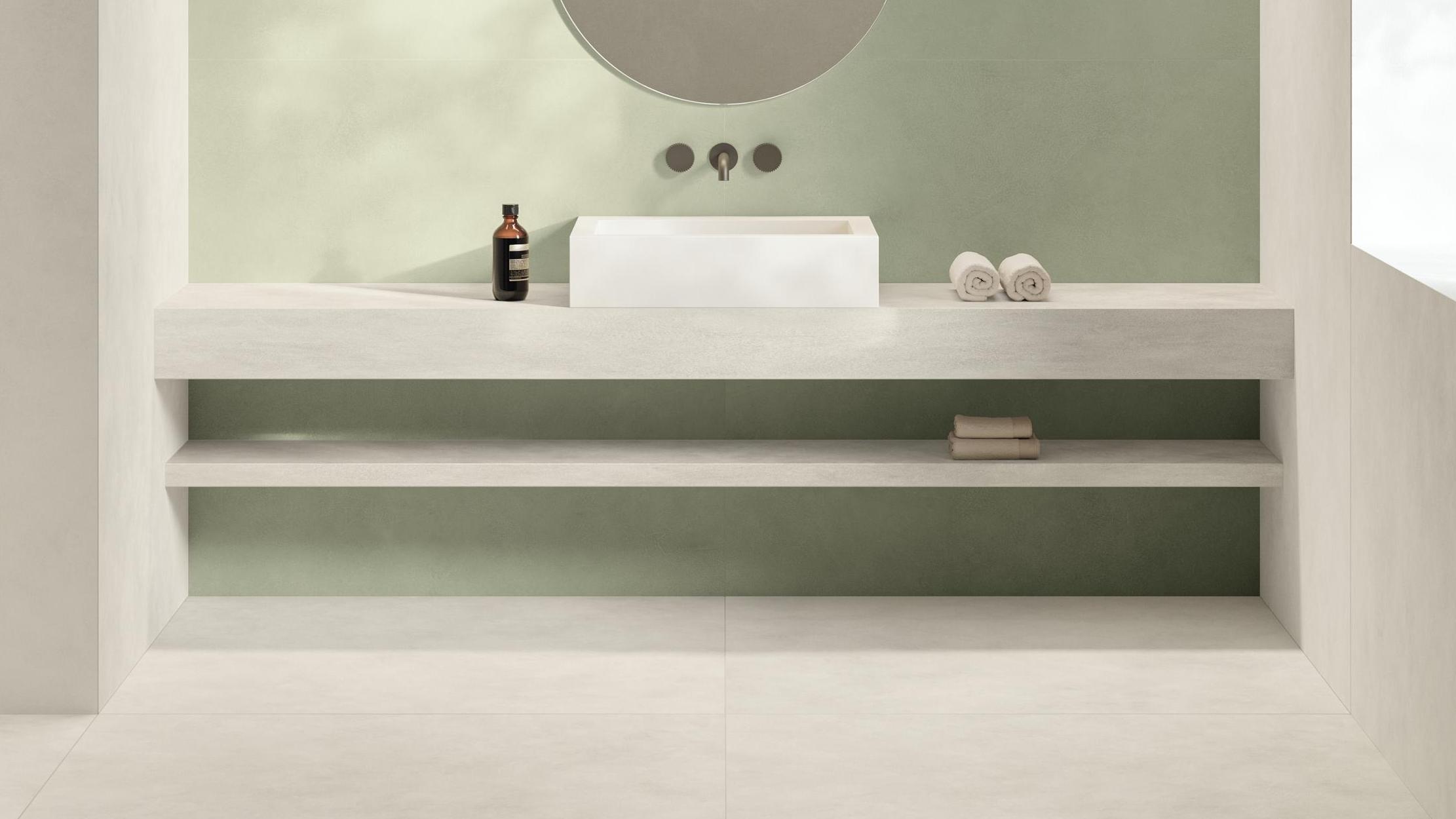
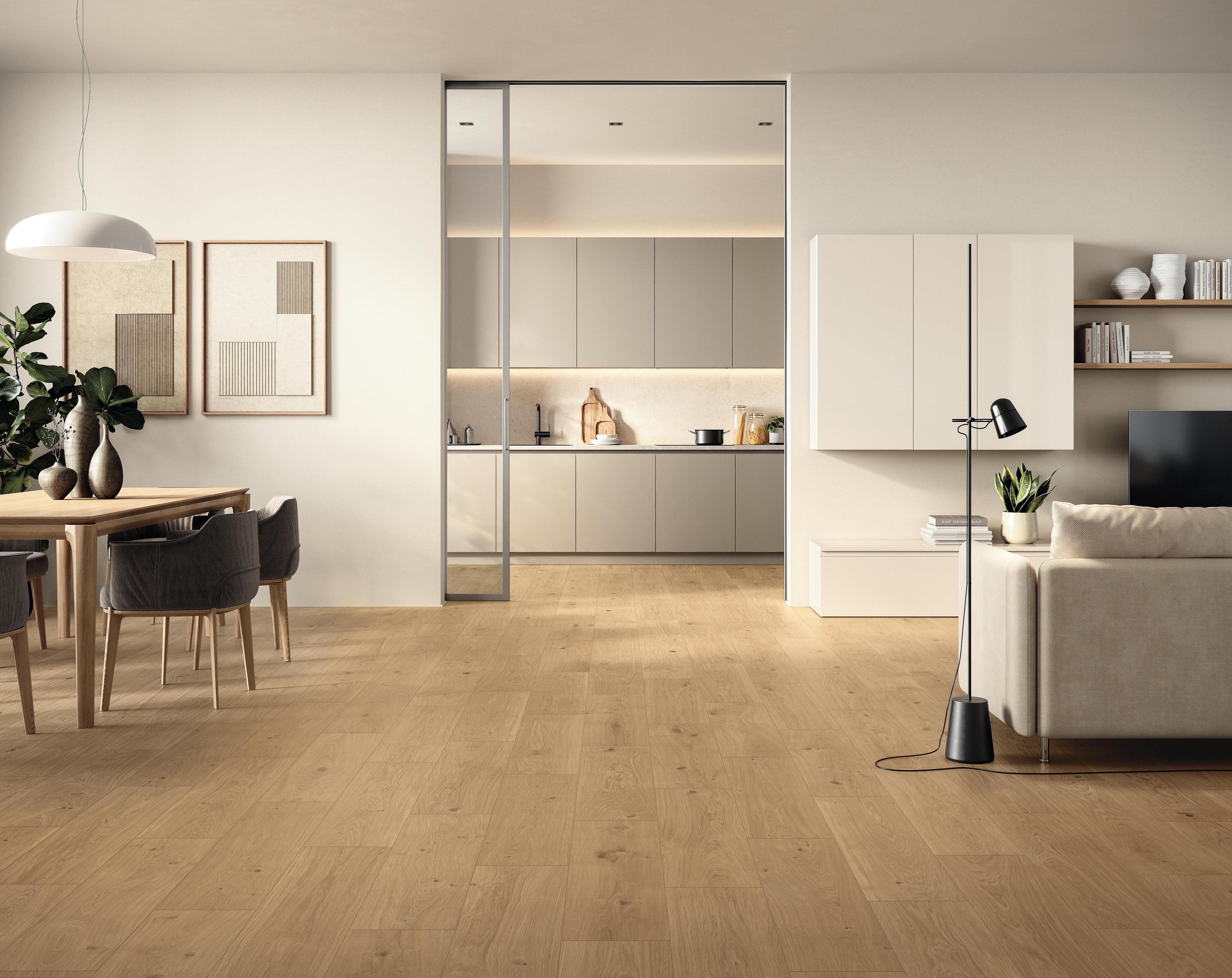
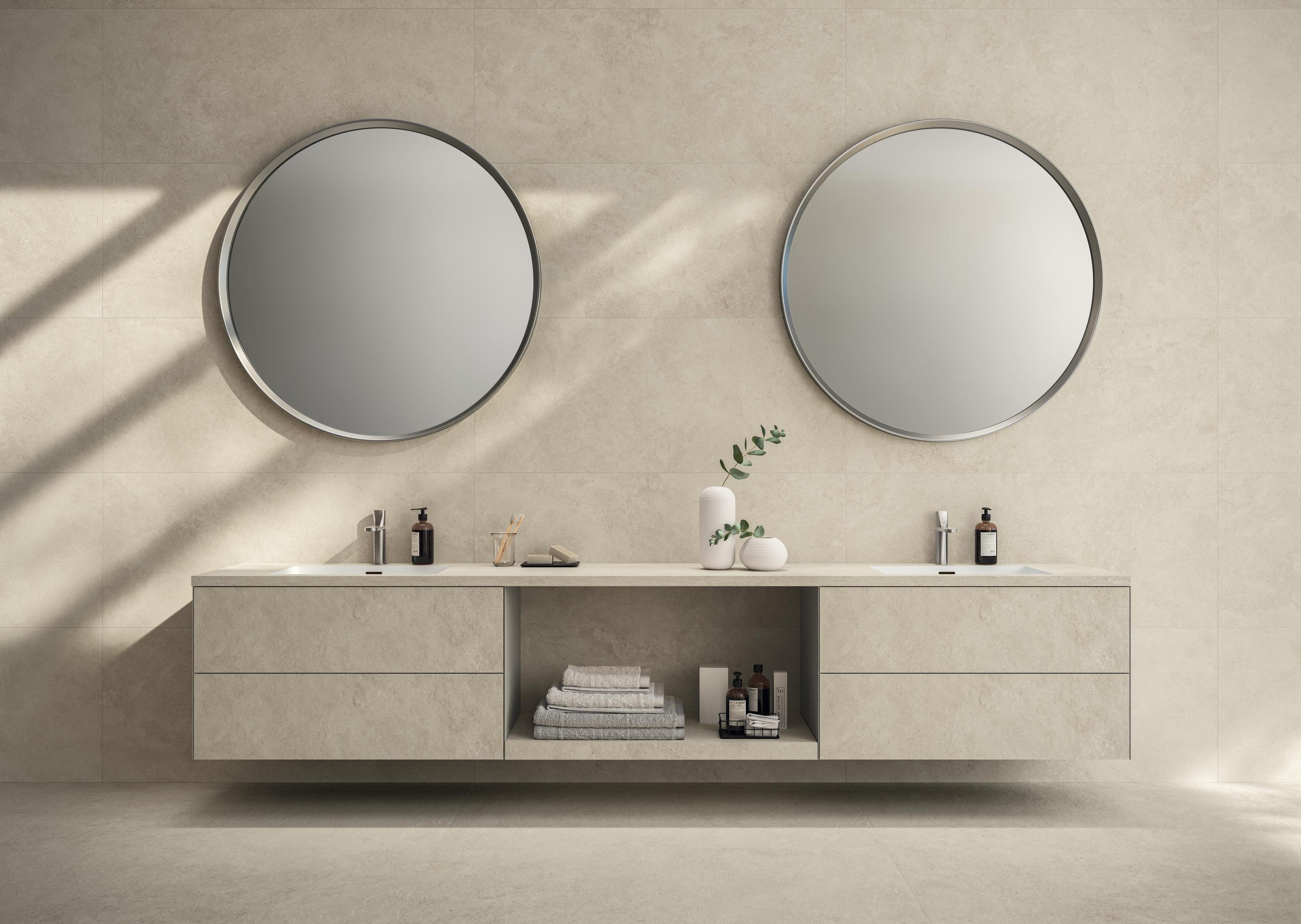
One of the principal design advantages of porcelain tiles used as a wall covering lies in the possibility of building continuity between floor and wall. In a bathroom, a kitchen, a suite or a lobby, the use of coordinated porcelain floor and wall tiles makes it possible to reduce material discontinuities and give rise to more fluid interiors. The choice should always be assessed against the formats, finishes and technical specifications of the selected surface, yet it can be inscribed within a logic of design continuity such as that of ONE SPACE, the ecosystem that coordinates floors, wall coverings, surfaces and furnishings within a single material language.

Matt finishes and material surfaces

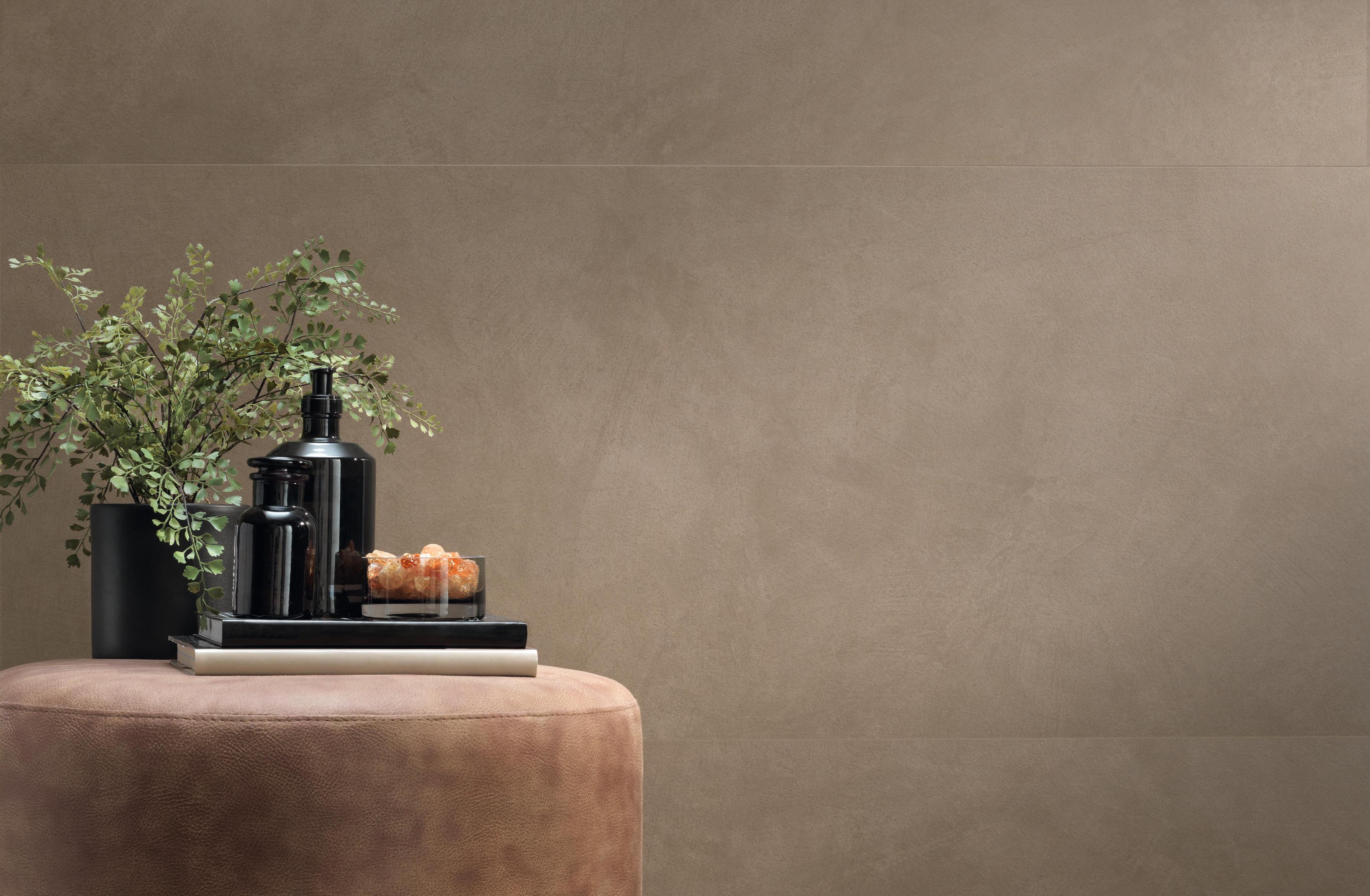
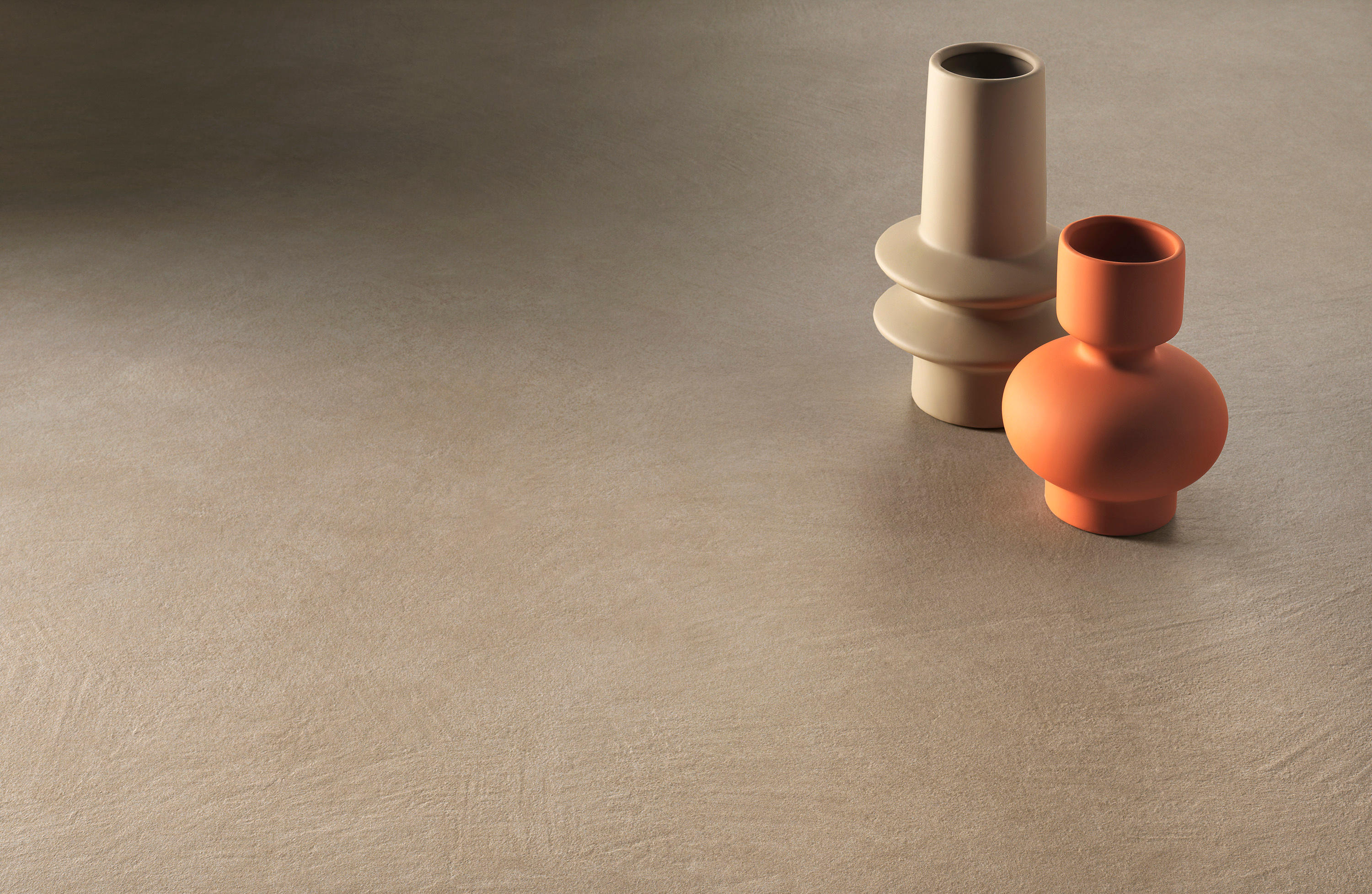
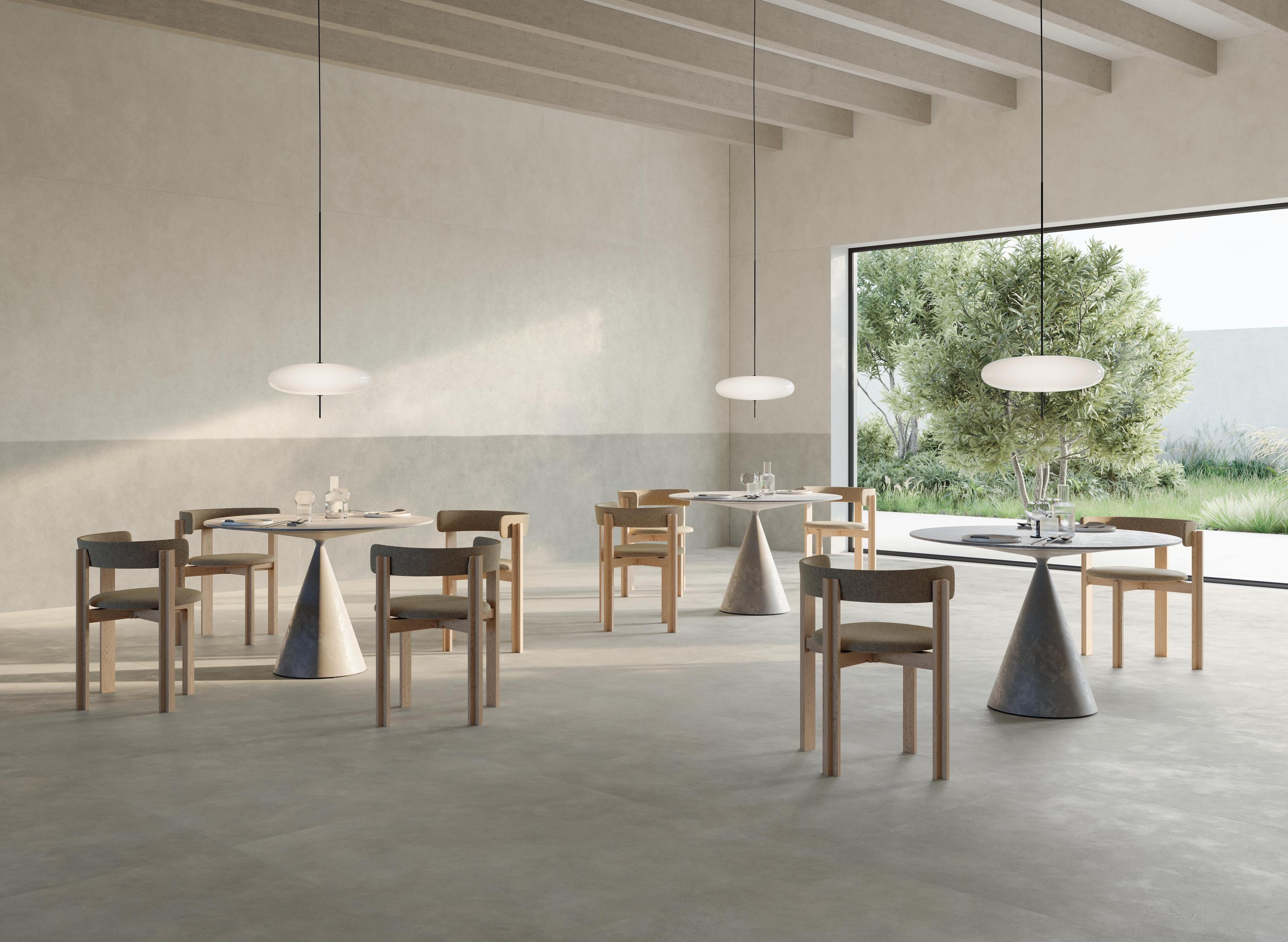
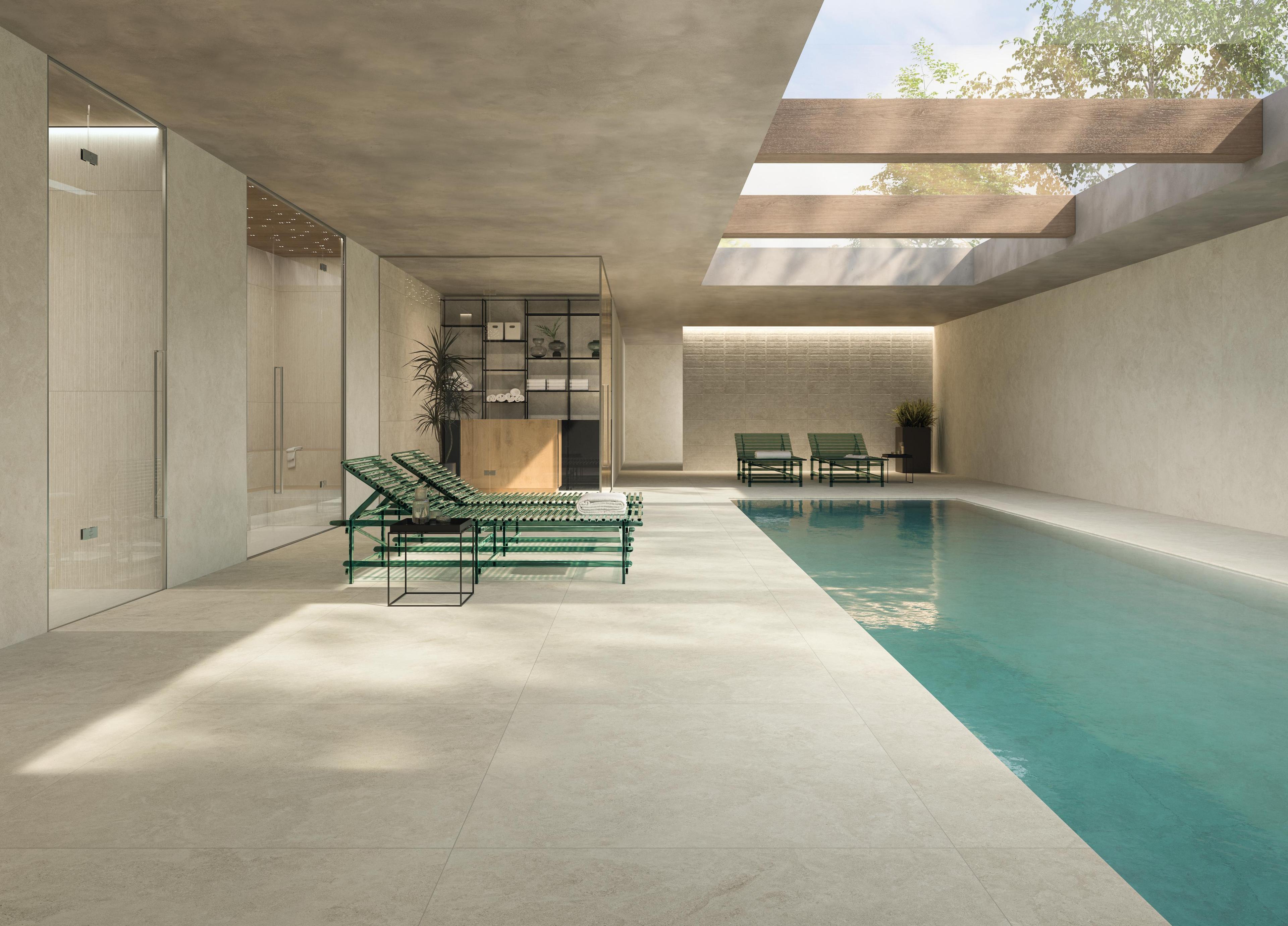
Matt finishes answer to a design sensibility increasingly attuned to material perception. A matt surface reduces reflections, absorbs light more readily and returns a softer, more natural image. In collections such as Boost Vision, where the material combines intimations of stone and concrete, or Nyra, a stone-effect surface whose design draws on the relationship between matter and nature, the finish becomes part of the design language: not simply an aesthetic outcome, but a way of building more intimate, authentic interiors, consonant with the perception of natural materials. In high-end hospitality and residential settings, this approach allows the wall to convey character without tipping into excessive decoration.

How to choose interior wall tiles: design variables

The choice of modern interior wall tiles depends on variables that must be weighed together. Intended use is the first criterion: a private living room calls for a different balance from a hotel bedroom, a reception, a spa or a retail space. In residential work, continuity, personalisation and comfort prevail; in bathrooms and kitchens, cleanability and resistance to humidity become paramount; in hospitality, the covering contributes to the recognisability of the space; in retail, it becomes part of the brand experience.

Coherence with floor, light, furnishings and stability over time

The wall may continue the floor or set up a controlled opposition. Material continuity generates immersive, ordered interiors; the contrast between different surfaces introduces hierarchy, depth and focal points. Light, too, is decisive: a polished surface amplifies luminosity, a matt surface works on a softer perception, a 3D relief shifts in appearance according to the angle of the light. For this reason, the choice of covering should be assessed alongside the lighting design.

Applications: residential, hospitality and contract

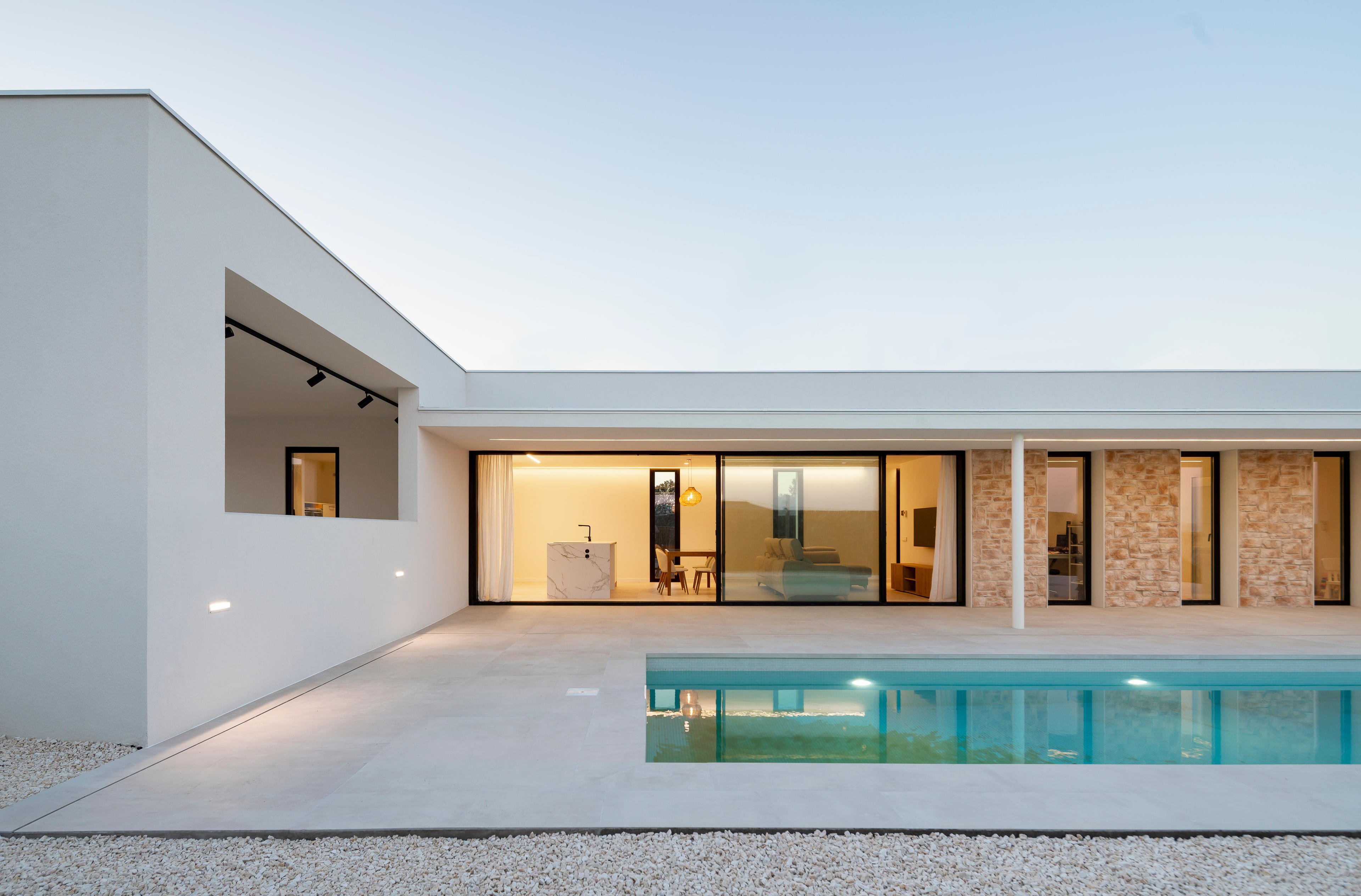
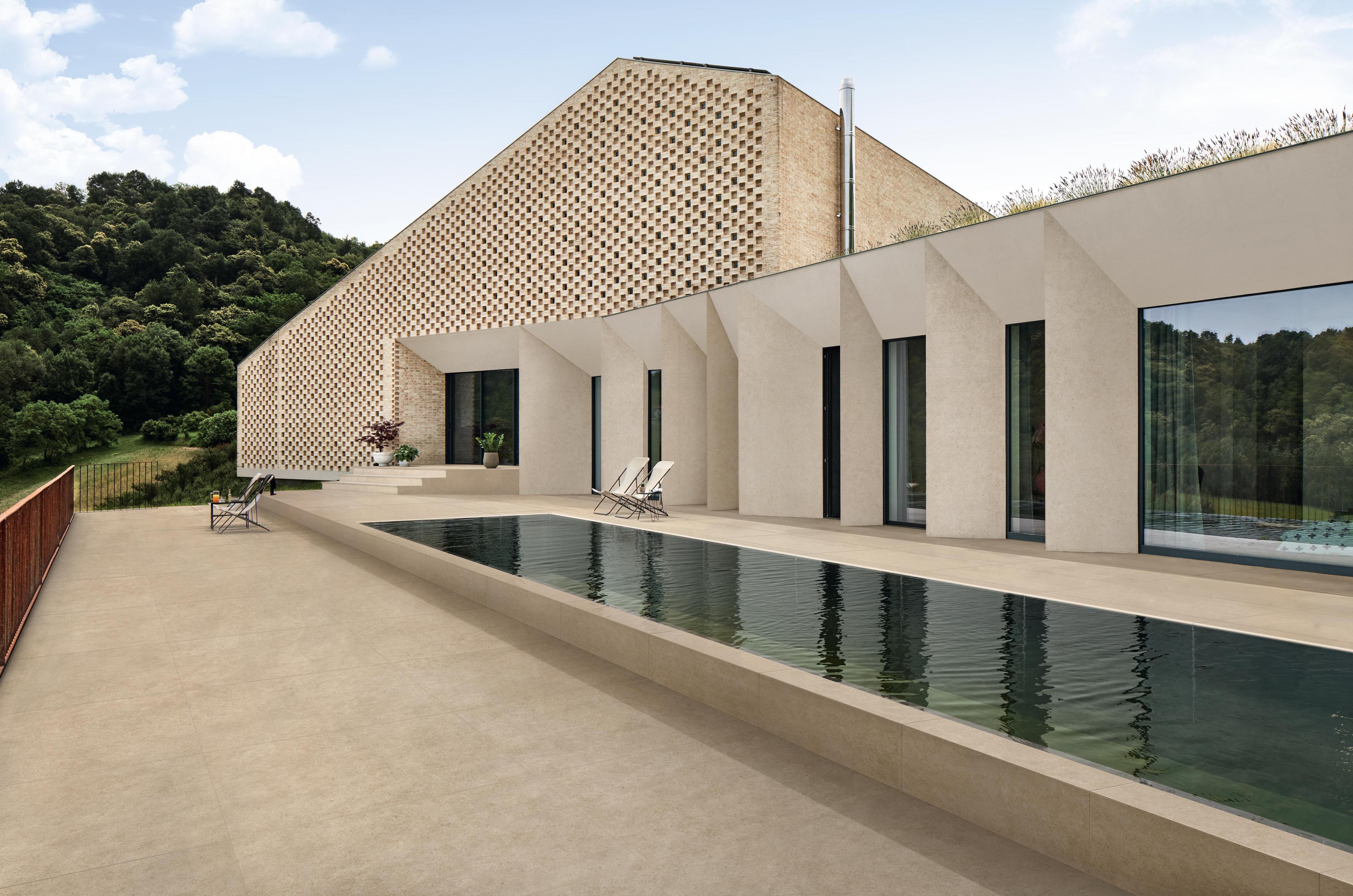
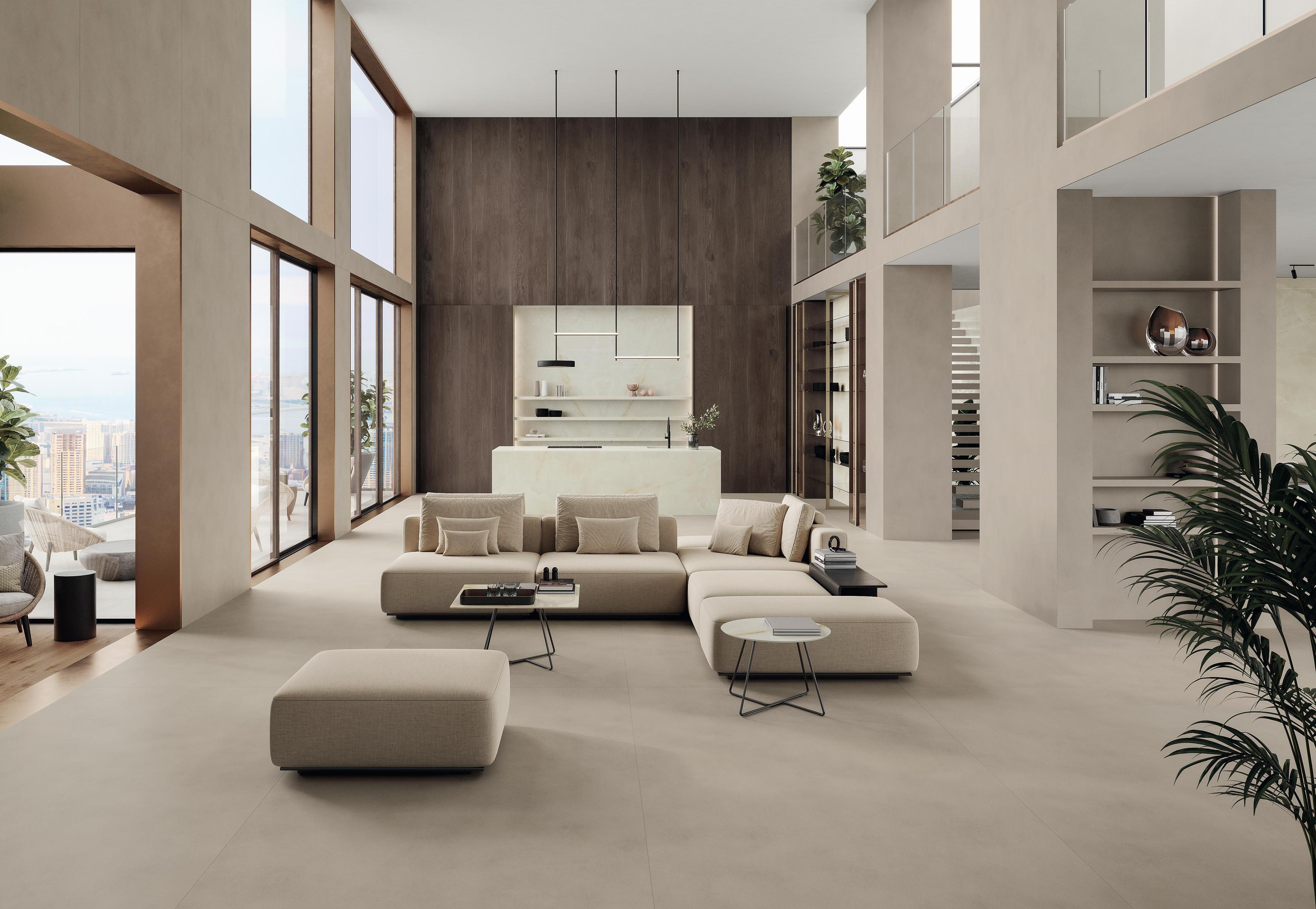
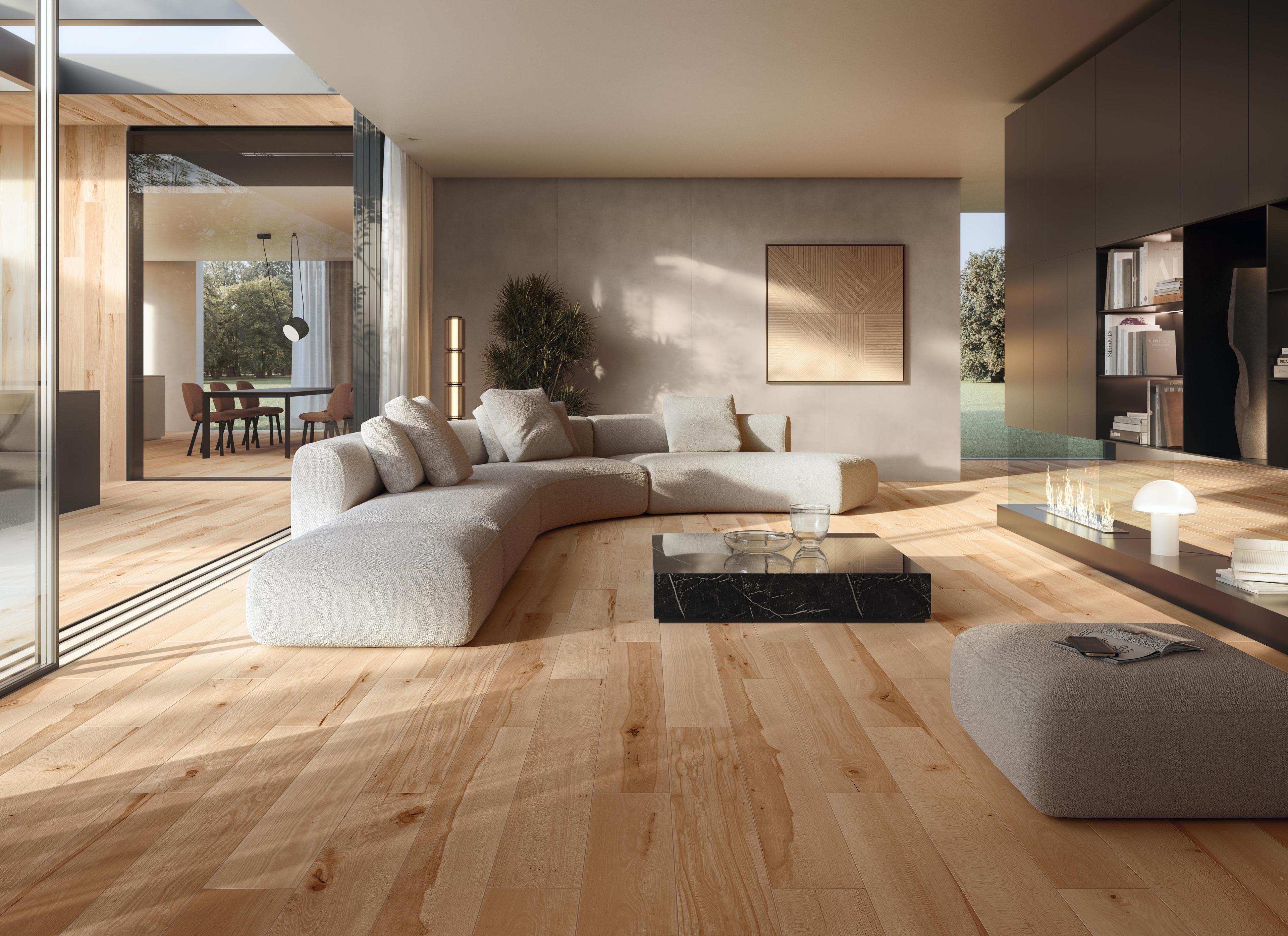
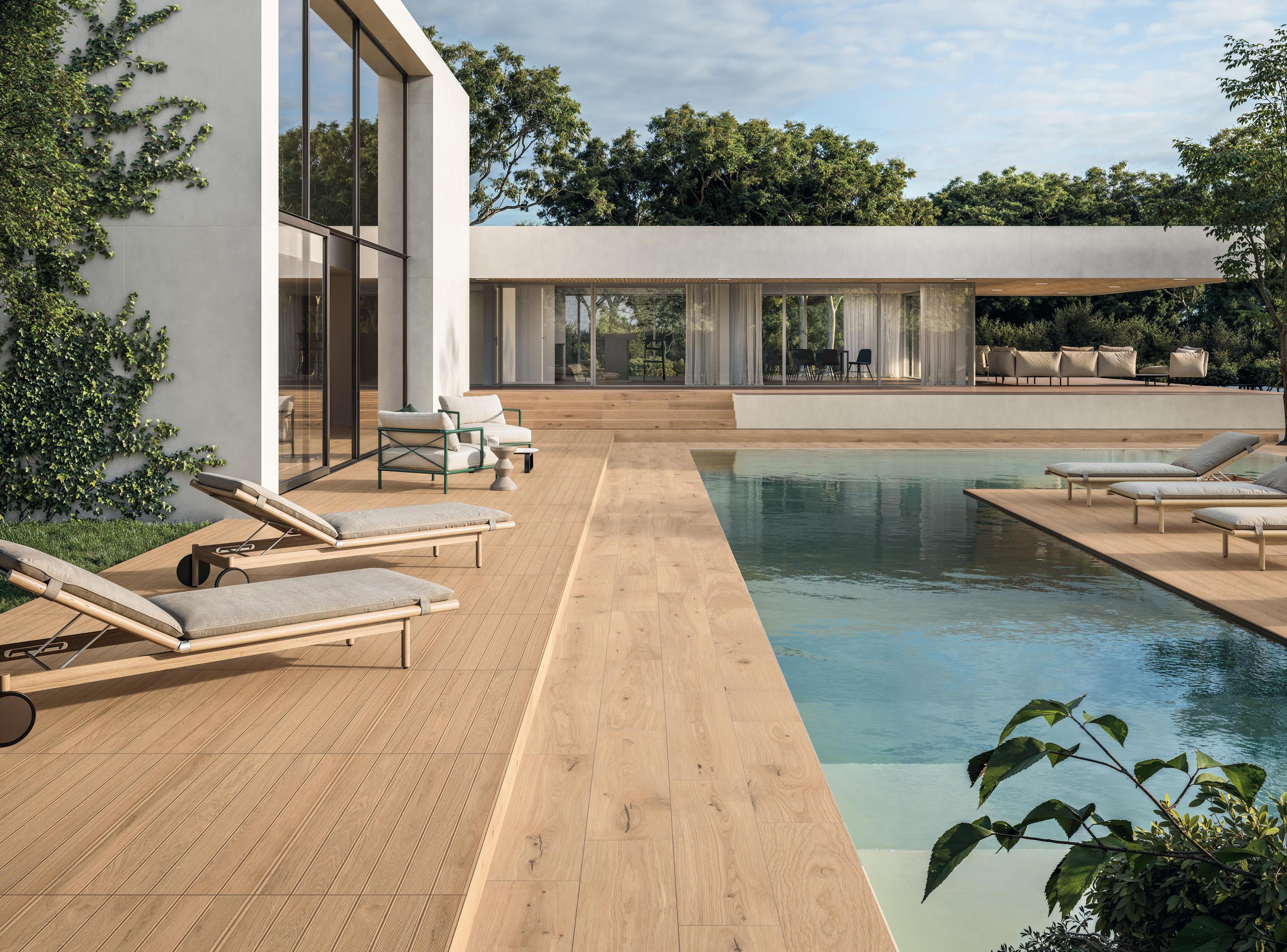
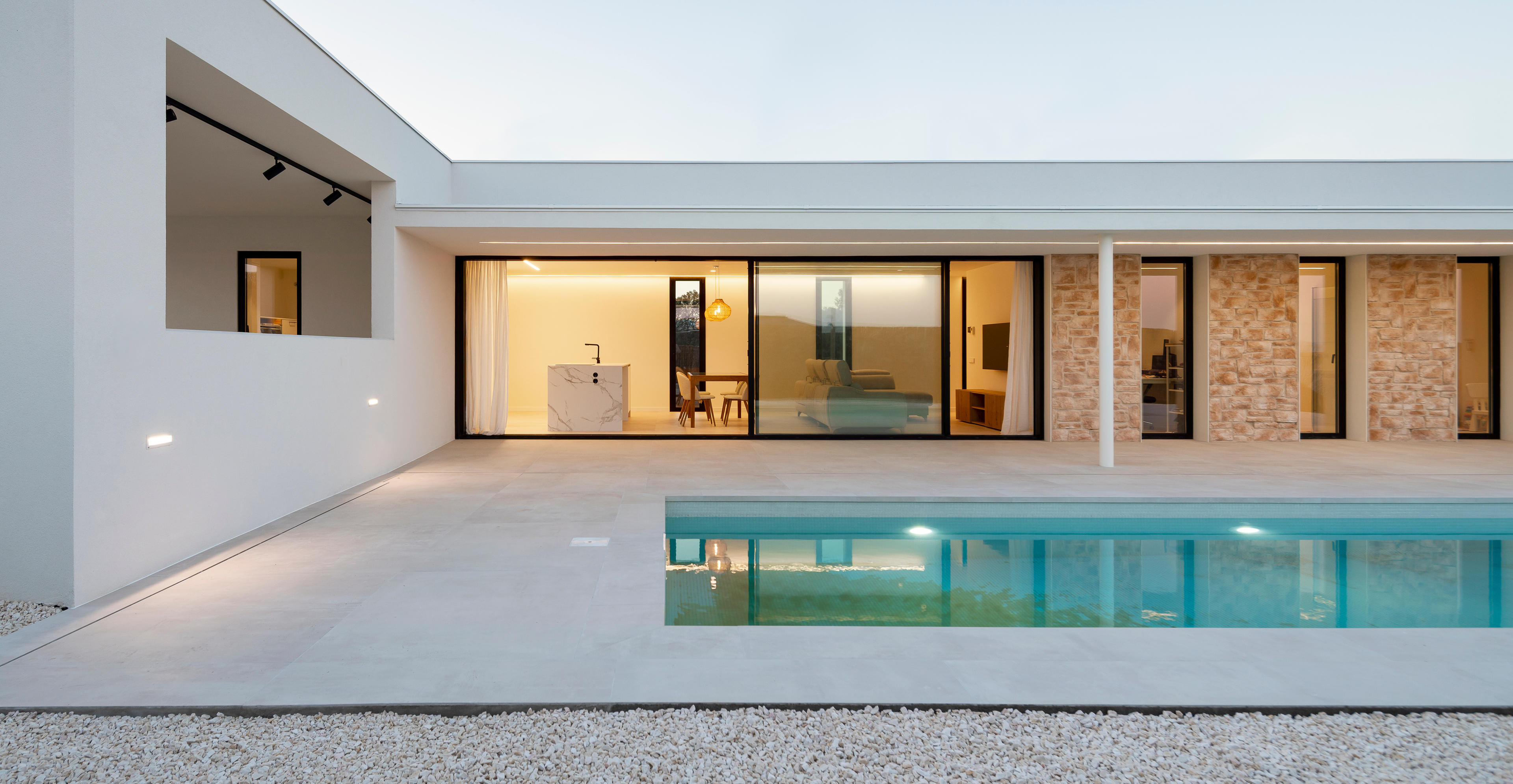
In residential work, wall tiles make it possible to build more personal and coherent interiors, in which vertical surfaces, floors and furnishings converge on a single material identity.Wall tiles for the living room, in particular, can transform the living area into a deeper, more architectural space: a large marble-effect slab may become a scenographic screen, a stone-effect surface may introduce naturalness and continuity, while a matt finish helps build warmer, more intimate atmospheres. Large slabs prove particularly effective where a project seeks visual continuity and a broader perception of space, as the project for a residence immersed in greenery in New Zealand demonstrates, where large-format ceramic surfaces define indoor and outdoor spaces within a unified language. In bathrooms, kitchens and living areas, natural effects and matt finishes help create warm, sophisticated and functional interiors, capable of holding aesthetic coherence and practicality over time.

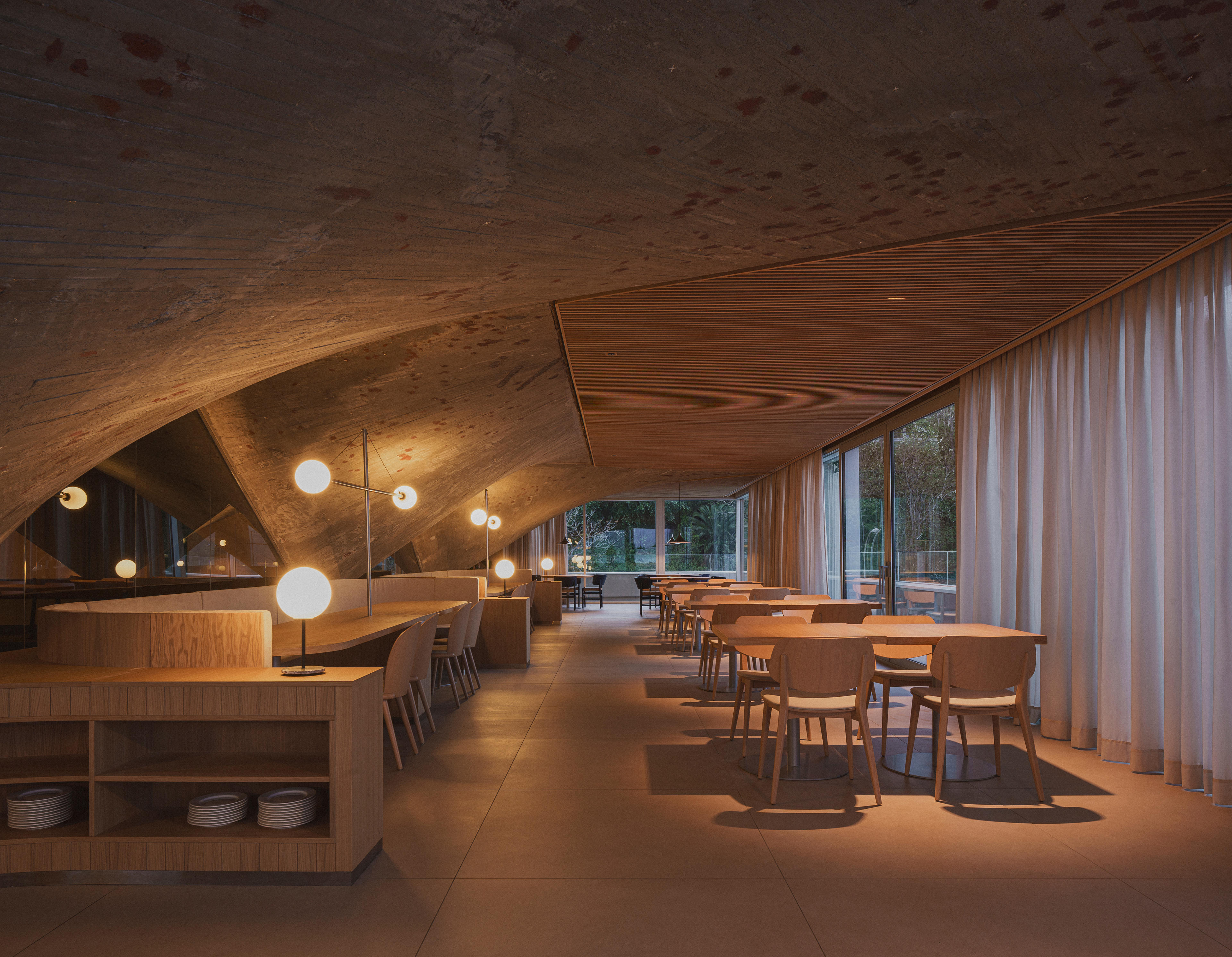
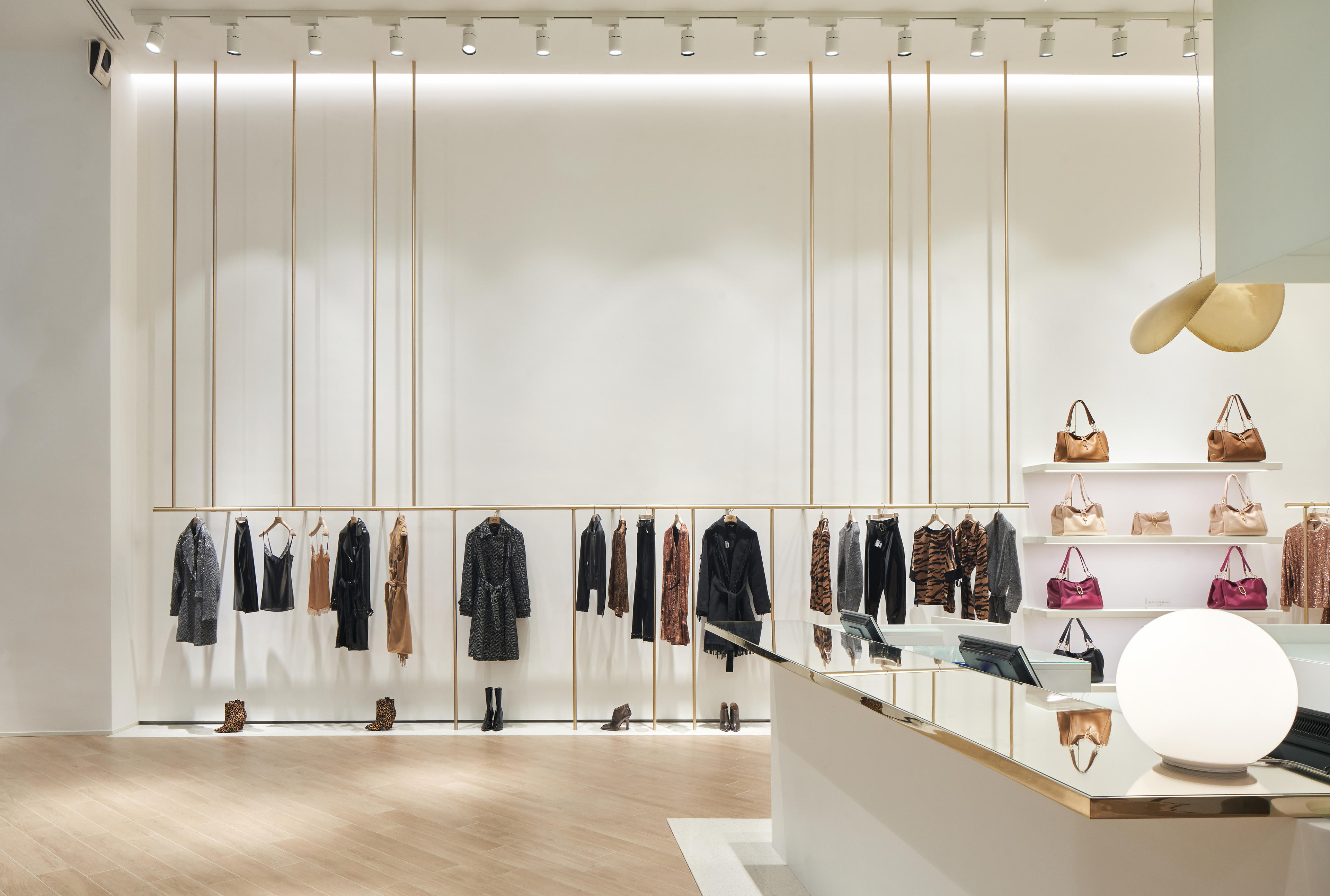
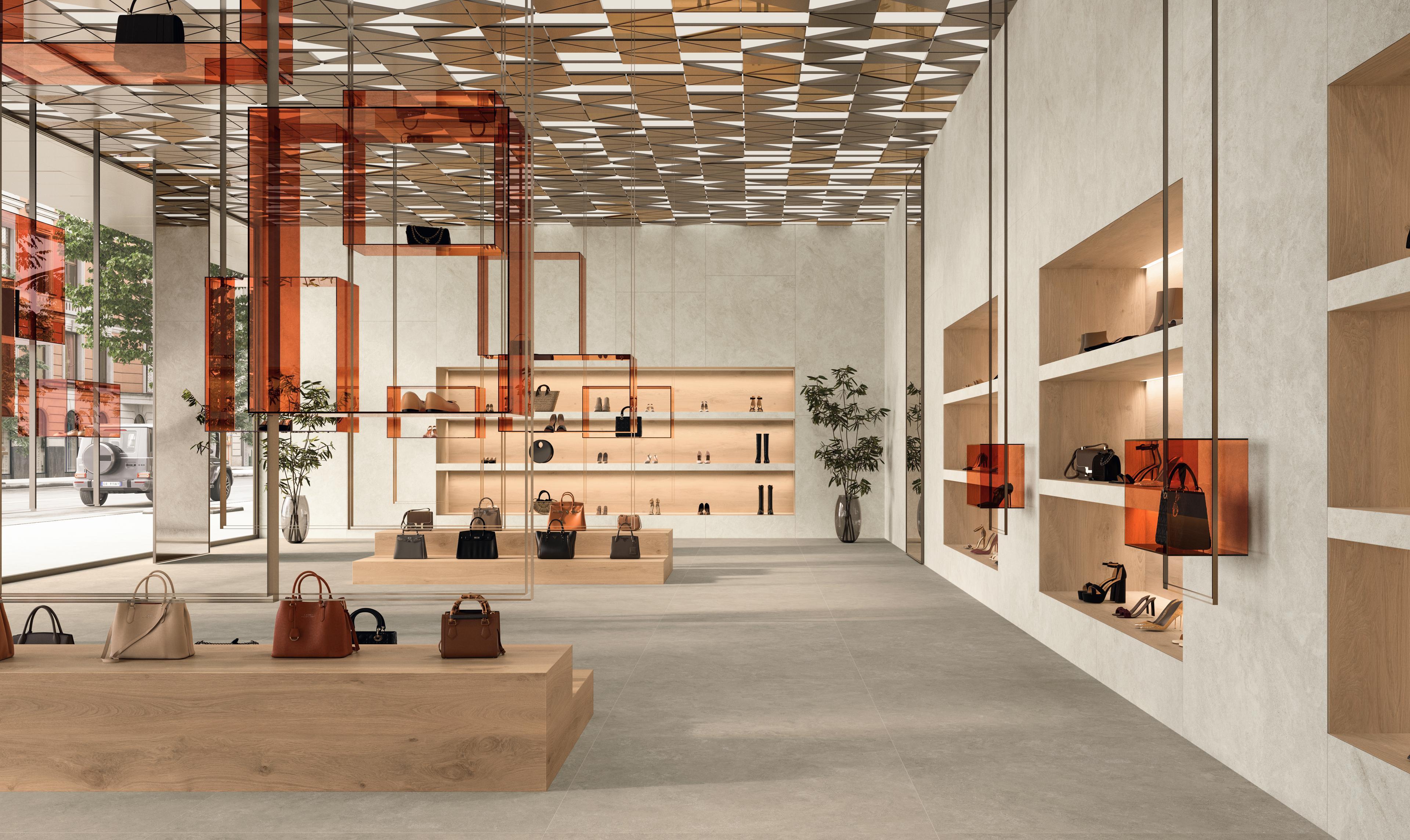
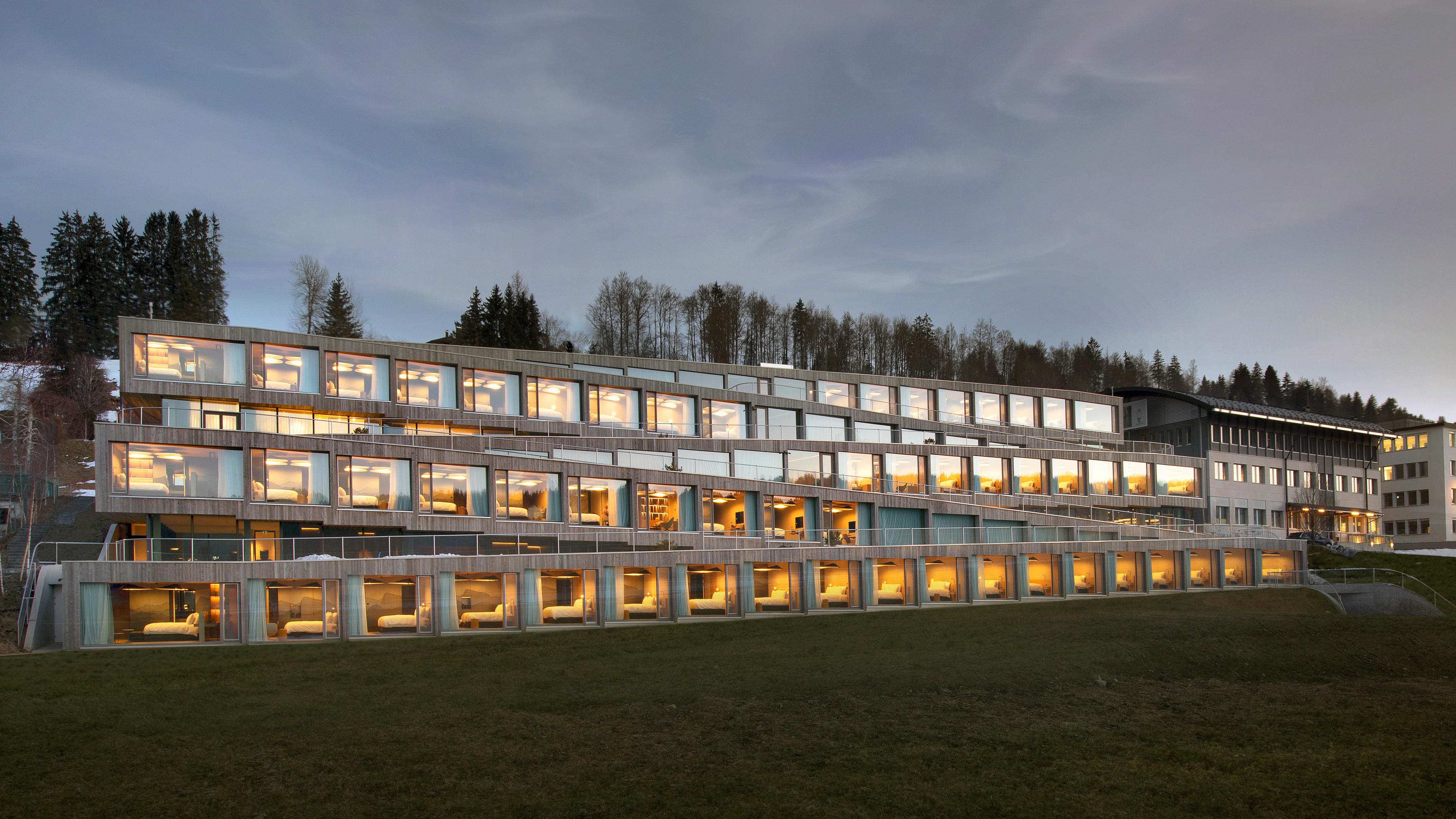
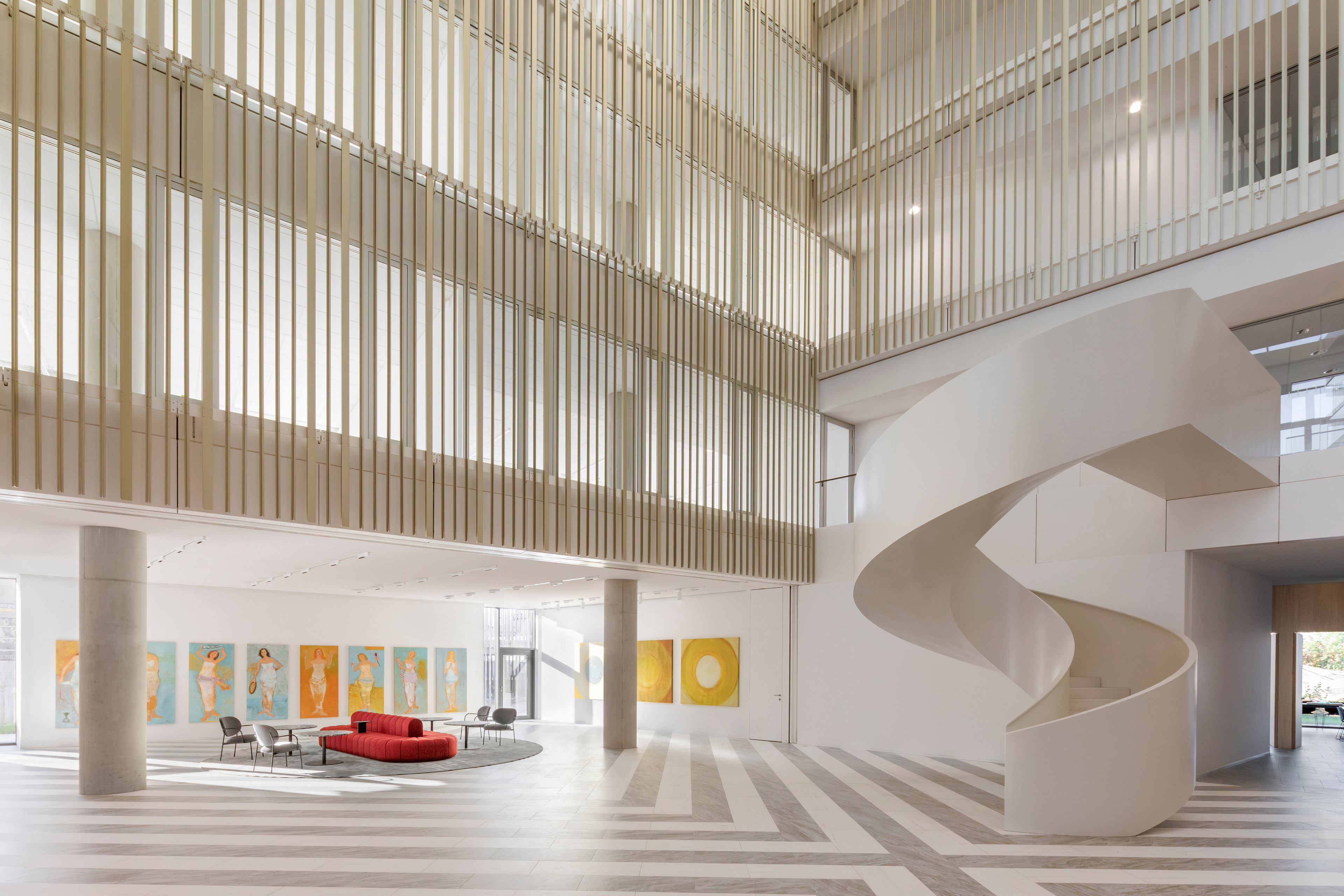
In hospitality and contract work, the wall covering assumes a more explicitly identity-bearing role: receptions, lounges, dining areas and guest rooms call for surfaces capable of building atmosphere, recognisability and continuity with the concept of the space. In this direction, Marvel T interprets travertine through a contemporary, material reading, with three-dimensional surfaces designed by HBA that amplify the dialogue between texture and light. In retail, the wall contributes directly to the customer experience: the charm of the Testoni Boutique in Milan recounts how the large marble-effect Marvel Shine slabs, in the Calacatta Prestigio shade, can sustain an elegant image consonant with the identity of the brand.

Contact Us

Please select one of the categories below