













Choosing non-slip outdoor flooring means relating the performance declared for the product to the real conditions of use. The presence of water, gradients, traffic intensity, the type of footwear and the frequency of cleaning all affect the risk of slipping. For designers, general contractors and real estate operators, the selection must therefore start from the intended use and continue with a check of classifications, technical data sheets and the installation system.
Trend
Non-slip outdoor flooring: how to choose it
20 October 2026
Non-slip flooring: which conditions affect the choice
Designing slip-resistant floor tiles for outdoor use cannot be entrusted to a single parameter. A terrace exposed to the weather, a portico, a public walkway and a pool edge present different conditions, even when they belong to the same project.
It is necessary to assess the occasional or continuous presence of water, gradients, expected traffic and modes of movement, distinguishing surfaces used in footwear from those walked barefoot. Maintenance also affects the choice: the texture must offer the required grip while remaining compatible with the type of soiling and the frequency of cleaning.
The objective is not the highest class in absolute terms, but the right one for the context: safety calibrated, not maximized regardless. Safety and aesthetics can thus be coordinated through finishes that differ yet remain visually consistent.

Slip resistance classifications: how to interpret the values
The slip resistance of surfaces is assessed through experimental tests carried out under standardized conditions. Each method simulates a specific mode of use and returns its own indicator: the results are therefore not directly interchangeable.
R classes and classes A, B and C
The R9 to R13 classes are determined by means of a test on an inclined ramp walked in standardized footwear and in the presence of a lubricant. The angle reached before walking can no longer safely continue defines the class of the surface. A higher value indicates greater slip resistance under the conditions set by the test, but it does not automatically determine the suitability of the surface for a specific environment. The class must be assessed in relation to the intended use, the presence of water, the gradient, traffic and applicable requirements.
The A, B and C classes, by contrast, concern wet areas walked barefoot. The test is carried out on a wet ramp and applies in particular to changing rooms, showers, spas, pool edges and ramps. The two scales cannot be converted automatically, because they describe different contact conditions.
The BCRA method and the Pendulum Test
The BCRA method measures the coefficient of friction of the flooring and is referred to in Italy by Ministerial Decree 236/1989 in the fields governed by that decree. The Pendulum Test instead uses a swinging arm with a rubber slider and returns the PTV value.
Here too there is no direct conversion with the R or A/B/C classes. The specification must therefore state the test method, dry or wet conditions, the required threshold and the slip resistant flooring regulations of the reference market, avoiding generic requests such as “slip-resistant flooring to standard”.
Which slip resistance performance to choose according to intended use
A single finish does not necessarily meet the needs of every area of the project. It is therefore advisable to divide the space into homogeneous zones and to assess, for each one, the presence of water, the gradient, traffic intensity, modes of movement and maintenance requirements.
Covered and uncovered outdoor areas and driveway areas
Terraces, squares and uncovered walkways are exposed to rain, frost and the accumulation of residues, while porticoes and loggias, although more sheltered, may be affected by water coming from outside or by frequent passage. The required performance must therefore be defined in relation to the actual conditions of each zone and verified on the individual product.
In driveway areas, slip resistance is only one of the requirements to consider. Thickness, size, substrate, adhesive, load distribution and installation method together determine the behavior of the paving. Increased thicknesses widen the range of applications, but drive-over suitability must be verified against the planned build-up; dry installation on grass, gravel or raised supports generally remains intended for pedestrian traffic.
Swimming pools, wellness areas and spaces open to the public
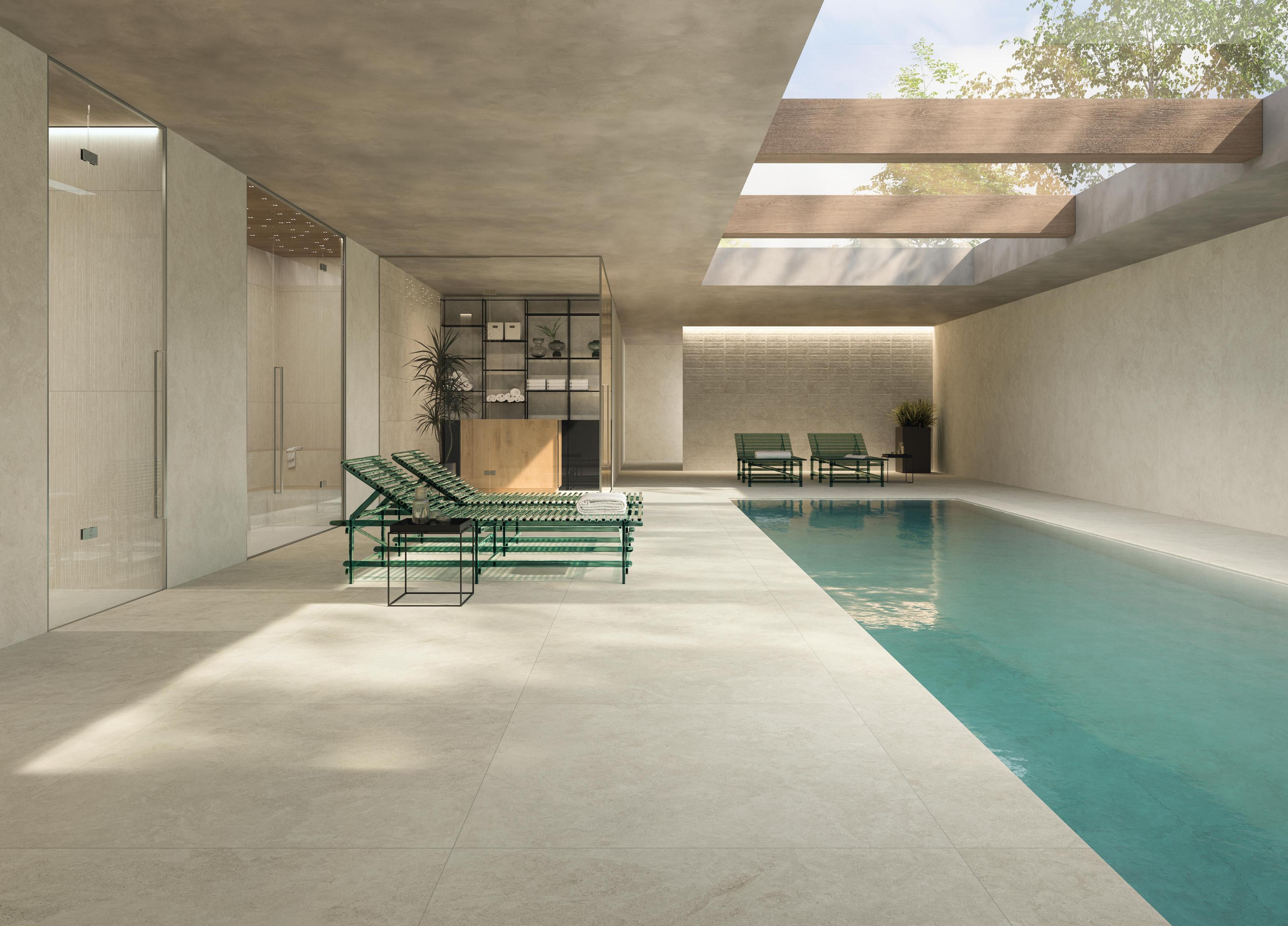
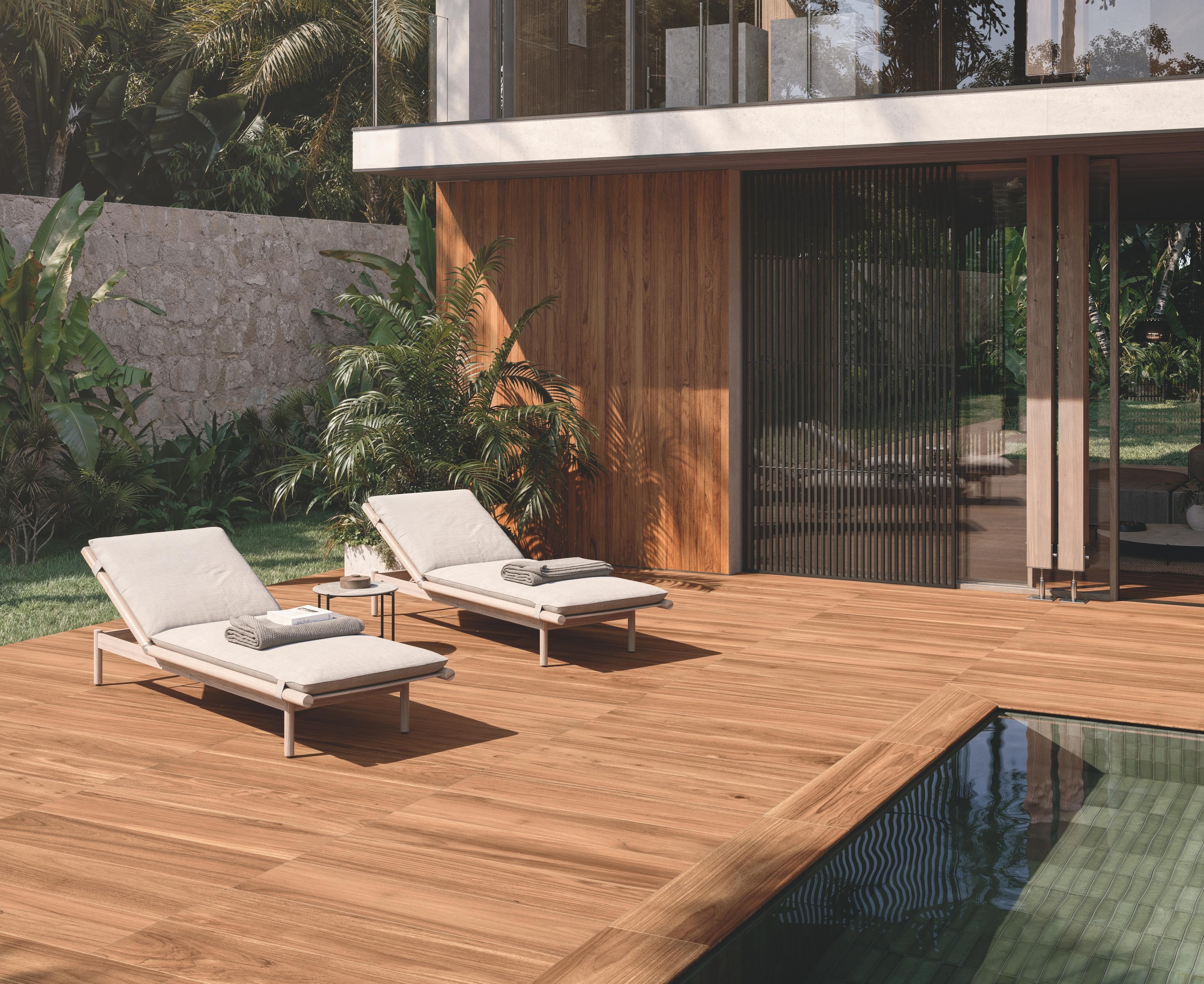
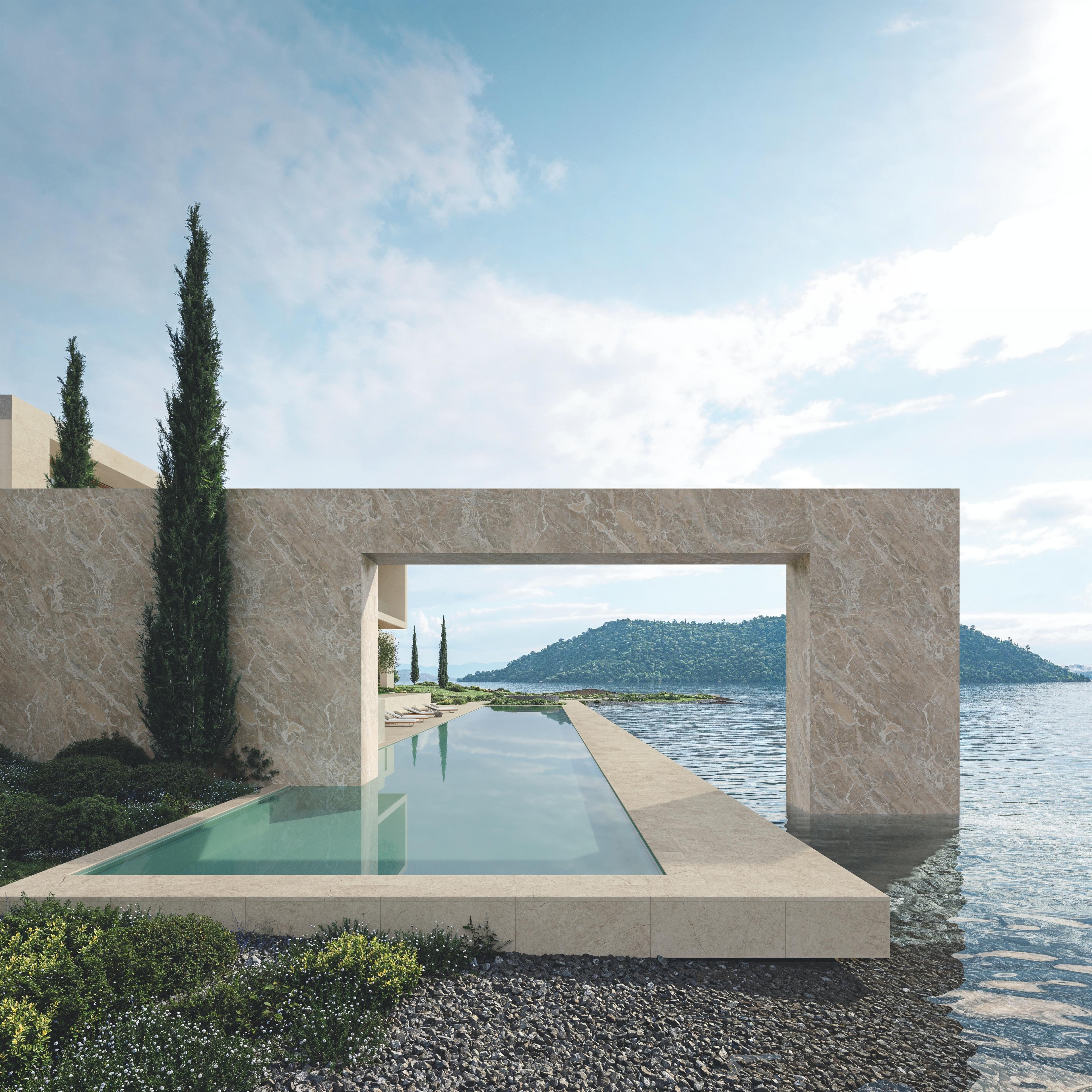
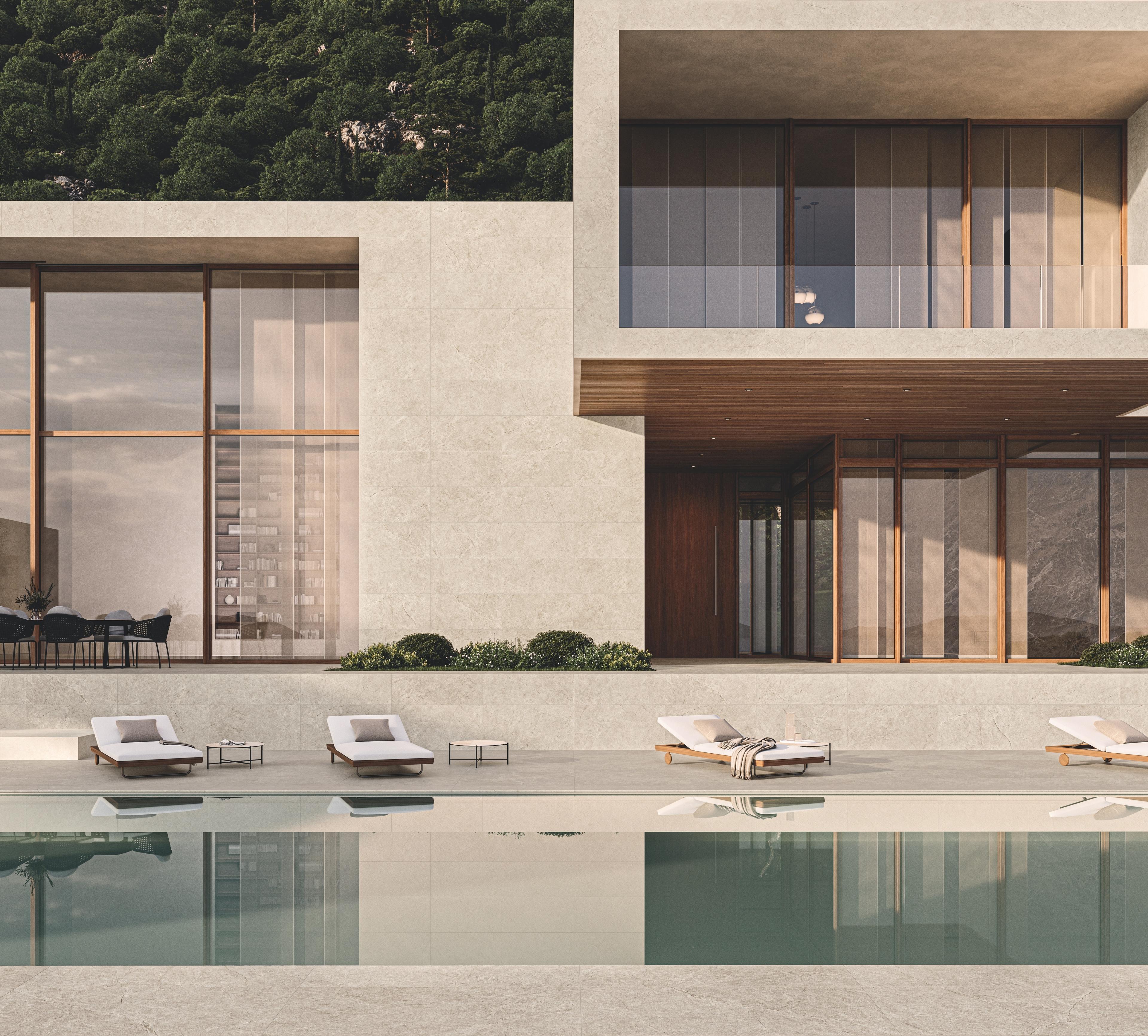
Choosing non slip swimming pool tiles for the outdoor pool area requires distinguishing between the solarium, the pool edge, showers, ramps and connecting paths. Areas walked barefoot must be assessed through classes A, B and C, while the relevant test methods apply in spaces used in footwear.
The same criterion applies to public bathrooms, changing rooms, entrances and high-traffic commercial spaces. In these contexts, slip resistance, accessibility, drainage, cleanability and maintenance must be considered together.


Non-slip surfaces for outdoor areas: porcelain tile
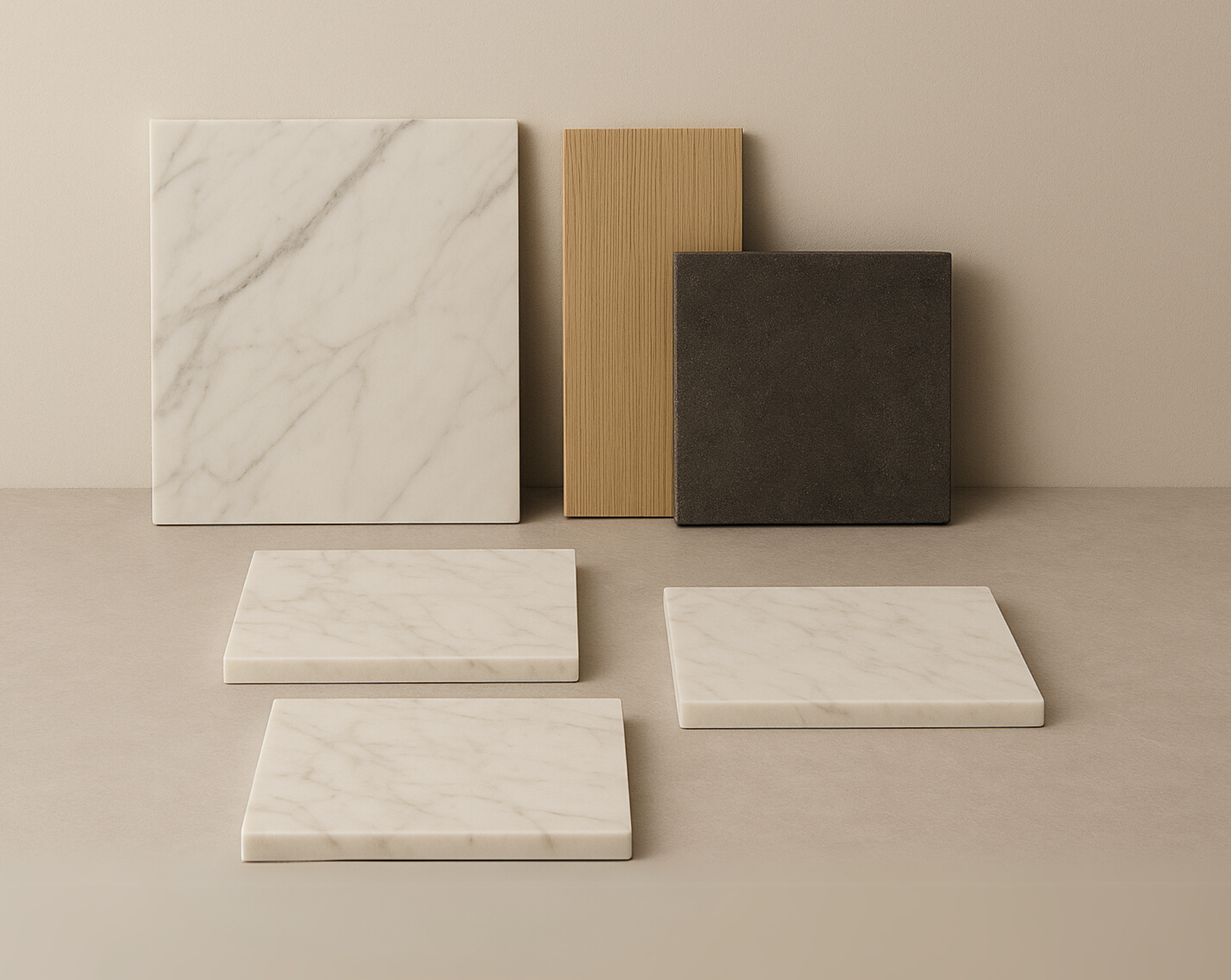
Among the materials used in outdoor spaces, non slip porcelain tiles for outdoor use offer low water absorption, resistance to wear and stability in the face of temperature variation. Finish, size and thickness must nevertheless be selected according to the intended use and the planned installation system.
For uncovered areas, an R11 non-slip porcelain tile, for example, may be among the solutions to consider. The classification must however be verified on the individual item and related to the presence of water, gradients, drainage, traffic intensity and applicable requirements. Thickness, size and installation system also contribute to determining the suitability of the surface for the specific context.
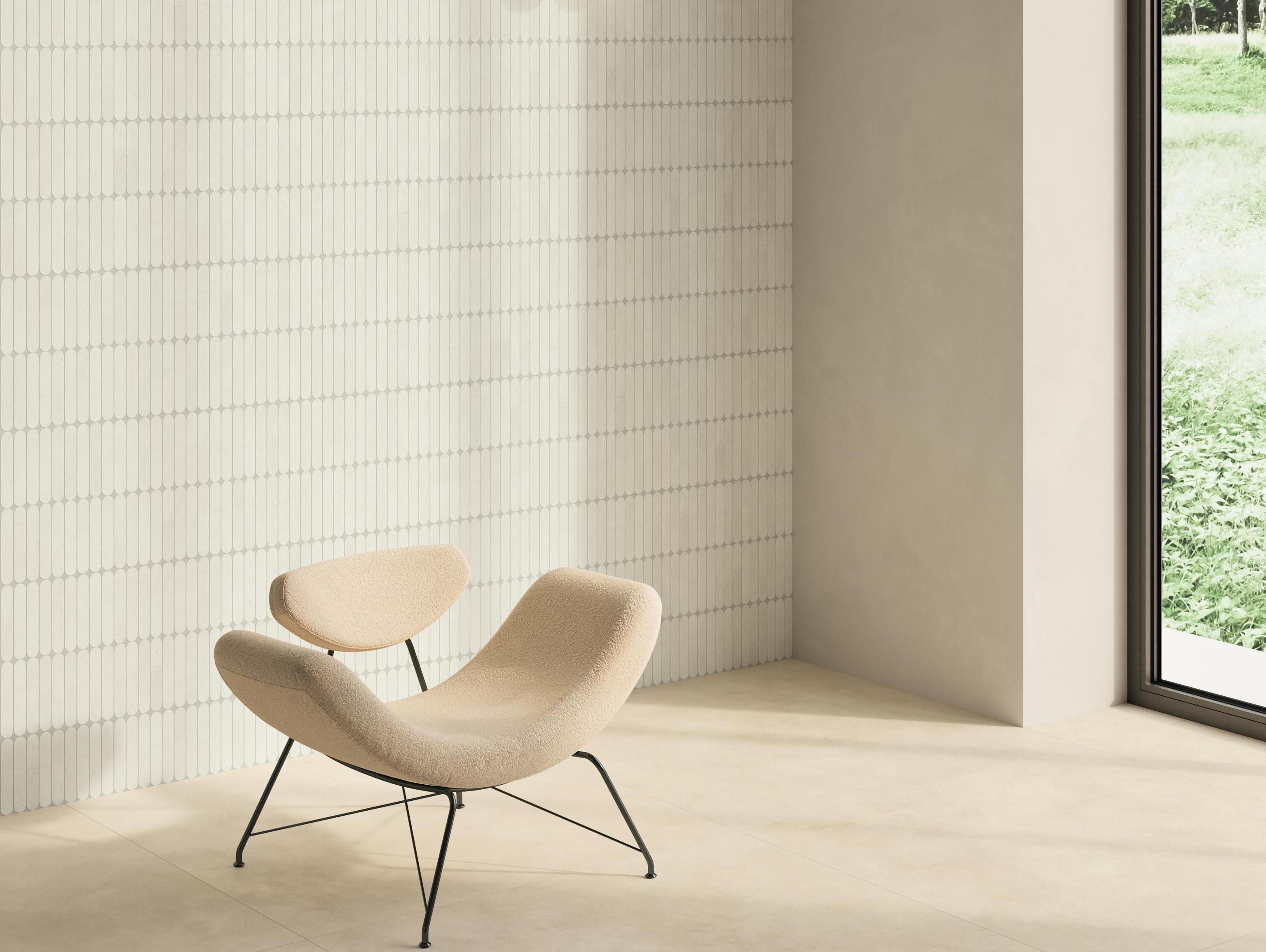
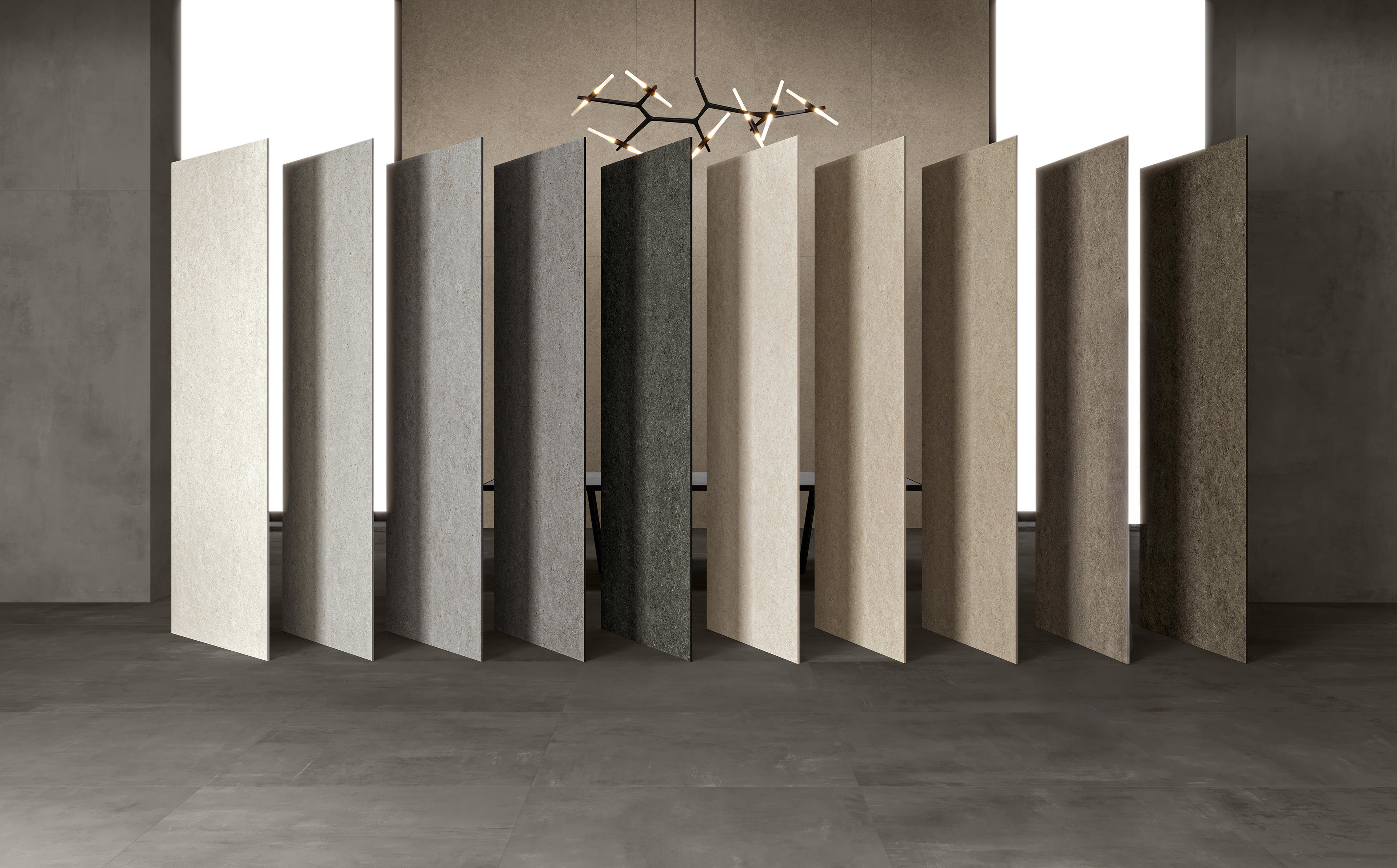
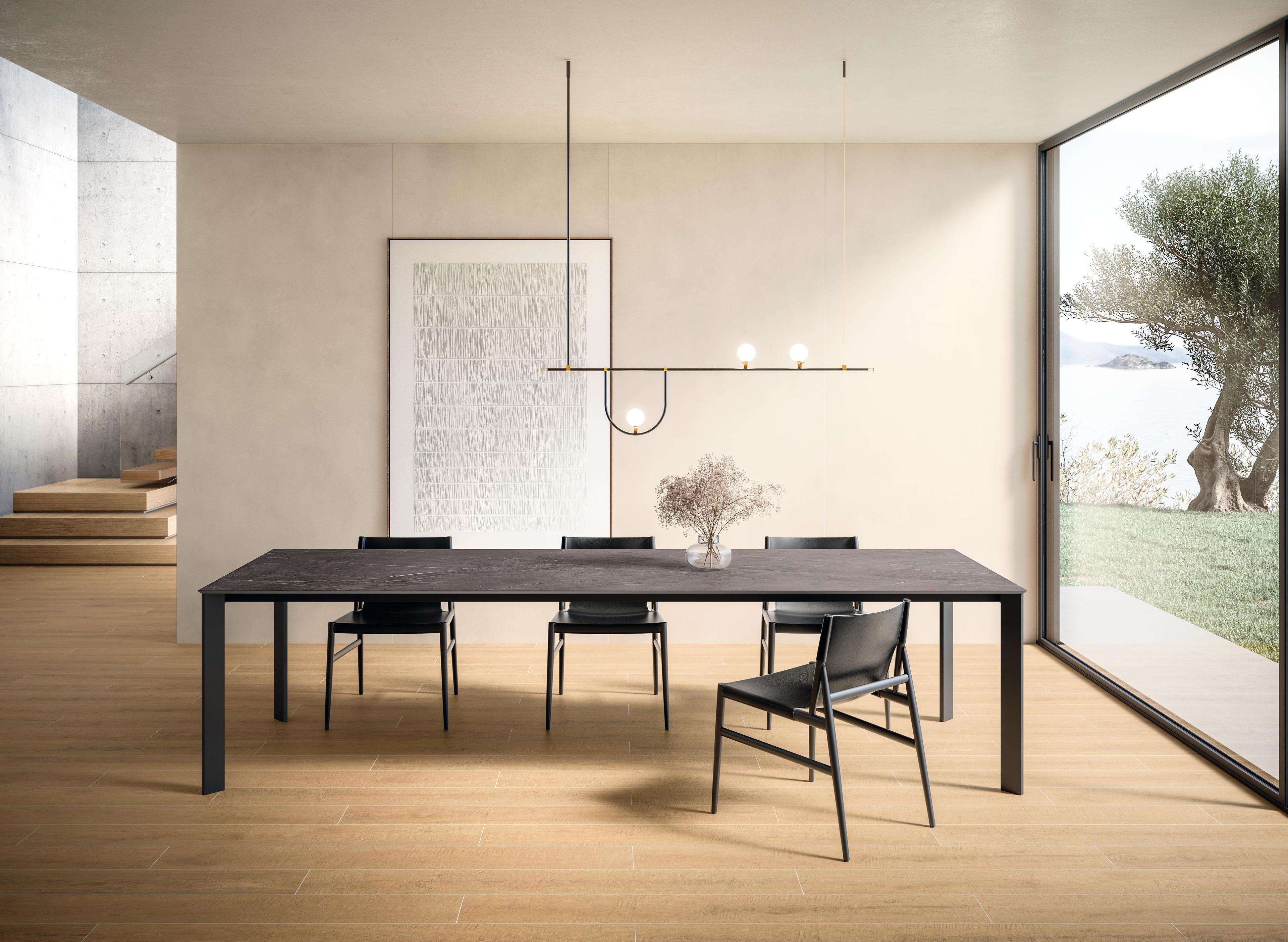
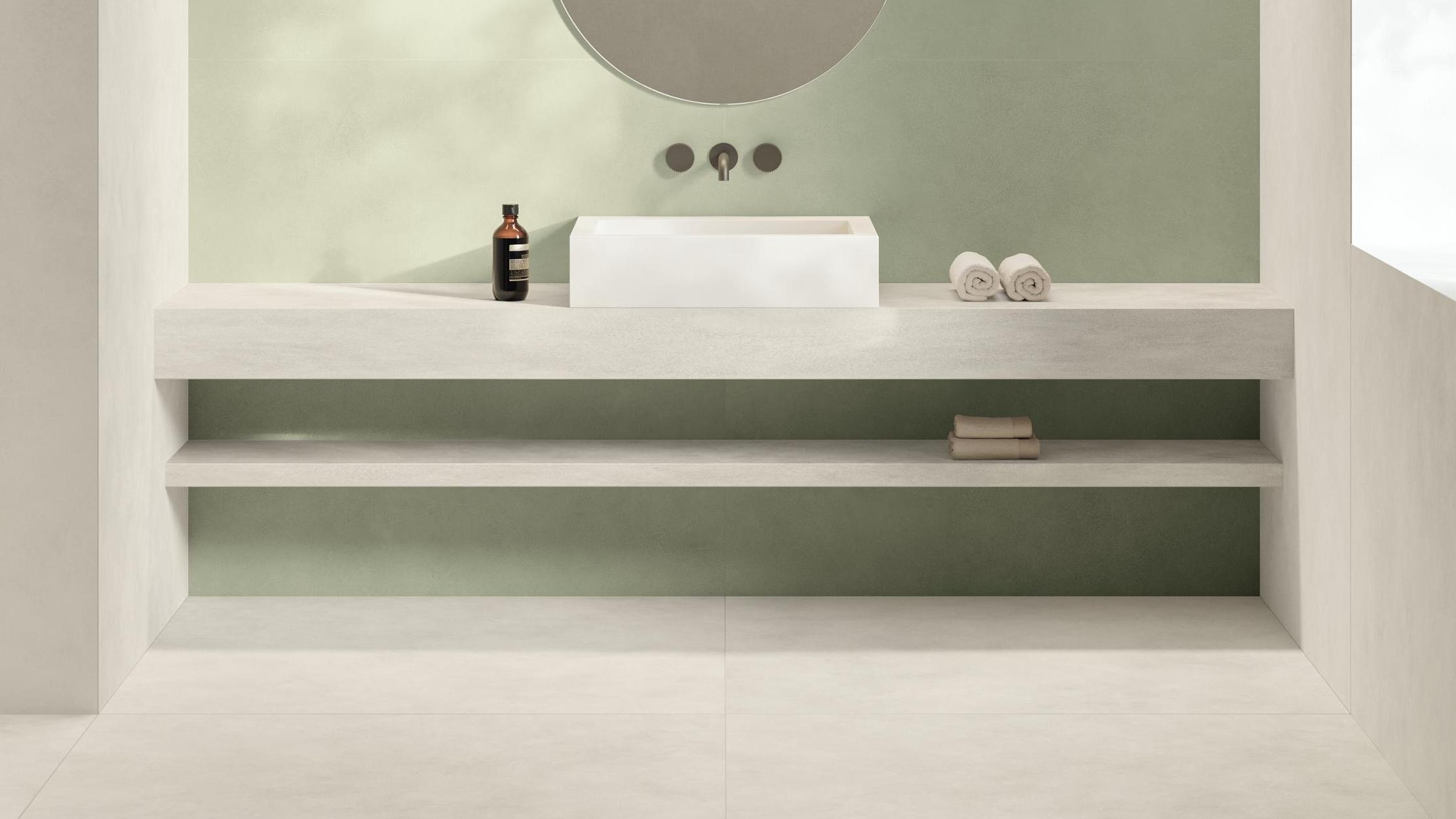
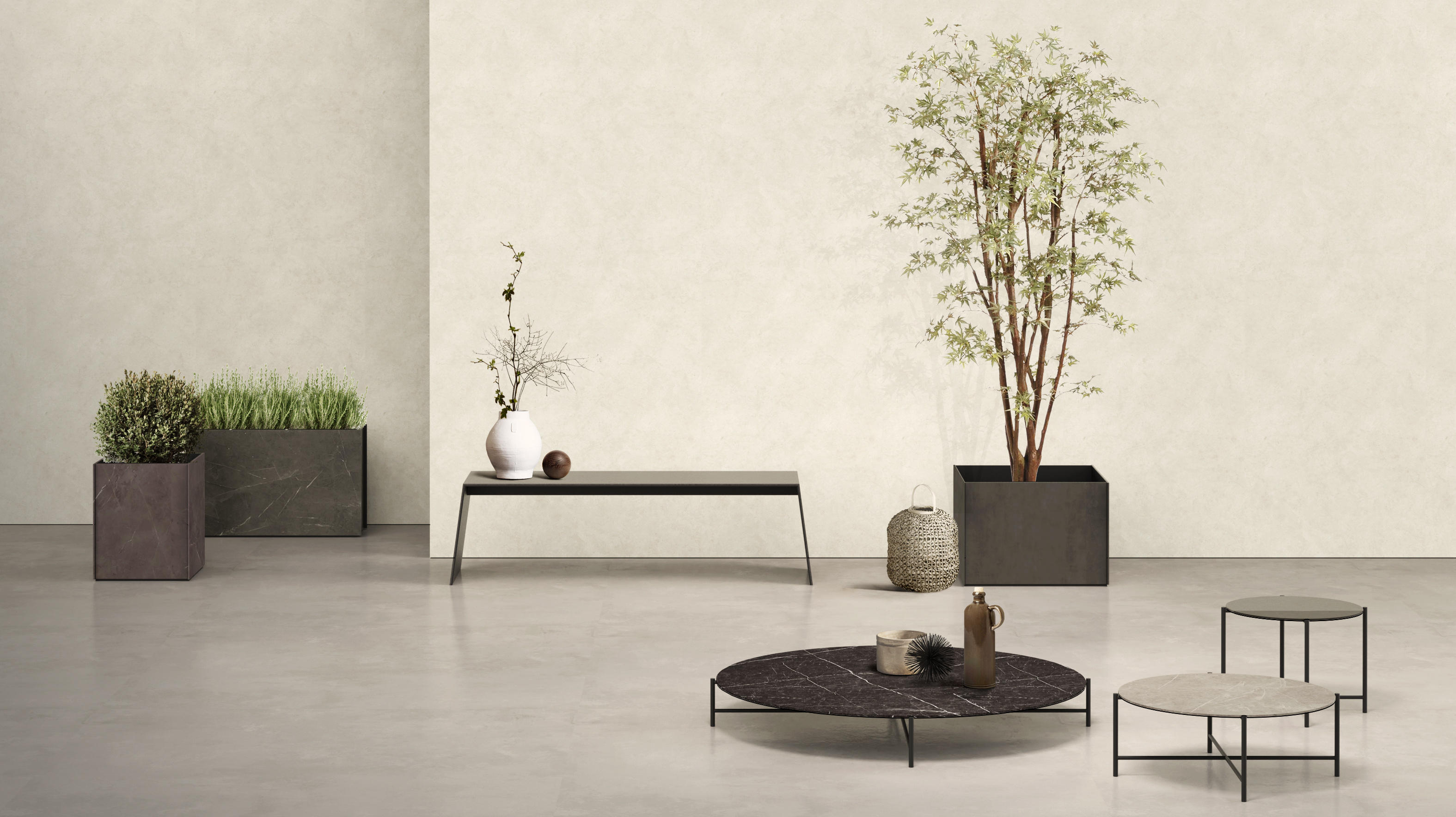
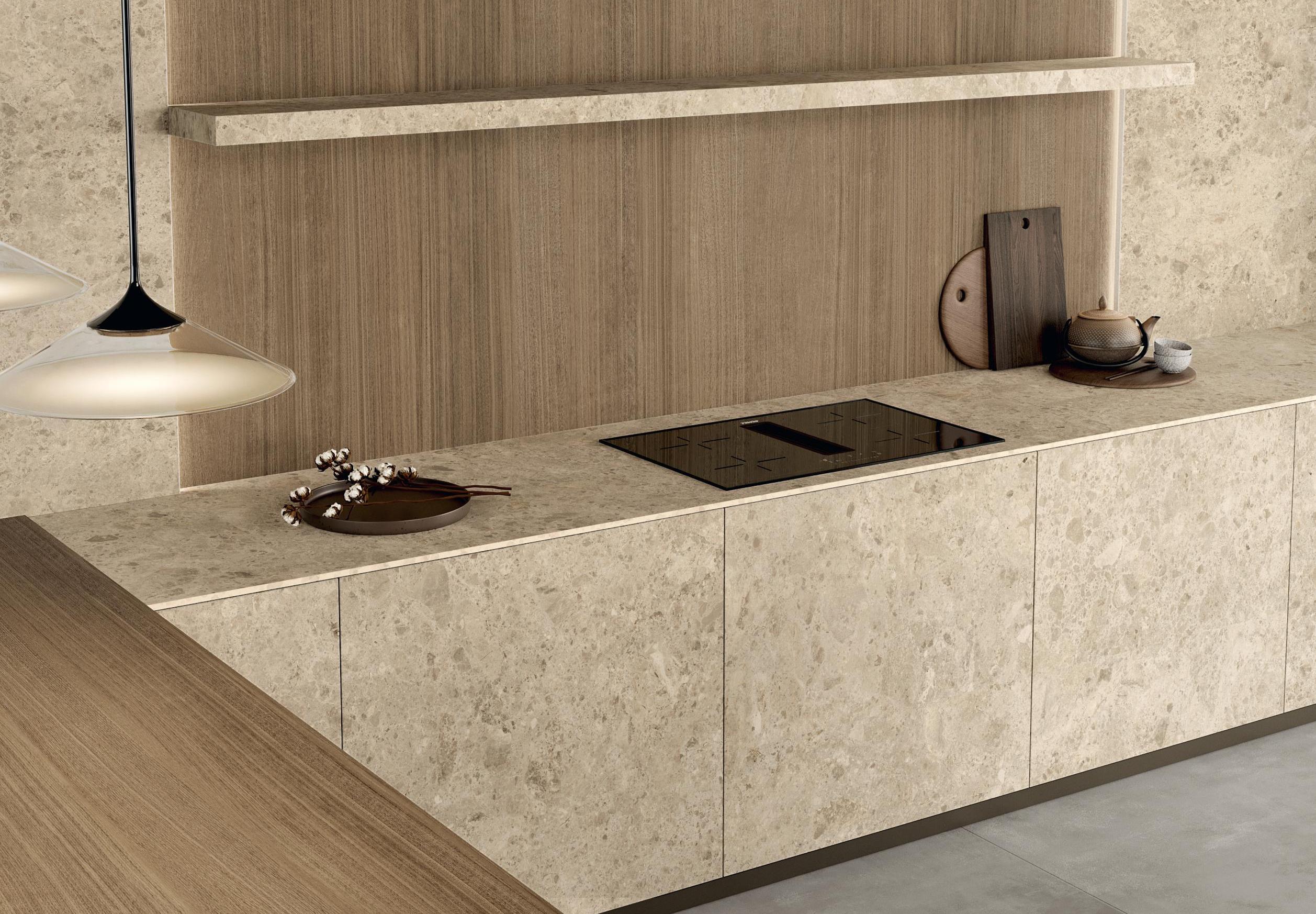
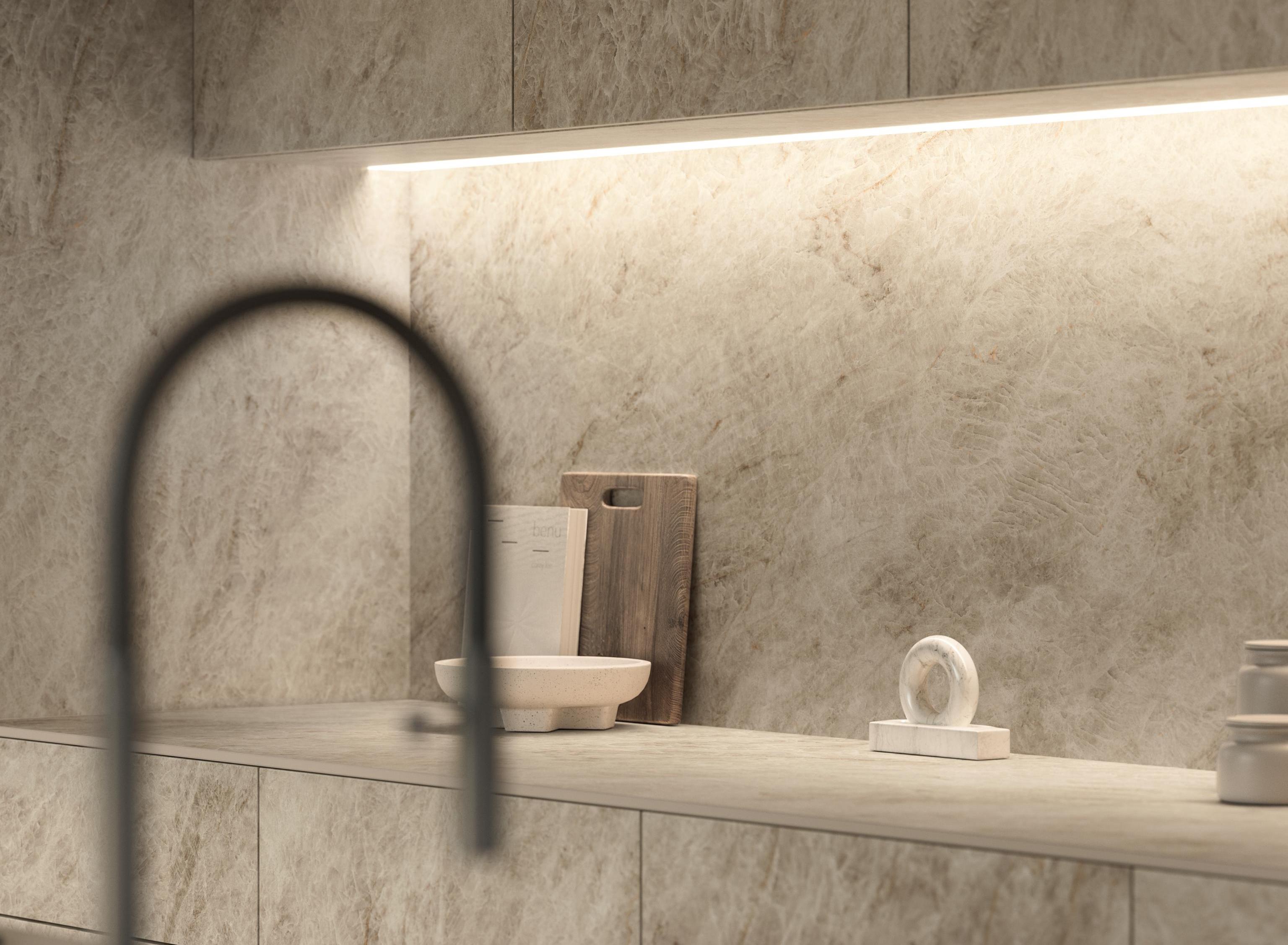
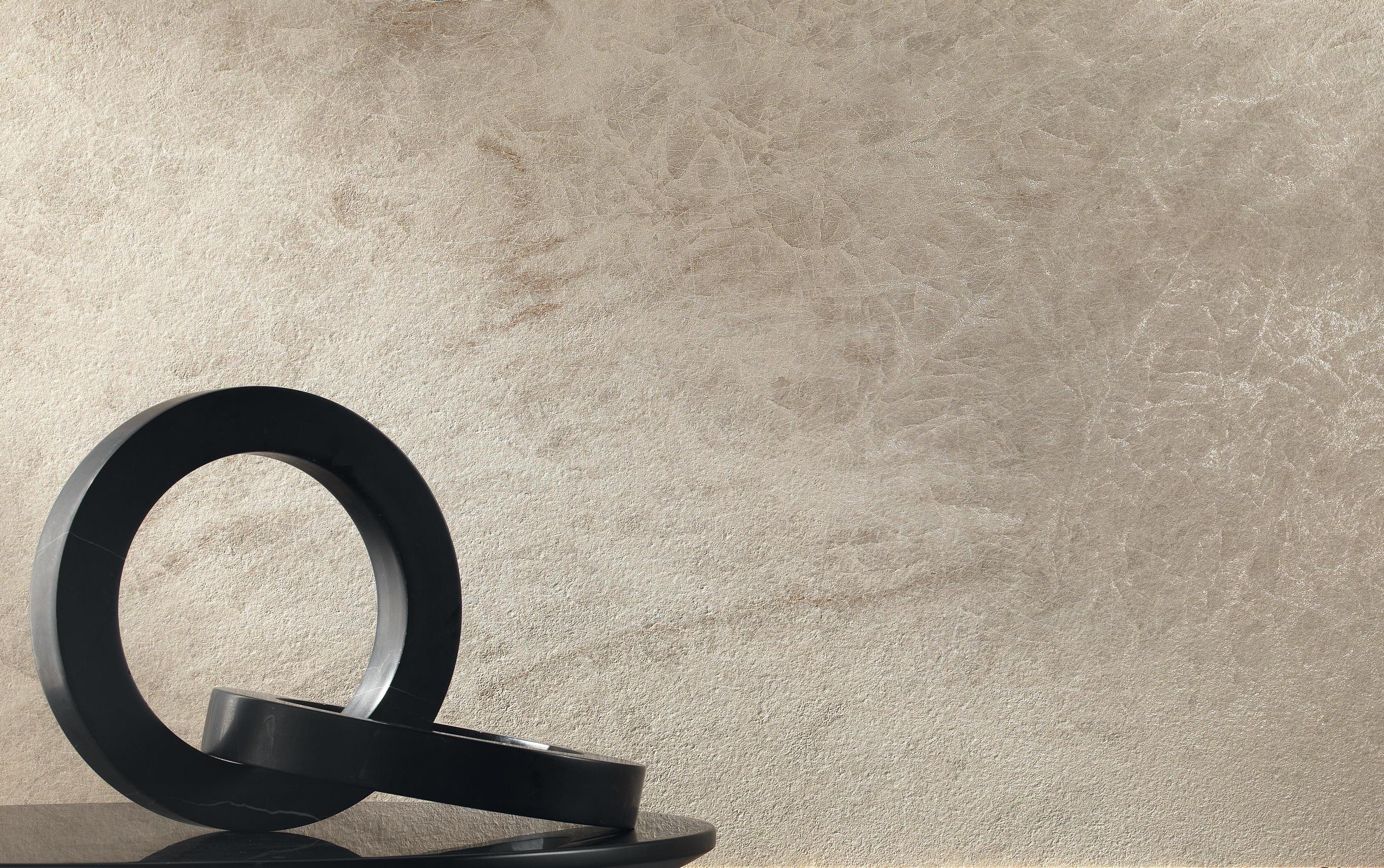
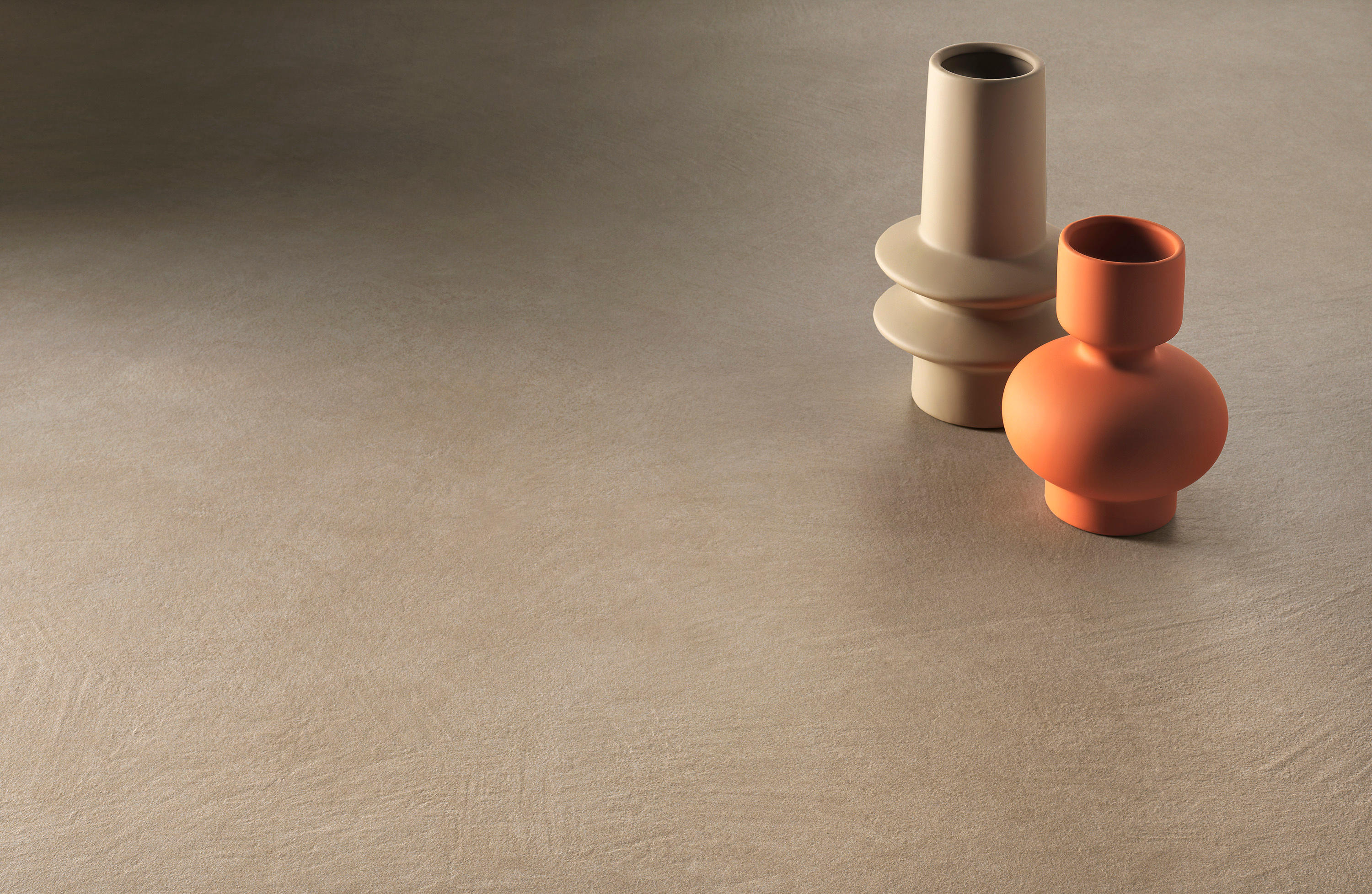
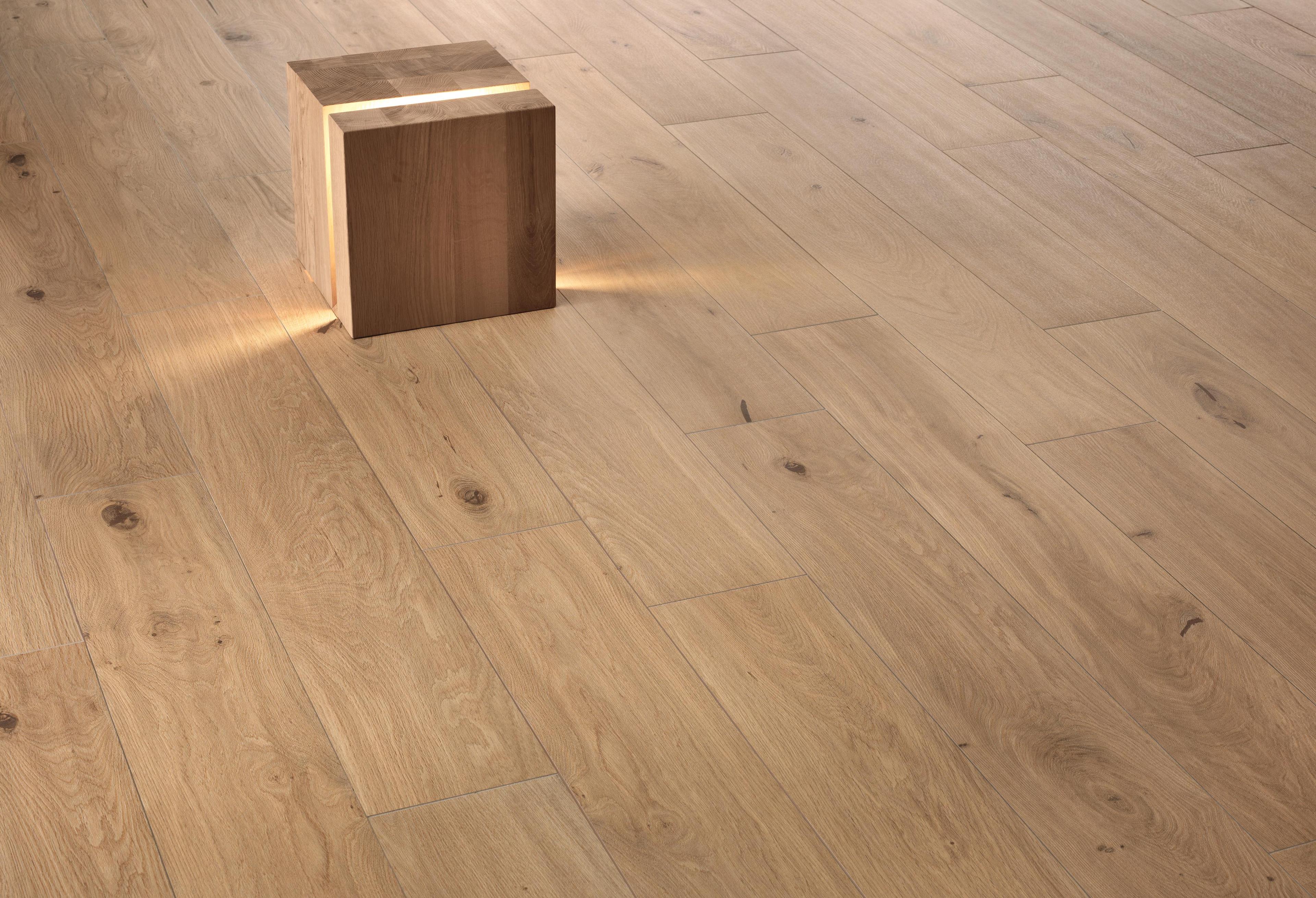
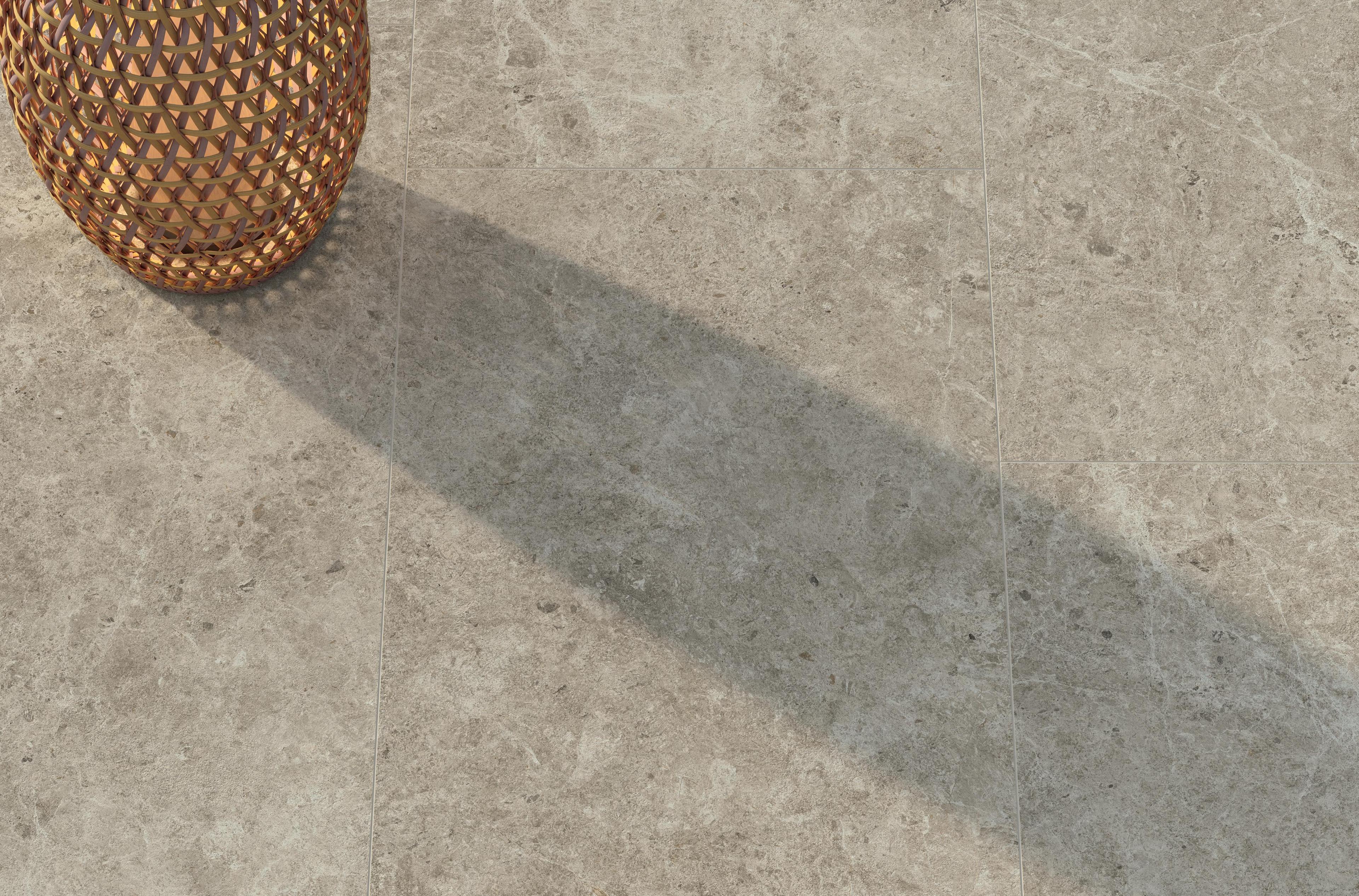
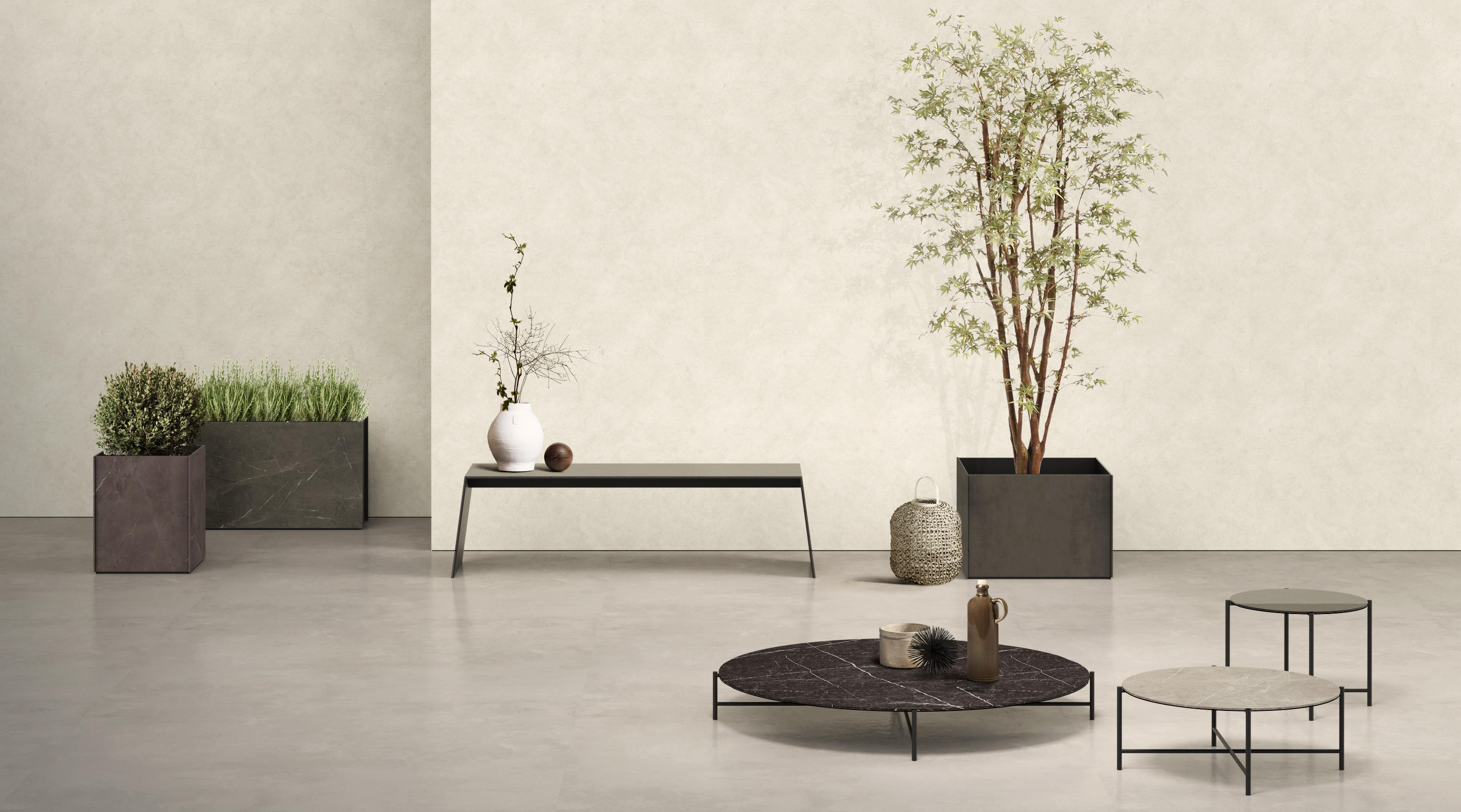
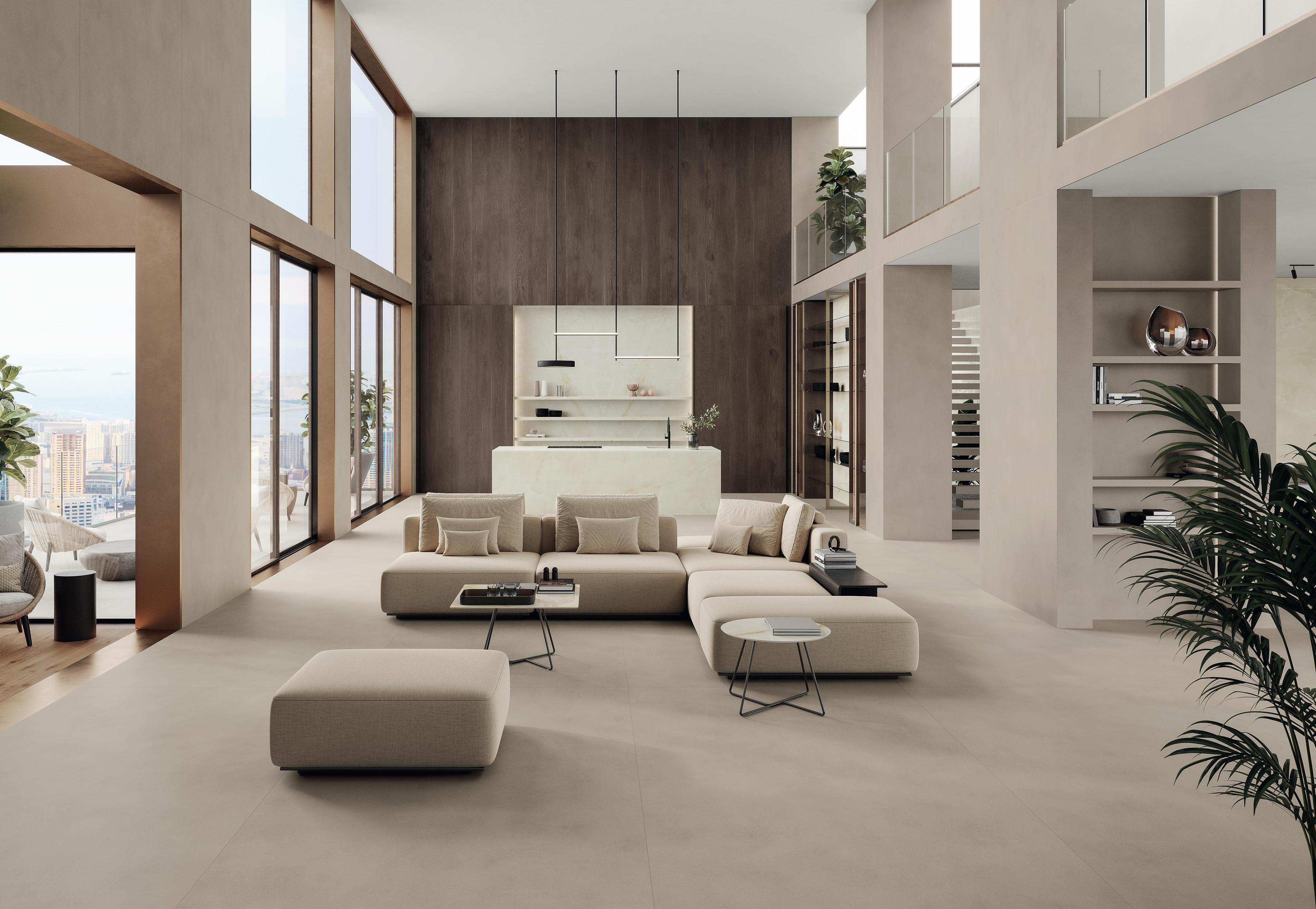
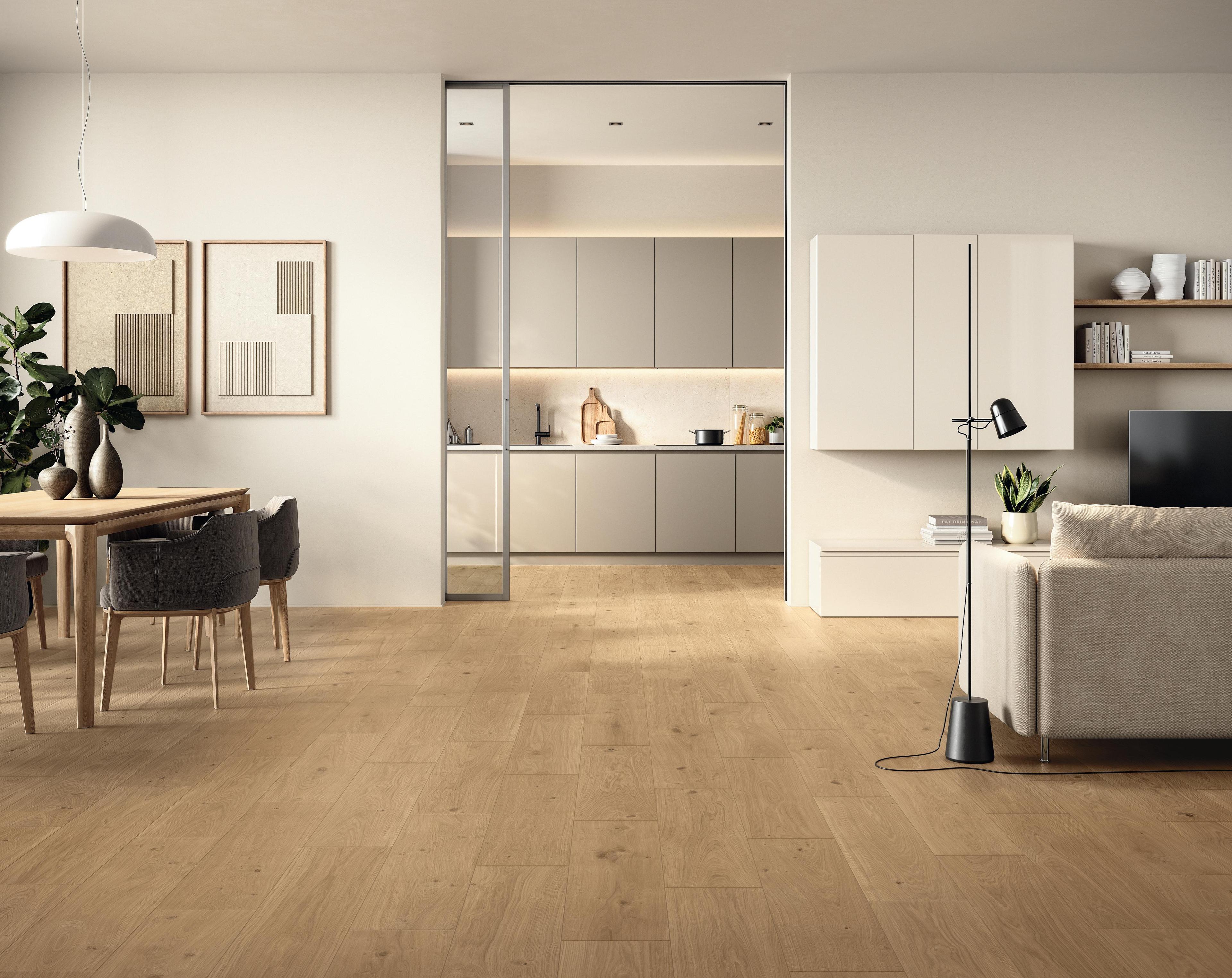
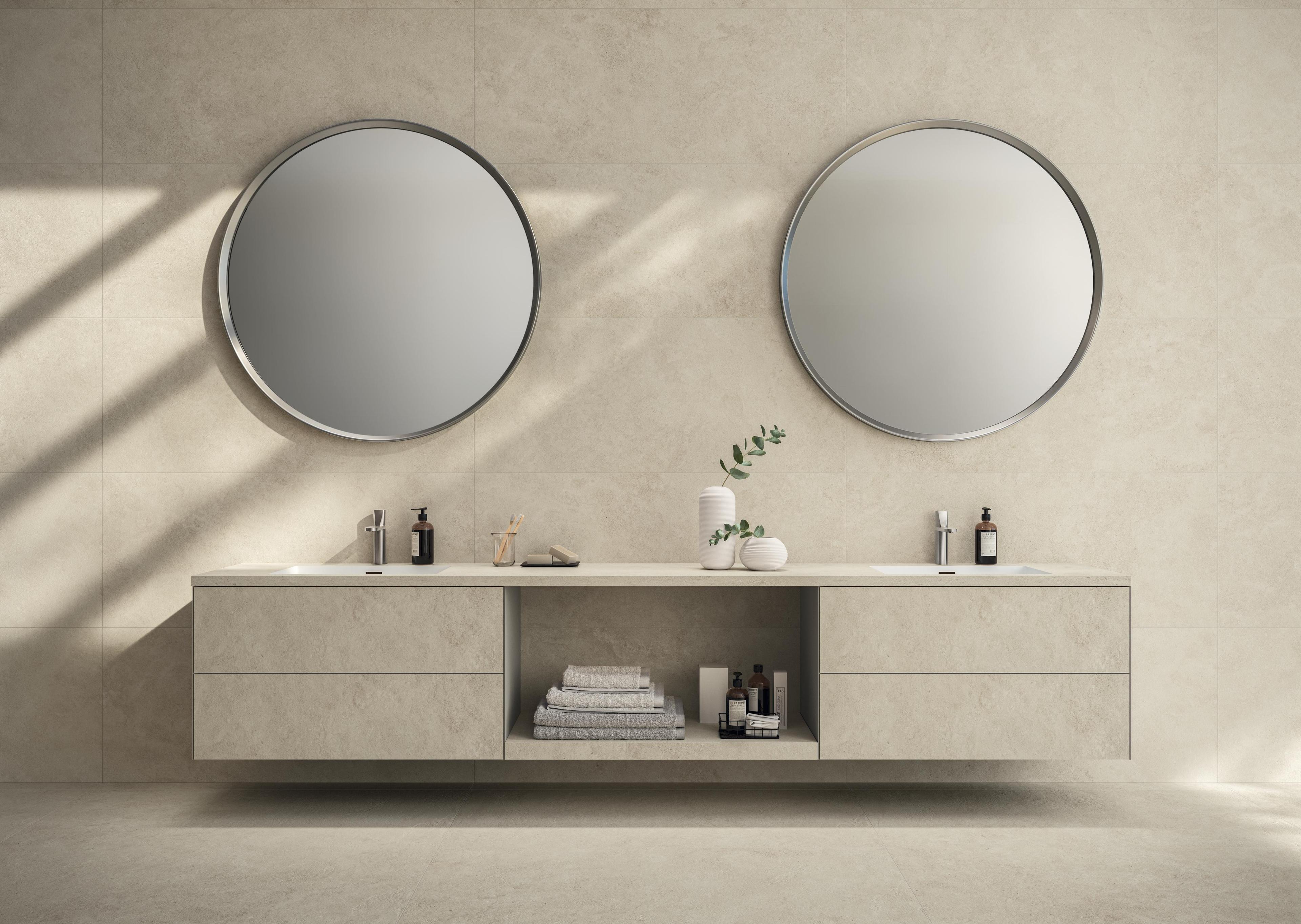
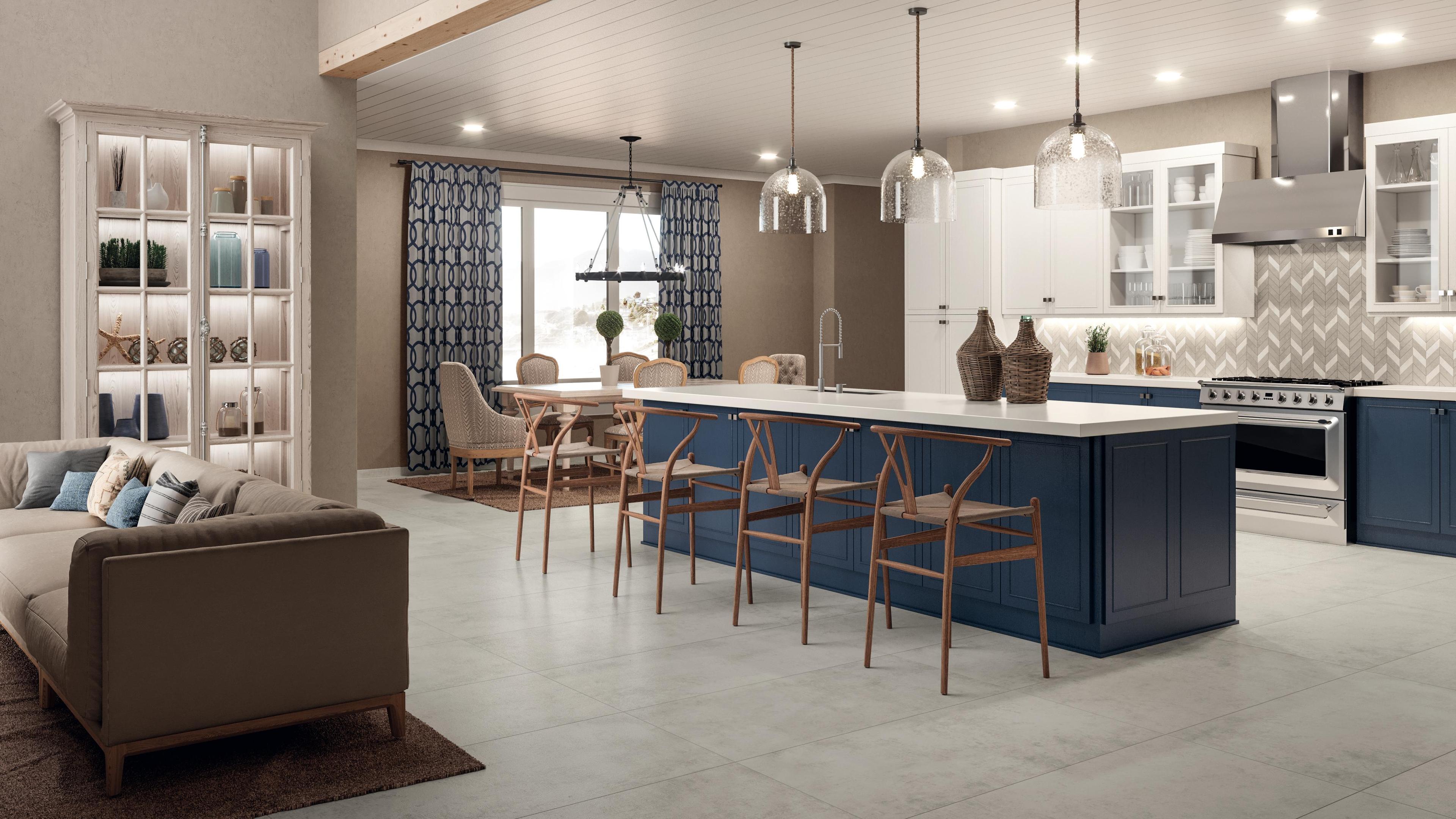
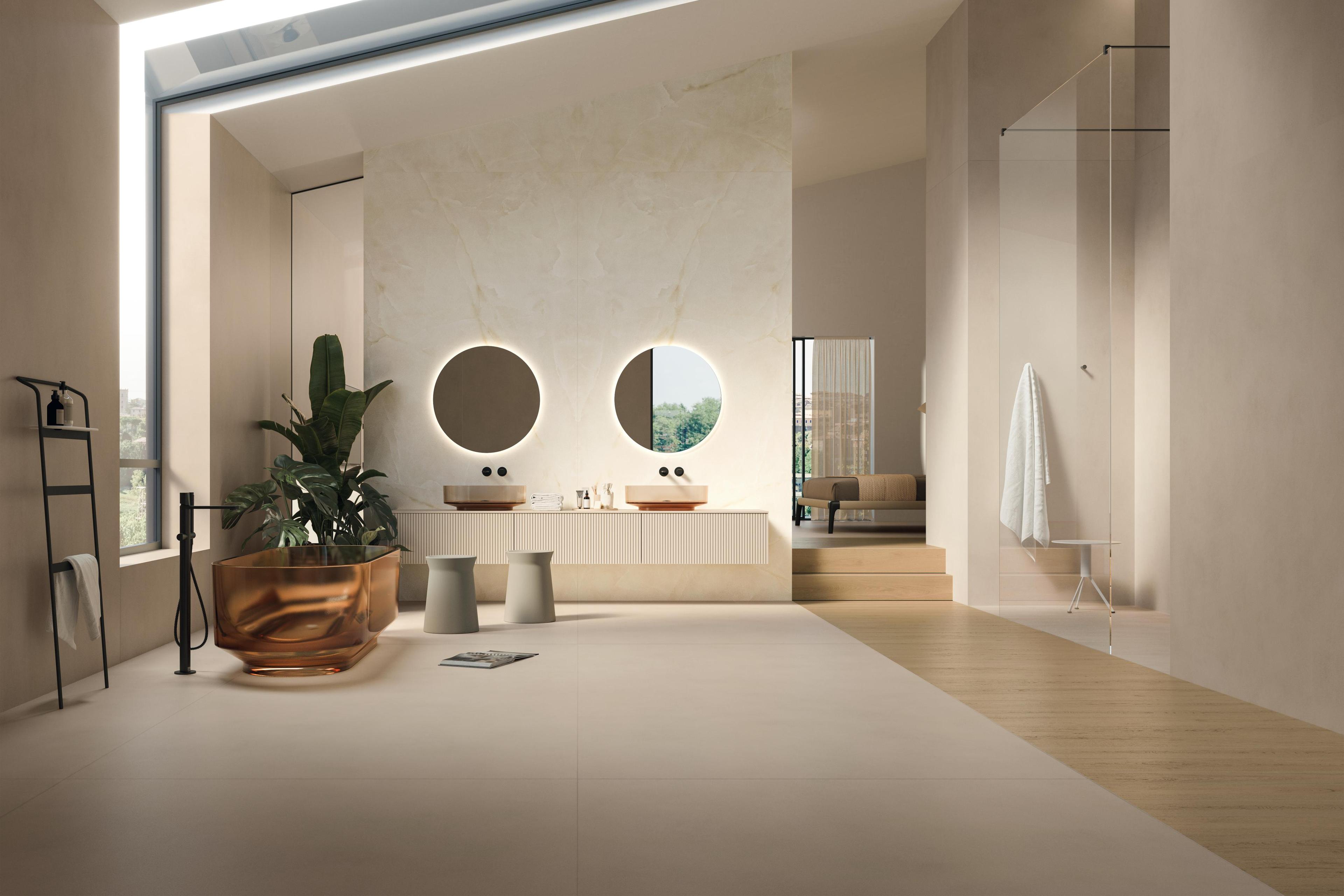
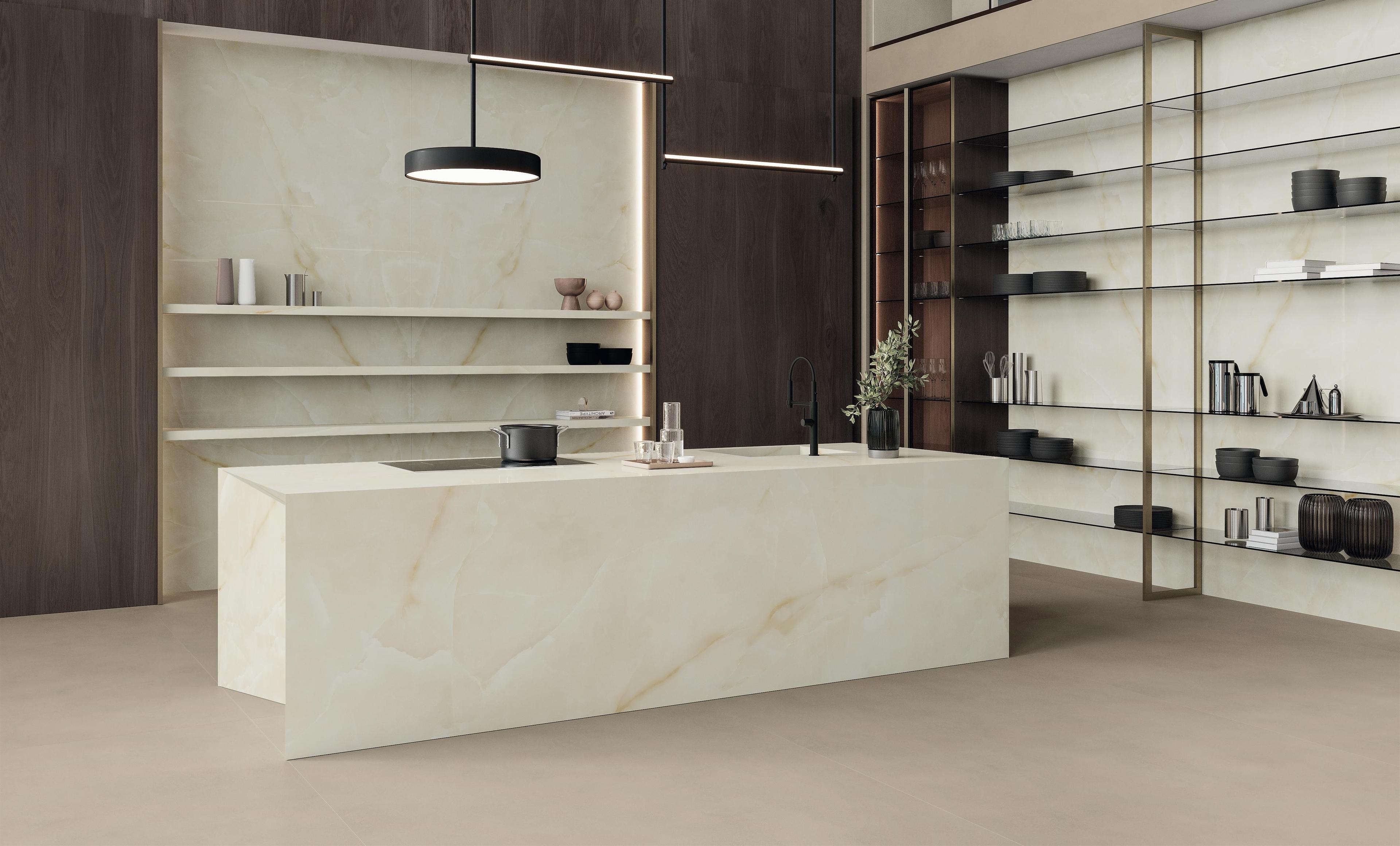
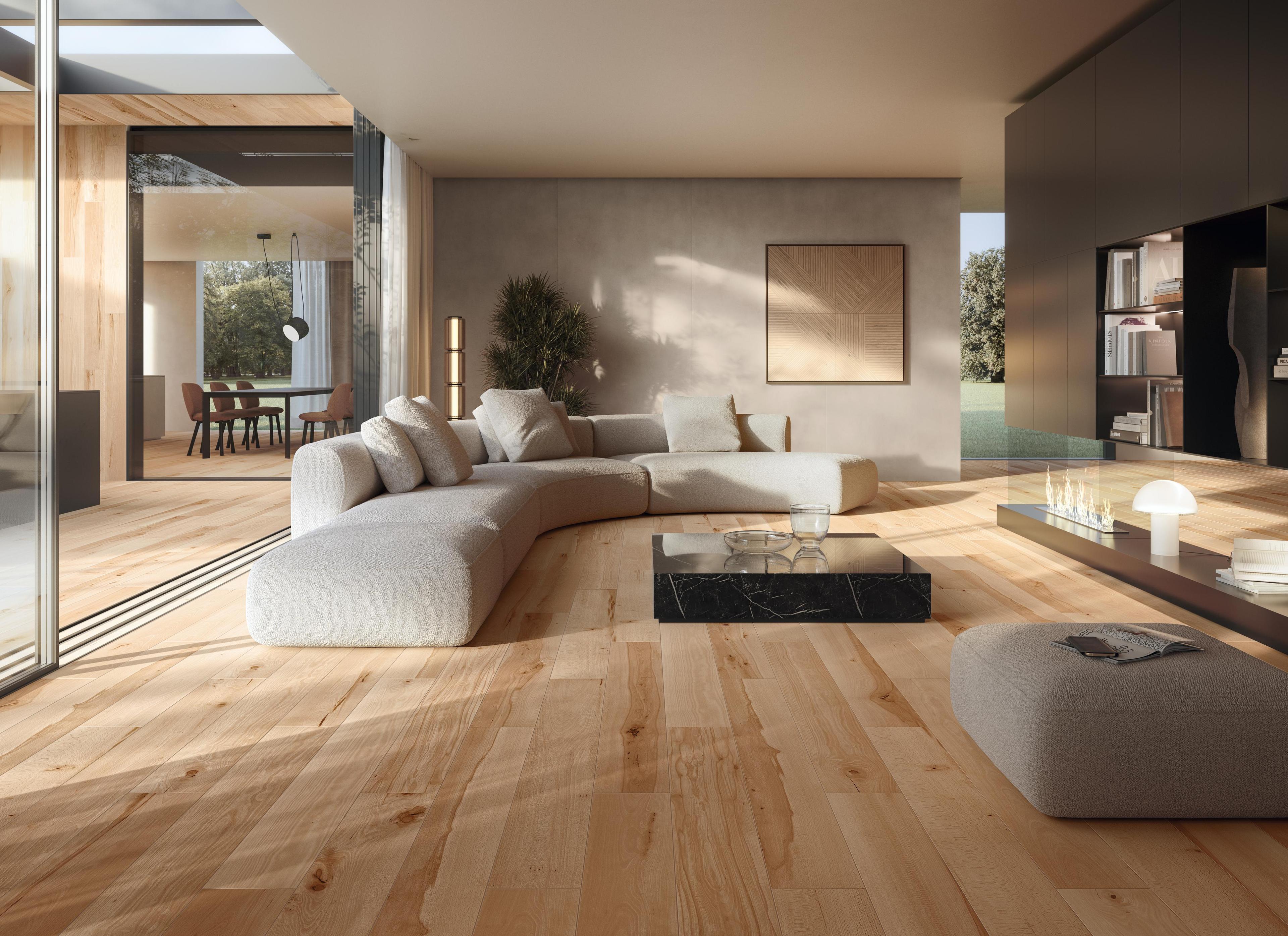
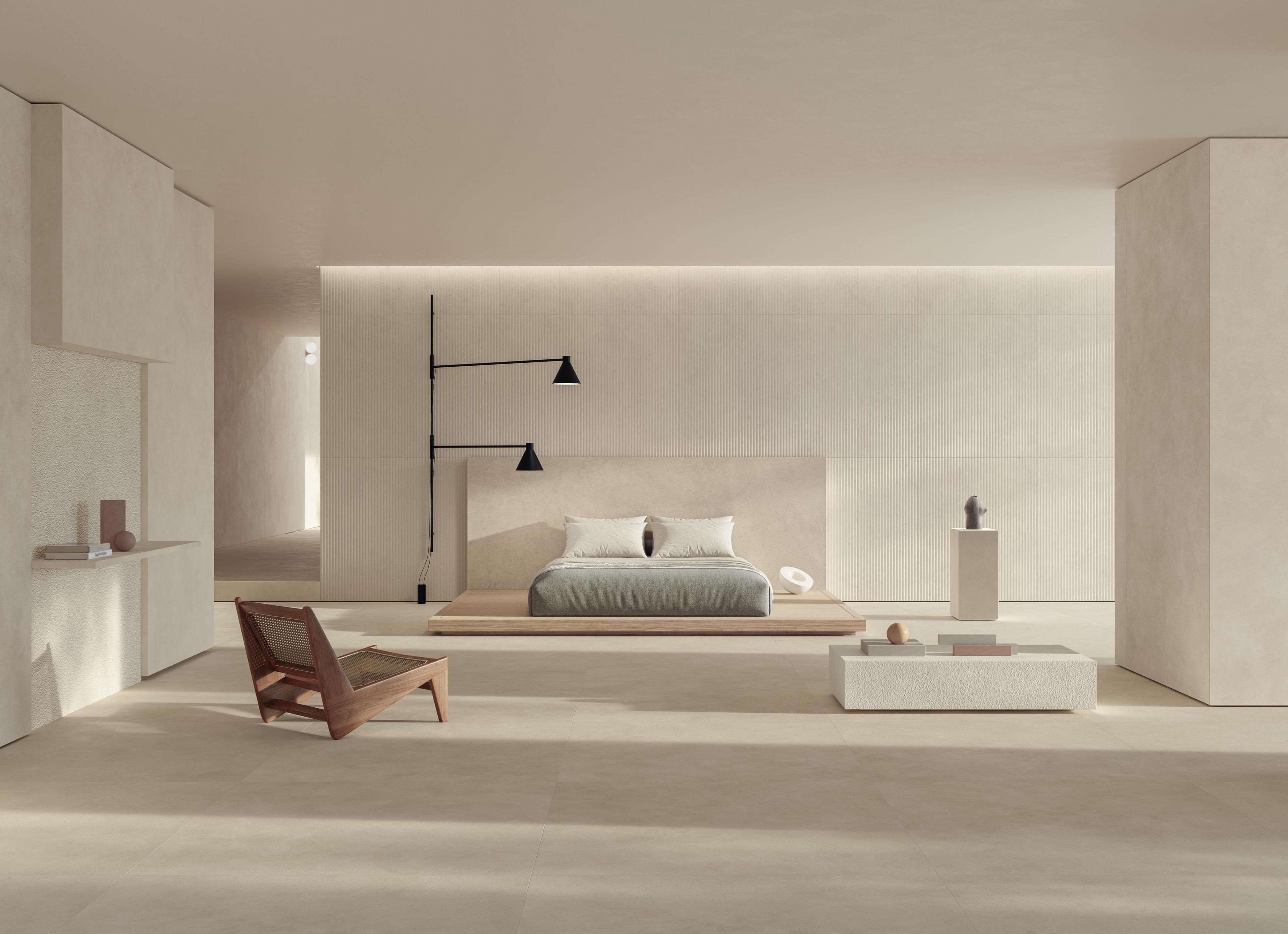
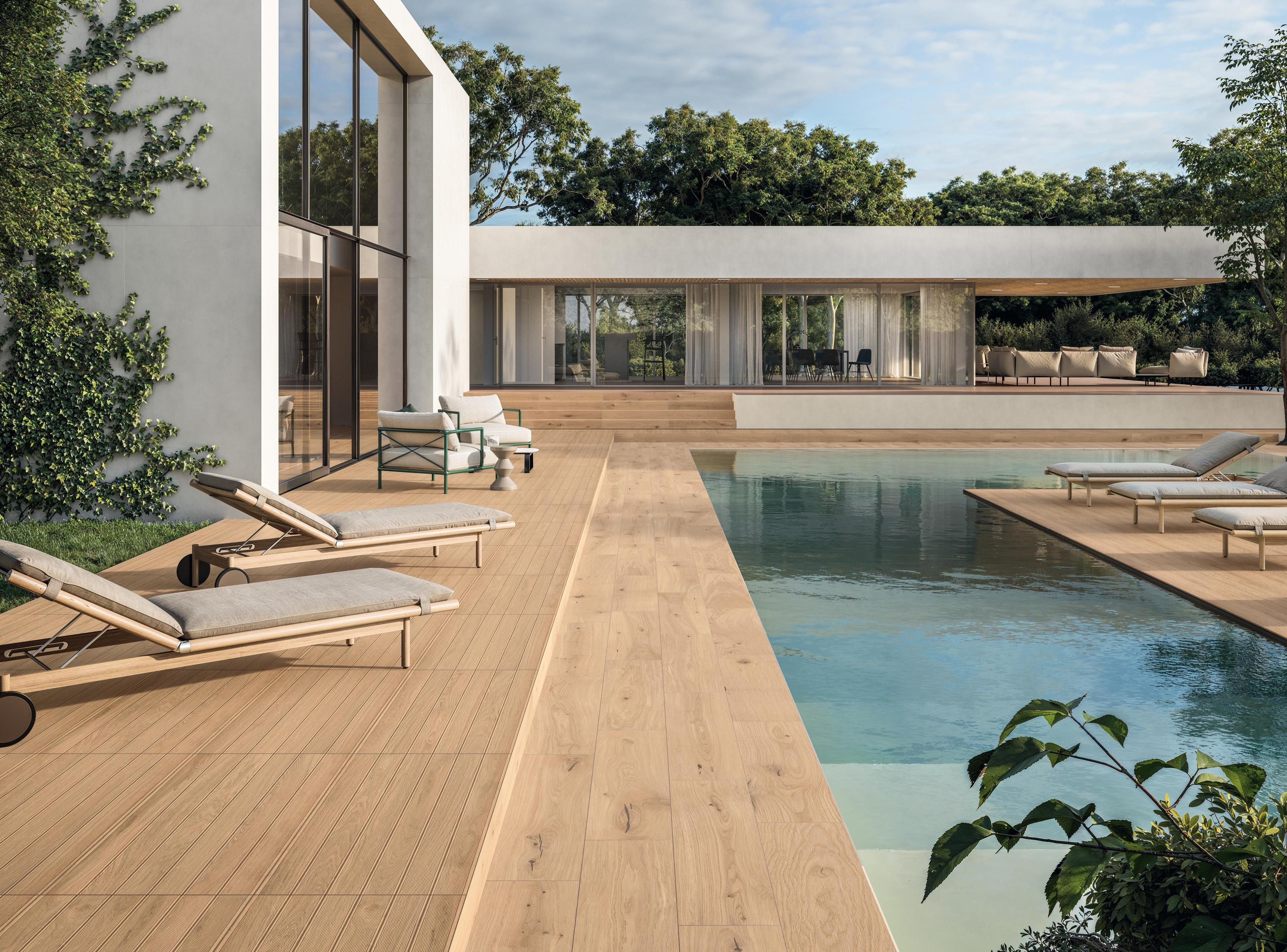
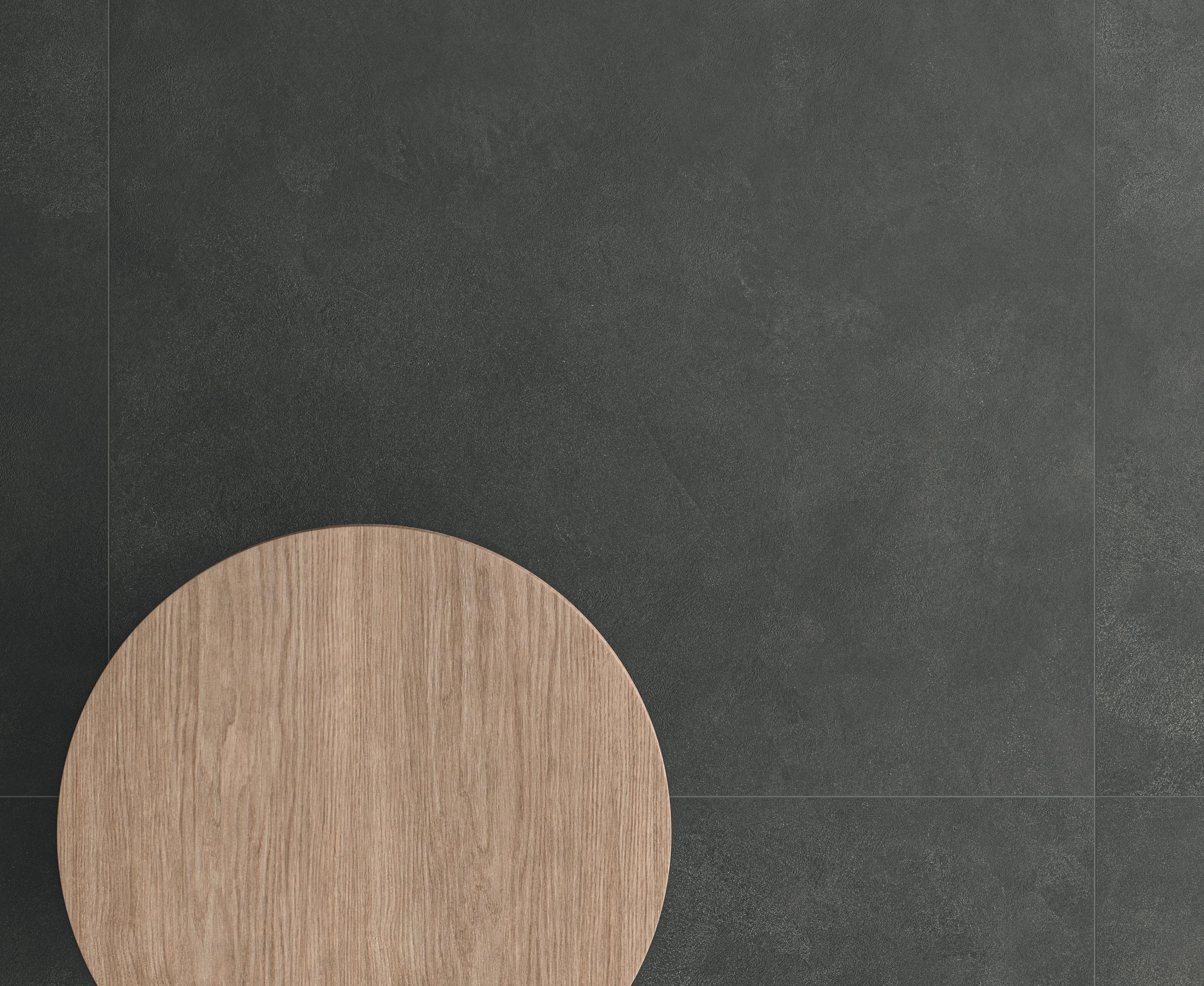
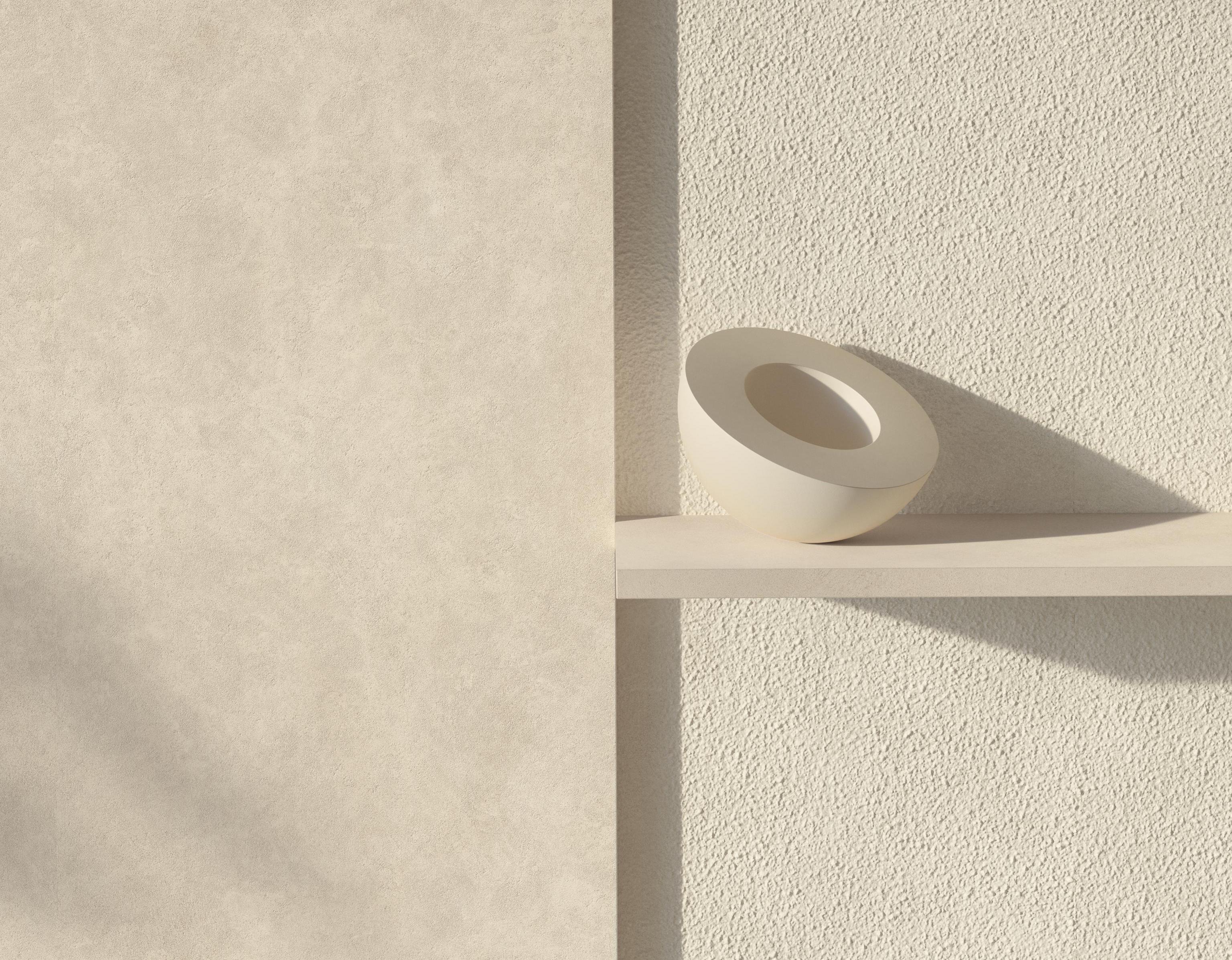
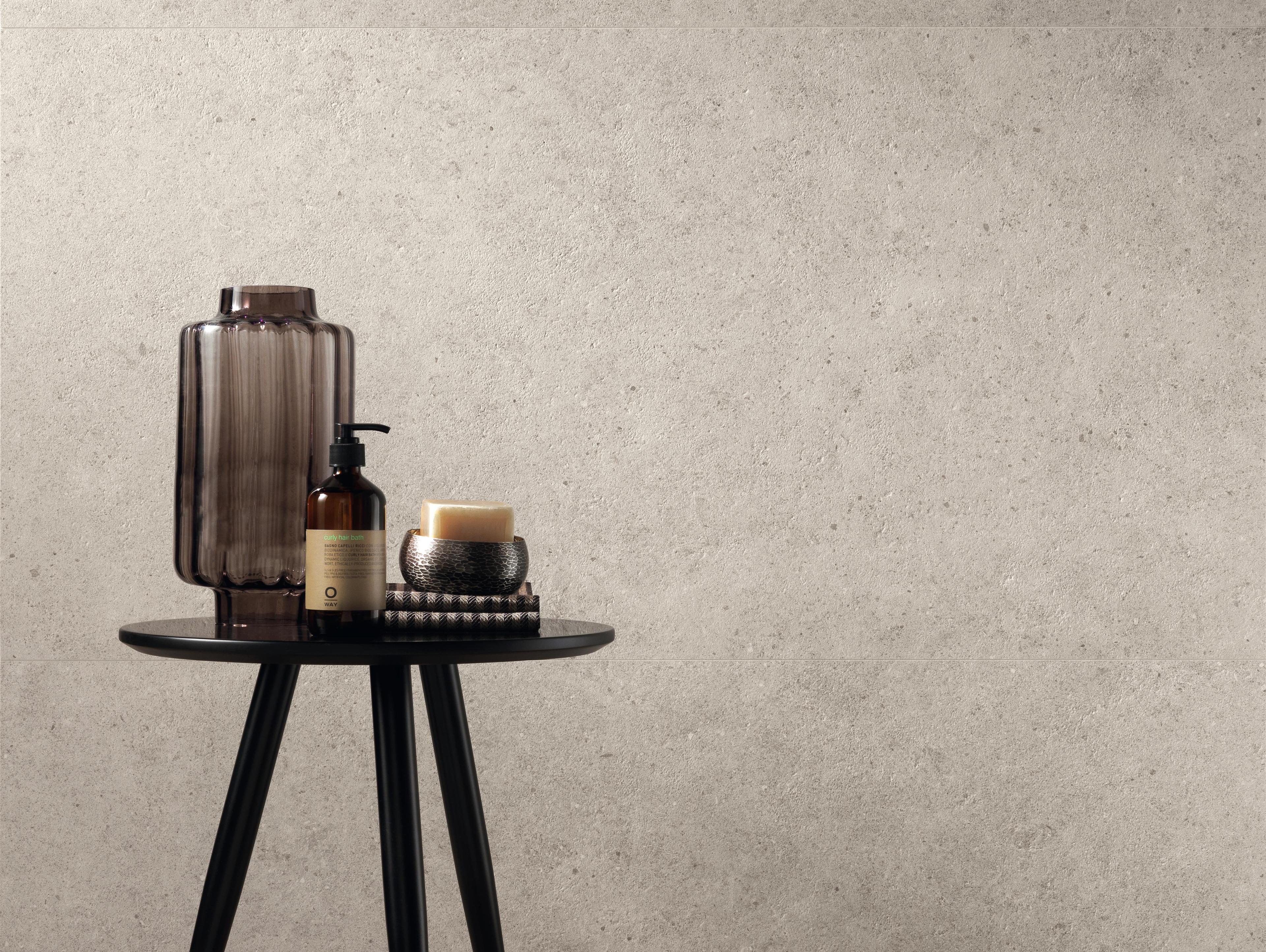
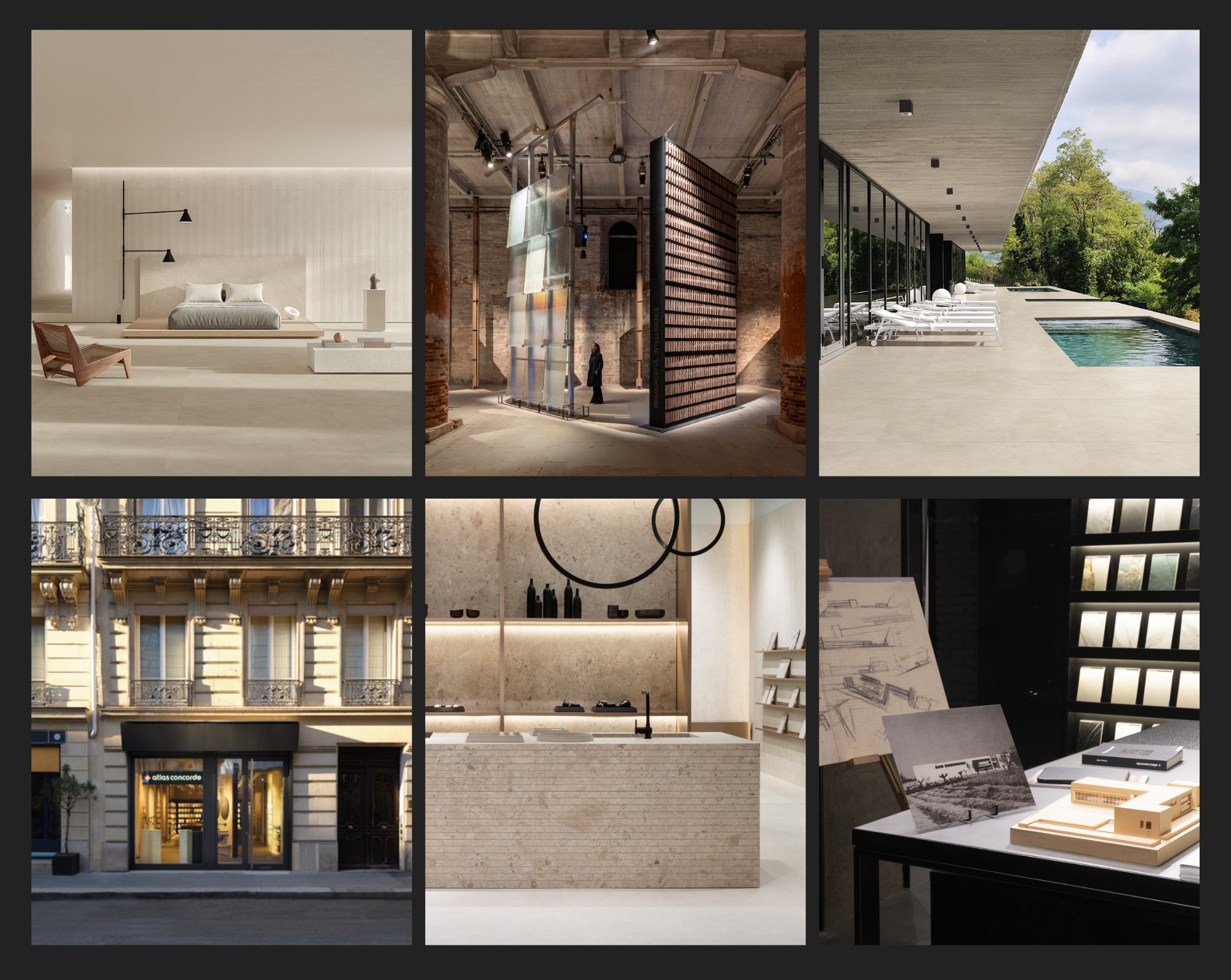
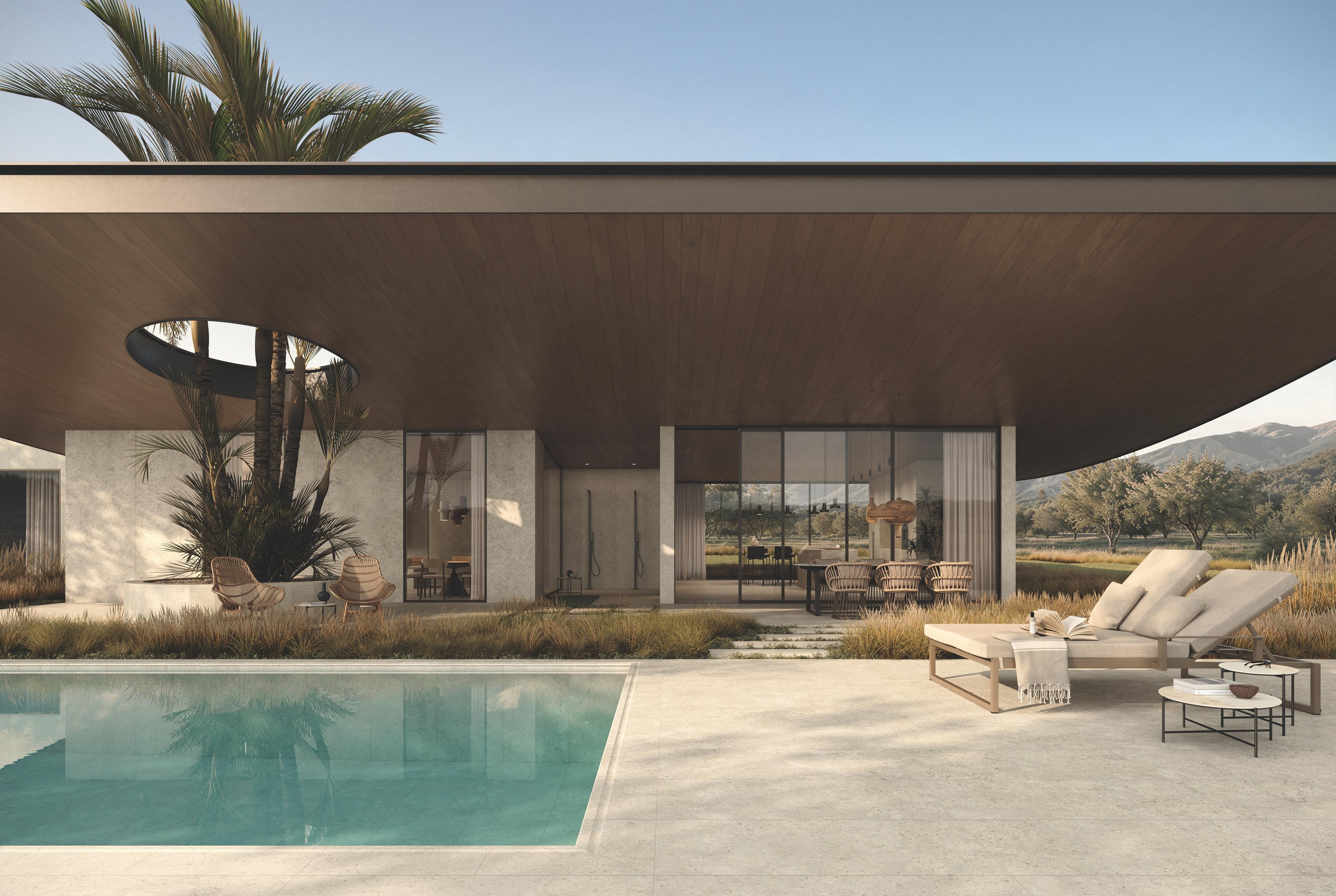
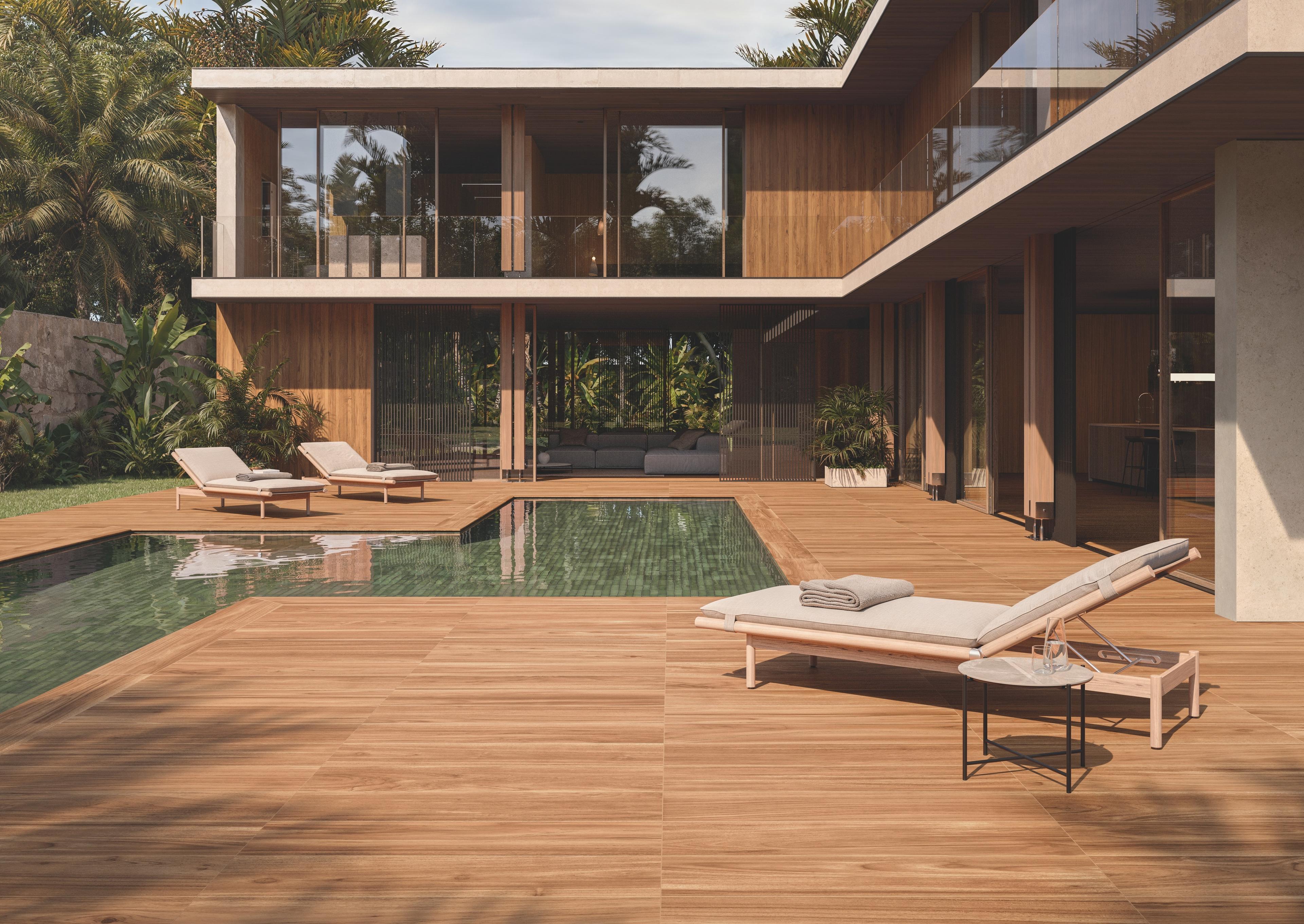
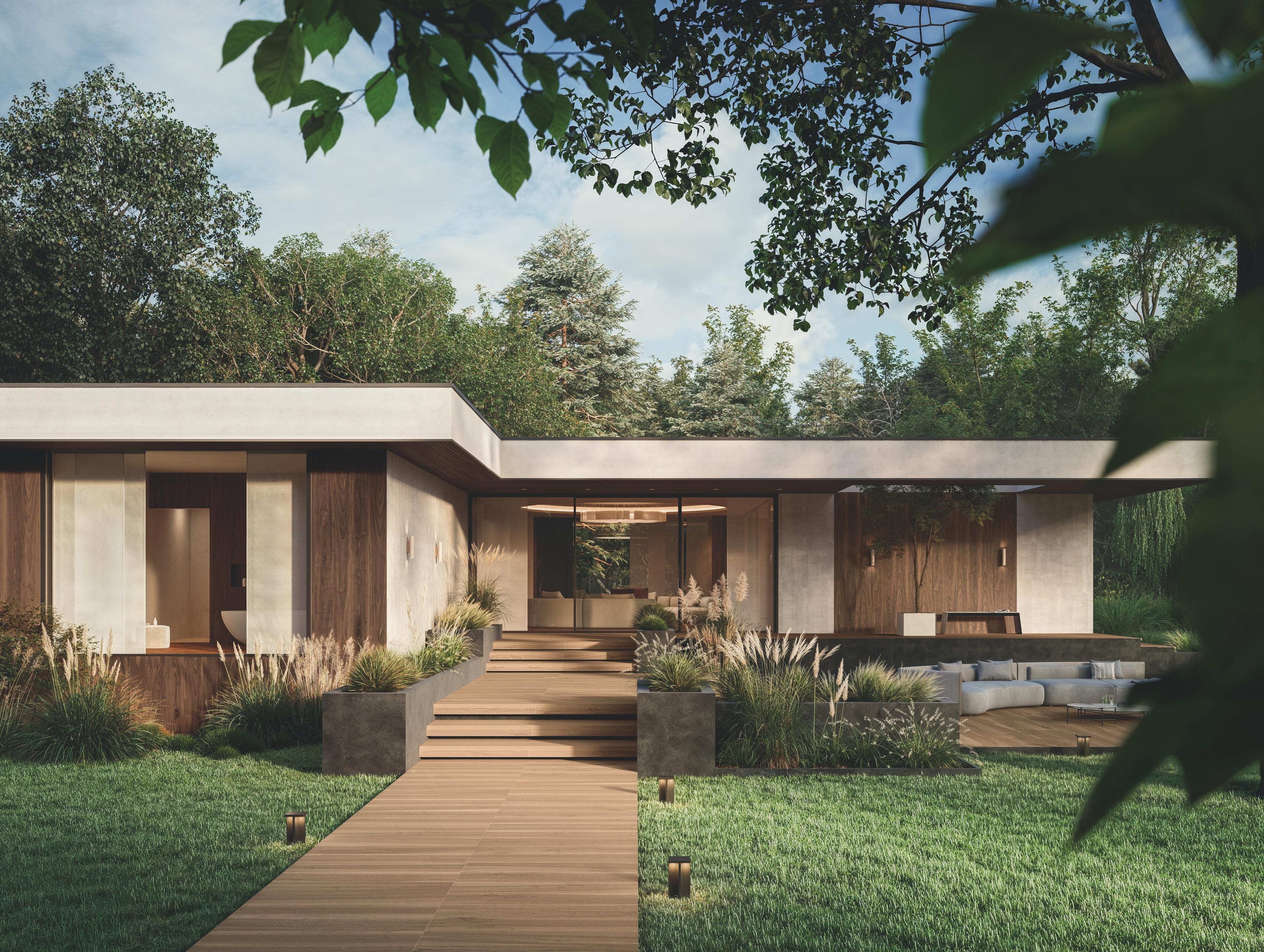
Continuity between indoors and outdoors can be built by coordinating surfaces that are similar in effect and color but differentiated in finish and performance. Some Atlas Concorde collections include non slip tiles for outside spaces inspired by wood, stone and concrete: a non slip wood look porcelain tile or a textured anti slip porcelain tile with a stone effect can thus echo the material language of the interiors. The technical characteristics must nevertheless be verified on the individual item, without automatically extending them to every variant in the collection.
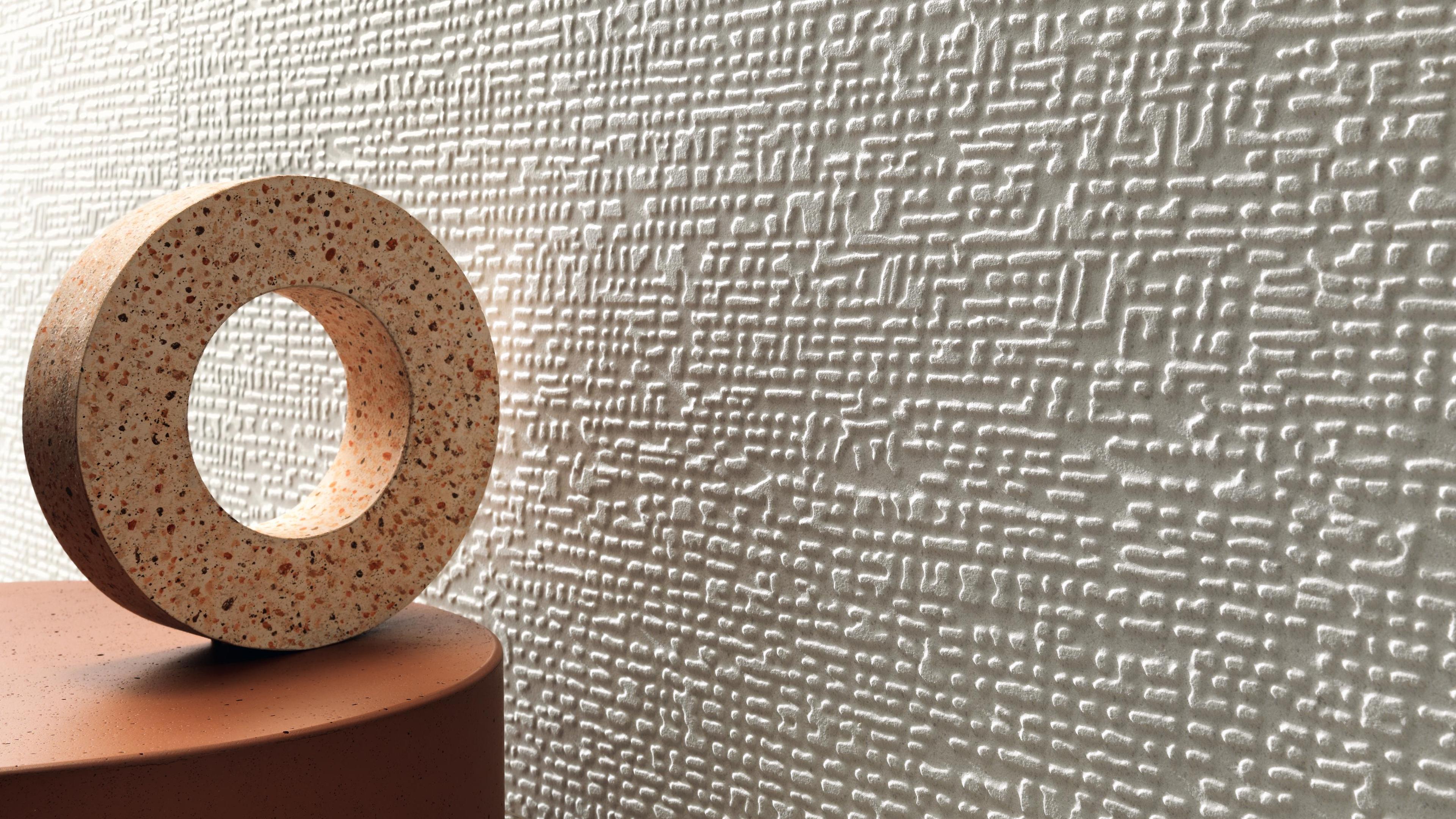
The range of anti-slip porcelain floor tiles includes solutions intended for residential, commercial and public spaces, with performance differentiated according to the conditions of use. This field also includes Sensitech, a technology developed by the Atlas Concorde Laboratories to combine slip resistance, greater tactile softness and ease of cleaning, supporting the coordination of indoor and outdoor surfaces with different performance requirements.



Selection criteria for designers and general contractors
Verification must start from the technical data sheet of the individual item, considering class, test method, thickness, size, intended use and compatibility with the installation system. In complex projects it is advisable to associate each area with a precise product code, avoiding substitutions based solely on aesthetic similarity.
The specification must also coordinate substrate, gradients, drainage, grout joints and movement joints. Cleaning and scheduled maintenance should be defined in advance, because site residues, deposits or unplanned treatments can affect the conditions of use.
For general contractors and site management, the checks include the correspondence between the product specified and the material delivered, the collection of test reports and the verification of installation. Slip resistance in fact belongs to the system formed by surface, build-up, installation and management over time.
Design applications
Non-slip surfaces take on particular value in projects where safety, architectural identity and material continuity must be managed together. Residential and hospitality settings show two different applications of this principle.
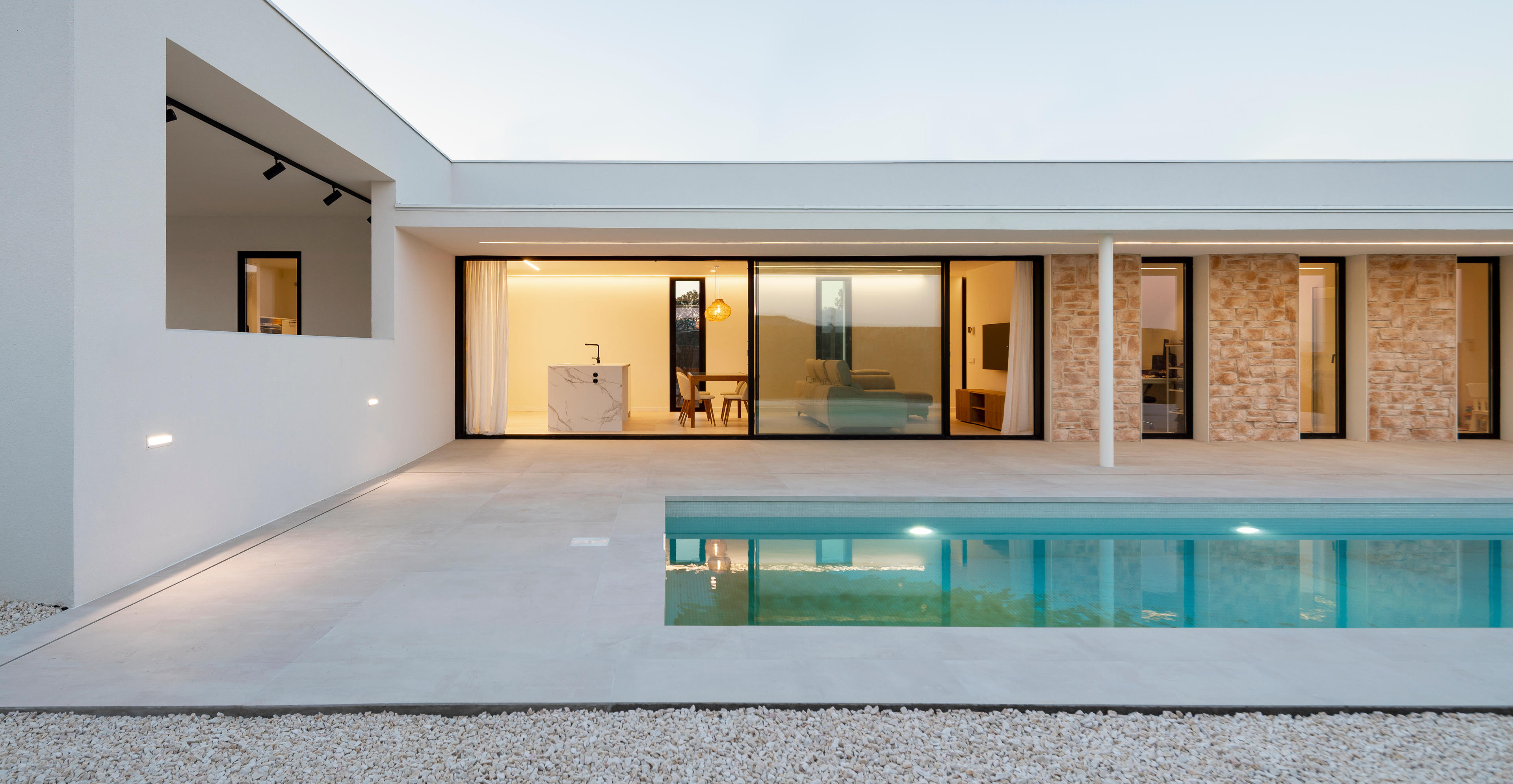
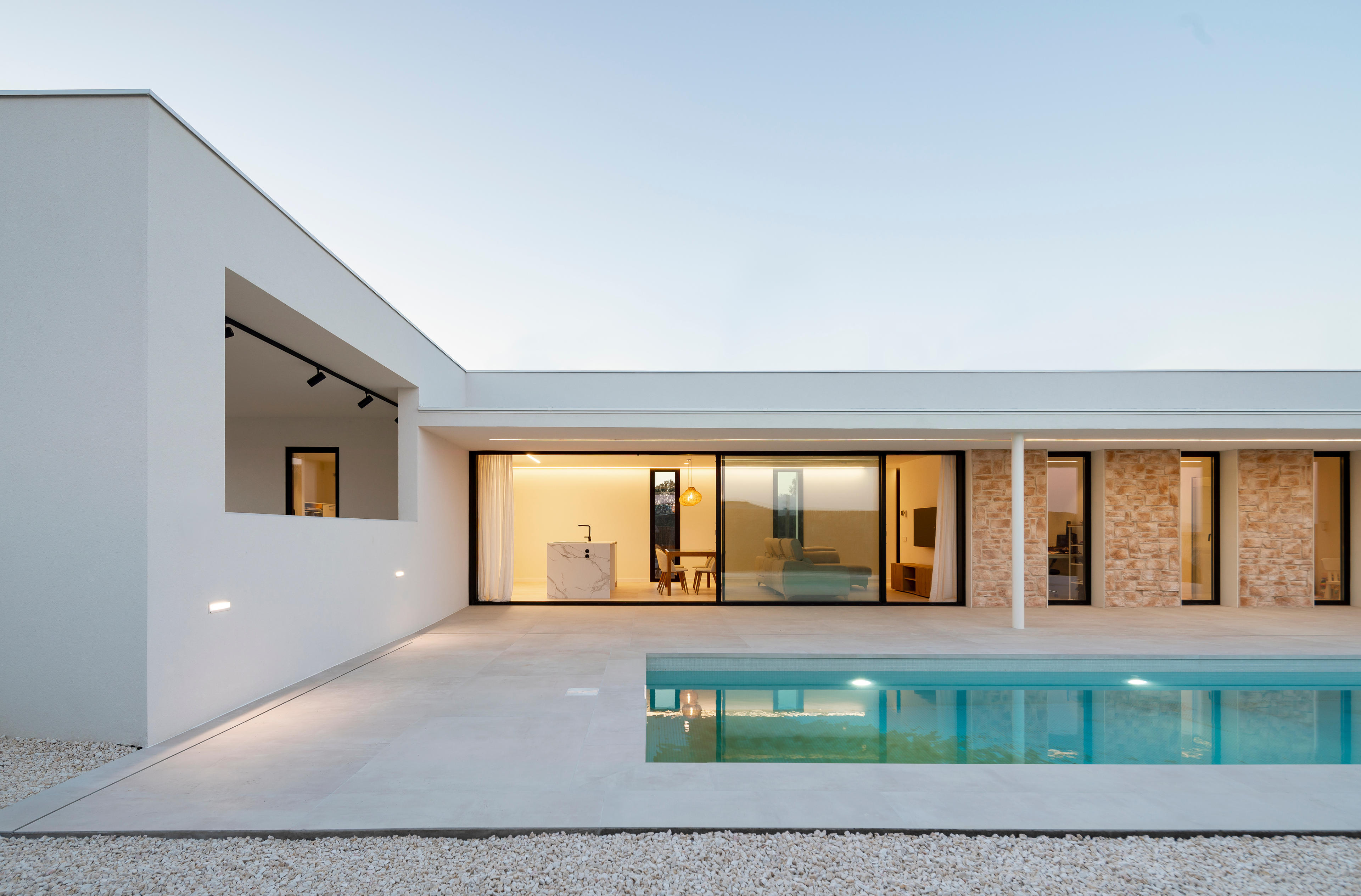
A home on the outskirts of Barcelona, between interiors and pool area
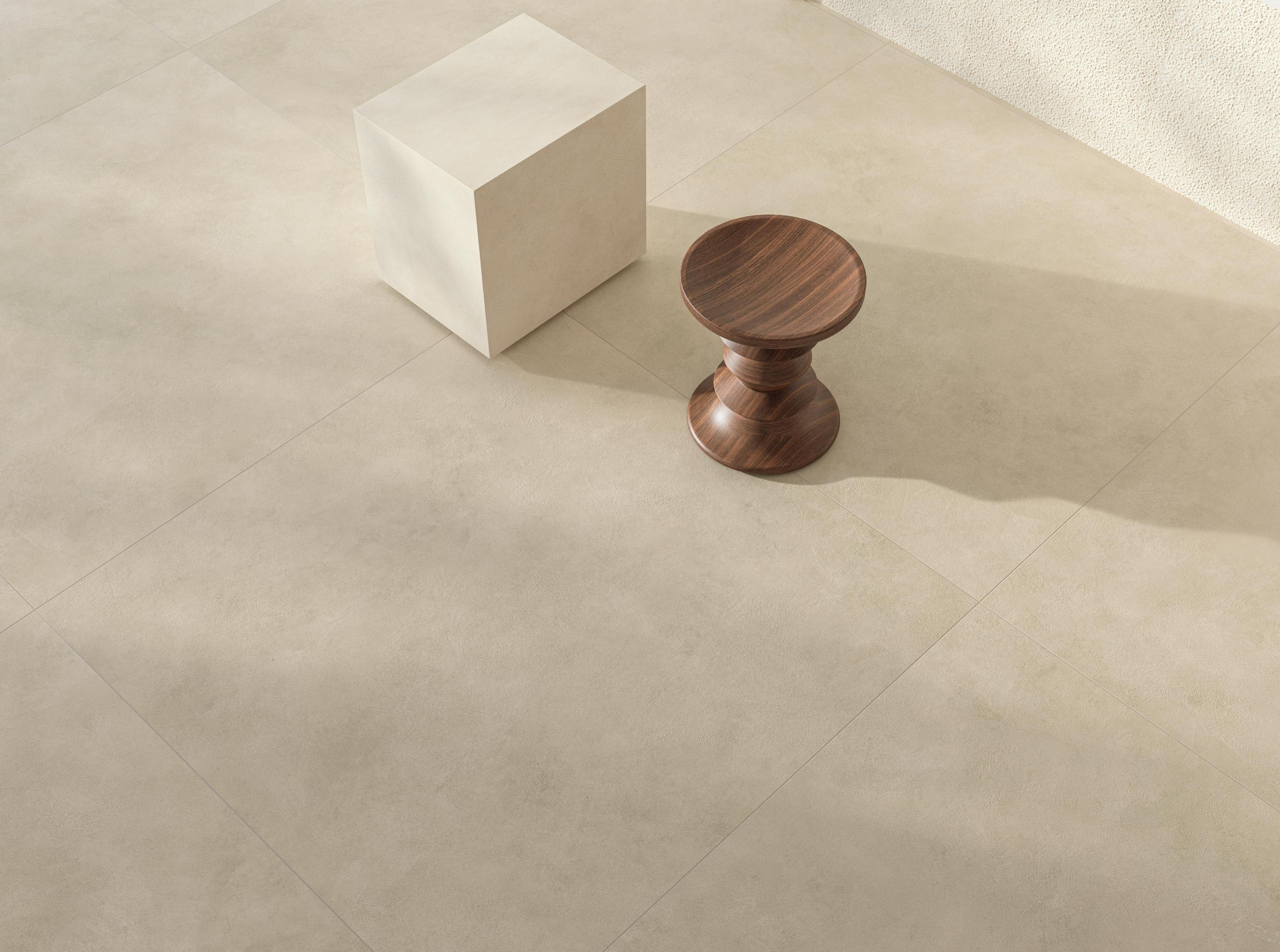
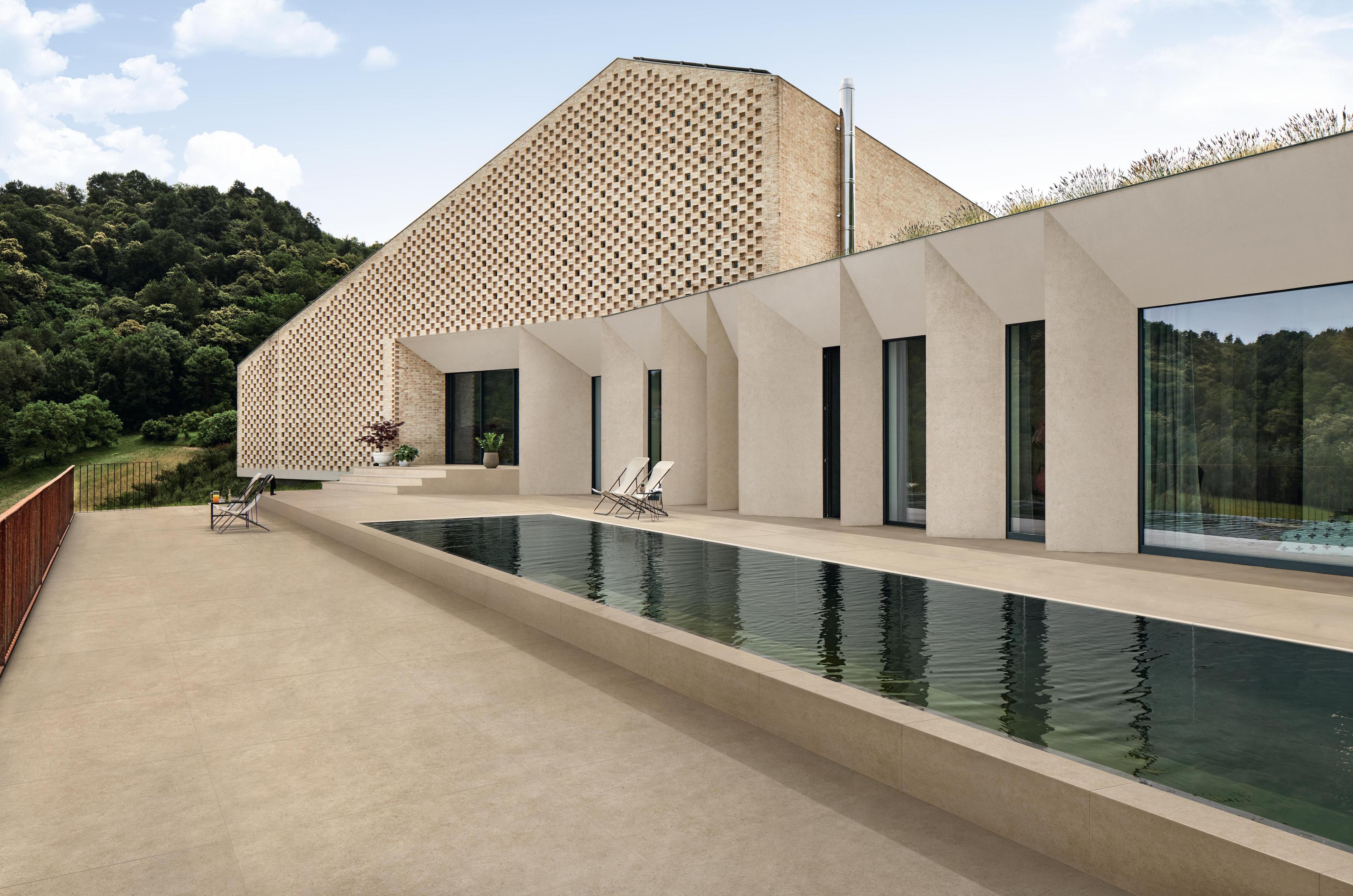
In a private residence in Sant Quirze del Vallès, on the outskirts of Barcelona, Atlas Concorde surfaces from the Boost Pro collection were selected to clad both the interior spaces and the outdoor floors. The concrete effect porcelain tile in an ivory shade continues into the patio and the pool area through solutions in 20 mm thickness, maintaining the material consistency of the home and guaranteeing slip resistance and resistance to atmospheric agents in outdoor areas and those subject to wet conditions. The project shows how indoor-outdoor continuity arises from the coordination of products with differentiated technical characteristics.
Atlas Beach Fest in Bali: outdoor performance for hospitality
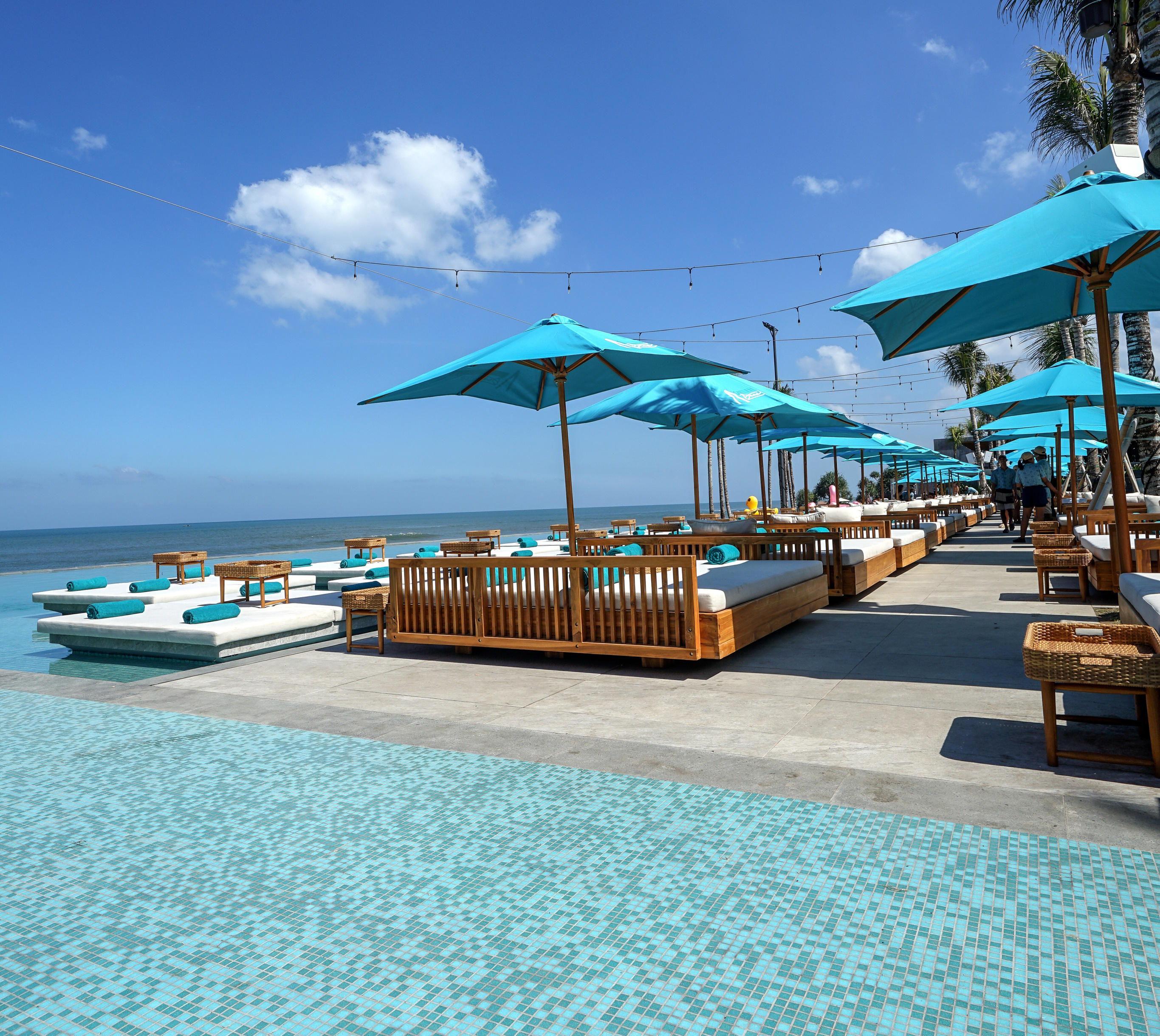
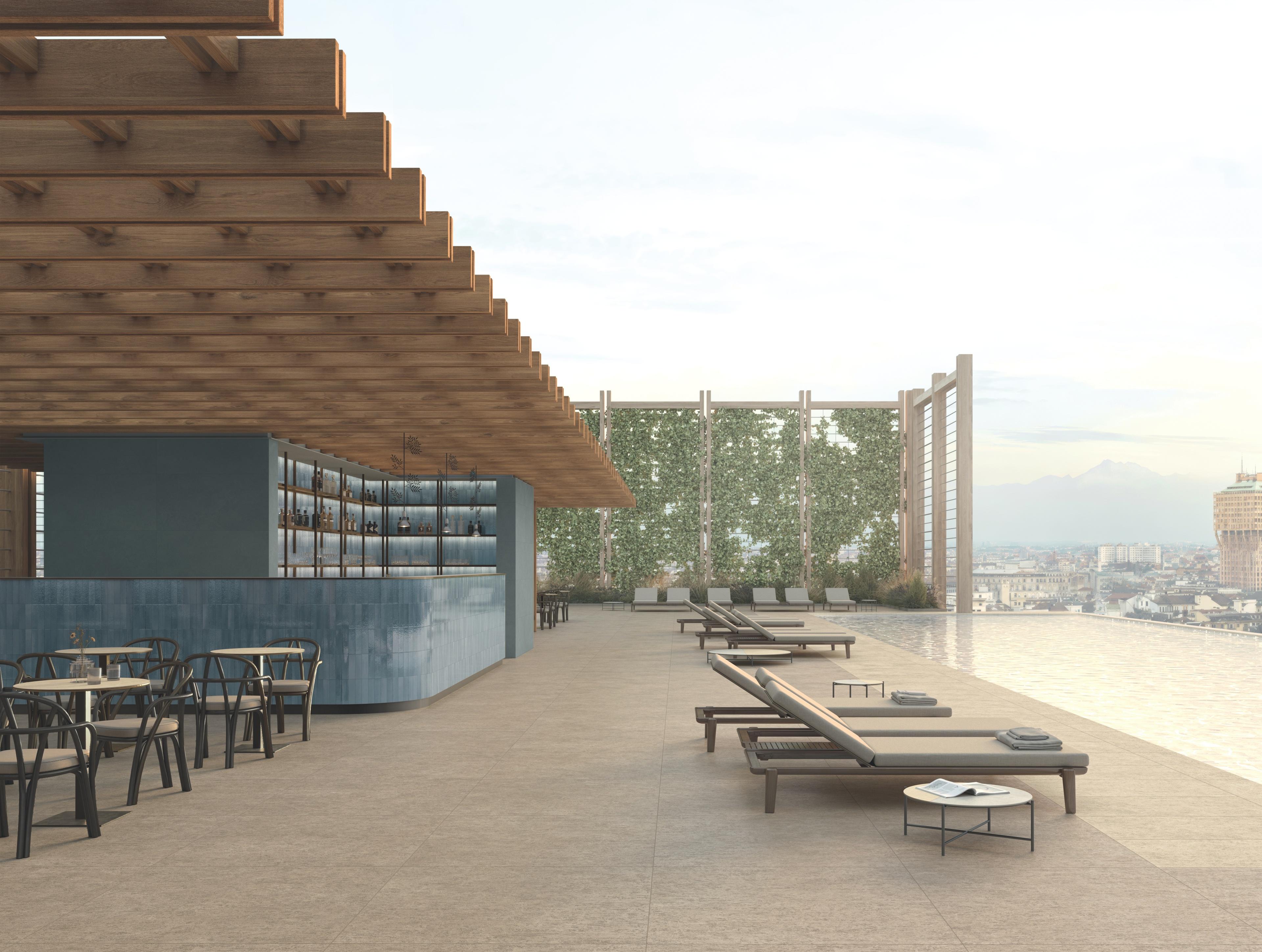
At the Atlas Beach Fest in Bali, Atlas Concorde surfaces from the Norde collection, inspired by natural stone, were used in the pool areas, the bars and the relaxation zones. In a public setting exposed to water, sand and heavy traffic, slip-resistant properties, resistance to foot traffic and ease of cleaning contribute to the functionality of the spaces, while tone and material rendering support the architectural identity of the beach club.
The quality of non-slip outdoor flooring therefore does not depend on a single value, but on the ability to translate the conditions of use into a solution that is safe, durable and consistent with the project. It is in this balance between technical performance and material continuity that the surface becomes an integral part of the architecture.