


.jpg?cropw=4096&croph=2654.2479700187387&cropx=9.695217308093677e-13&cropy=76.7520299812622&cropmode=pixel&quality=75#)





.tif?cropw=4036.303976681241&croph=2705.4159900062464&cropx=59.69602331875912&cropy=25.584009993753906&cropmode=pixel&quality=75#)
.jpg?cropw=4096&croph=2978.1919633562356&cropx=0&cropy=93.80803664376384&cropmode=pixel&quality=75#)

.jpg?cropw=2733&croph=2733&cropx=636.5439718837721&cropy=0&cropmode=pixel&quality=75#)


Every year, Accor invites architecture and interior design students from around the world to respond to a real brief — a hotel, a brand, a spatial challenge. The results are evaluated not on aesthetics alone, but on how well each project addresses guest experience, sustainability, functionality and long-term viability. This is the Accor Design Awards: not a student competition, but an international research platform on the future of hospitality.
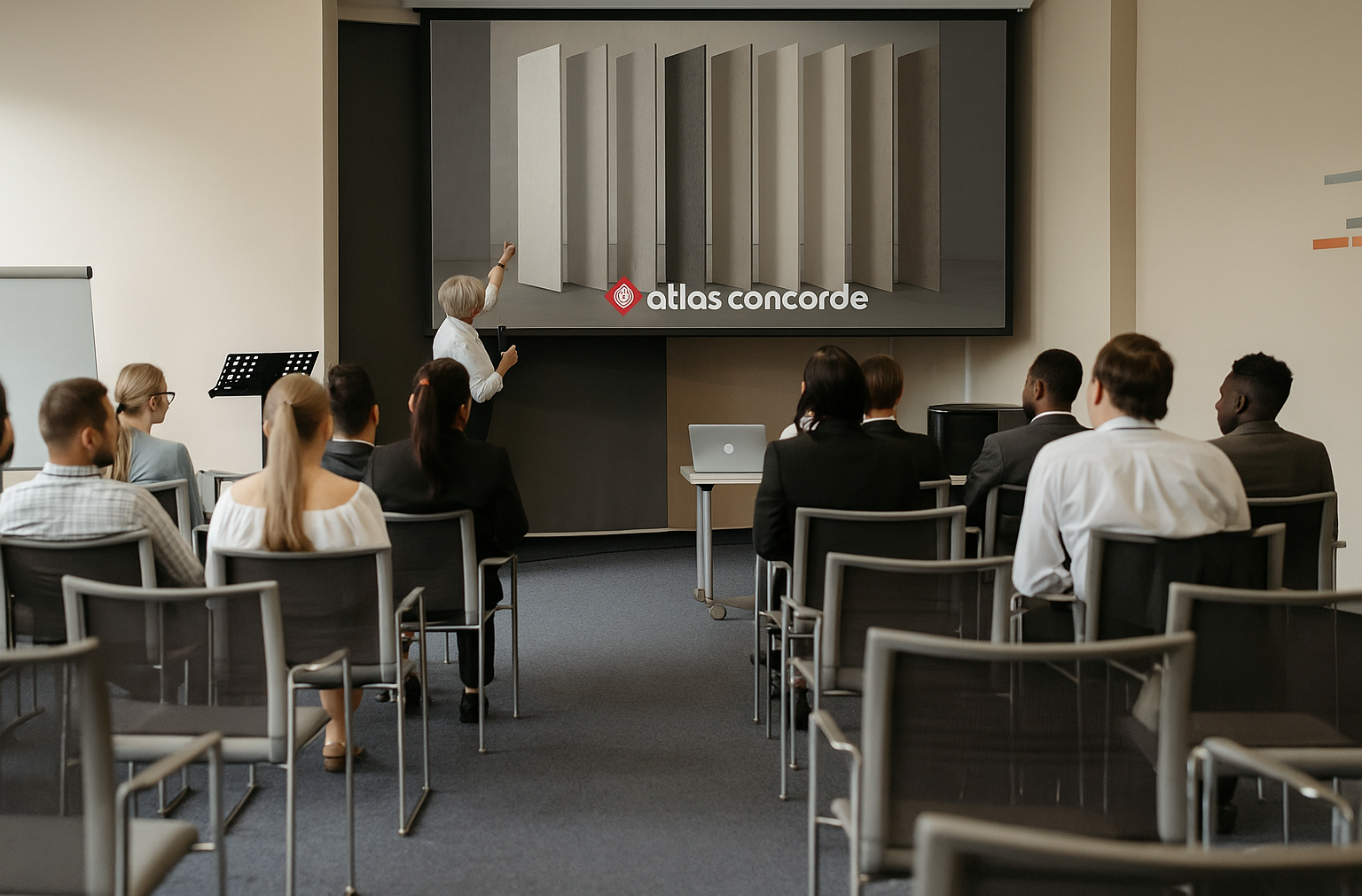
Founded in 2016, the Awards bring together three worlds that rarely sit at the same table: the next generation of designers, Accor's Global Design & Technical Services teams, and the product brands that translate design vision into built reality. This year, Atlas Concorde is part of the jury.
The 2026 edition is dedicated to Pullman, one of Accor's leading upscale brands, with a brief focused on the reinterpretation of flexible meeting and event spaces — a theme that sits at the intersection of design innovation, functionality and evolving guest behaviour. Over 200 projects from international design schools have been submitted in response.
The connection between Atlas Concorde and this platform is not incidental. It reflects four areas of genuine relevance.
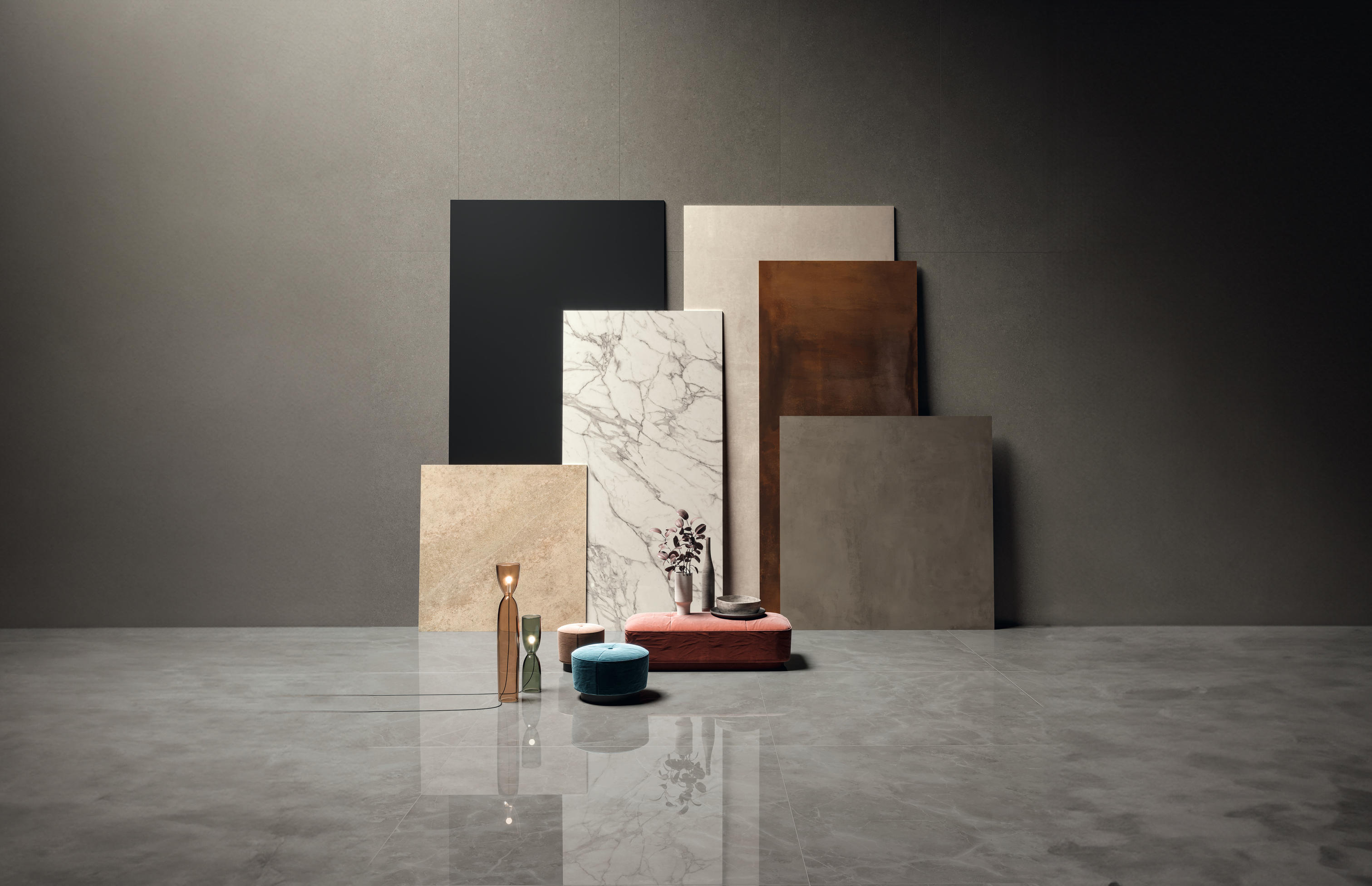
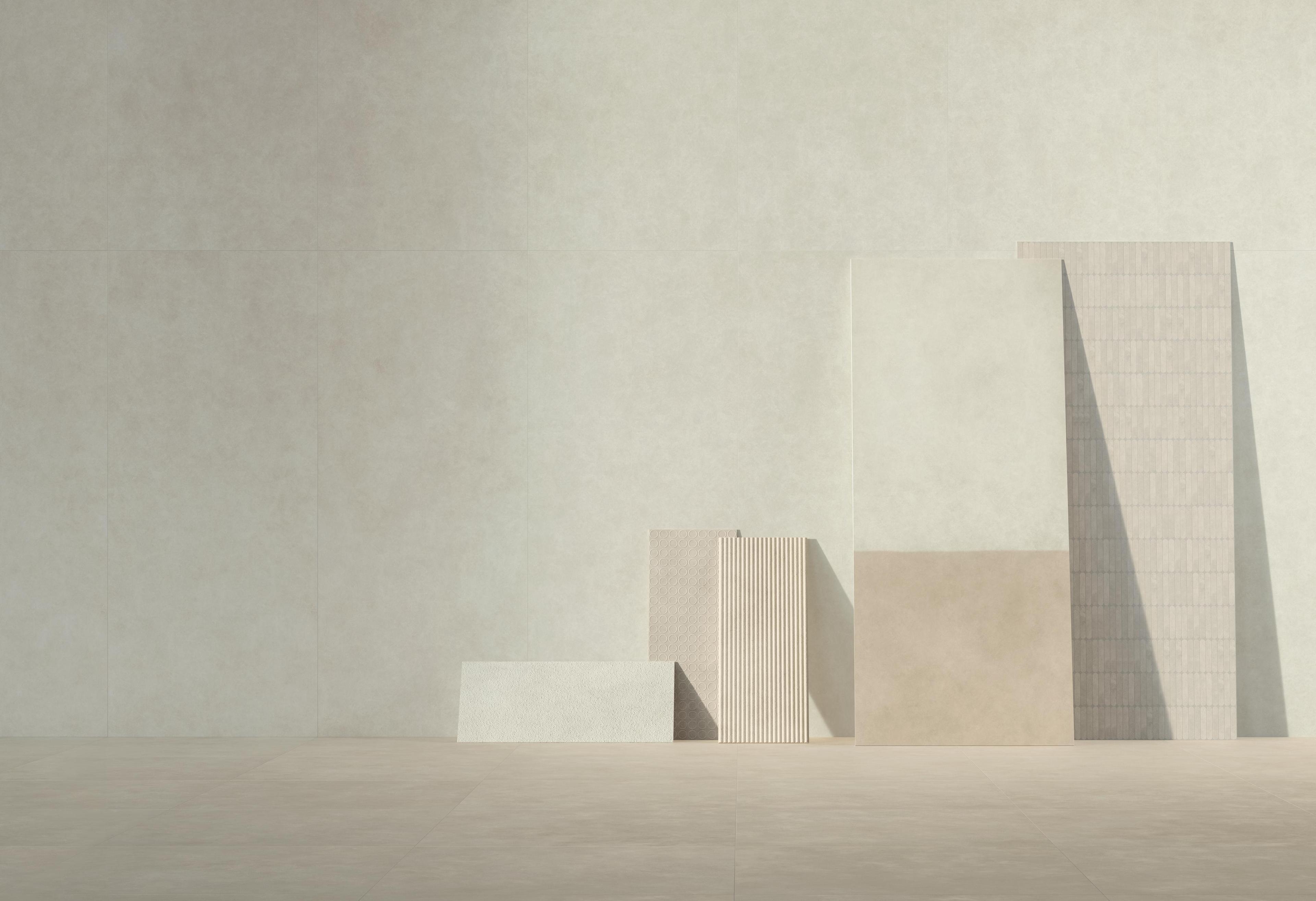
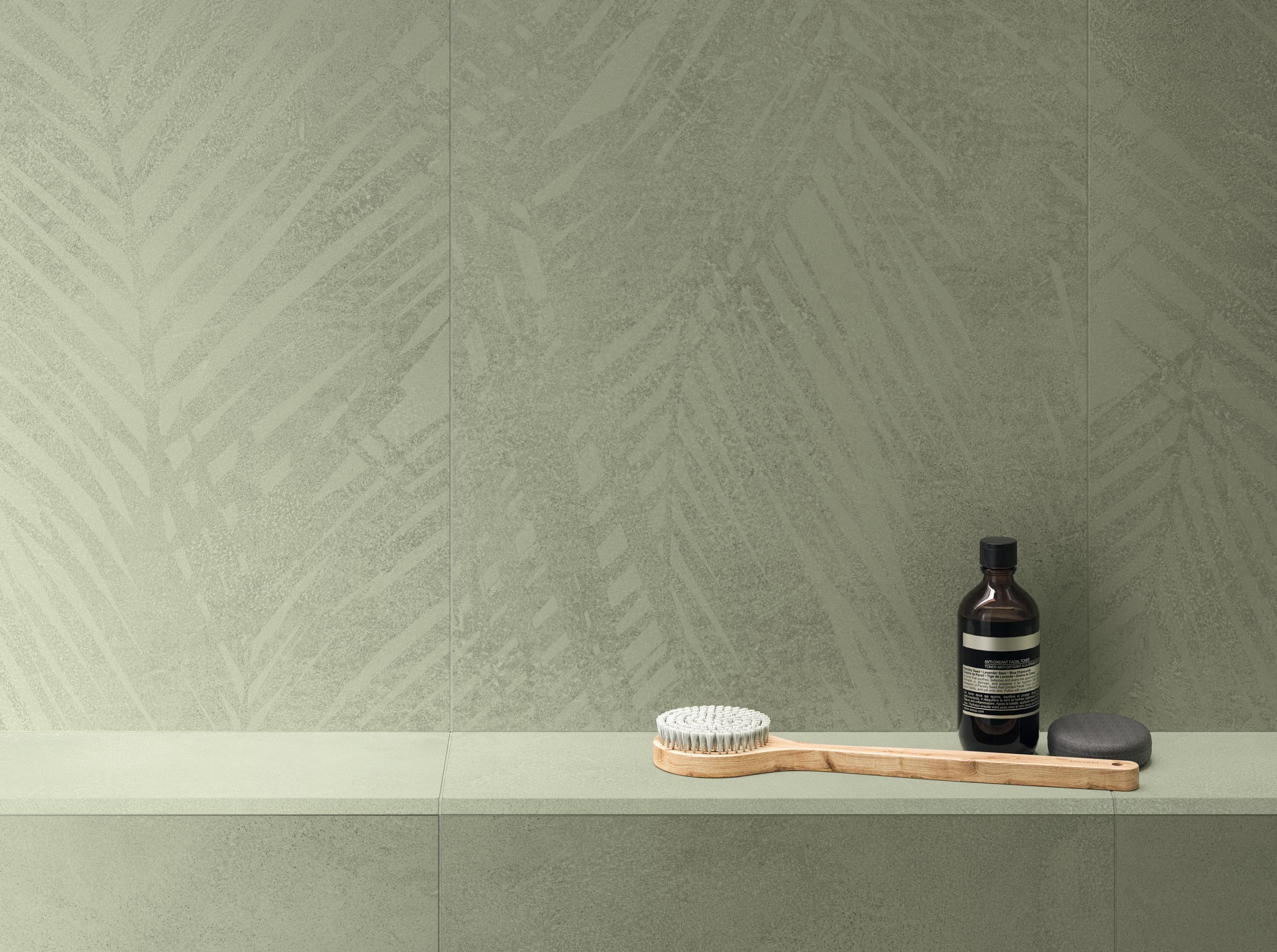
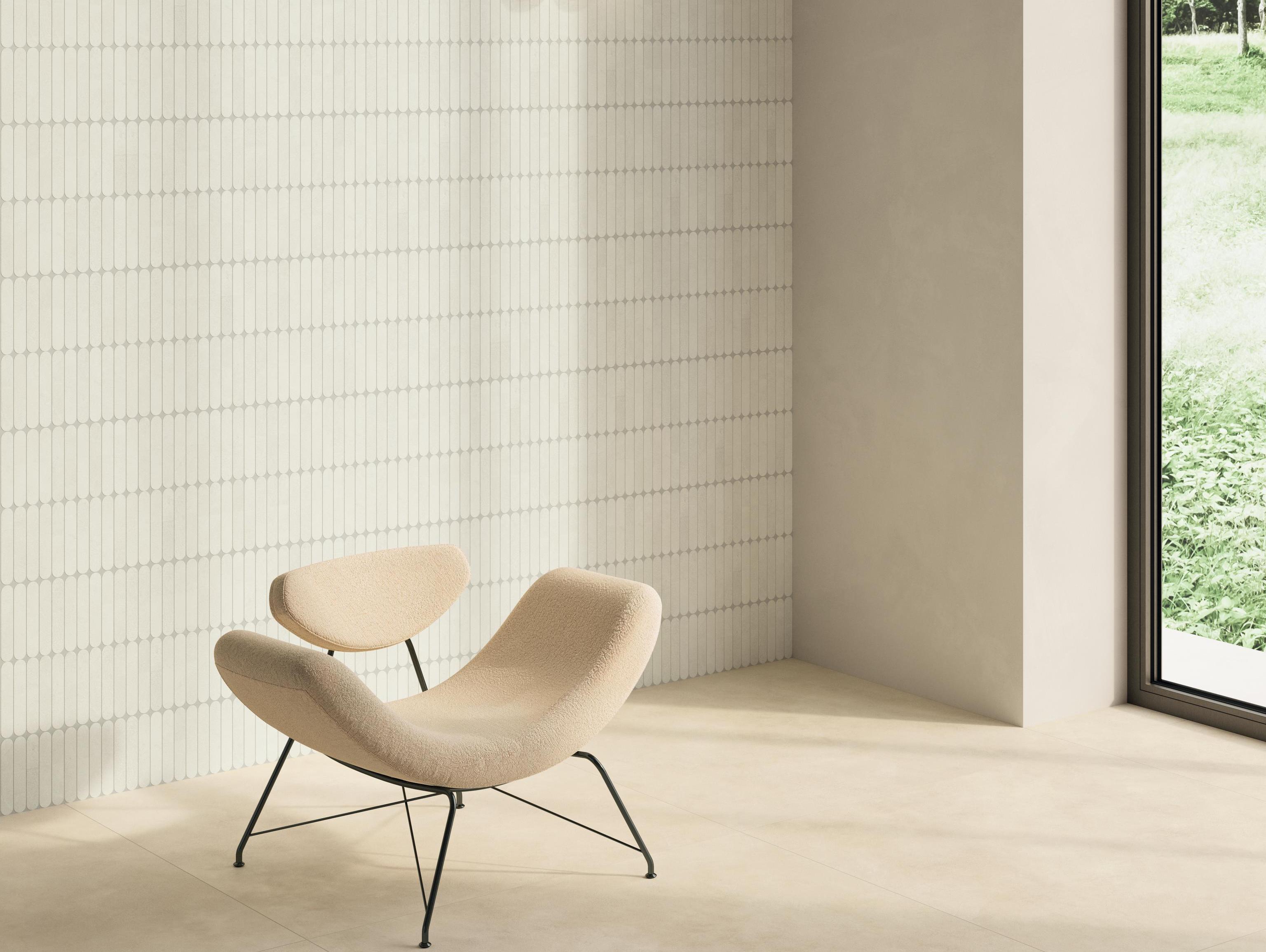
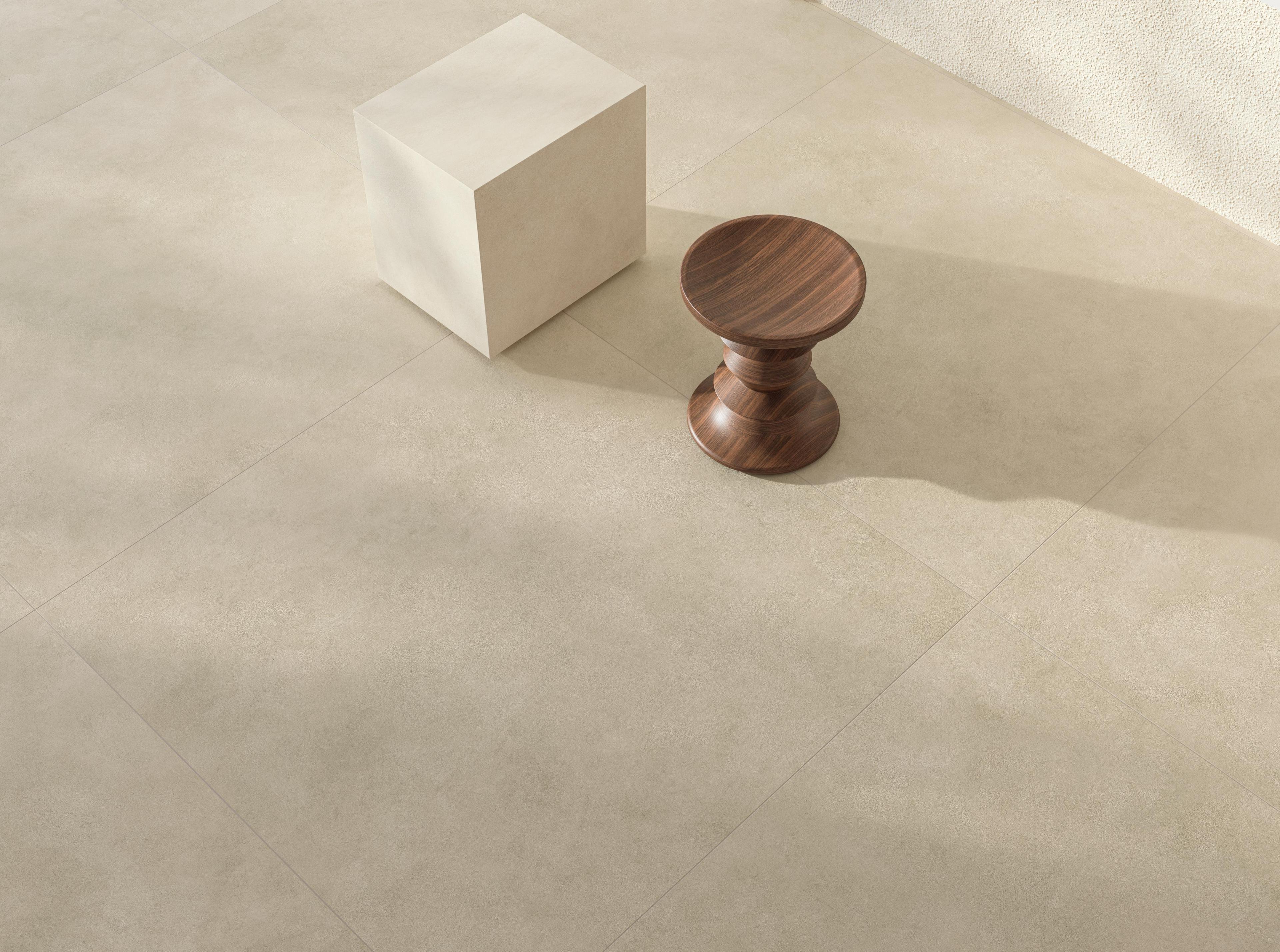
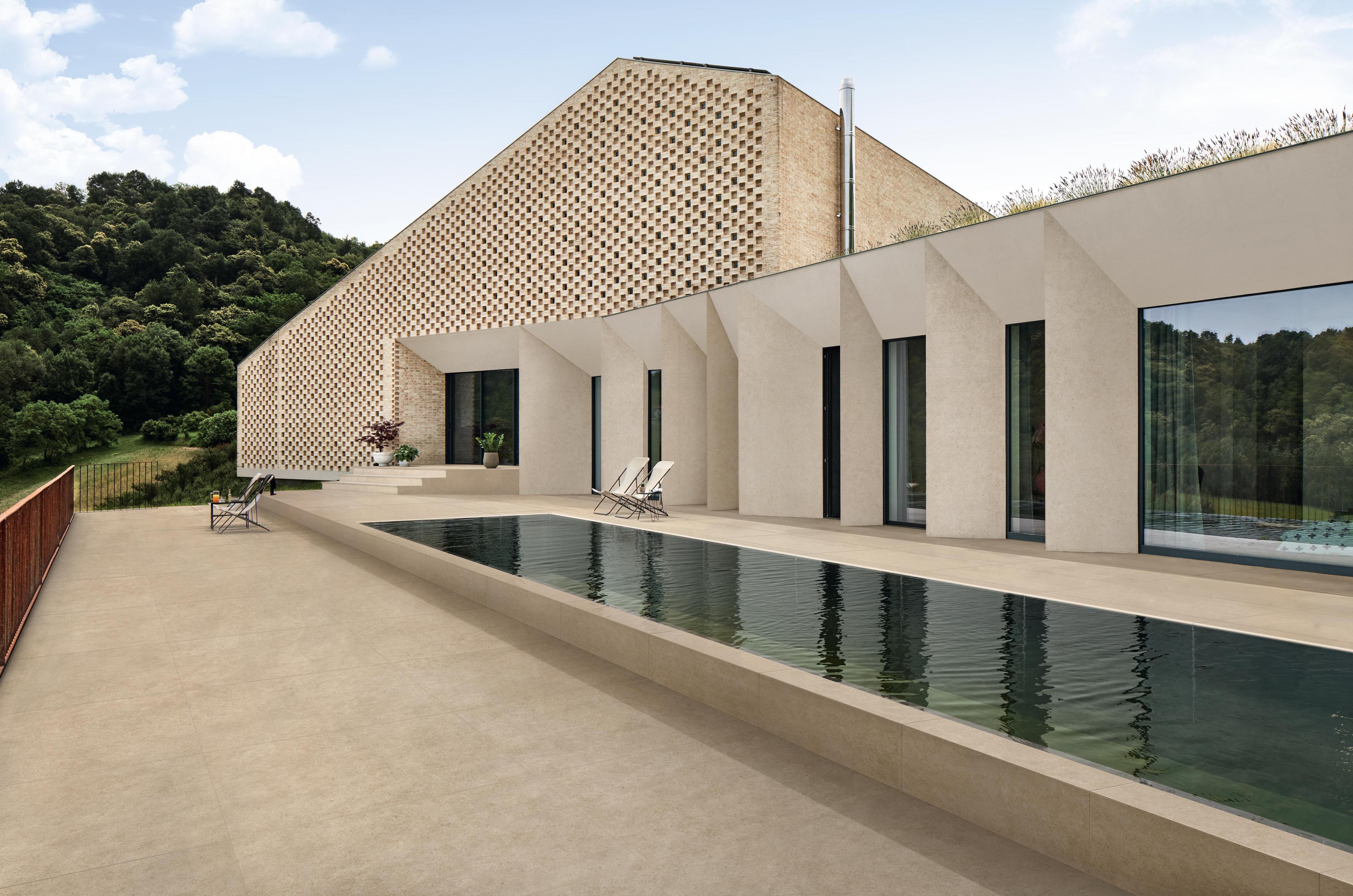
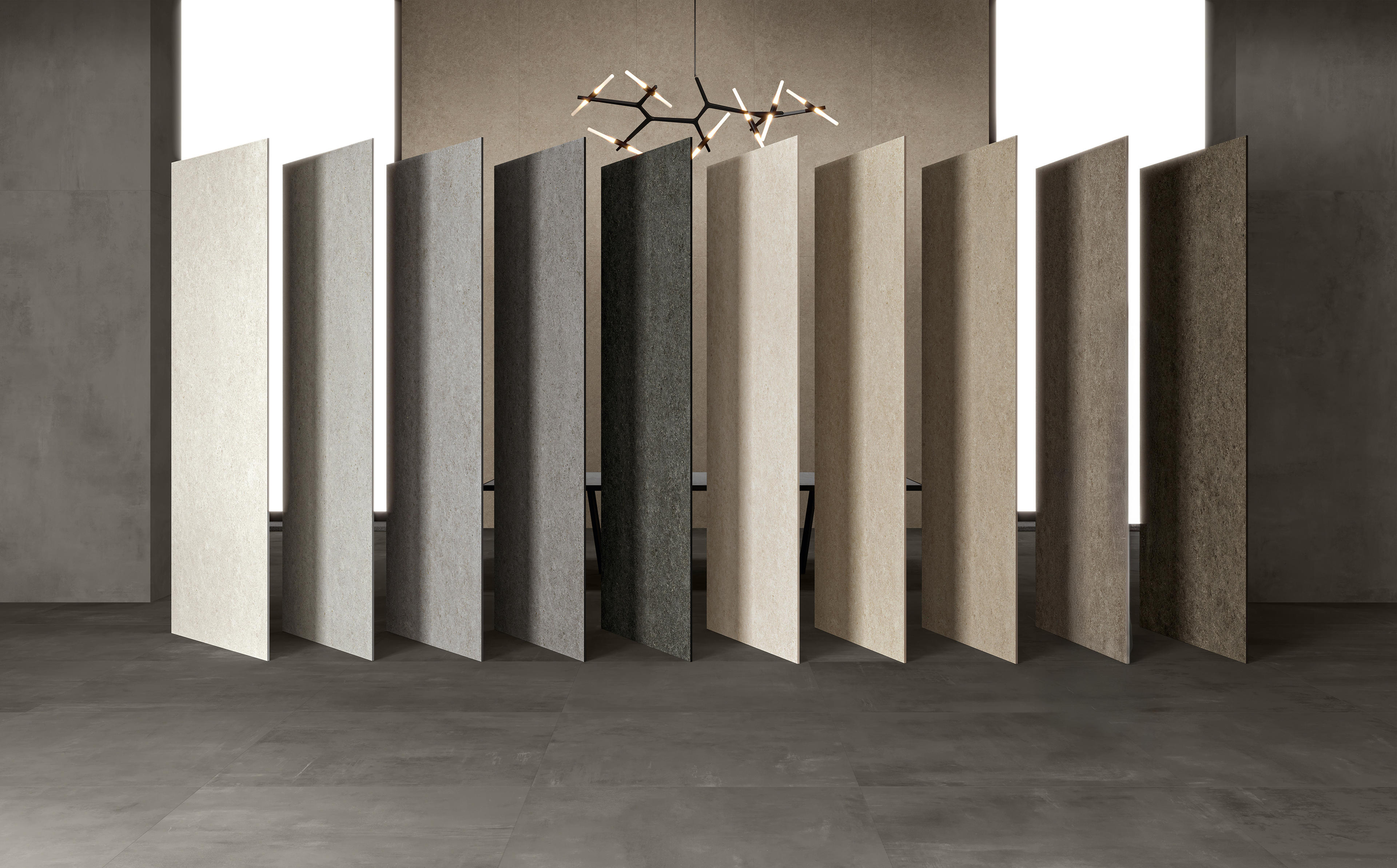
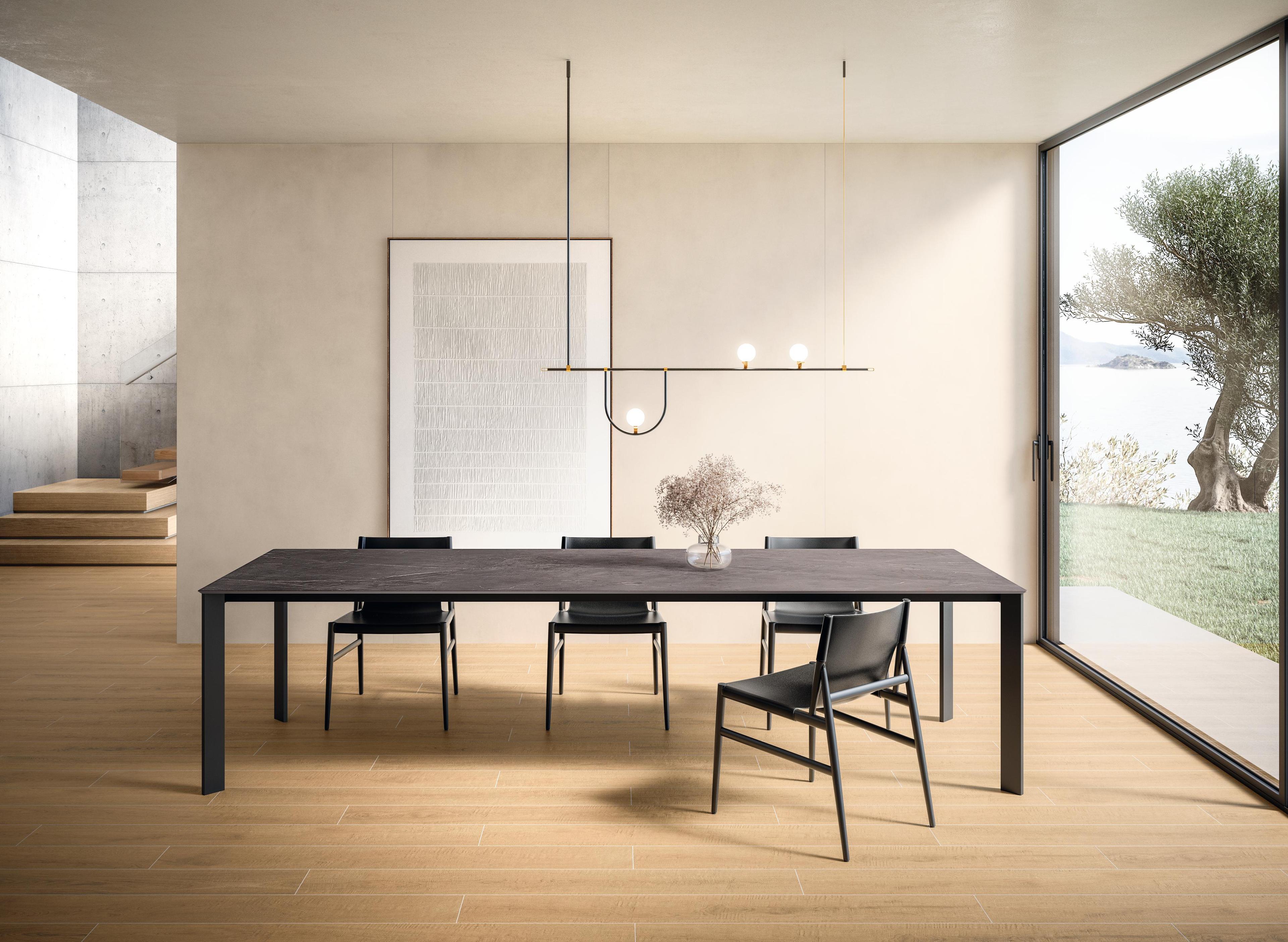
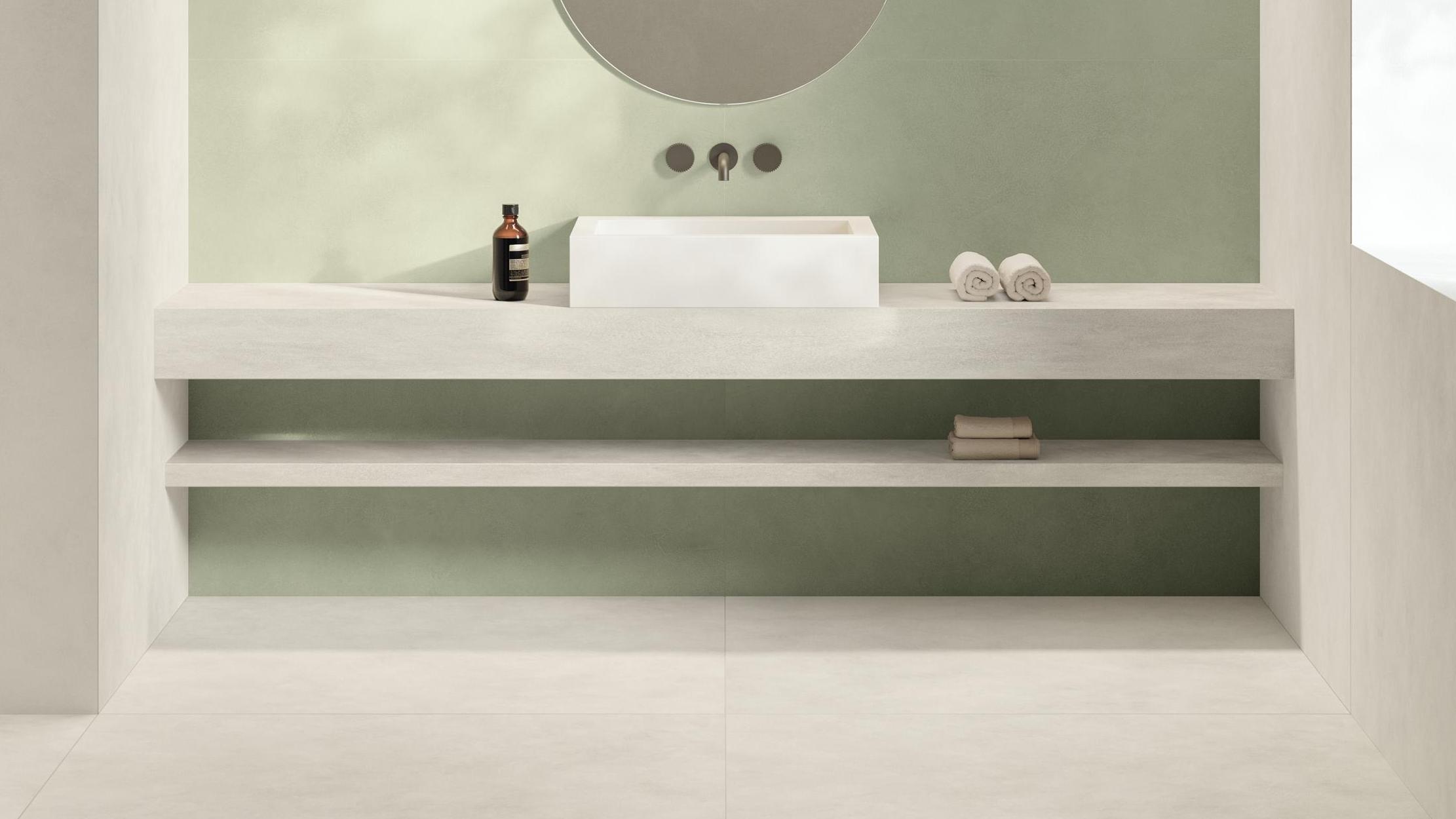
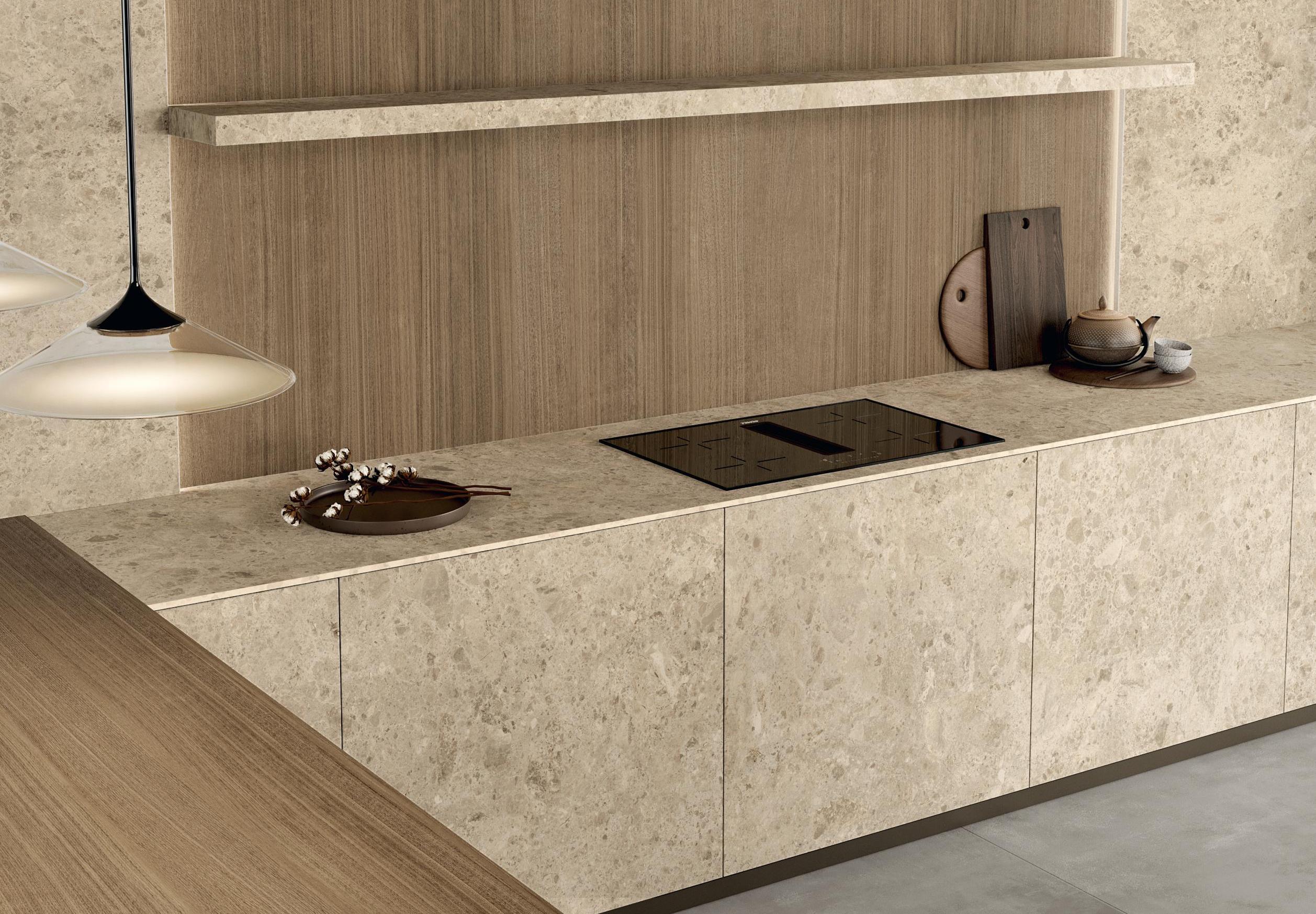
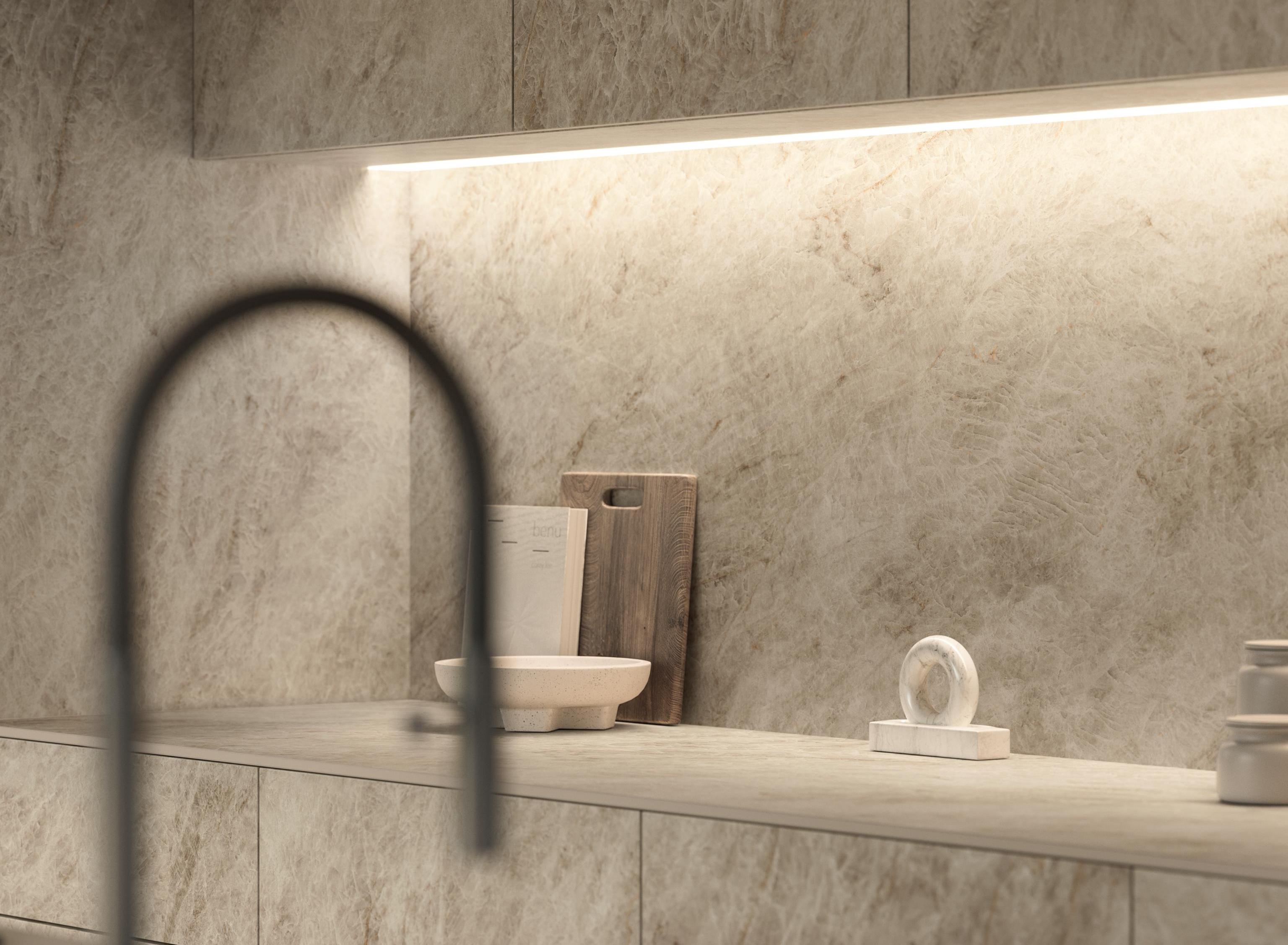
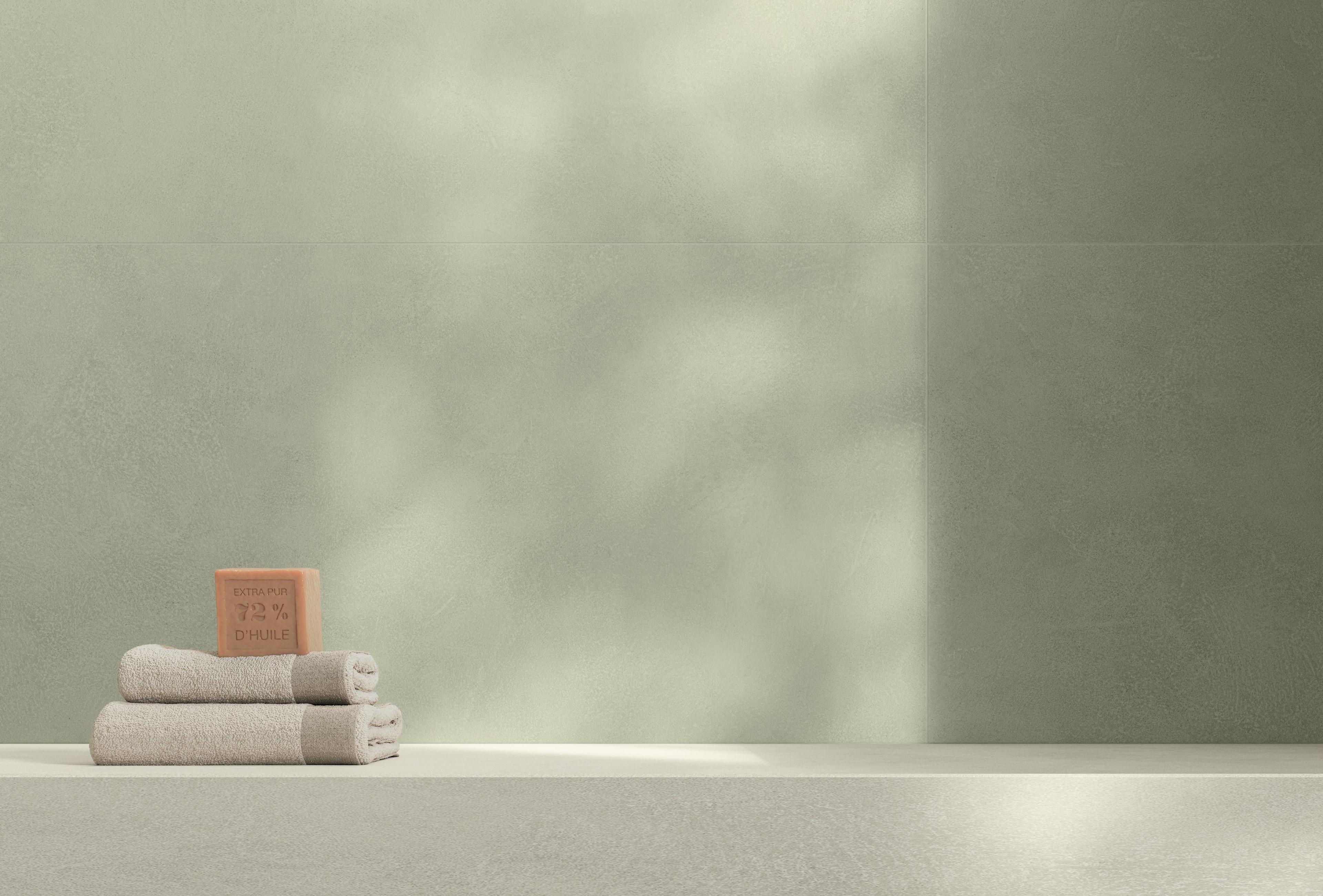
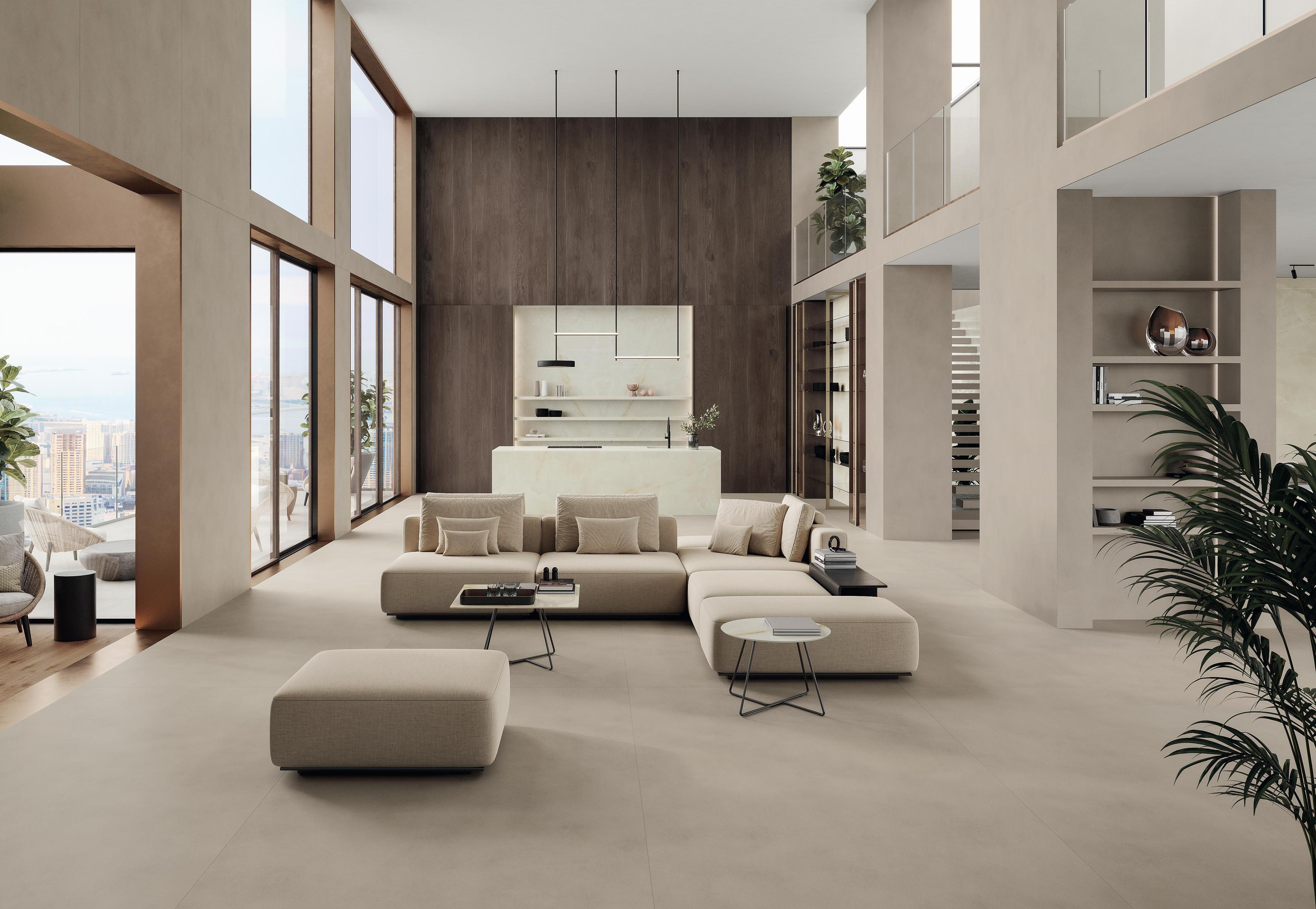
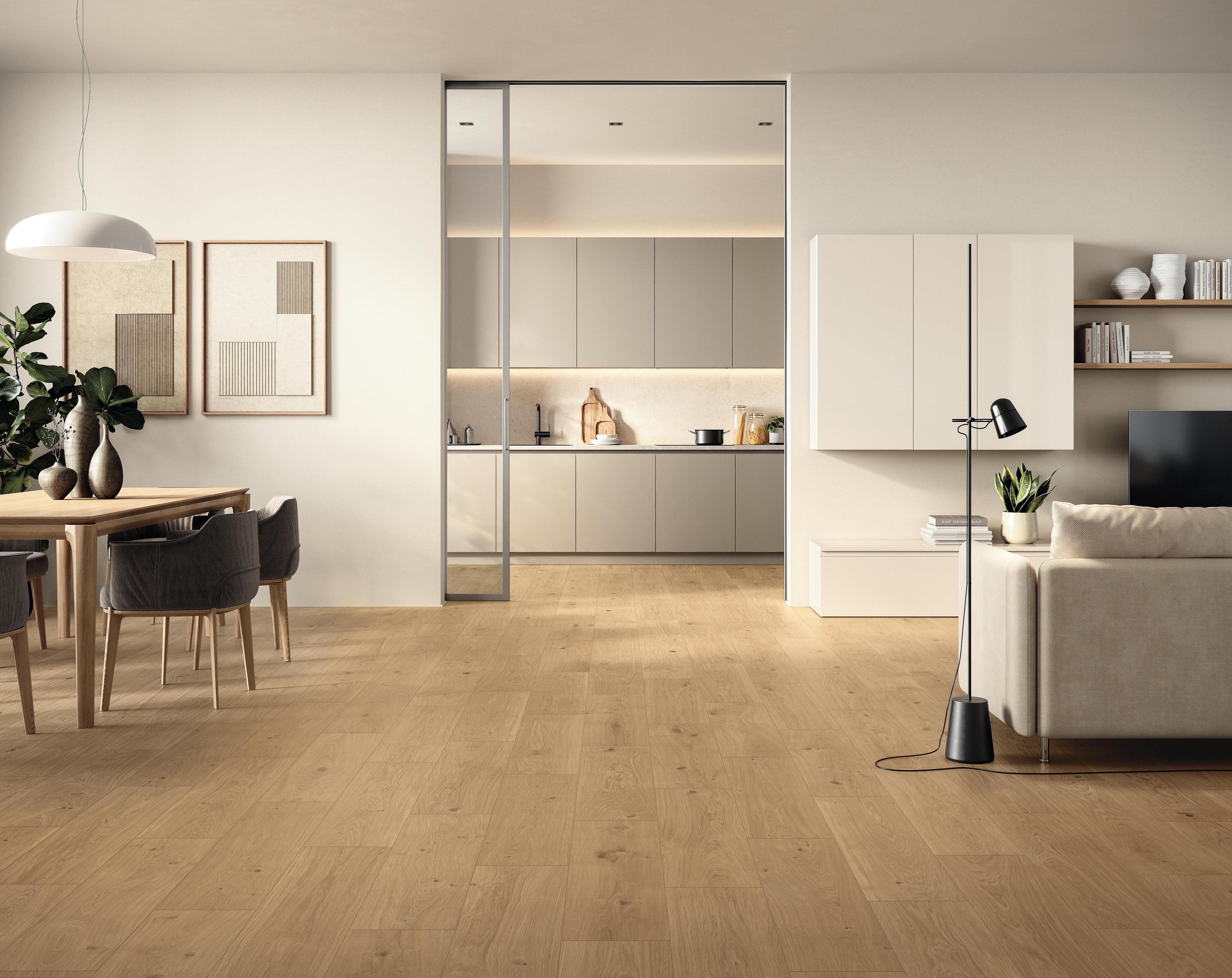
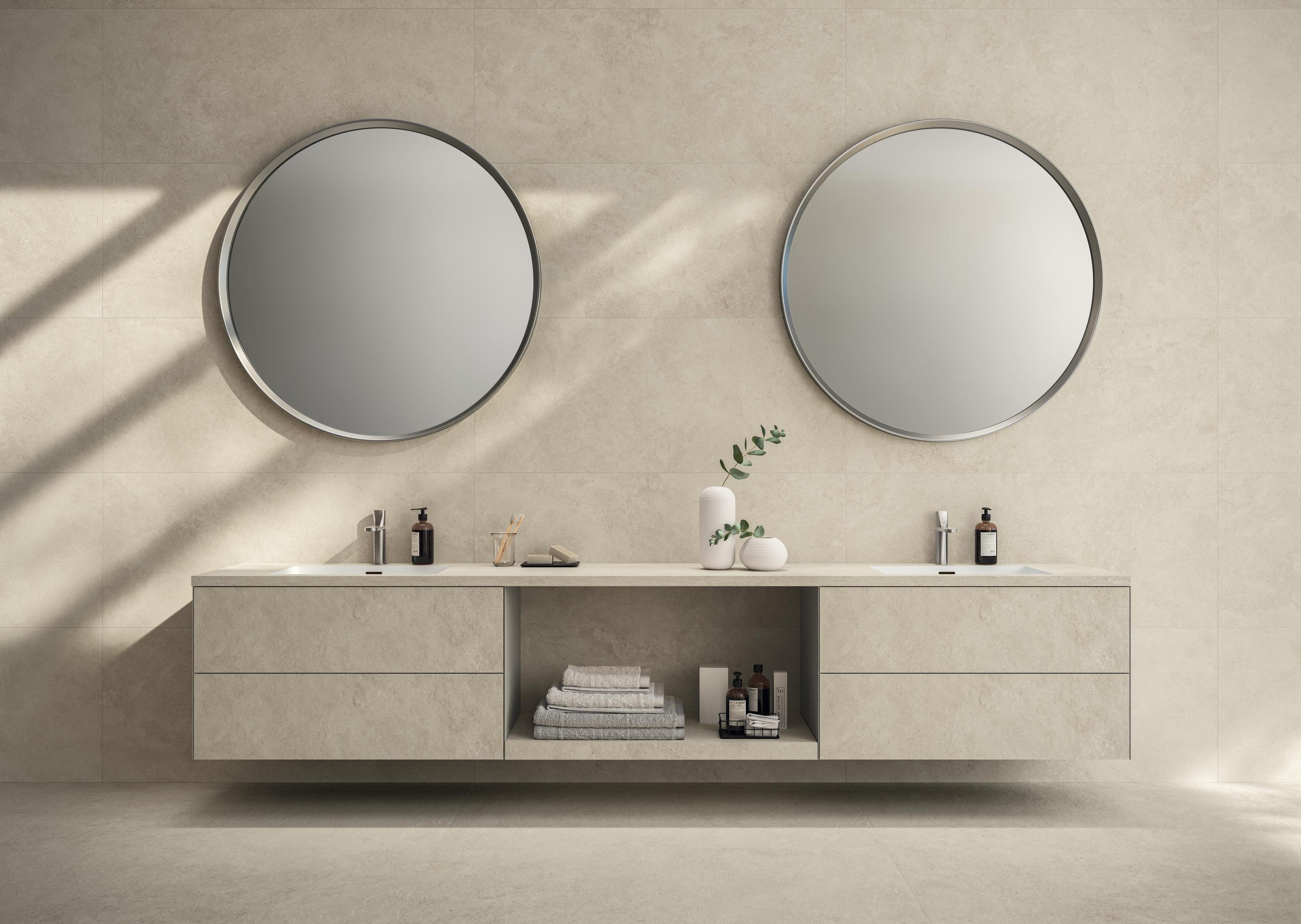
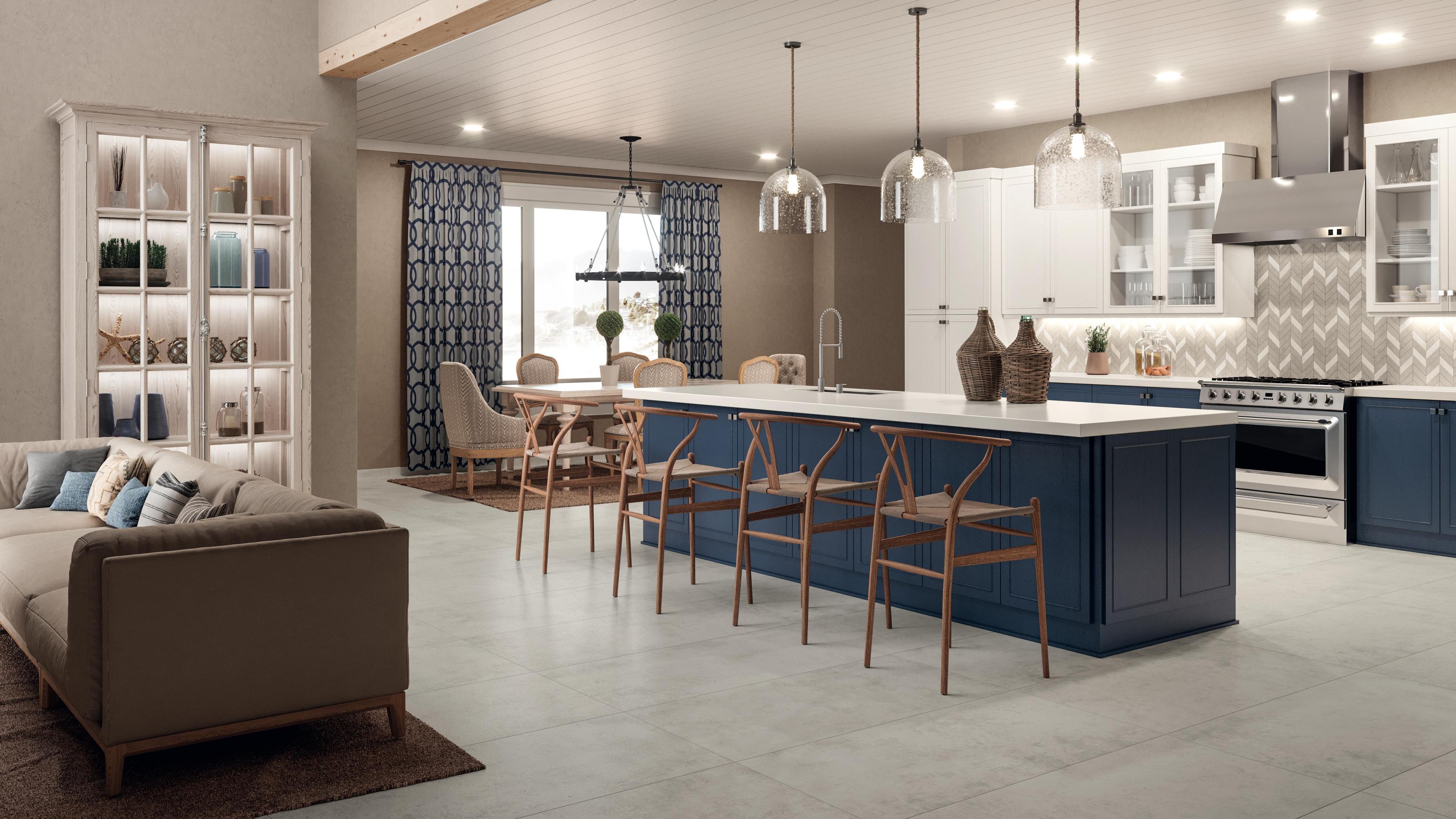
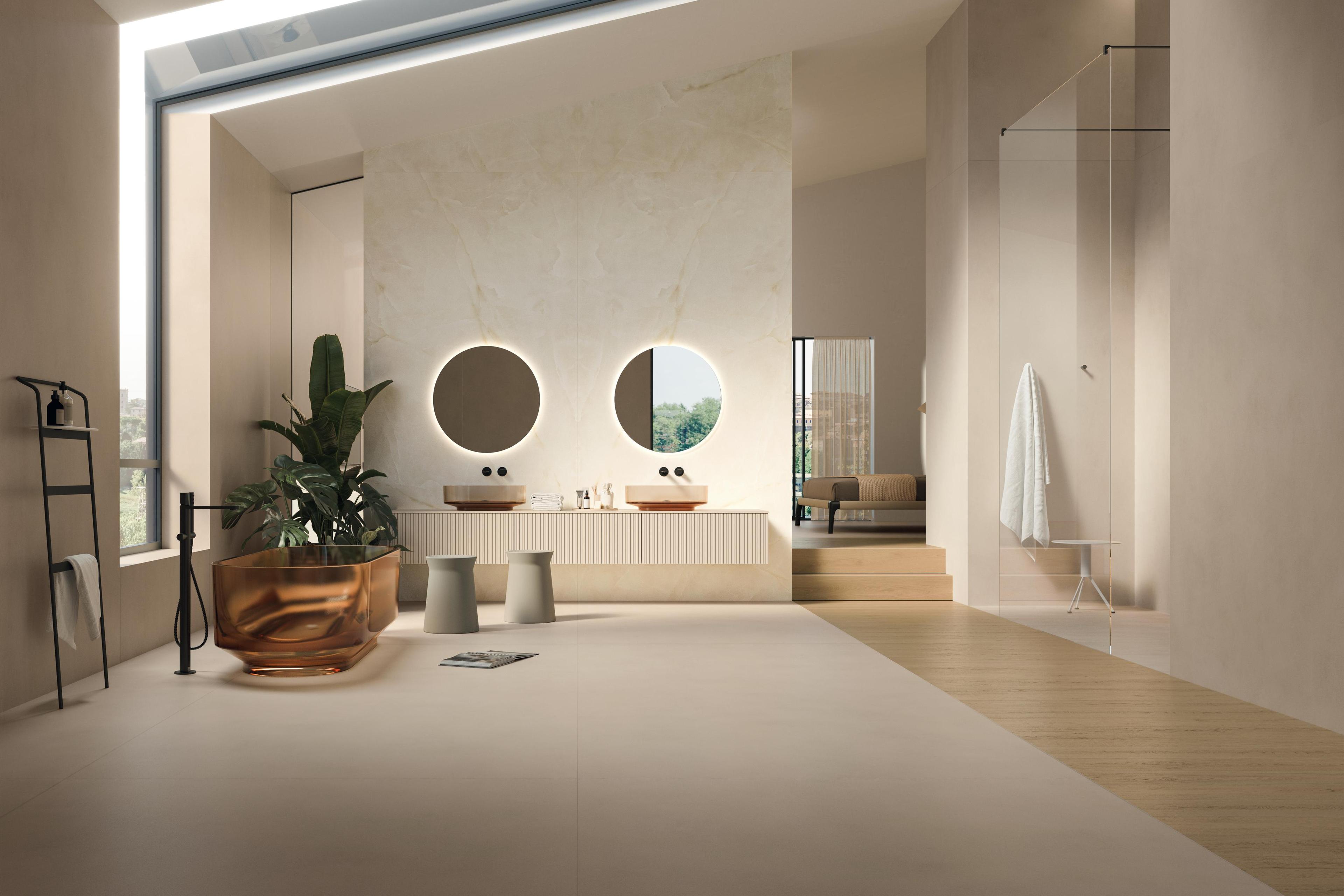
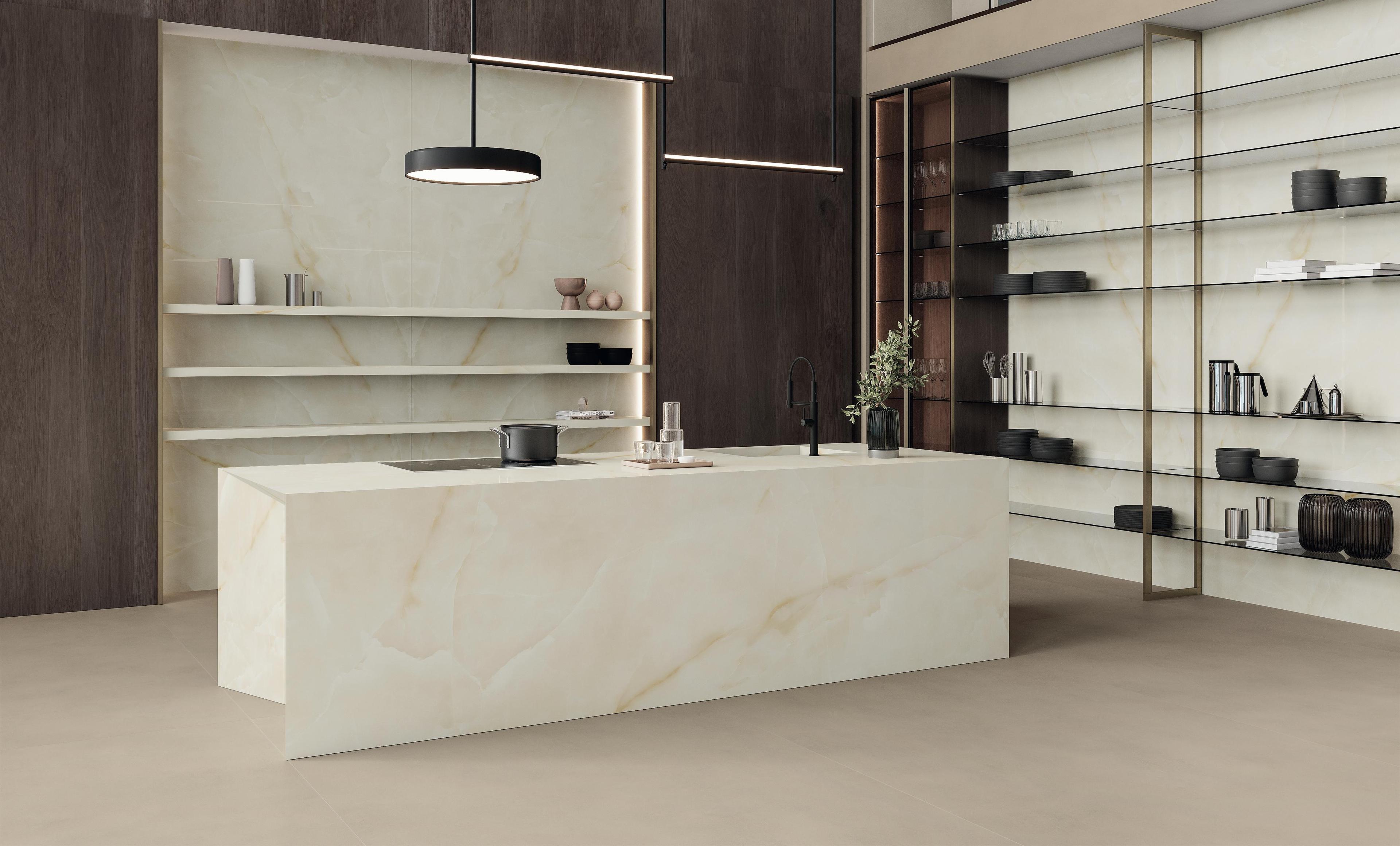
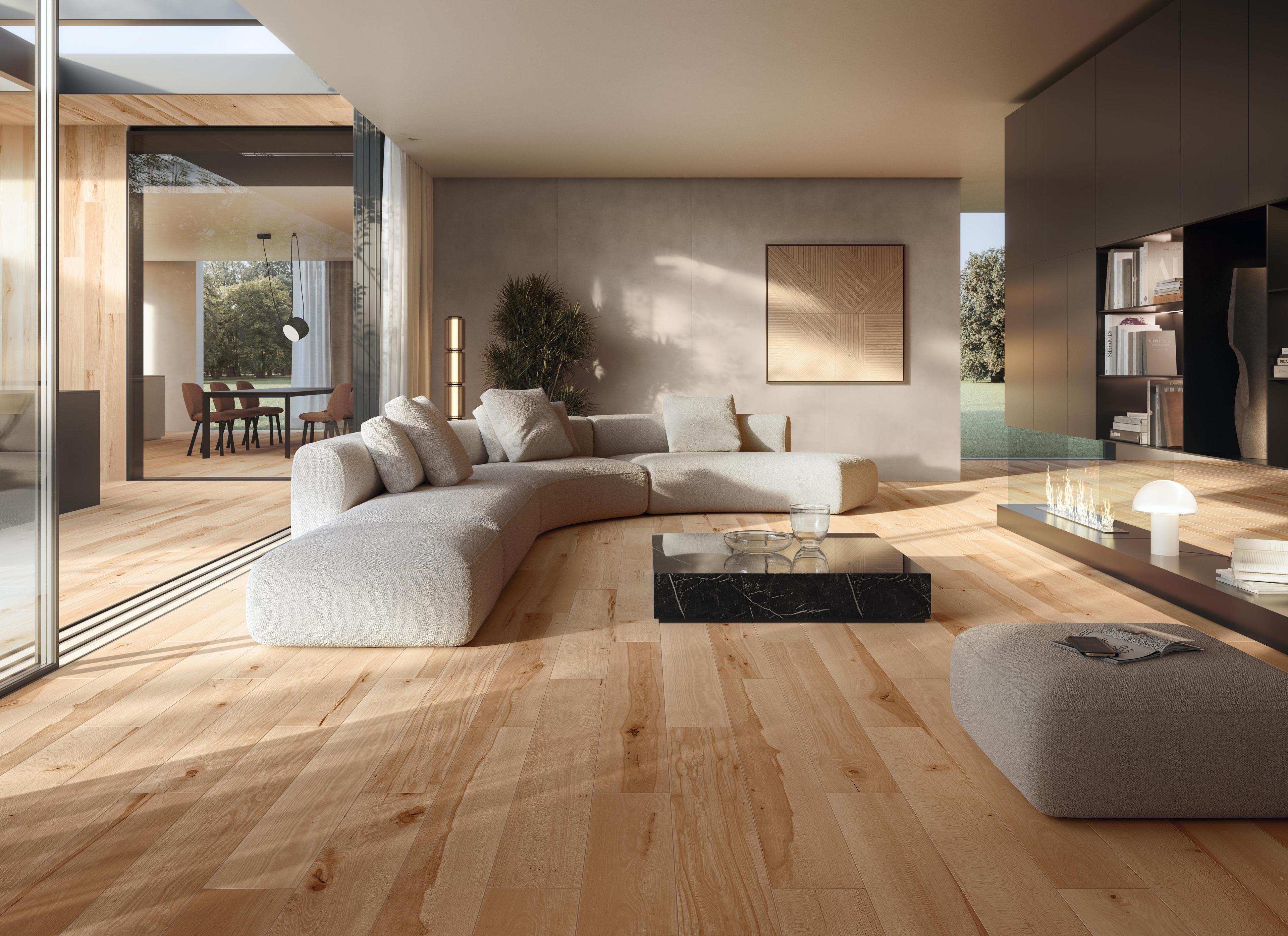
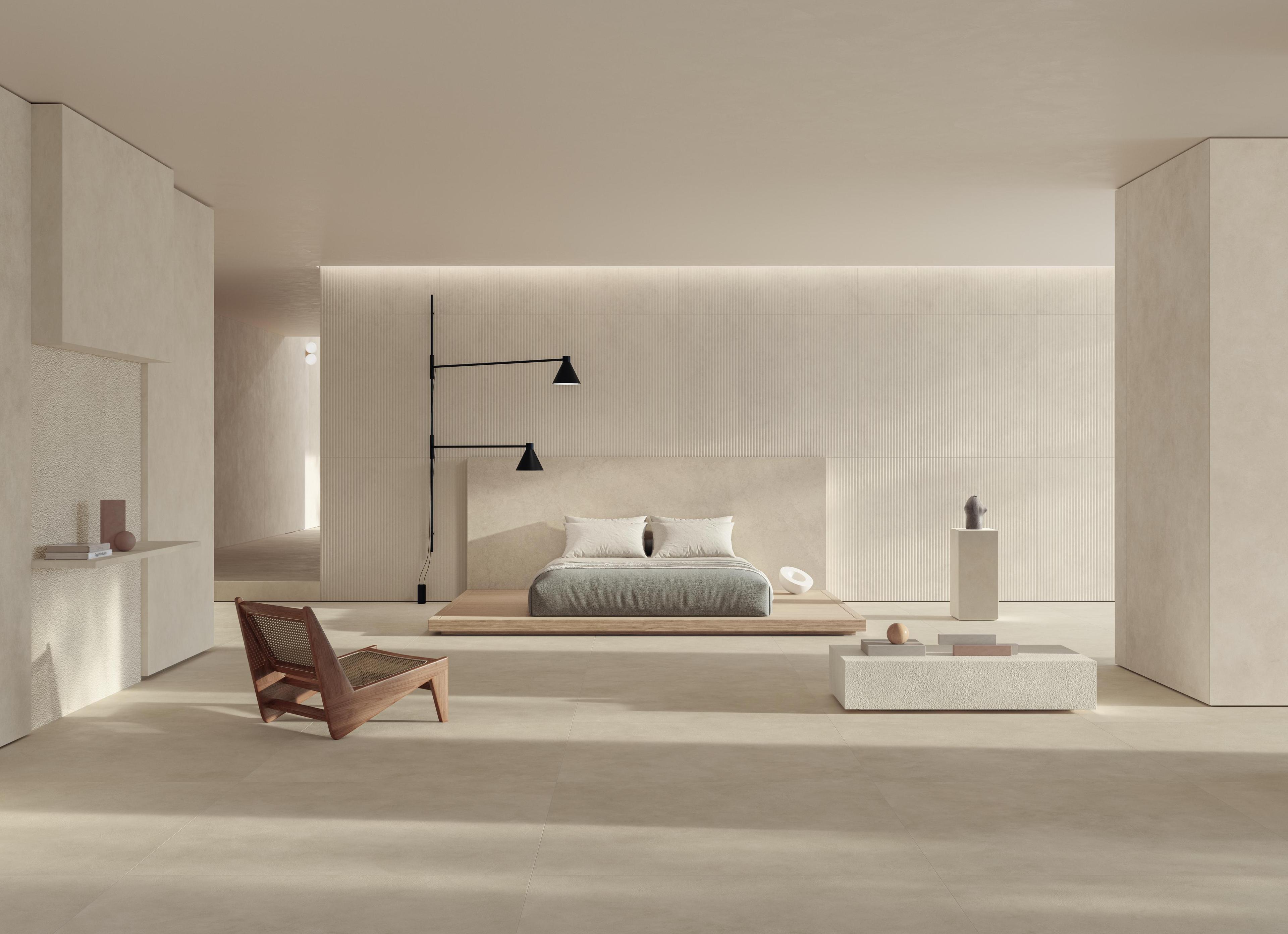
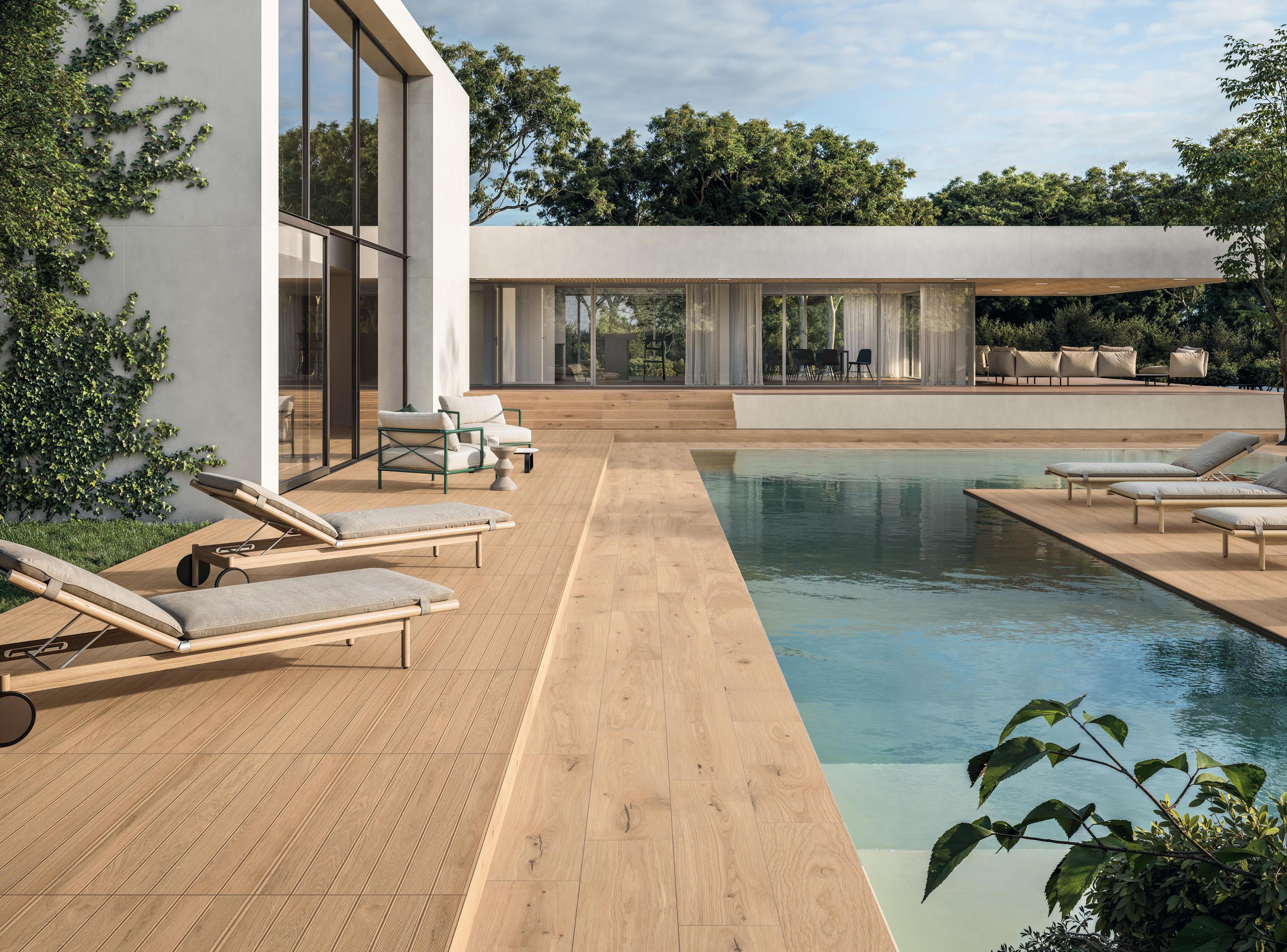
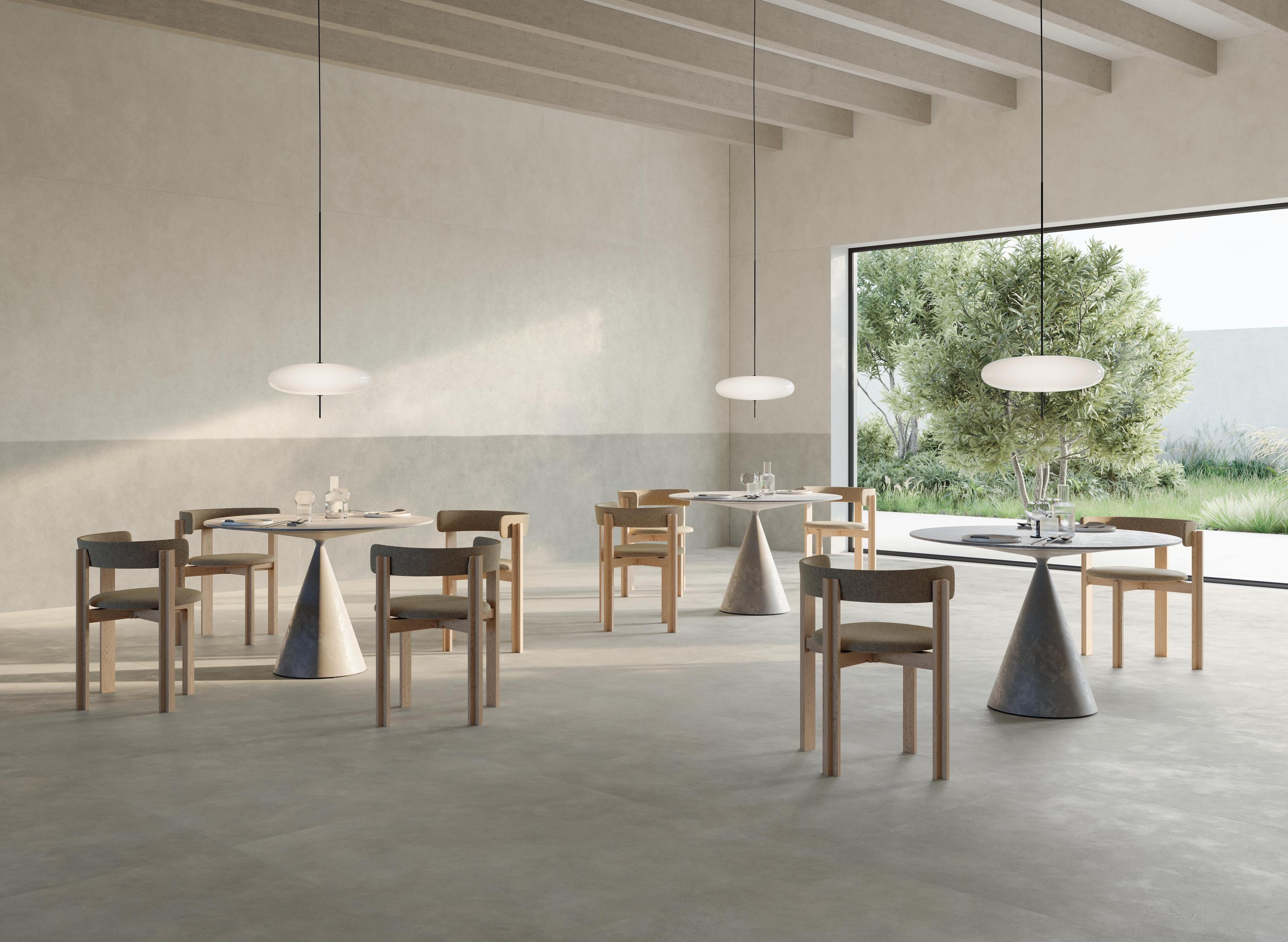
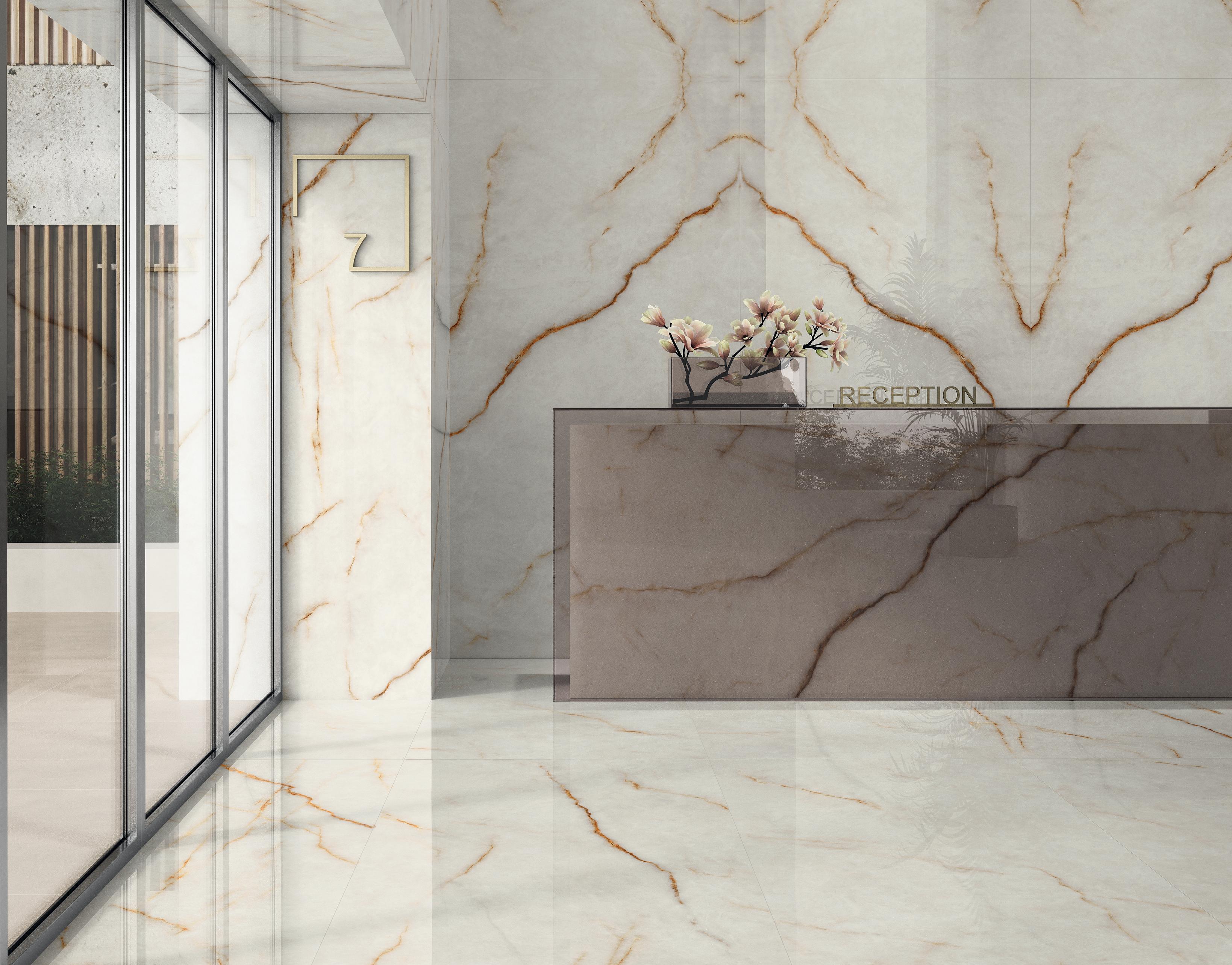
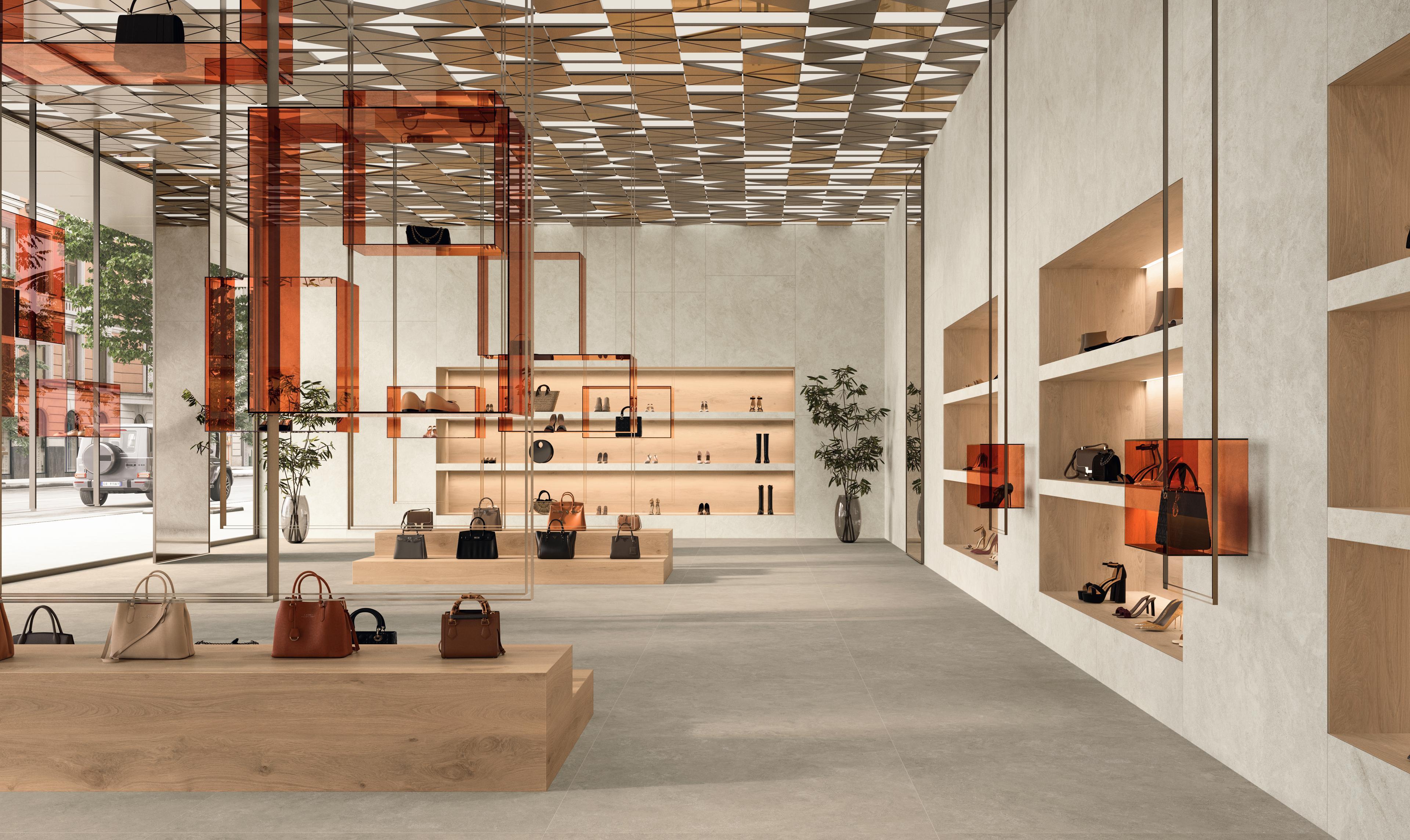
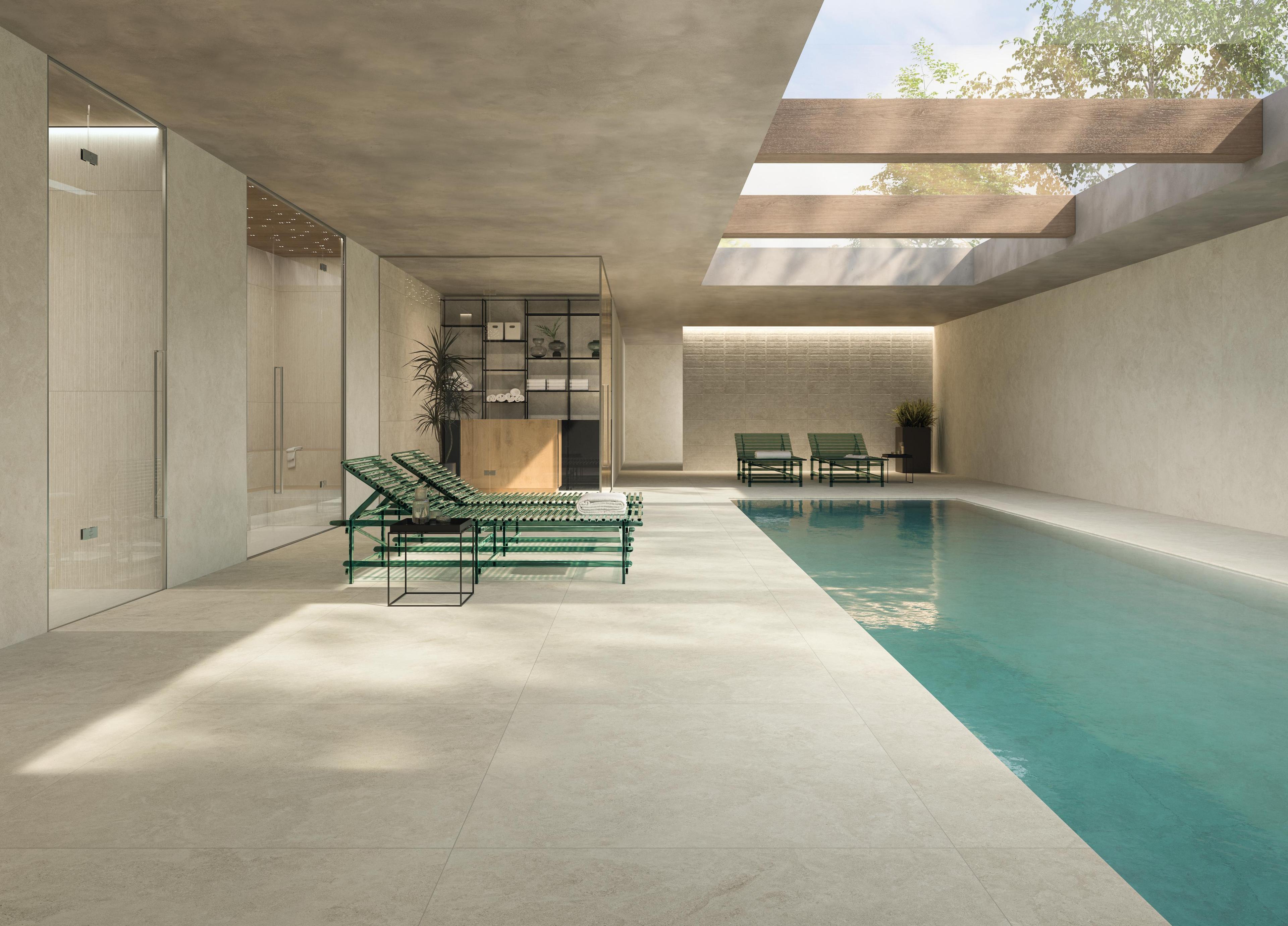
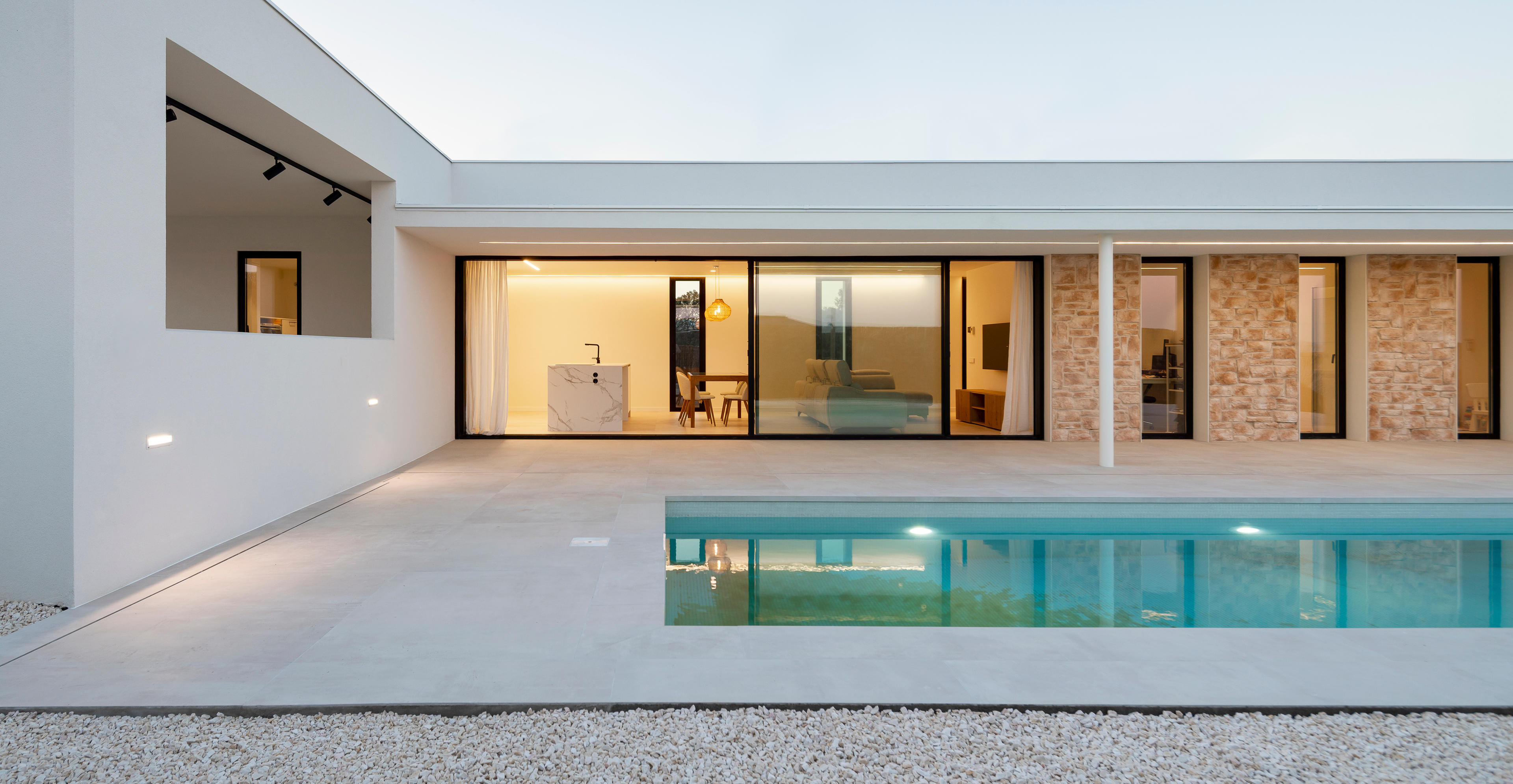
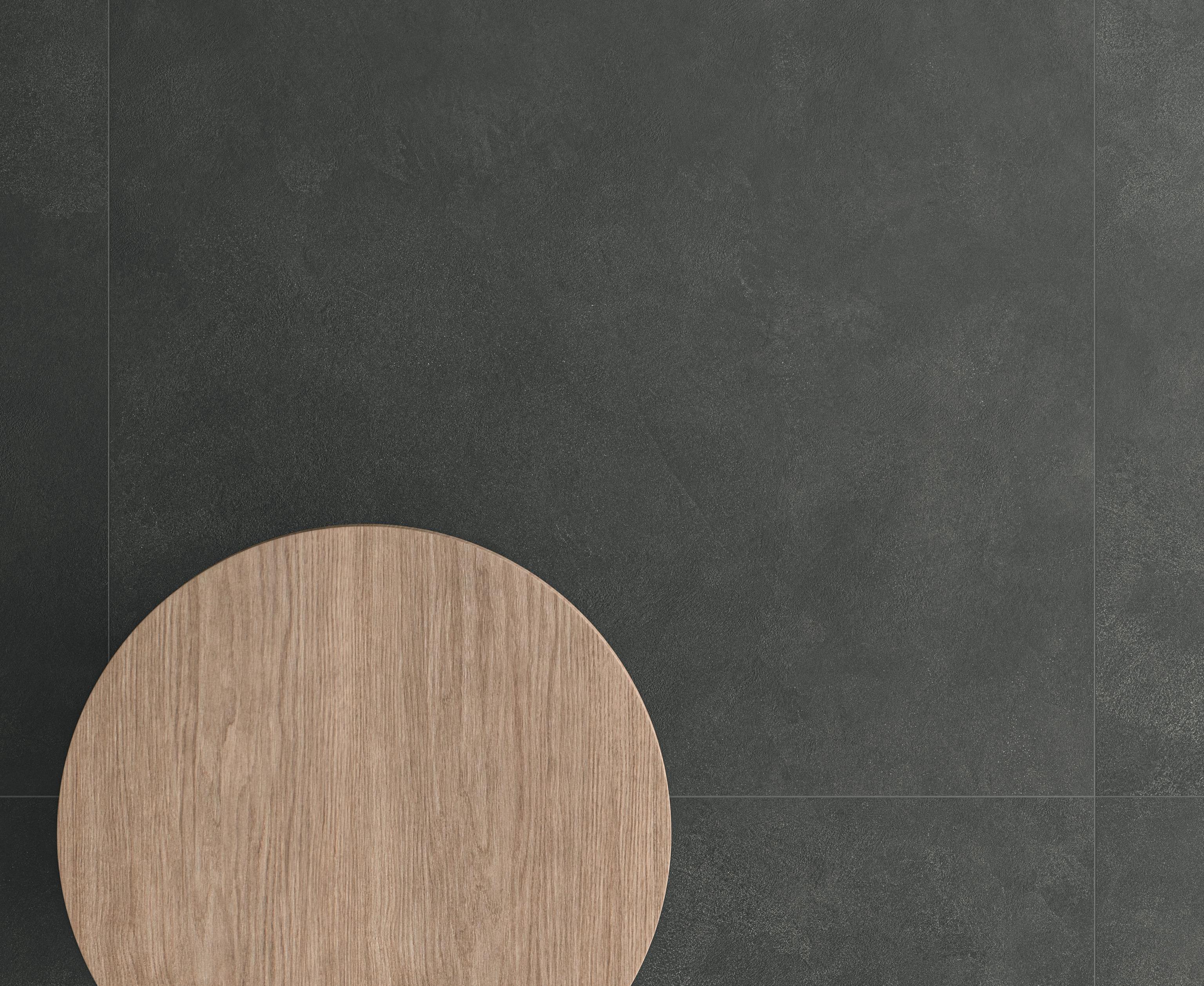
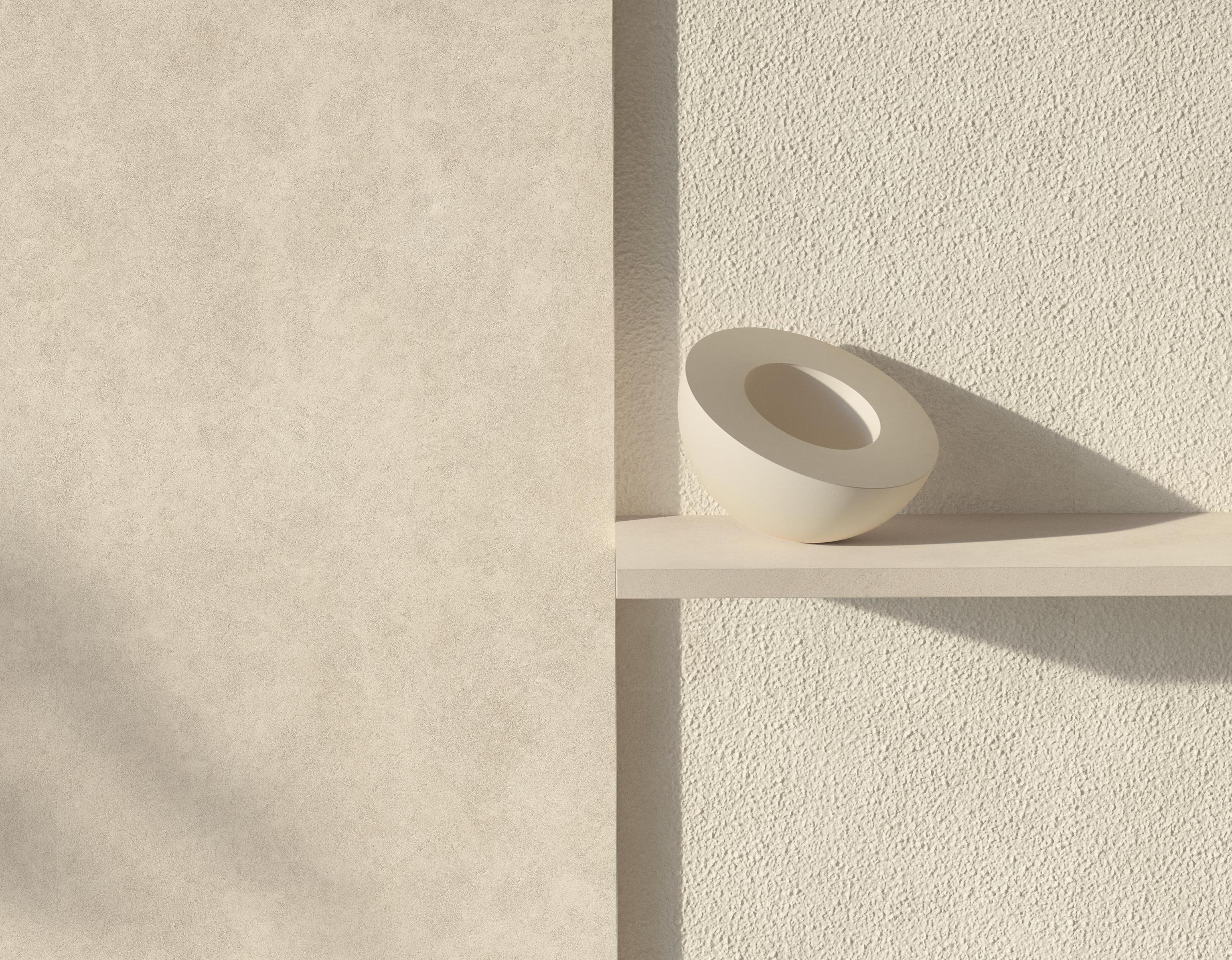
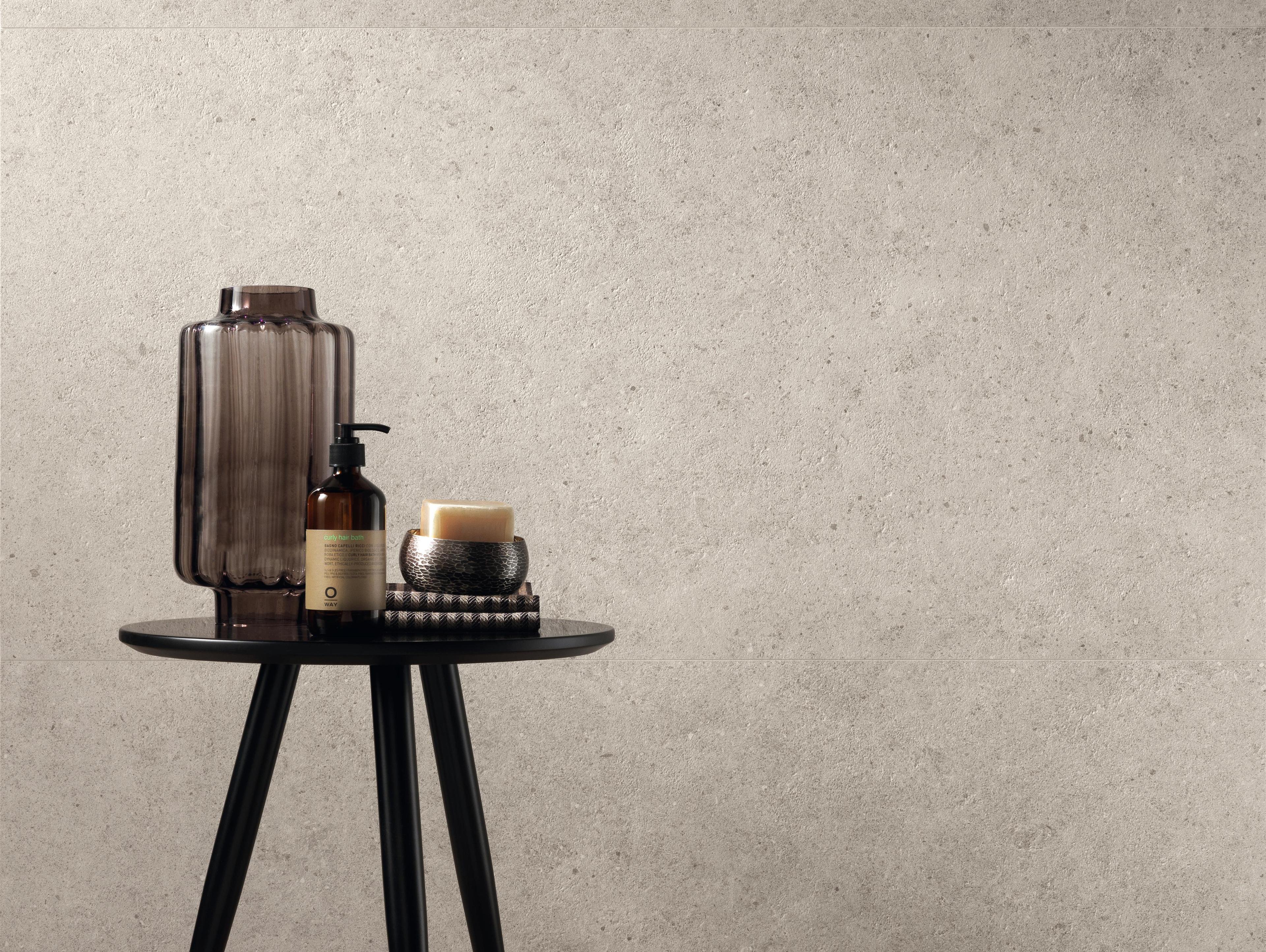
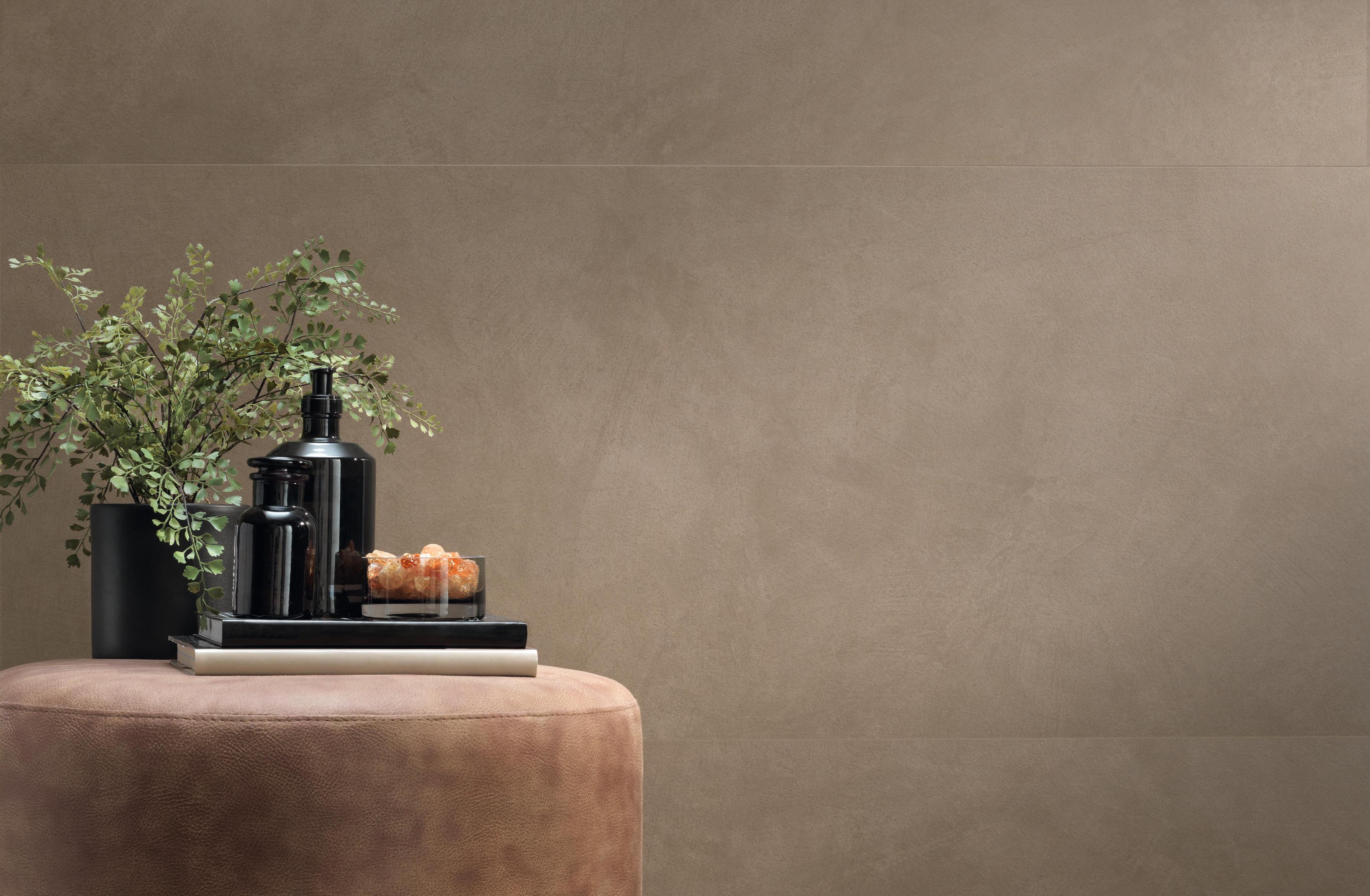
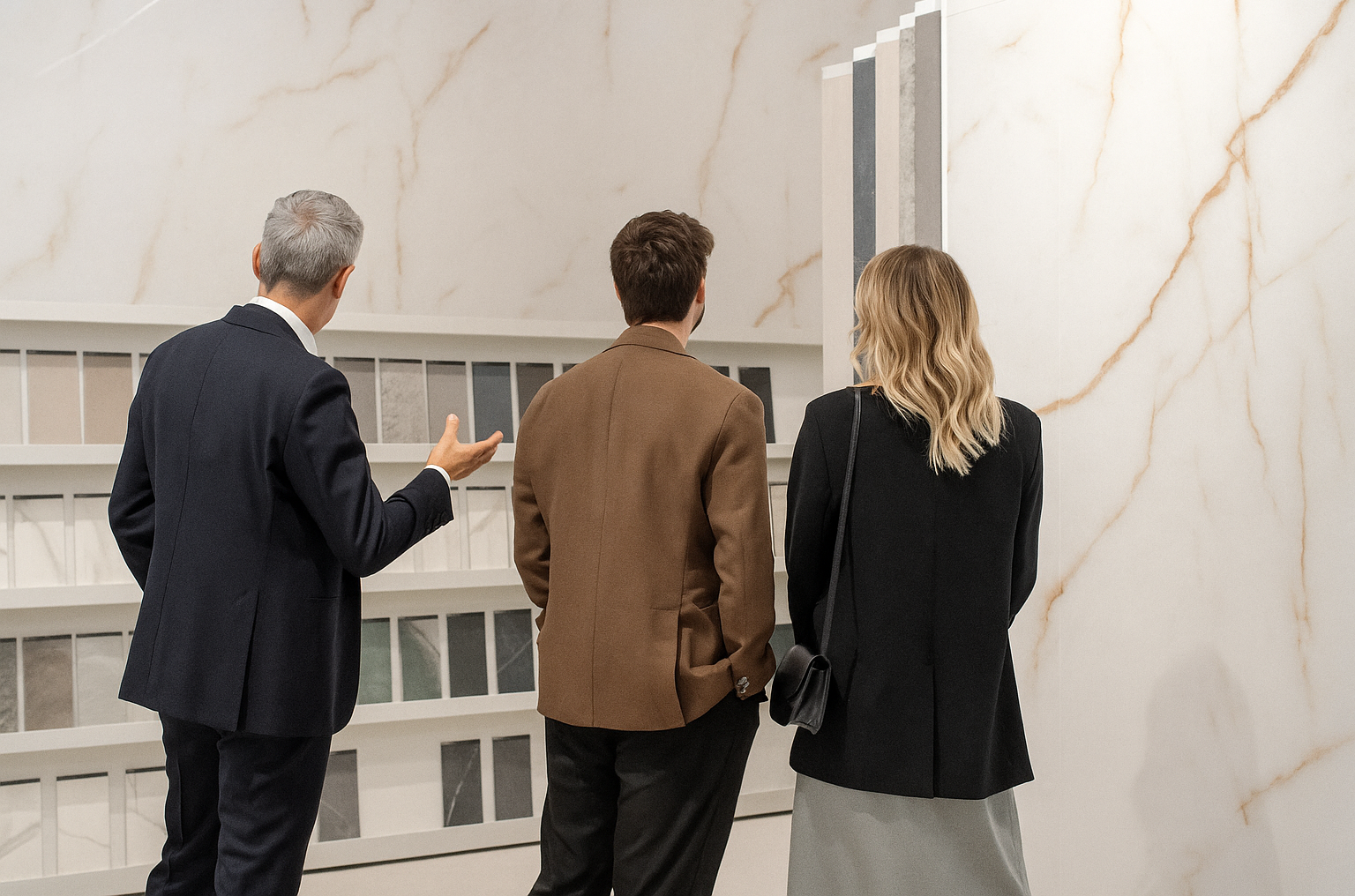
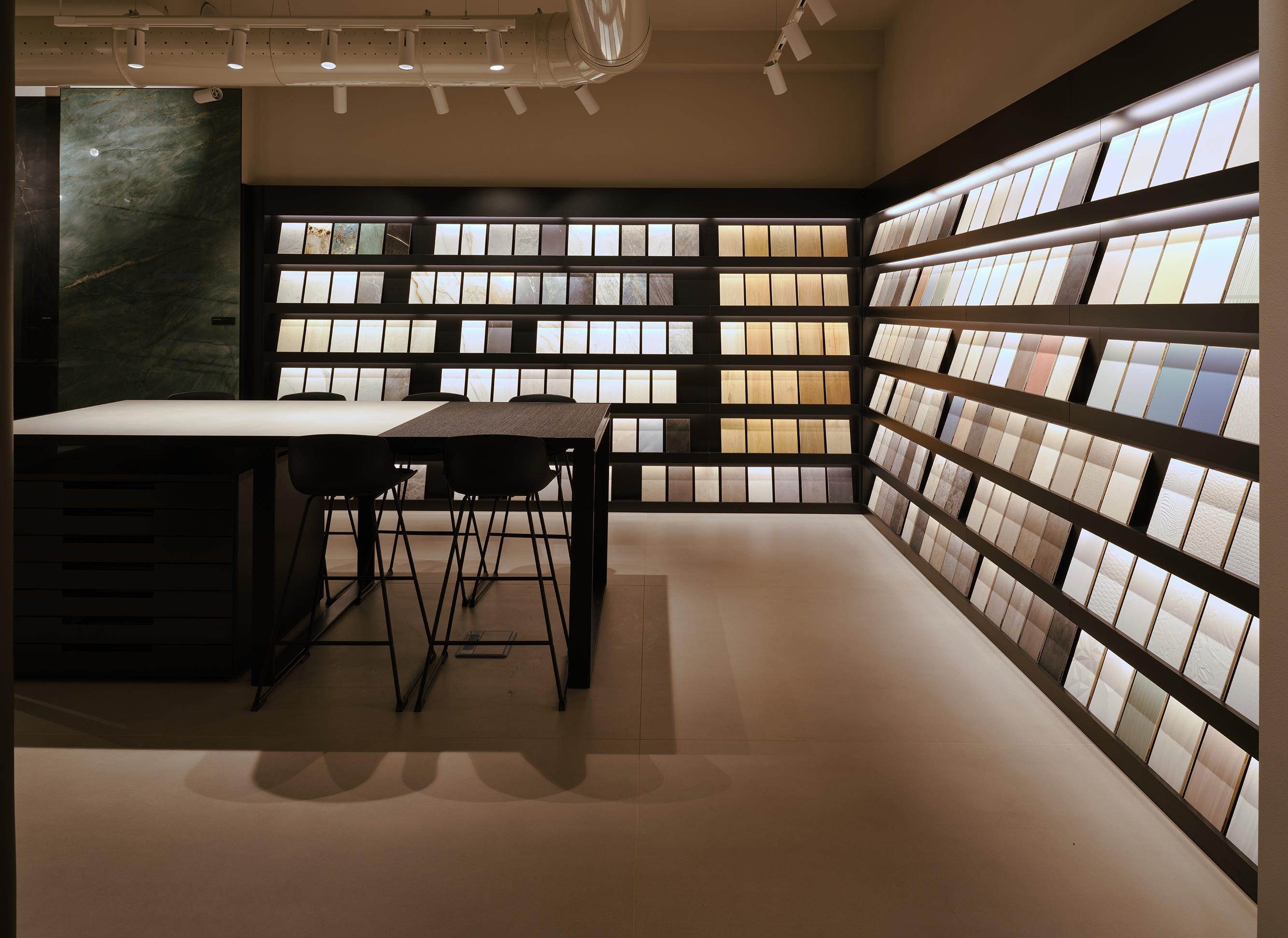
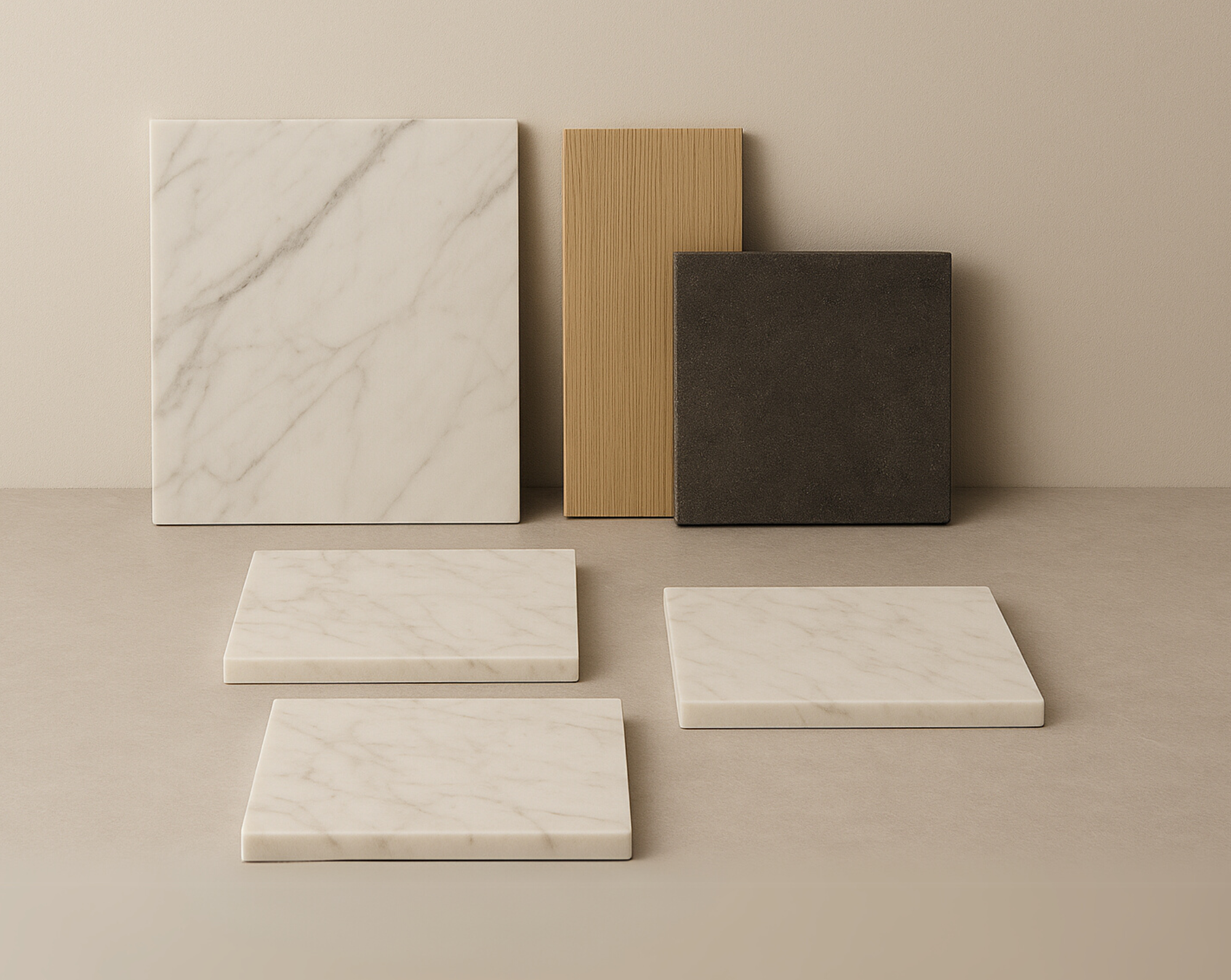
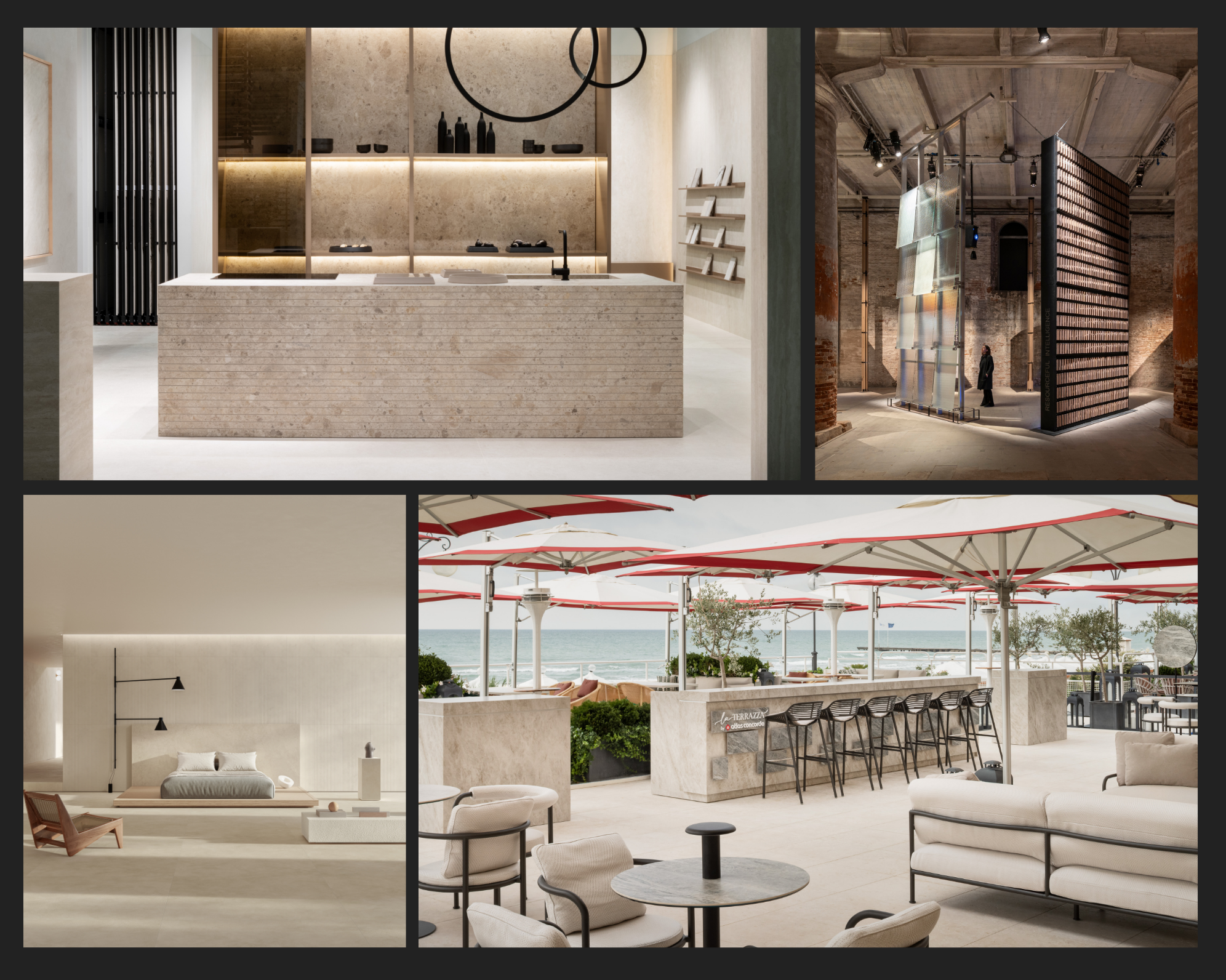
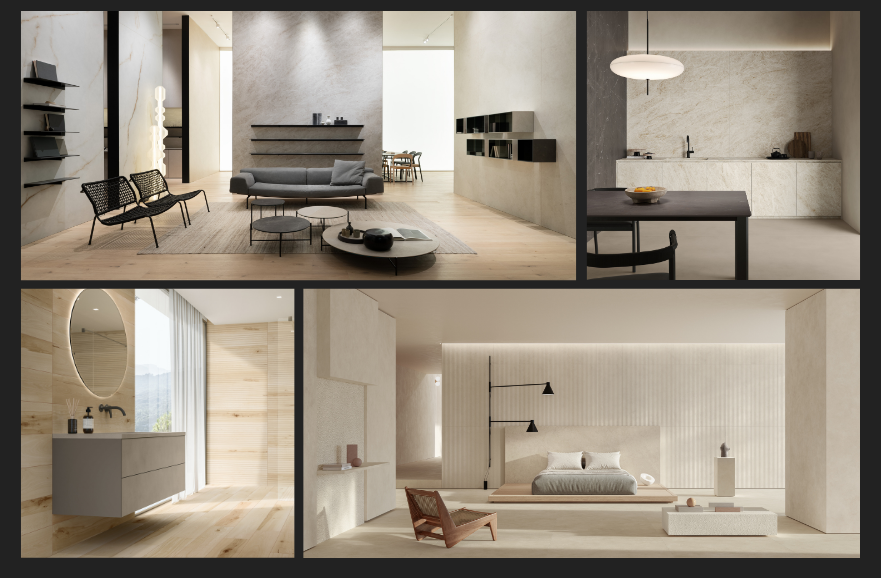
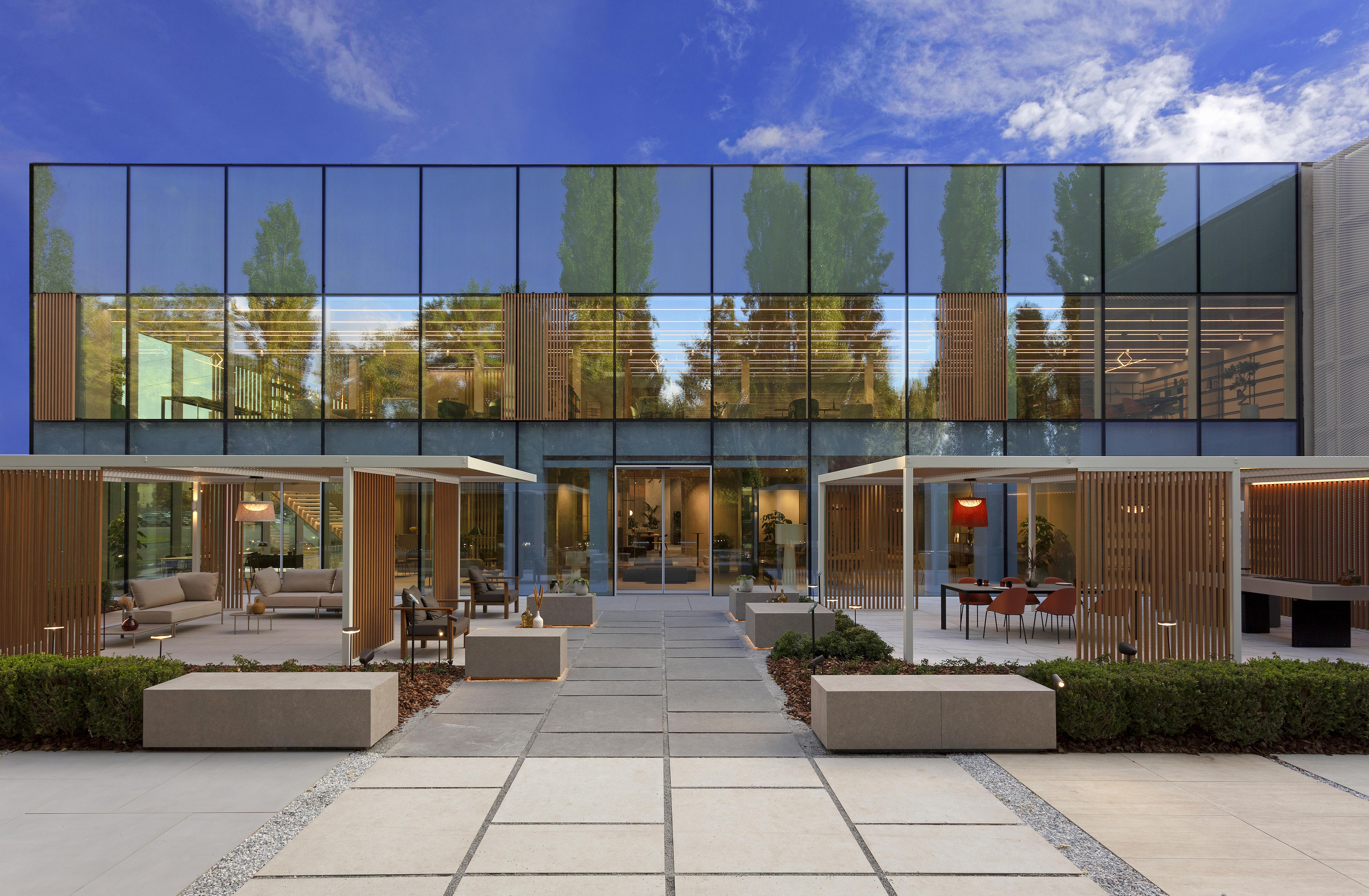
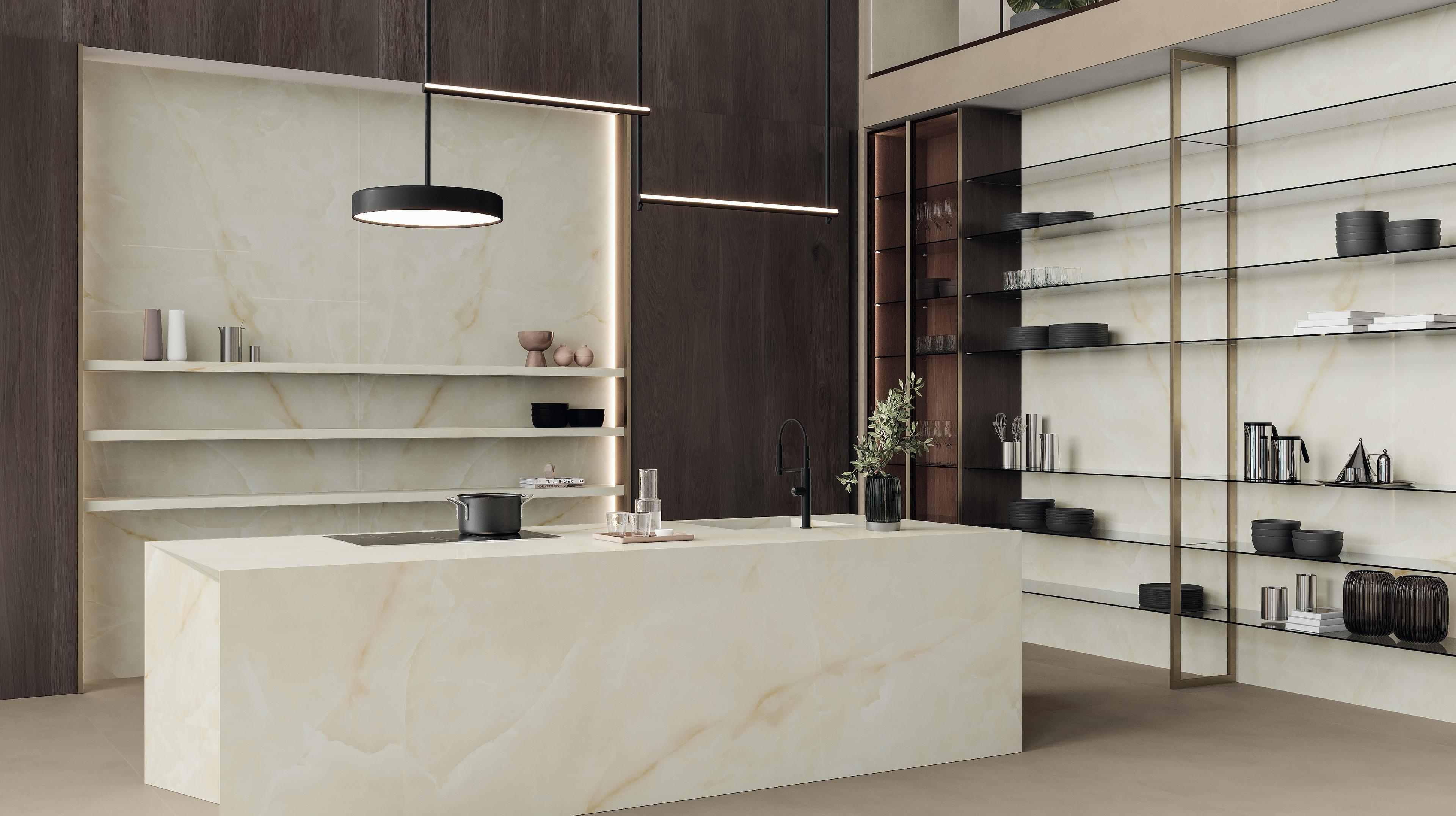
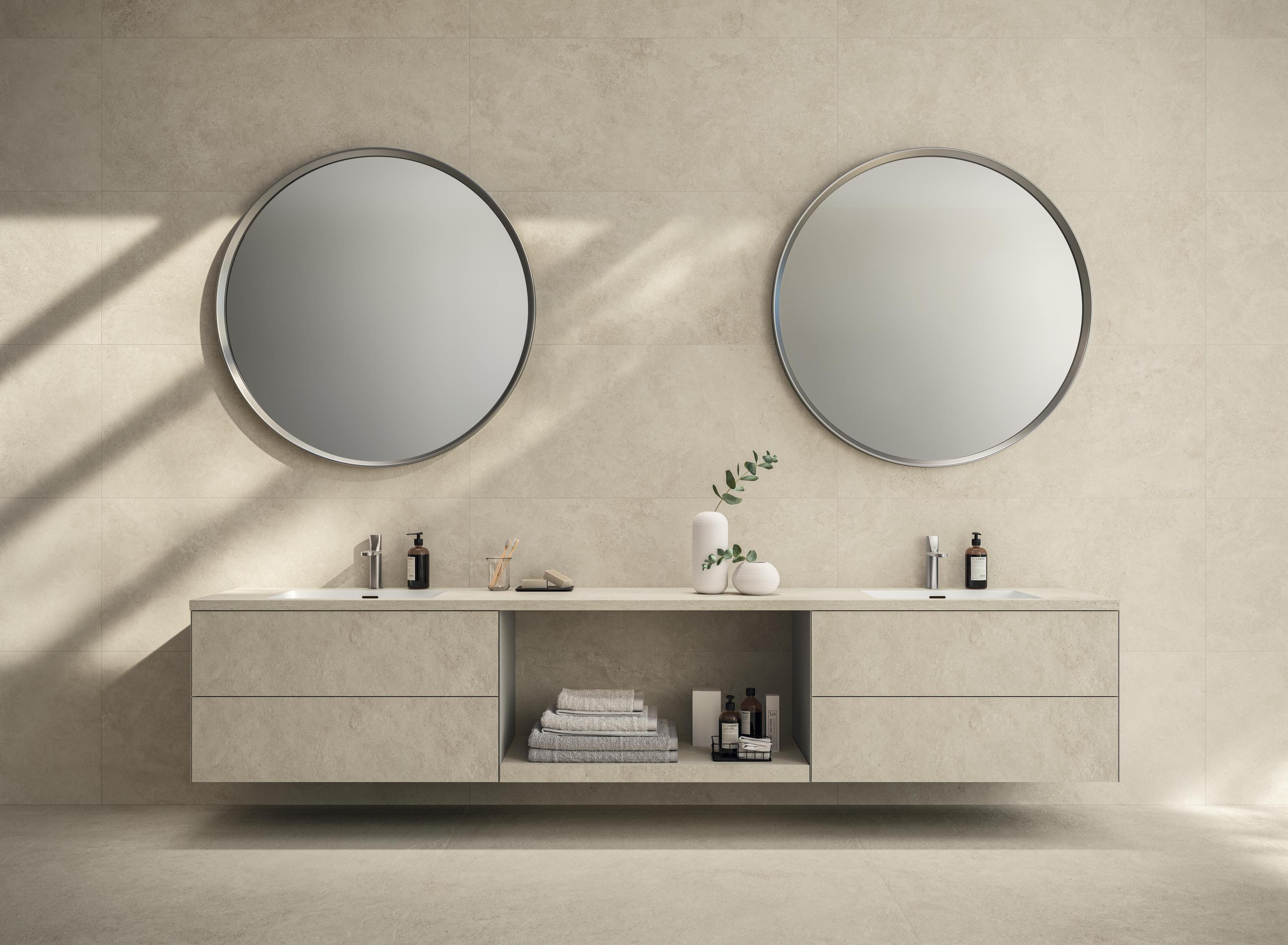
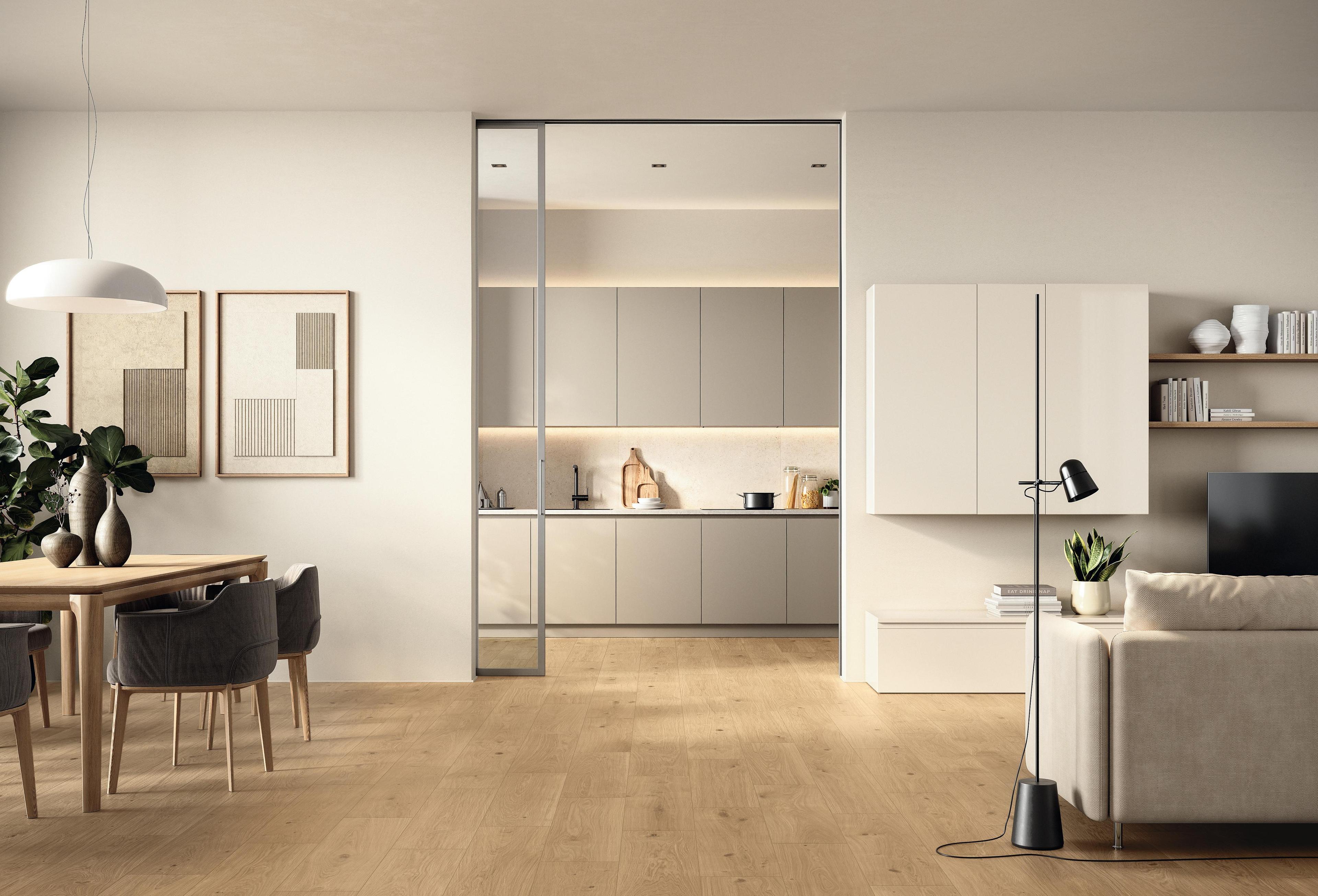
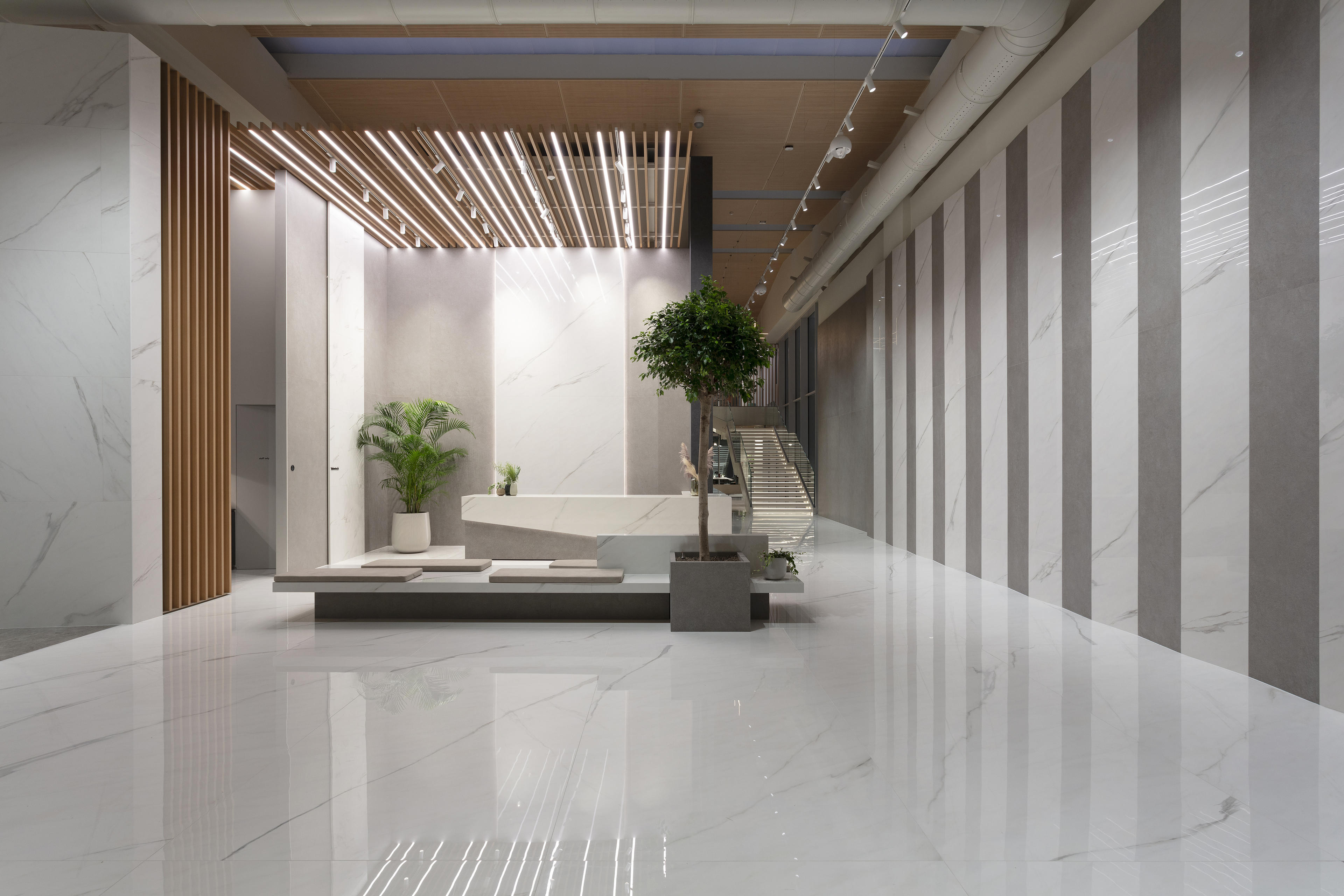
Hospitality expertise. In a contemporary hotel, surfaces are not the last decision — they are one of the first. Floors, walls, large-format slabs and furniture elements define how a space is perceived, how it holds up under intensive use, how it reads across different areas of a property. Atlas Concorde works on ceramic surfaces that perform across all of these environments — rooms, bathrooms, lobbies, restaurants, wellness areas, outdoor spaces and common areas.
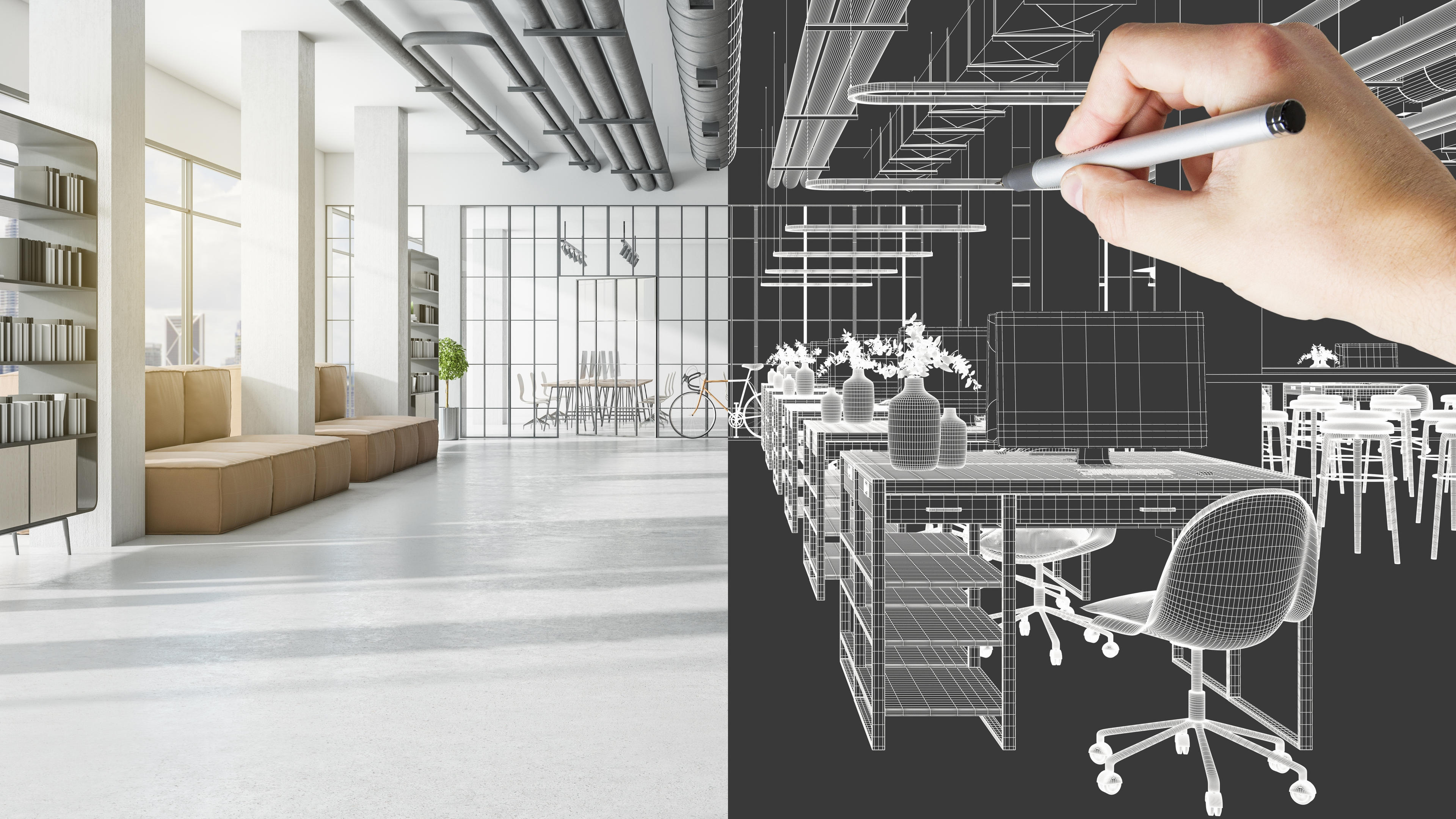
Design culture. The Awards speak to students, designers and specifiers. Atlas Concorde enters this conversation not as a supplier, but as a brand that understands how material choices serve the design idea — how the ceramic surface becomes an instrument of the project, not a finish applied at the end of it.
Innovation and performance. In hospitality, beauty and performance are not opposing demands. Surfaces must be expressive, but also resistant, hygienic, durable and manageable over time. This is where Atlas Concorde has a natural role: at the point where design ambition meets operational reality.
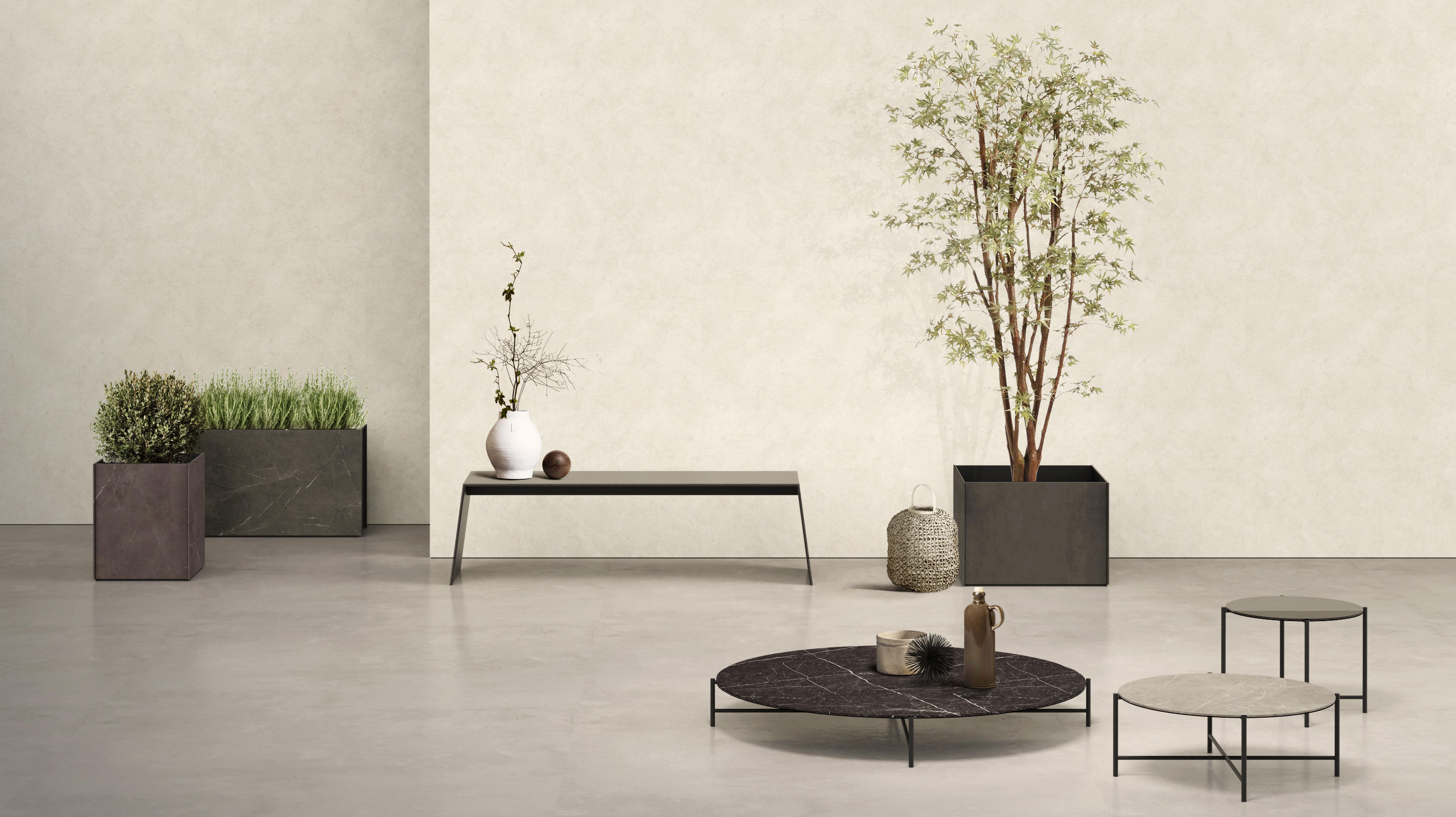
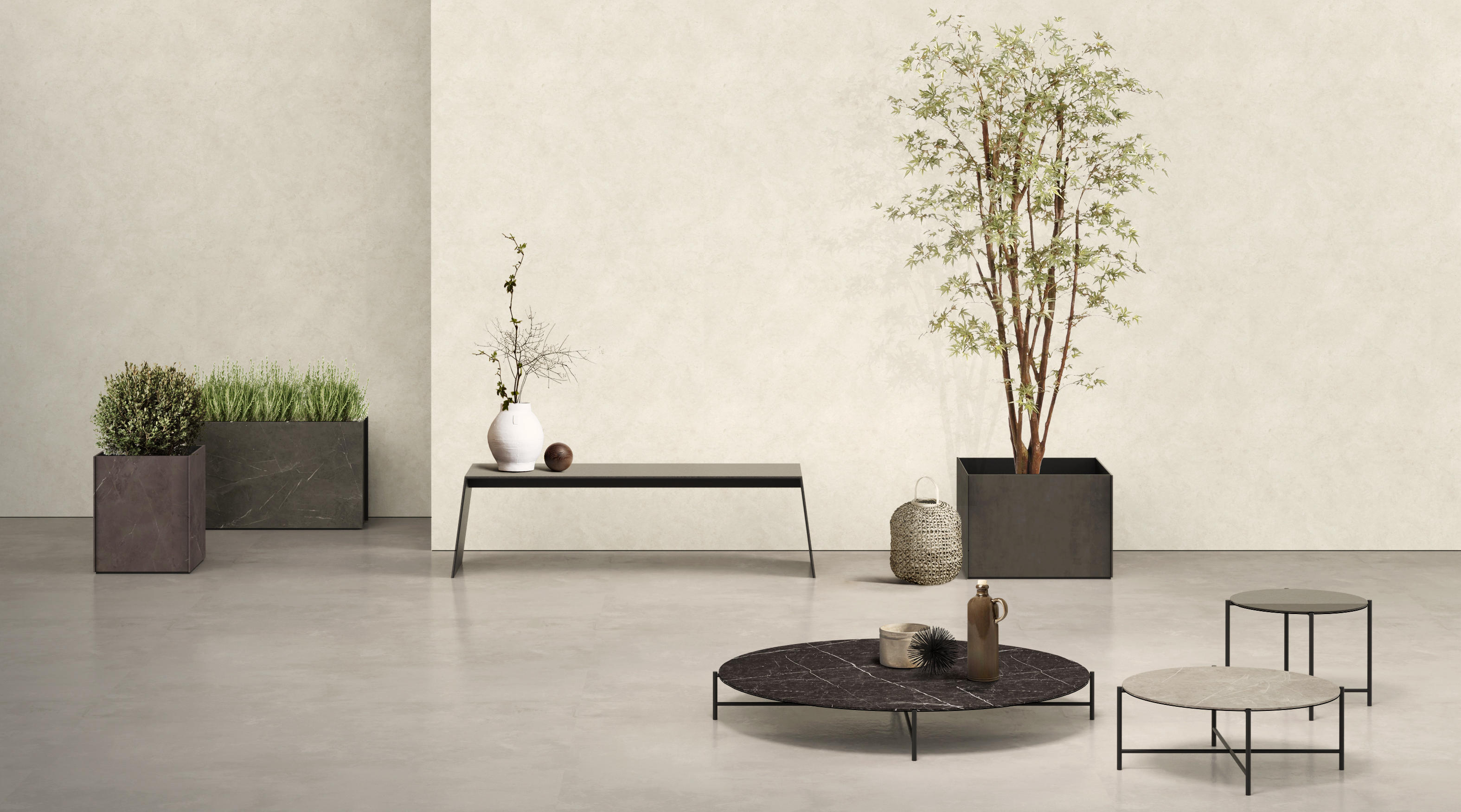
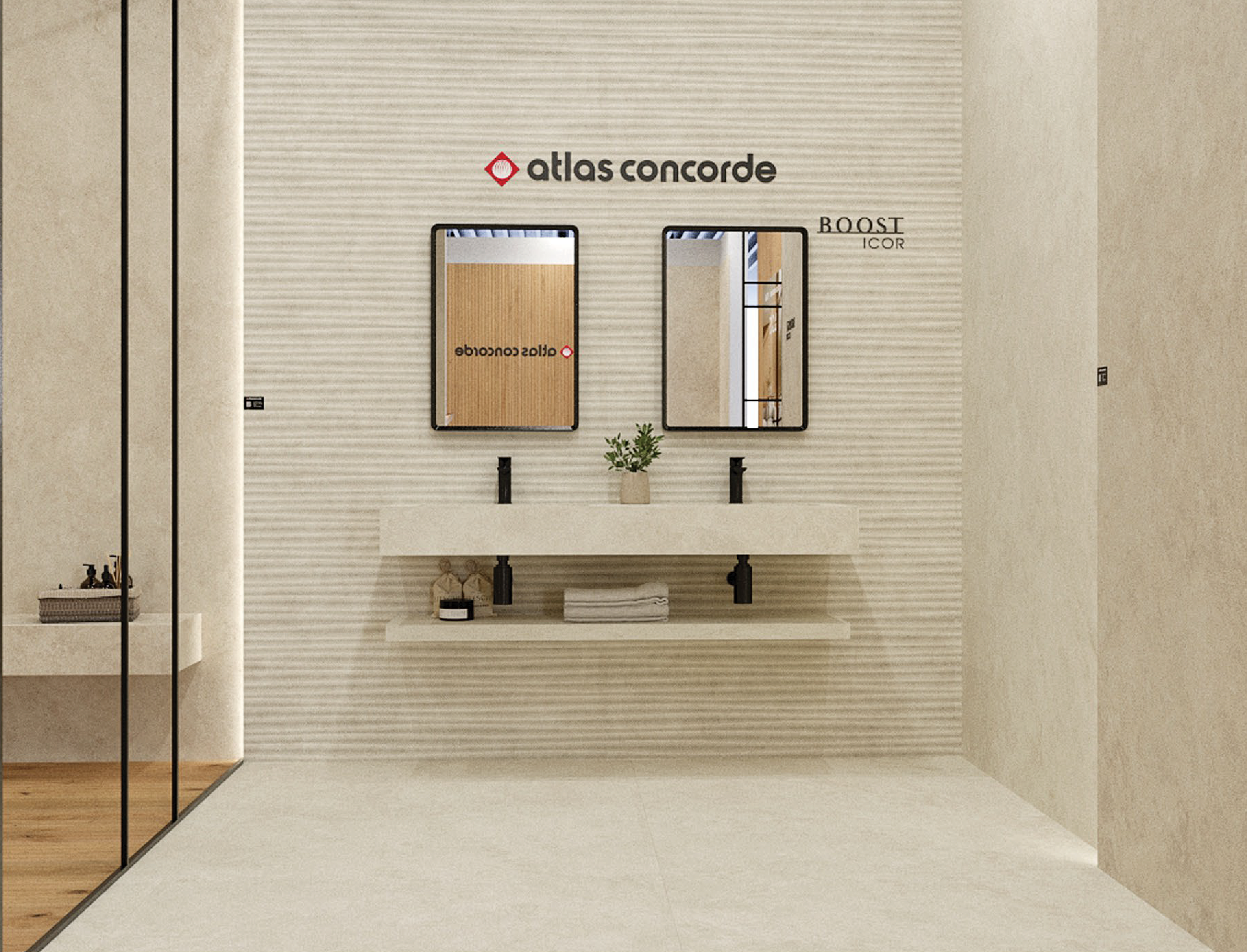
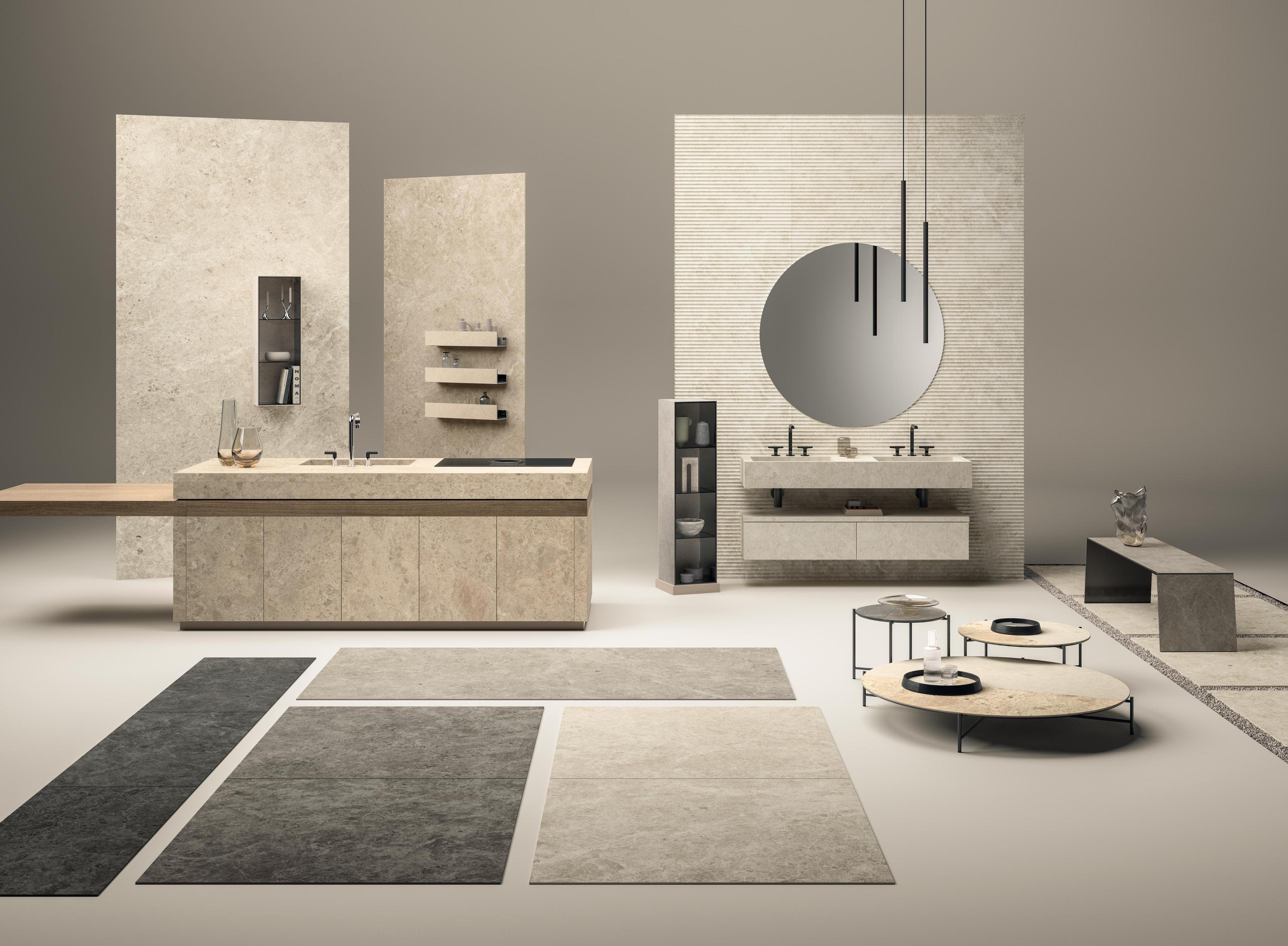
An integrated spatial vision. Through Atlas Concorde, Atlas Plan and Atlas Concorde Habitat, the brand can speak to a coordinated system — floors, walls, large-format slabs and furniture elements. In hospitality, where aesthetic coherence and design control are fundamental, this integrated offer is a concrete response to how spaces are actually specified and built.
Being at the jury table means contributing that expertise where it counts most: at the point where ideas about the future of hospitality become concrete proposals.