

.jpg?cropw=4096&croph=2654.2479700187387&cropx=9.695217308093677e-13&cropy=76.7520299812622&cropmode=pixel&quality=75#)




.tif?cropw=4036.303976681241&croph=2705.4159900062464&cropx=59.69602331875912&cropy=25.584009993753906&cropmode=pixel&quality=75#)
.jpg?cropw=4096&croph=2978.1919633562356&cropx=0&cropy=93.80803664376384&cropmode=pixel&quality=75#)

.jpg?cropw=2733&croph=2733&cropx=636.5439718837721&cropy=0&cropmode=pixel&quality=75#)

Wellness Architecture, the principles of balance and wellbeing
Trend
Wellness Architecture | Interview with architect Alberto Apostoli
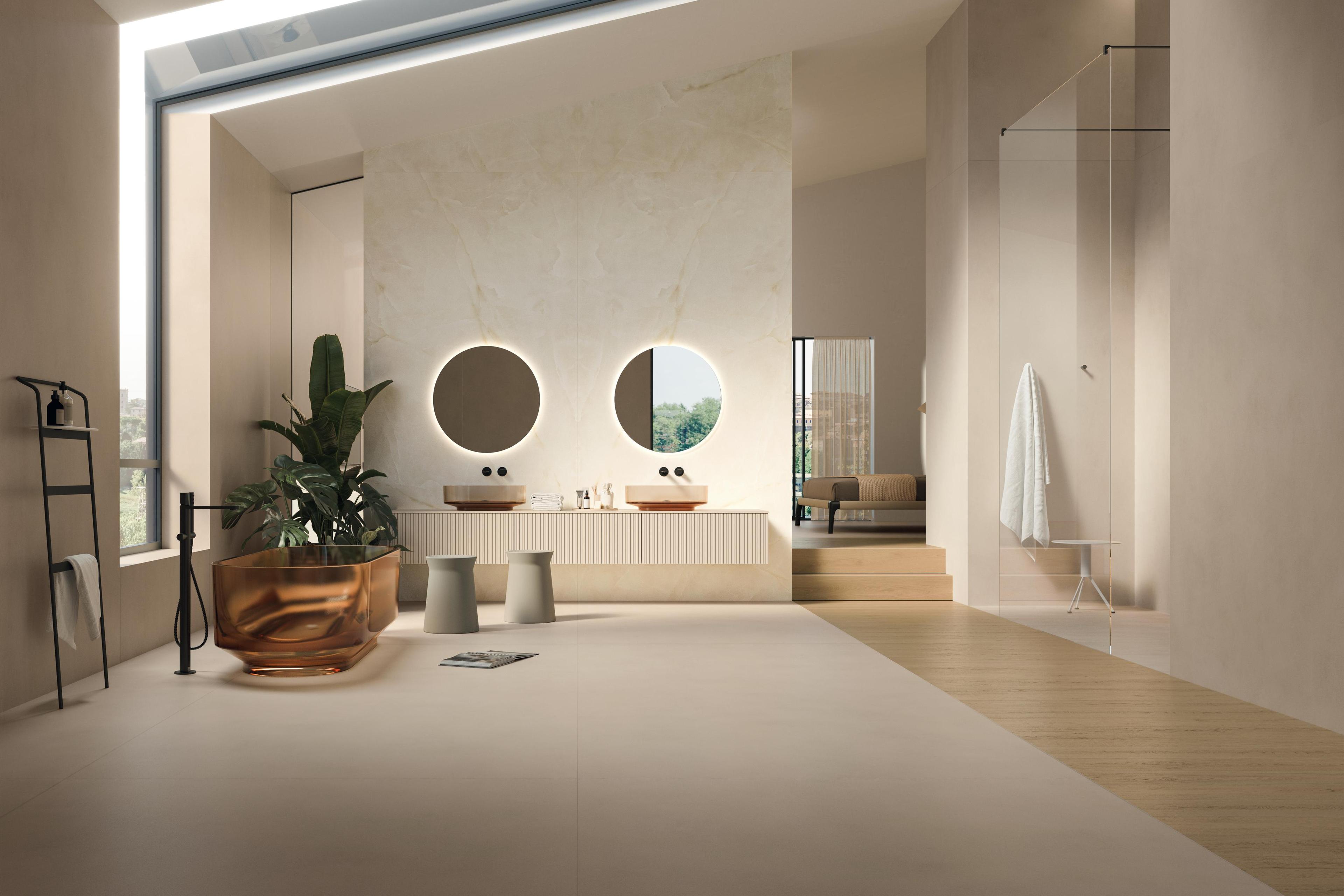
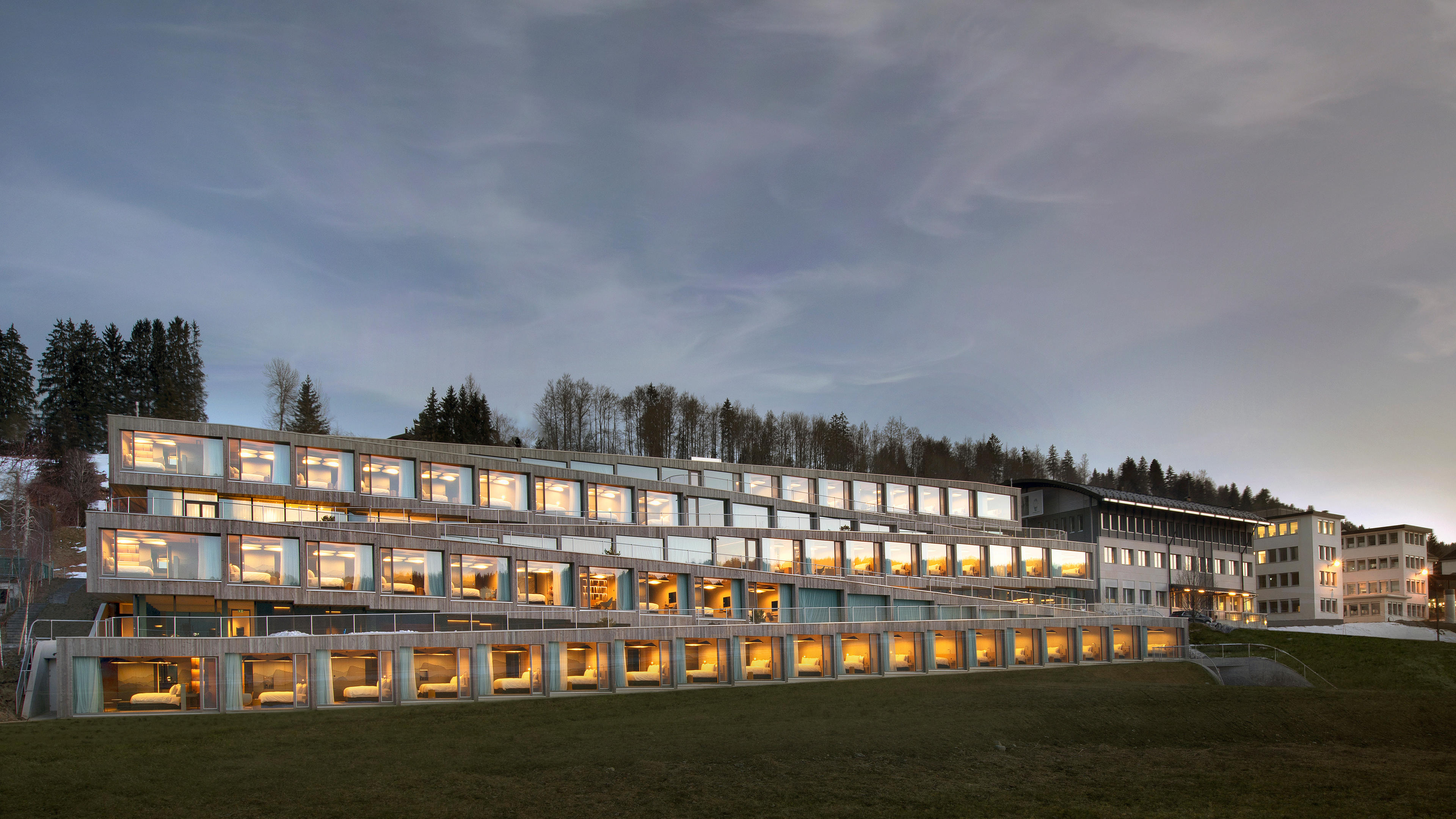
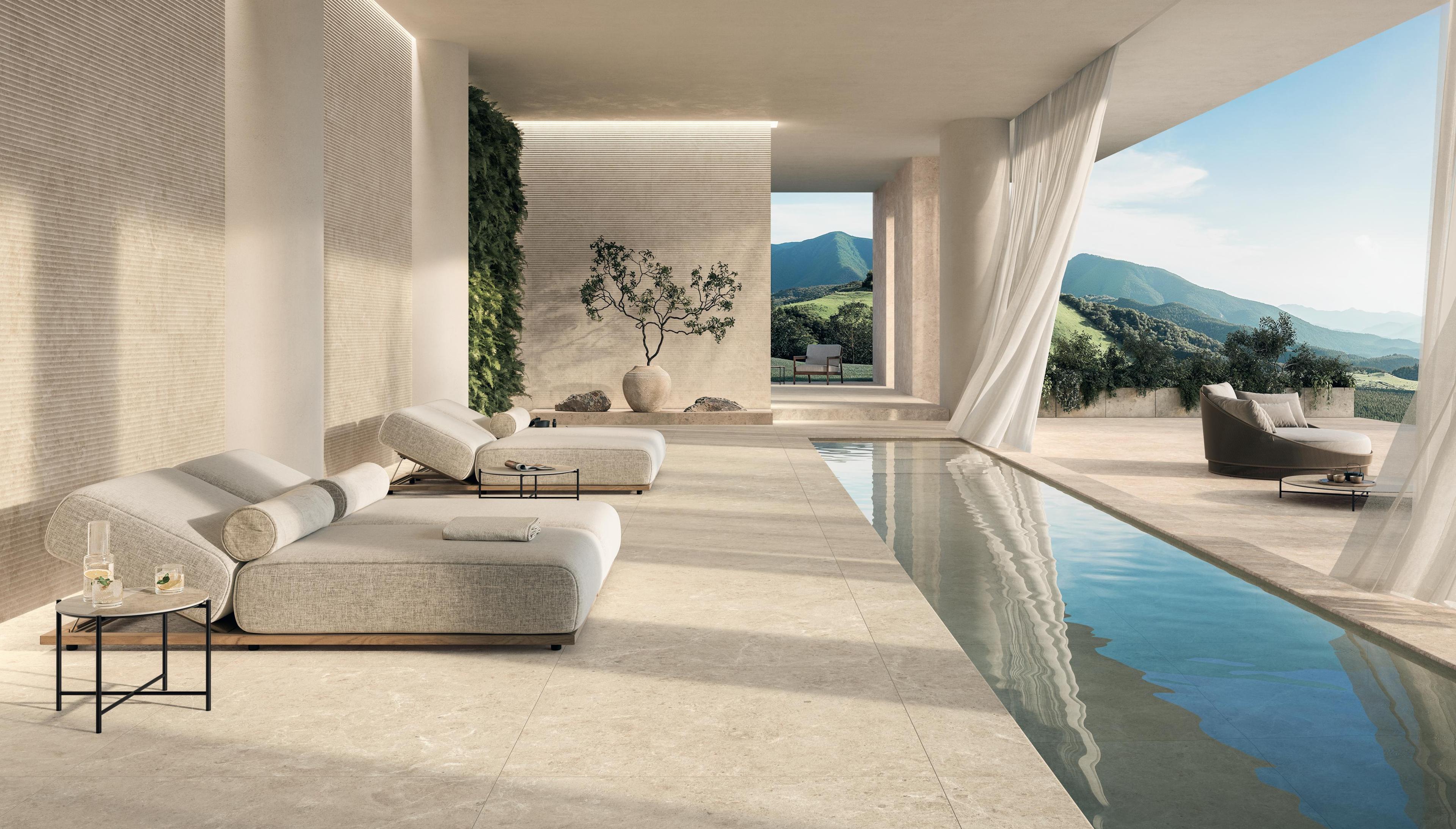
Designing hotel environments with a regenerative impact on the balance between body, soul and mind. We discussed this with architect Alberto Apostoli, an expert in Wellness Architecture, who created the Nyra collection for Atlas Concorde, presented at Cersaie 2025. While traditional architecture focuses mainly on function and stylistic language, the main objective of Wellness Architecture is to contribute to the wellbeing of individuals and the community. This results in a particular holistic focus on sensory aspects that involve all five senses and goes beyond a traditional artistic vision, which is mainly centred on the sense of sight. The meaning of design changes, shifting from a means to an end. New elements of design inspiration are emerging, such as the principles of neuroarchitecture, which help to switch off cortisol, the stress neurotransmitter. But a biophilic approach is also attracting attention, in which natural aesthetics encourage a preference for sober, more elegant, less angular choices or contrasting colours, such as black and white. Wellness Architecture also refers to the search for integration between spaces, avoiding excessive compartmentalisation, enhanced by chromatic homogeneity through shades of the same colour.
We discussed this with architect Alberto Apostoli, founder of Studio Apostoli.
What is meant by wellness architecture in the hotel industry...? For architect Apostoli, a wellness hotel is a functional product in terms of management, but above all designed with a clear focus on architecture and well-being, where stylistic consistency emerges, starting with the materials. "In a structure centred on the retreat component dedicated to the more spiritual side of the person, all the elements must speak the same language, the storytelling must be consistent. Starting with the materials, because in order to regenerate myself mentally and spiritually, I cannot overuse materials that contrast with this type of philosophy." [Alberto Apostoli]
What are the requirements of hotel chains when you have to design a wellness environment? In Wellness Architecture, hotel chains require designers to offer a mix of features, starting with the creation of a product that is appealing to the market. "We start with economic and financial aspects. Wellness is a resource, and there are different types of approaches. For example, an investment fund or an operator needs a business plan, and therefore a structure that is profitable." [Alberto Apostoli] "We must not forget that in the hospitality sector, it is the numbers that drive things." [Alberto Apostoli] Wellness Architecture is also strongly linked to territoriality. Therefore, market analysis and customer and competitor expectations are essential for identifying a unique, original and innovative product. "A preliminary analysis of the territory is fundamental, both in terms of nature and culture: the Genius loci of a place." [Alberto Apostoli] "For Wellness Architecture, it is essential to have a clear idea of the project from the outset. It is not just a question of choosing an architectural model, but rather what values my product will communicate to my client." [Alberto Apostoli]
How much does the choice of materials affect the experience in the wellness hotel sector? Unlike what traditionally happens in luxury hospitality, where there is a tendency to recreate a wow effect through materials, Apostoli's stylistic and design poetics go in another direction. "Given the same aesthetic and technical quality, I am interested in the end customer experiencing immersion in a state of well-being, and for this reason, the search for a suitable material is essential." [Alberto Apostoli] "The choice of materials, therefore, cannot be taken out of context. A high-end wellness customer is interested in a result where aesthetics, format and surfaces are aligned with this design idea centred on emotion." [Alberto Apostoli]
What are the most commonly used materials in the hotel wellness sector? Apostoli evaluates materials primarily for their ability to create emotion. Drawing on his extensive experience, he states that in wellness areas, our perceptions are "relaxed," making it essential to ensure user safety in these spaces with materials that simplify their stay. "I particularly love wood and all very natural surfaces that are never uniform: let's remember that Nature is the archetype of well-being and the mother of the guiding principles of Wellness Architecture projects." [Alberto Apostoli]
What is the added value of porcelain stoneware in this area? Porcelain stoneware remains the ideal material and a reassuring choice, offering high technical performance combined with attractive aesthetics. The range of surface types available is currently enormous and, in some cases, can be likened to nature with its three-dimensional surfaces. "I would also like to mention an interesting intrinsic perceptual aspect of porcelain stoneware: it is not cold like metal or some types of marble or granite." [Alberto Apostoli] "I believe porcelain stoneware is a material particularly suited to the design of wellness architecture in the hotel industry because it is the ideal material in terms of perception, touch, use and maintenance." [Alberto Apostoli] "Its three-dimensional surfaces are very interesting, very close to the concept of nature." [Alberto Apostoli]
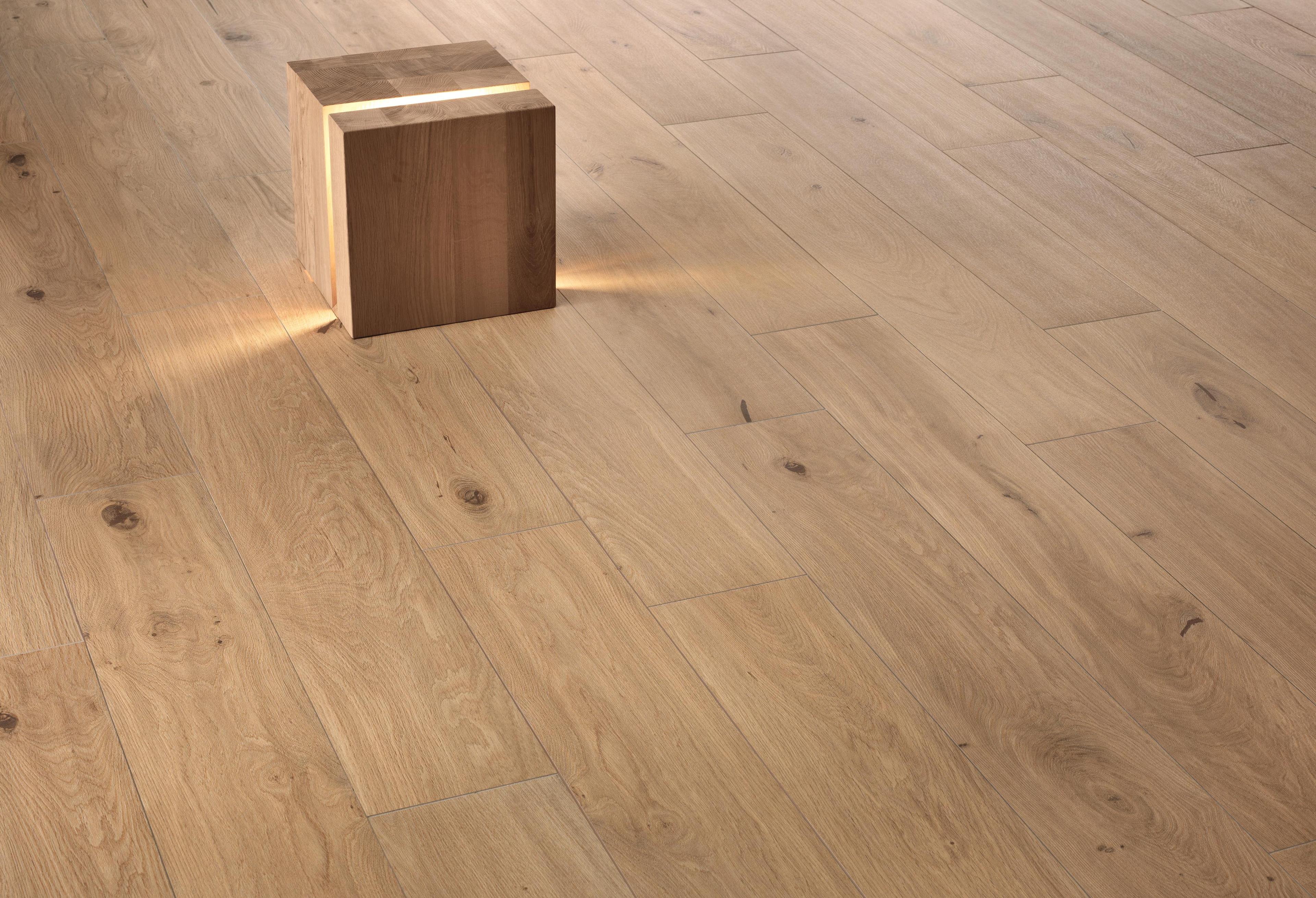
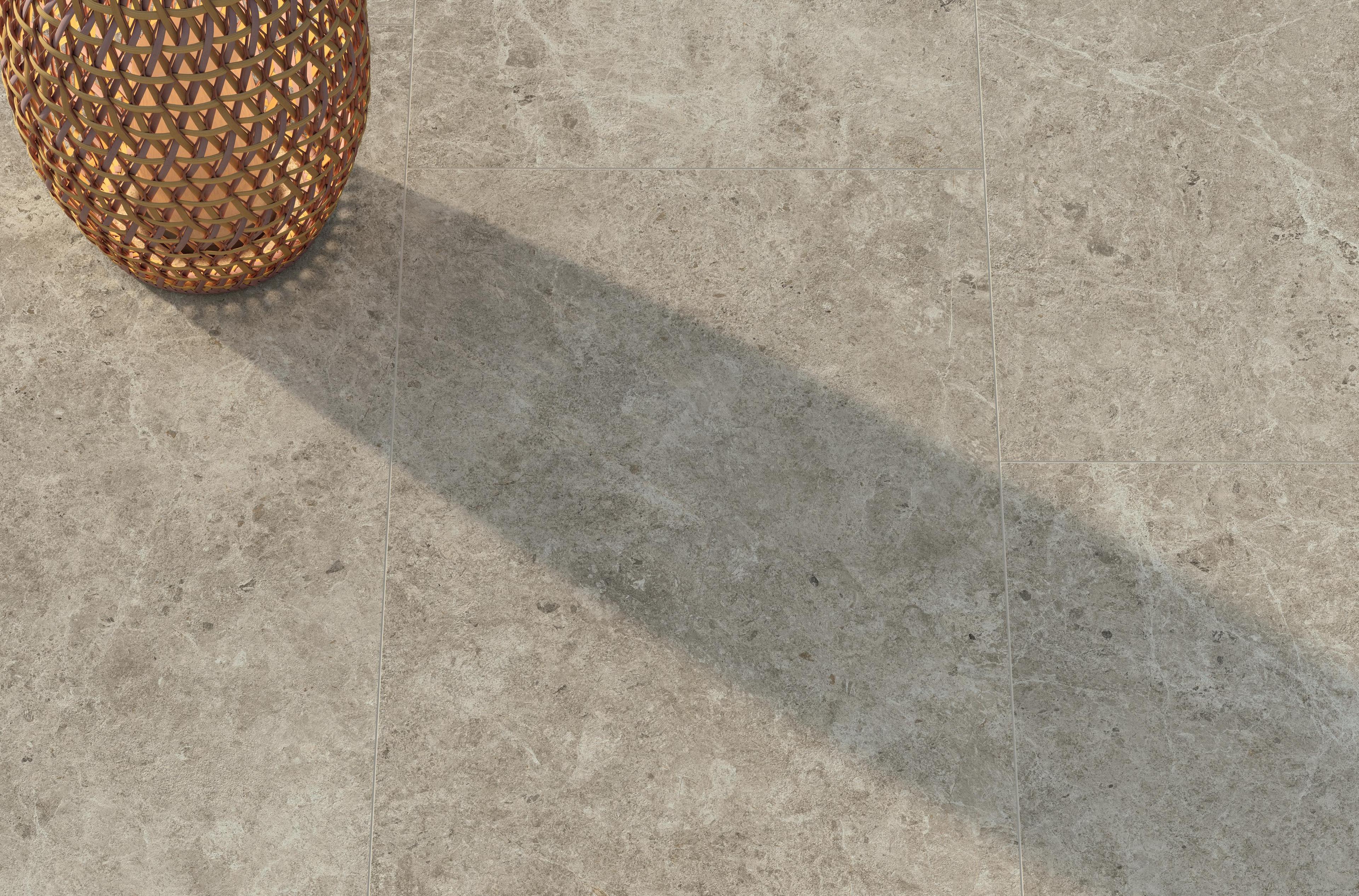
Speaking of porcelain stoneware, what effect do you use most in the wellness sector of the hotel industry? Apostoli tends to reject overly technical materials, such as concrete effect or metals, colours that are too dark or too light, because he considers them unnatural. "Nature has already made its choice, so I choose what nature has already chosen." [Alberto Apostoli] "Wood effects could be interesting, and obviously the whole world of stone. I don't like shiny materials because they don't exist in nature." [Alberto Apostoli]


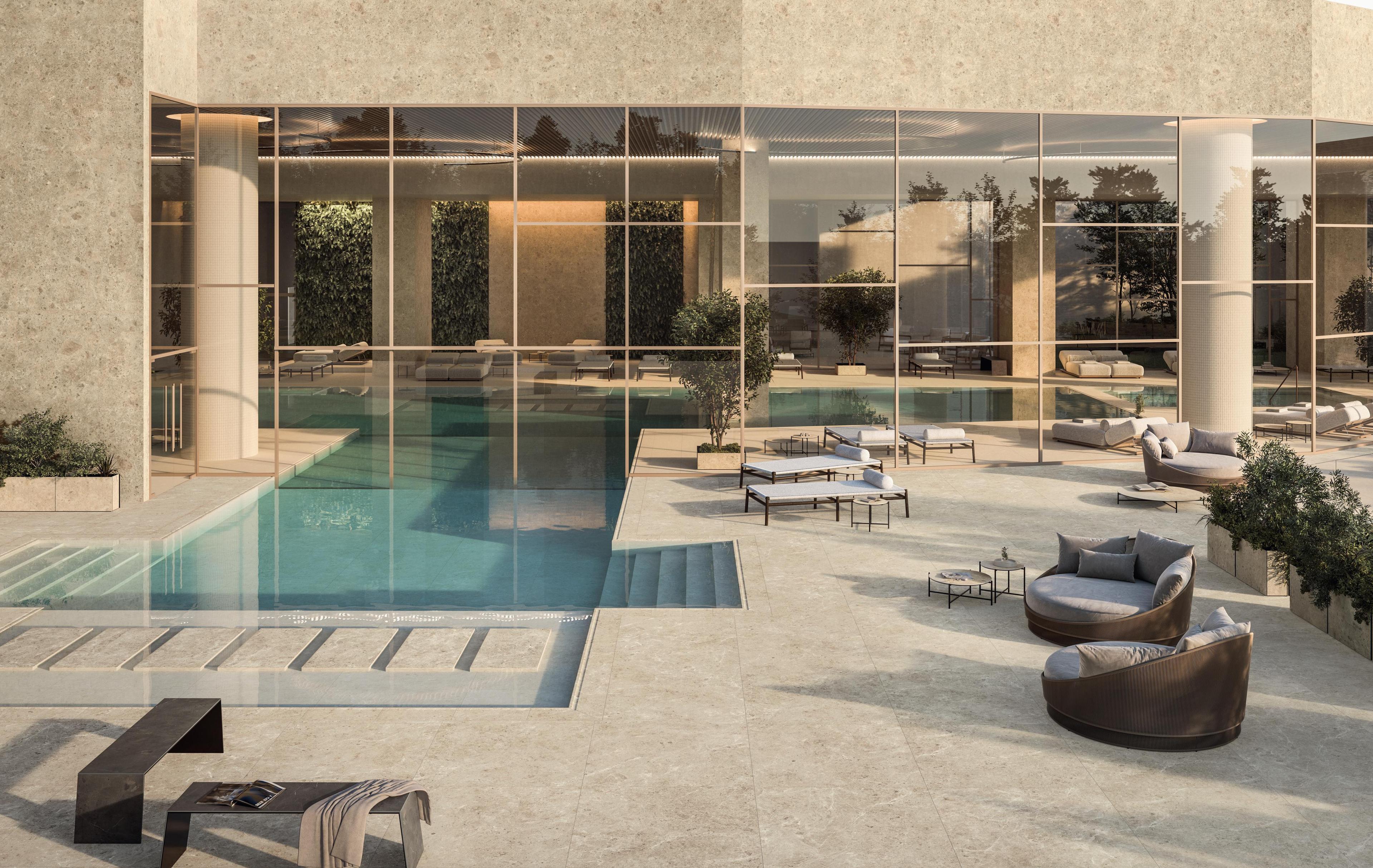
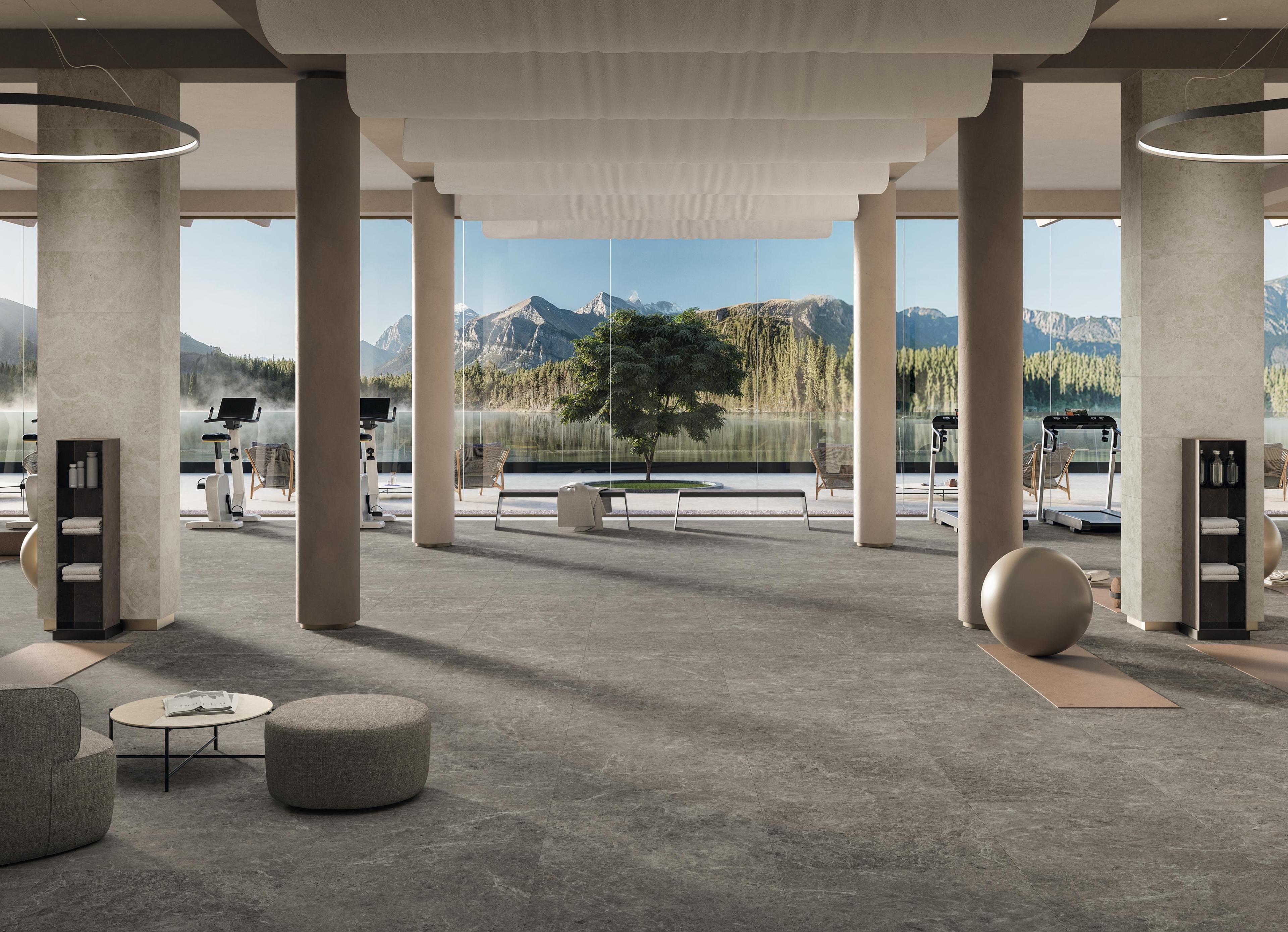
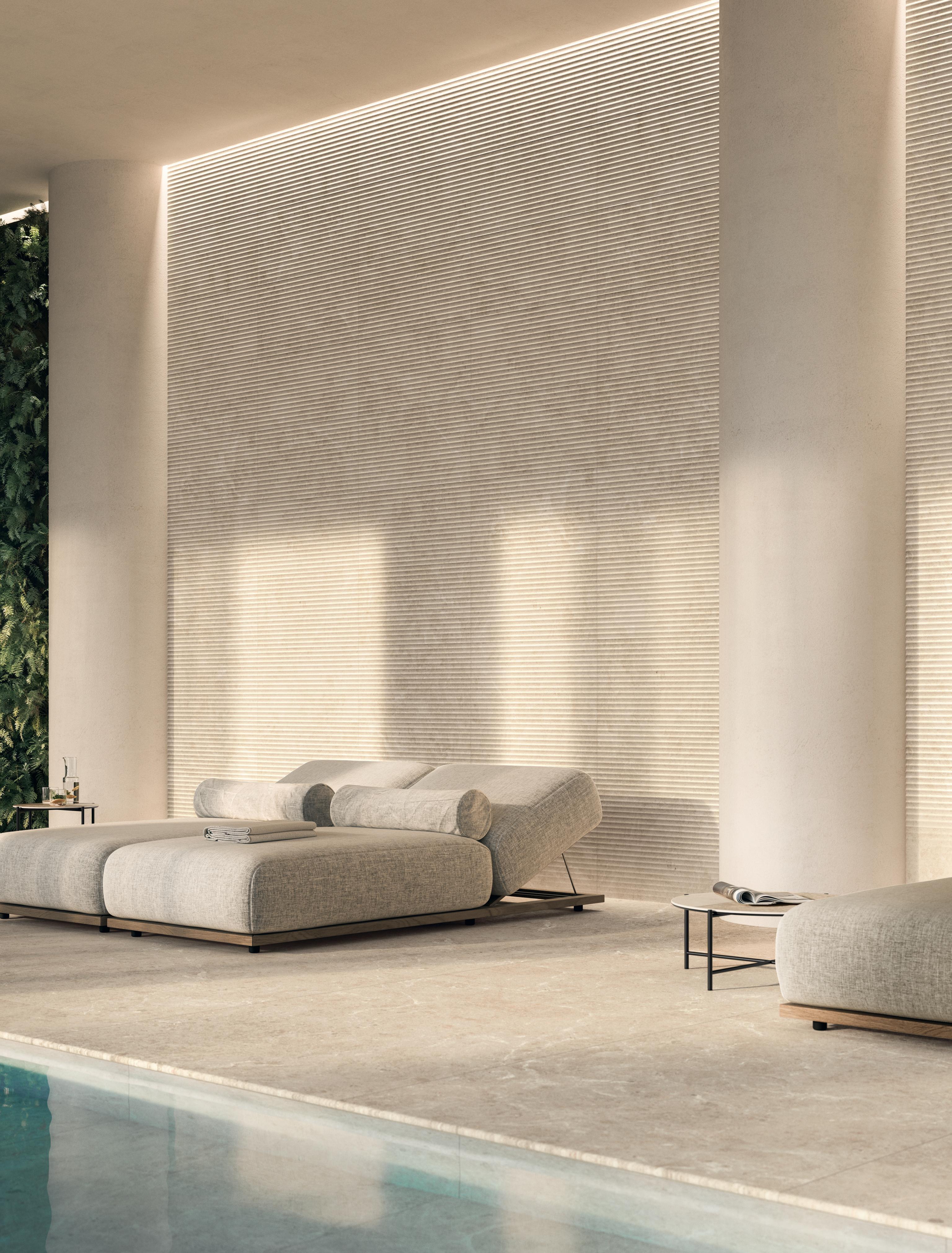
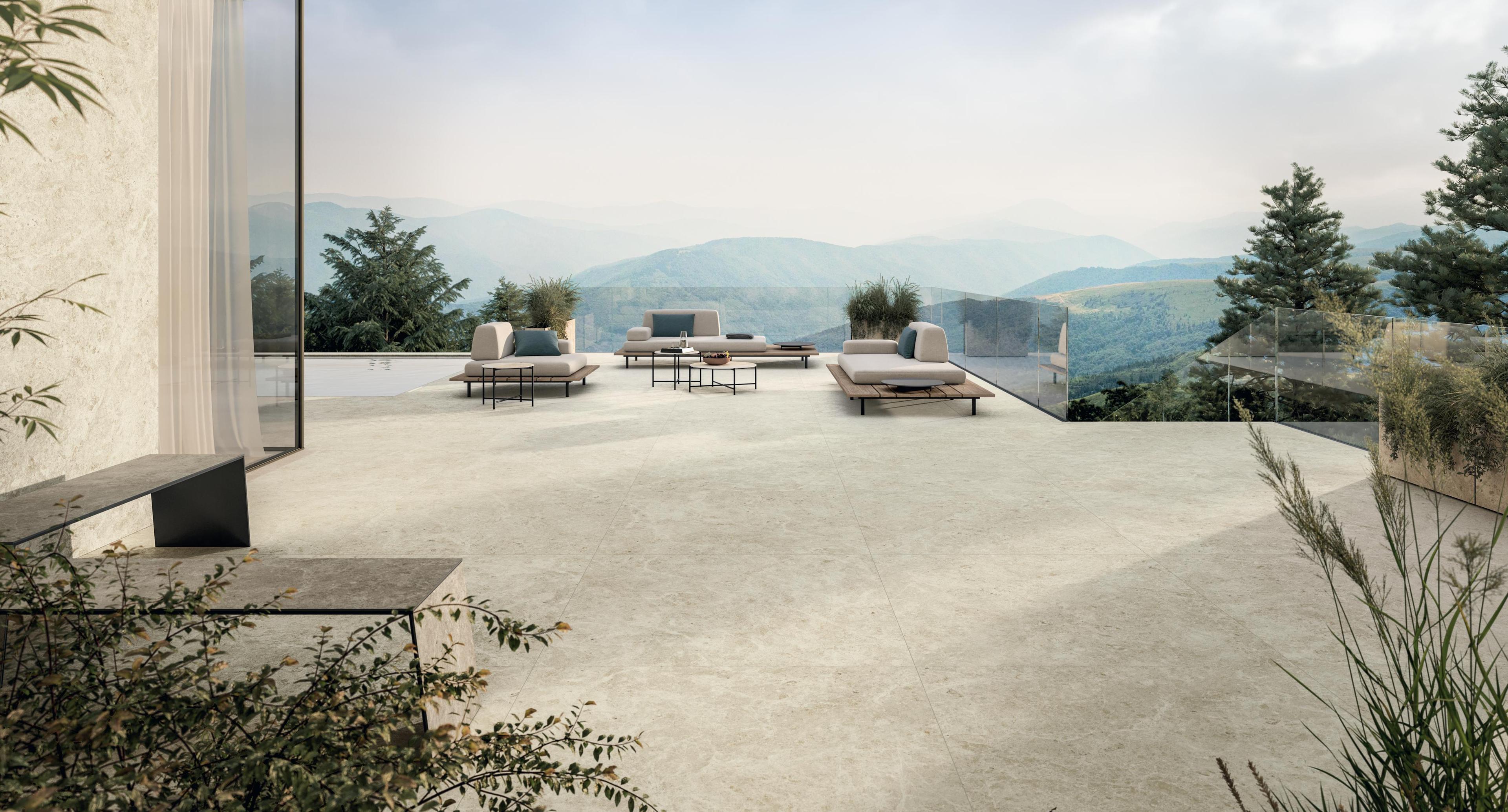
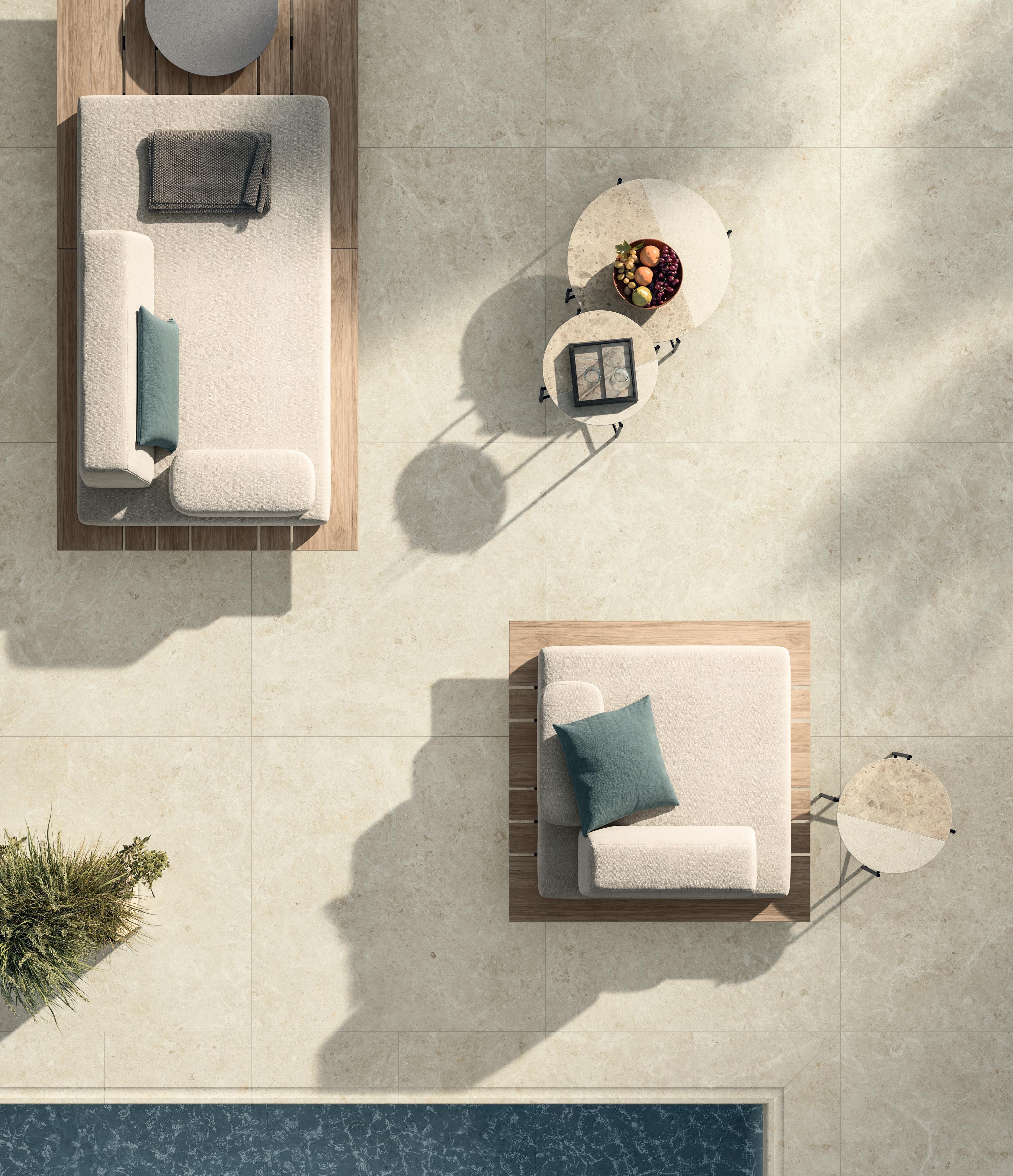
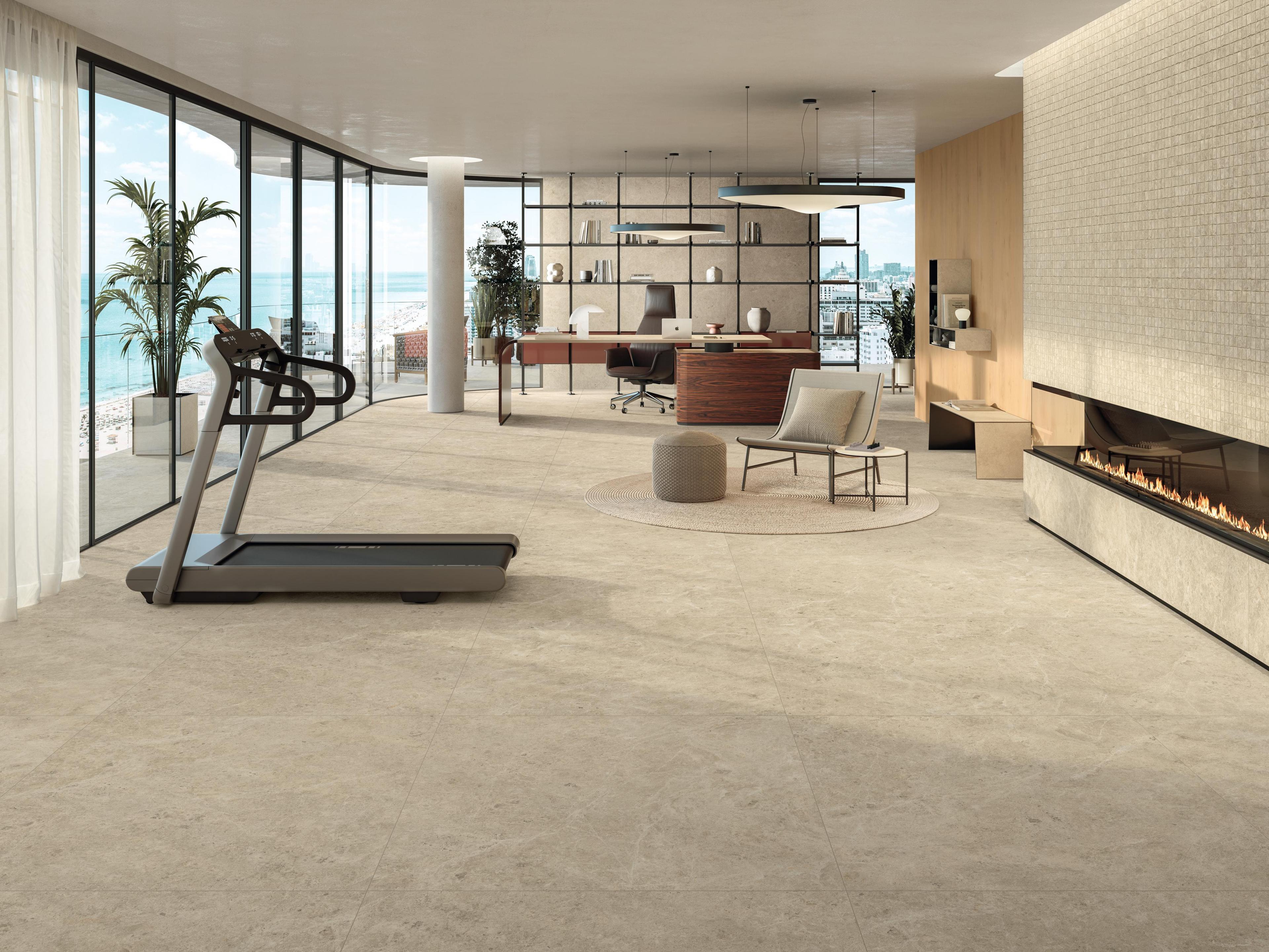
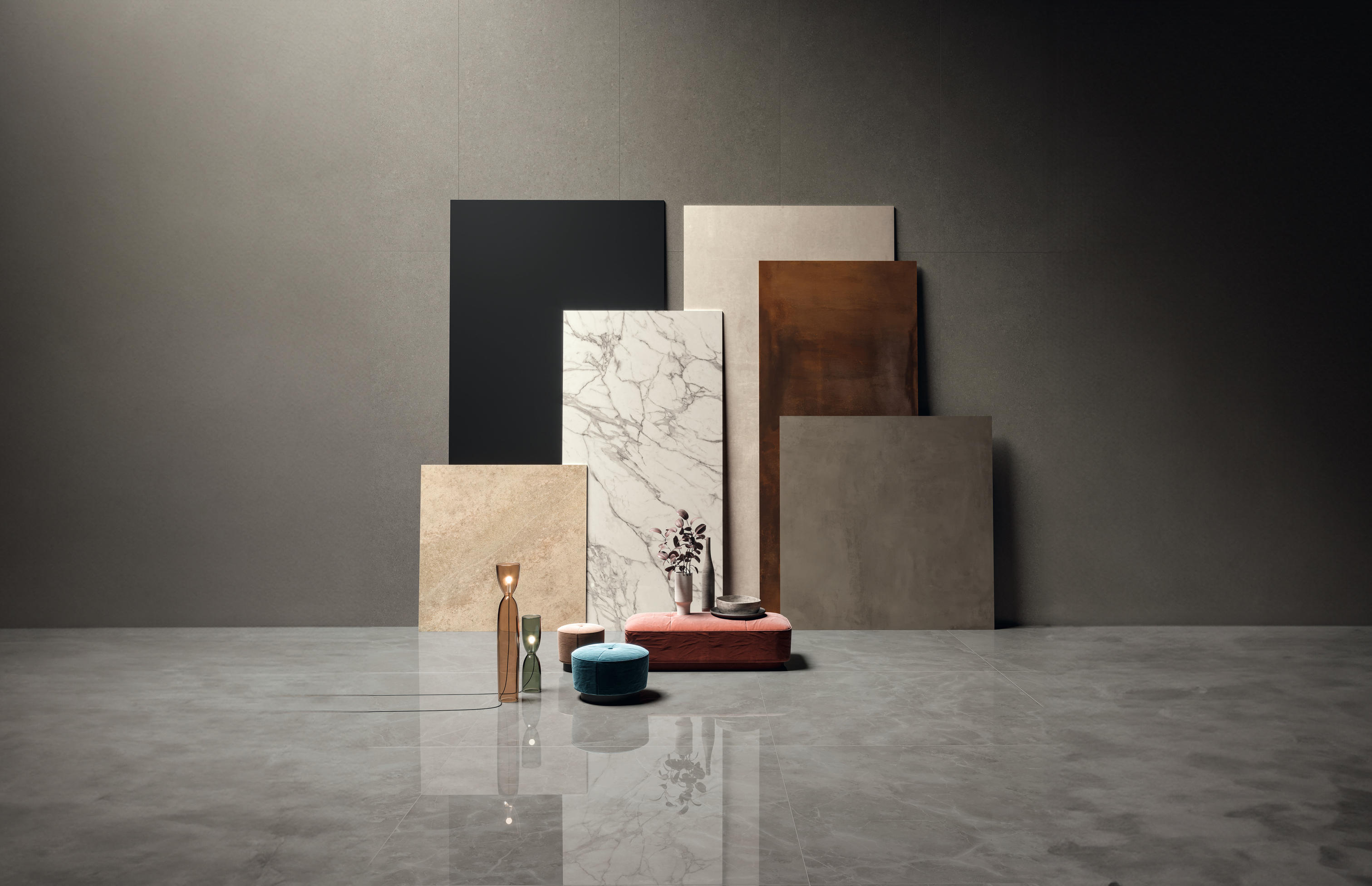
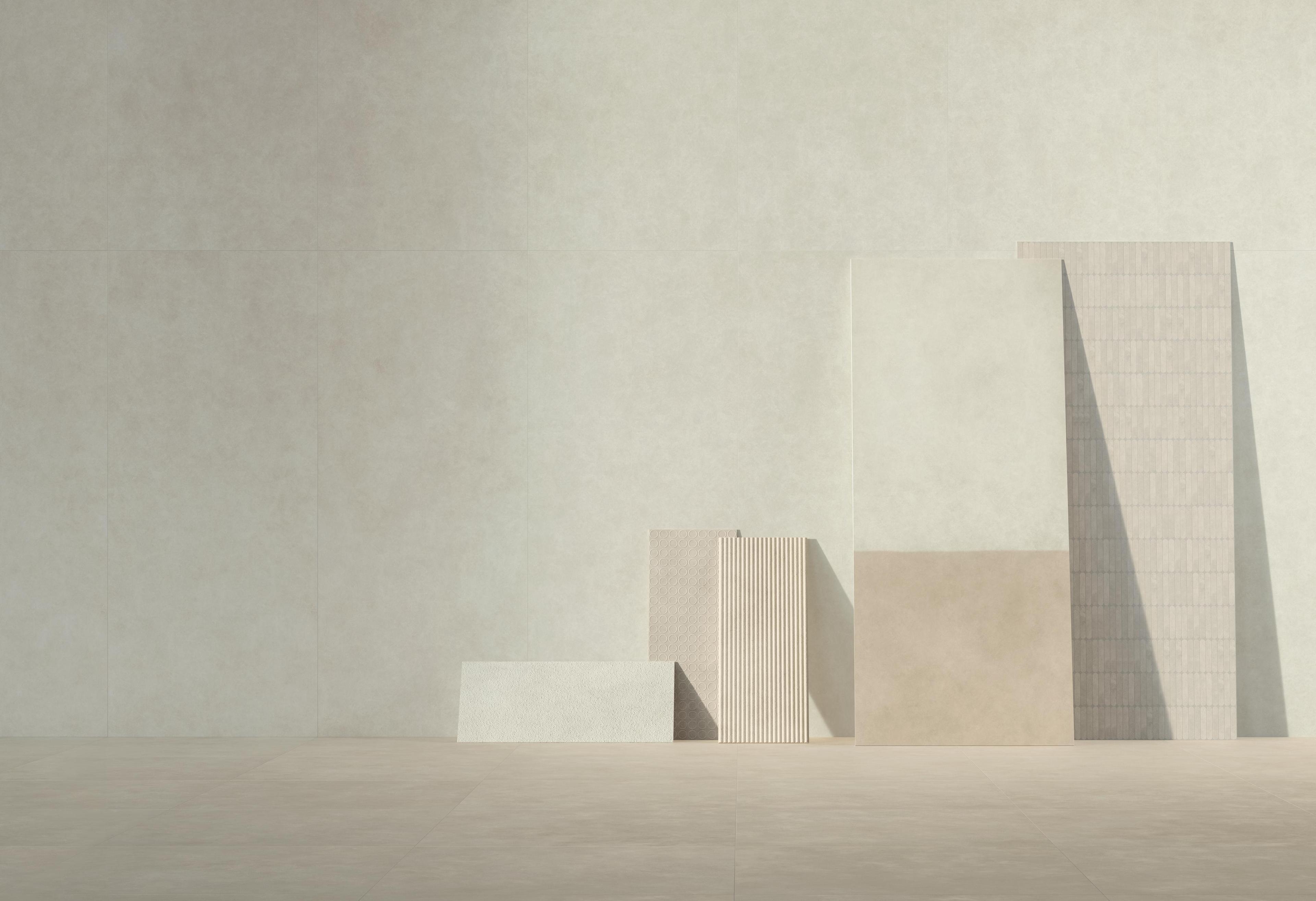
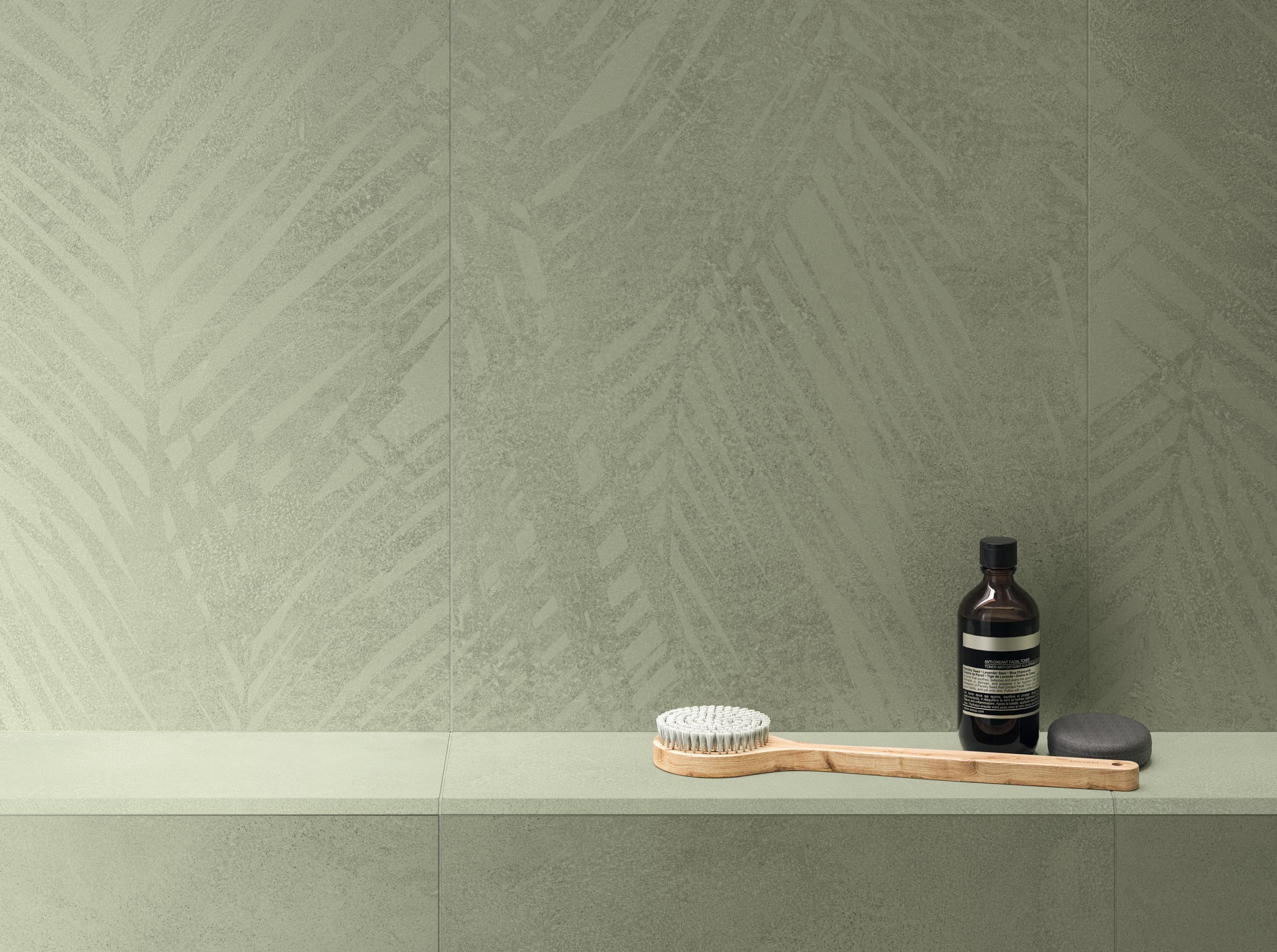
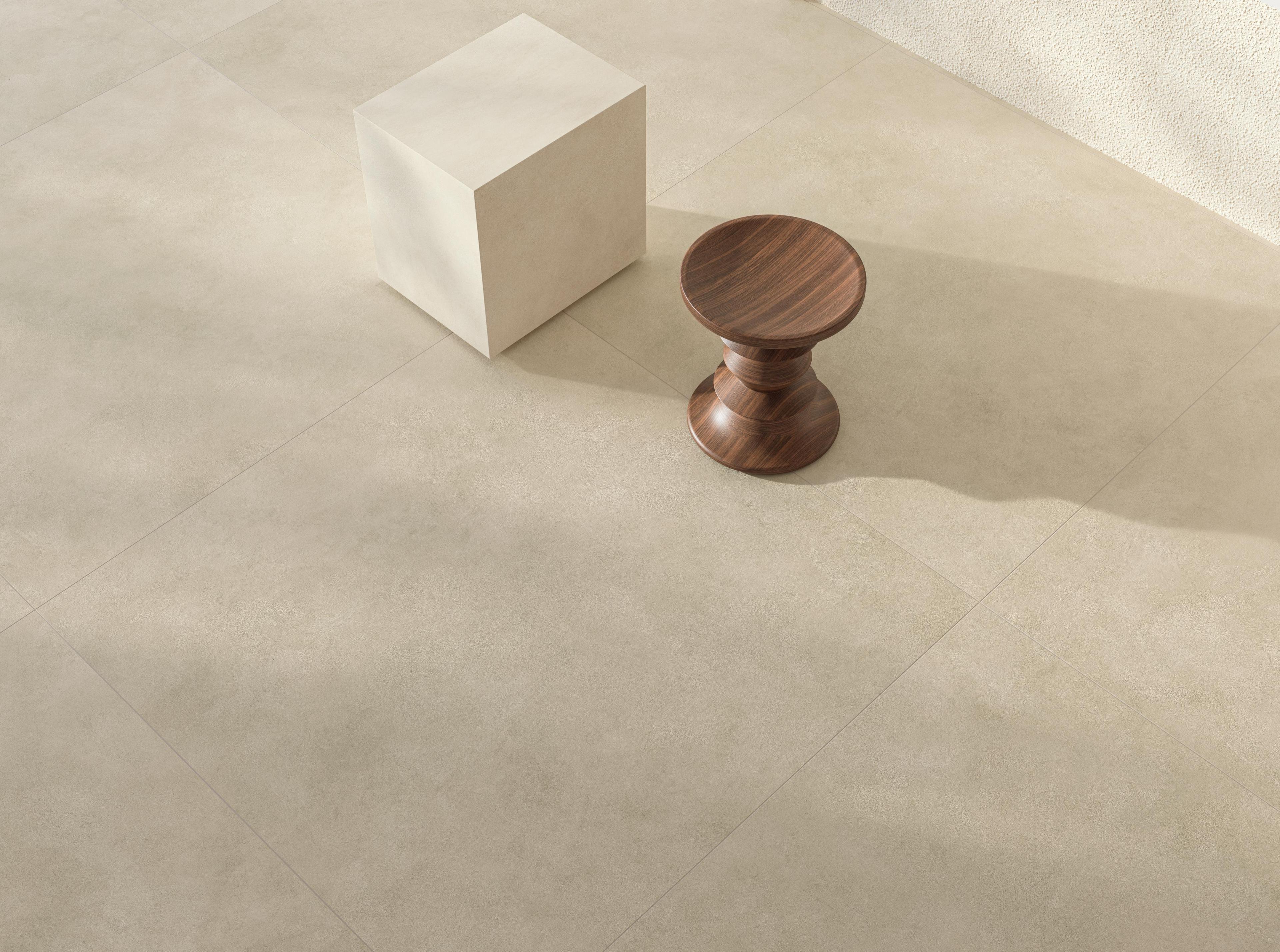
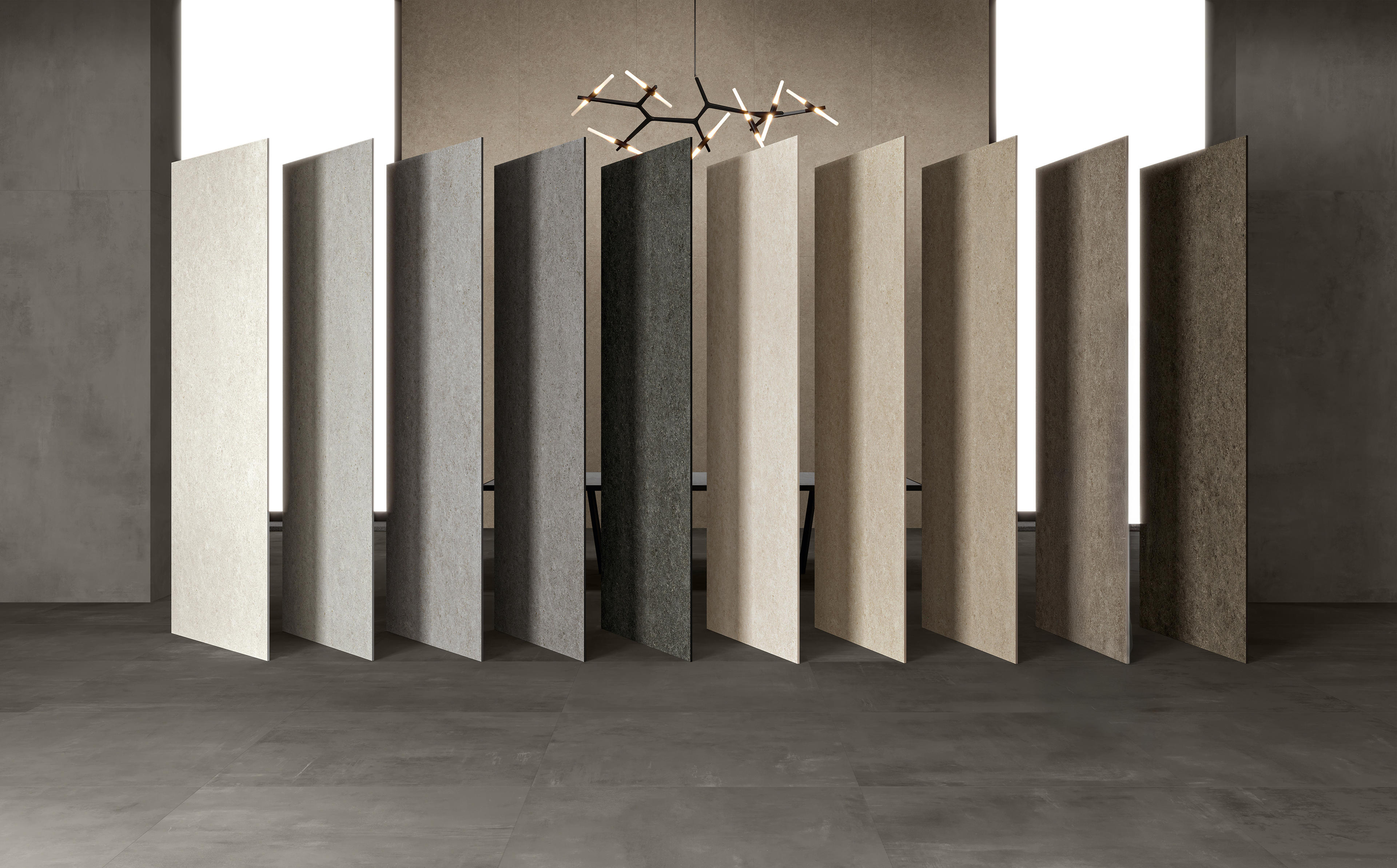
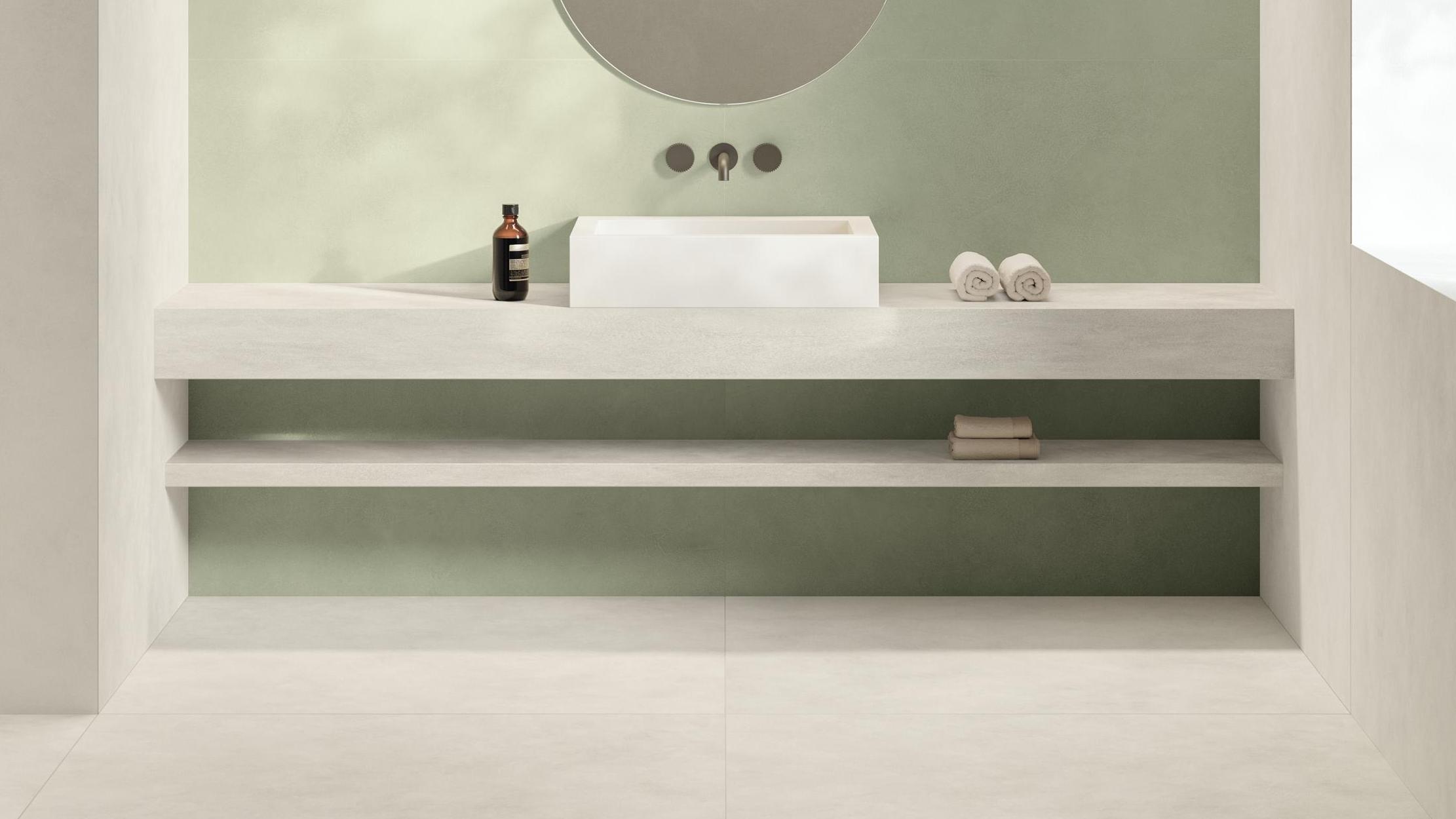
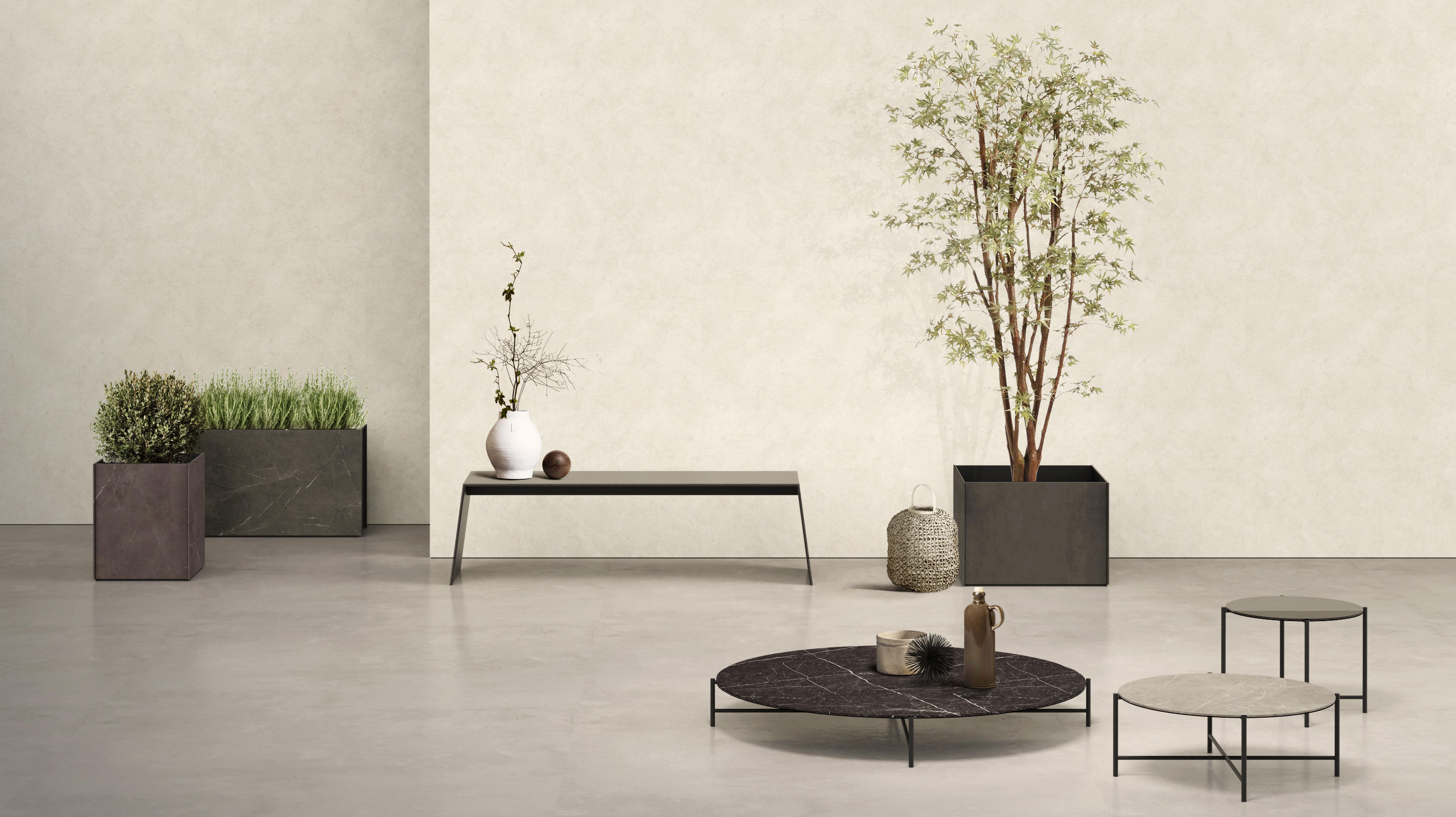
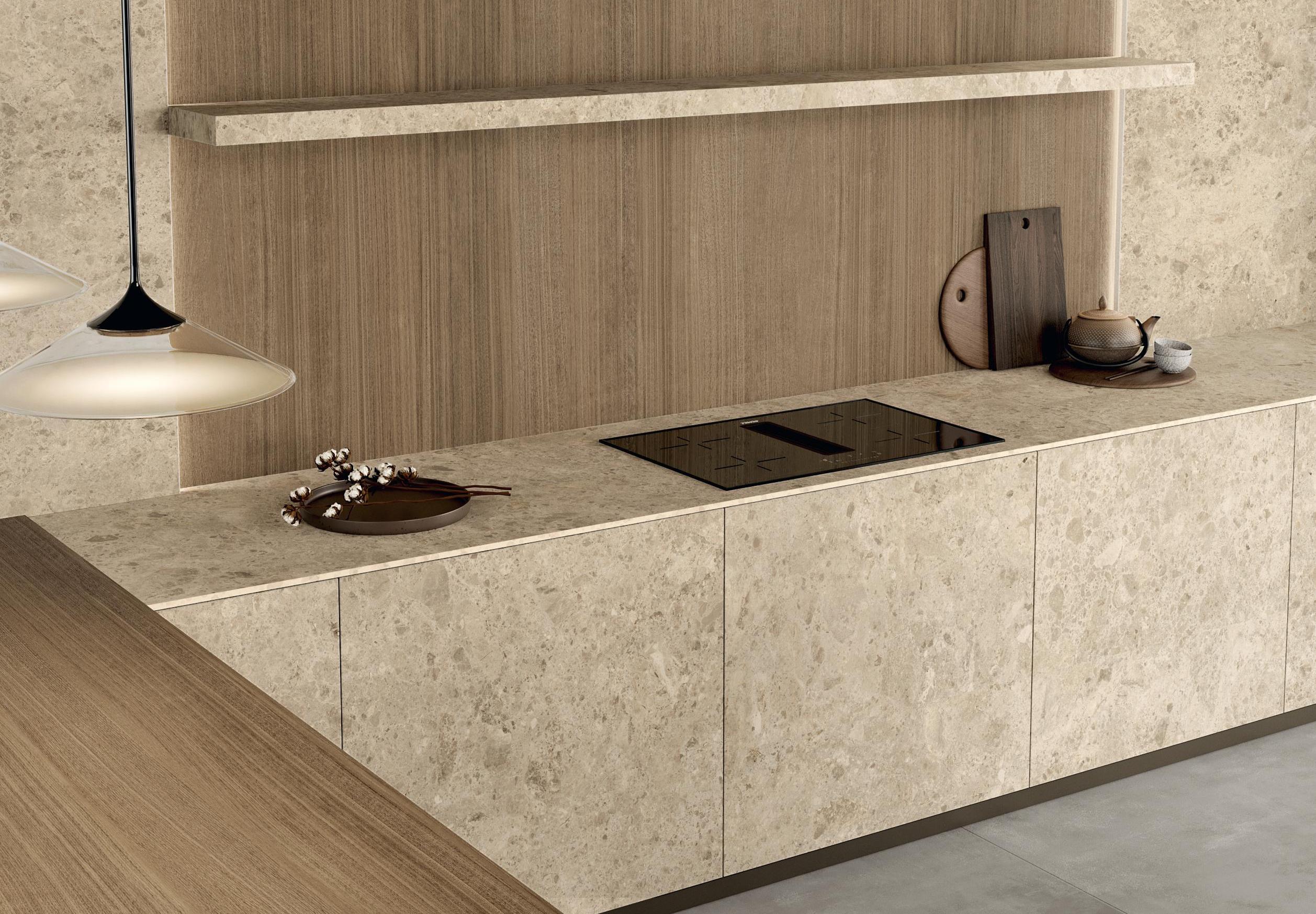
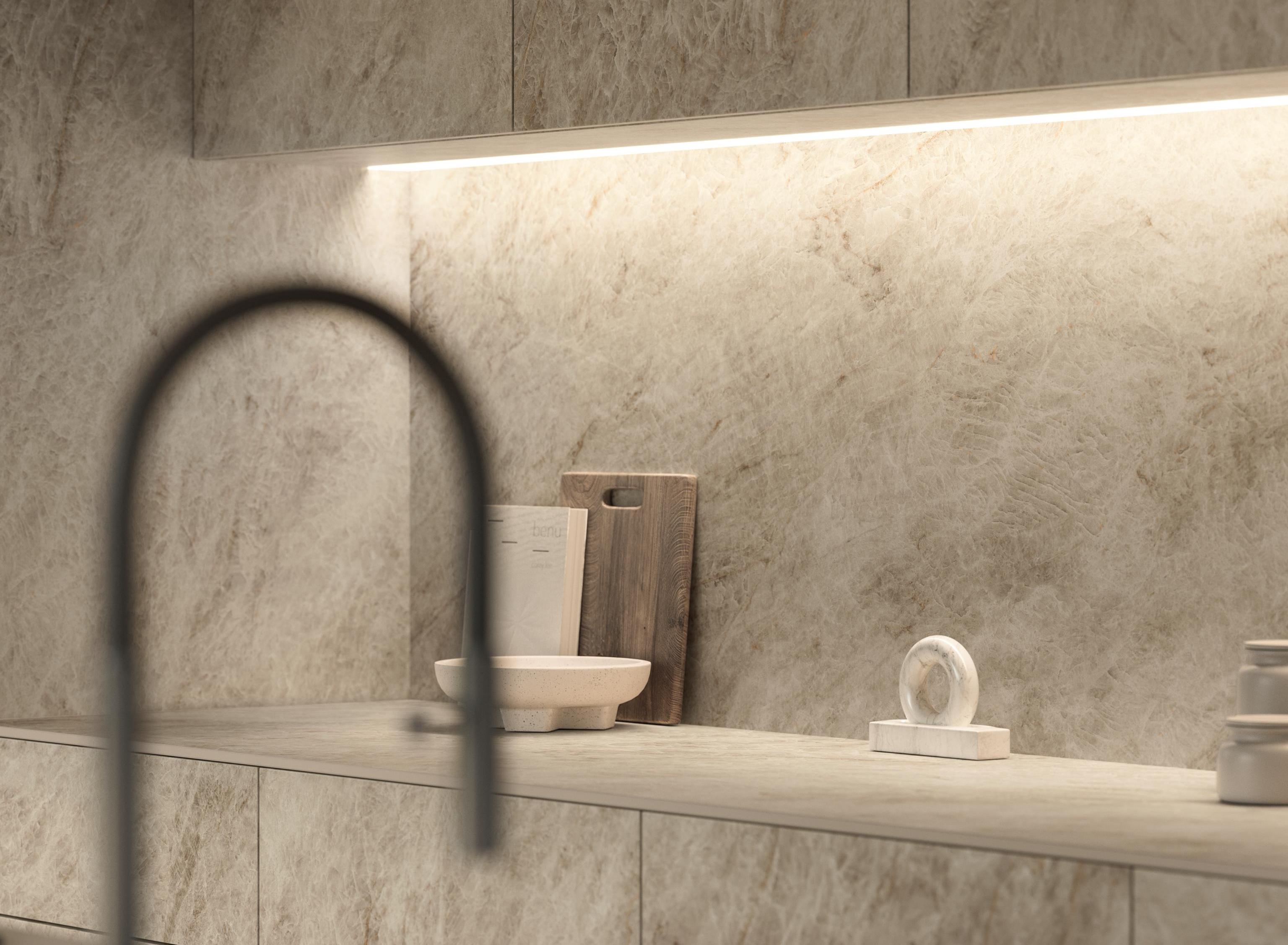
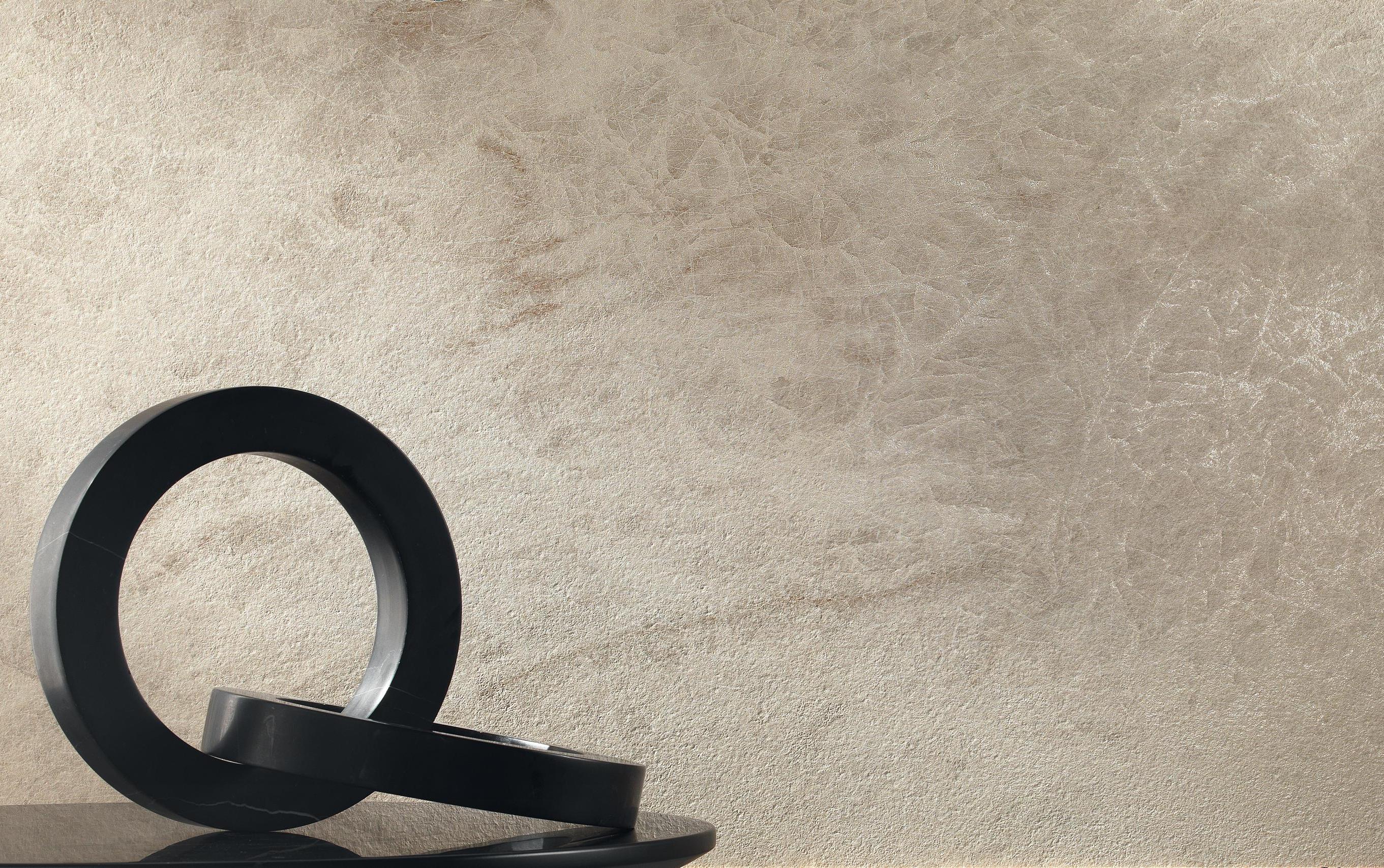
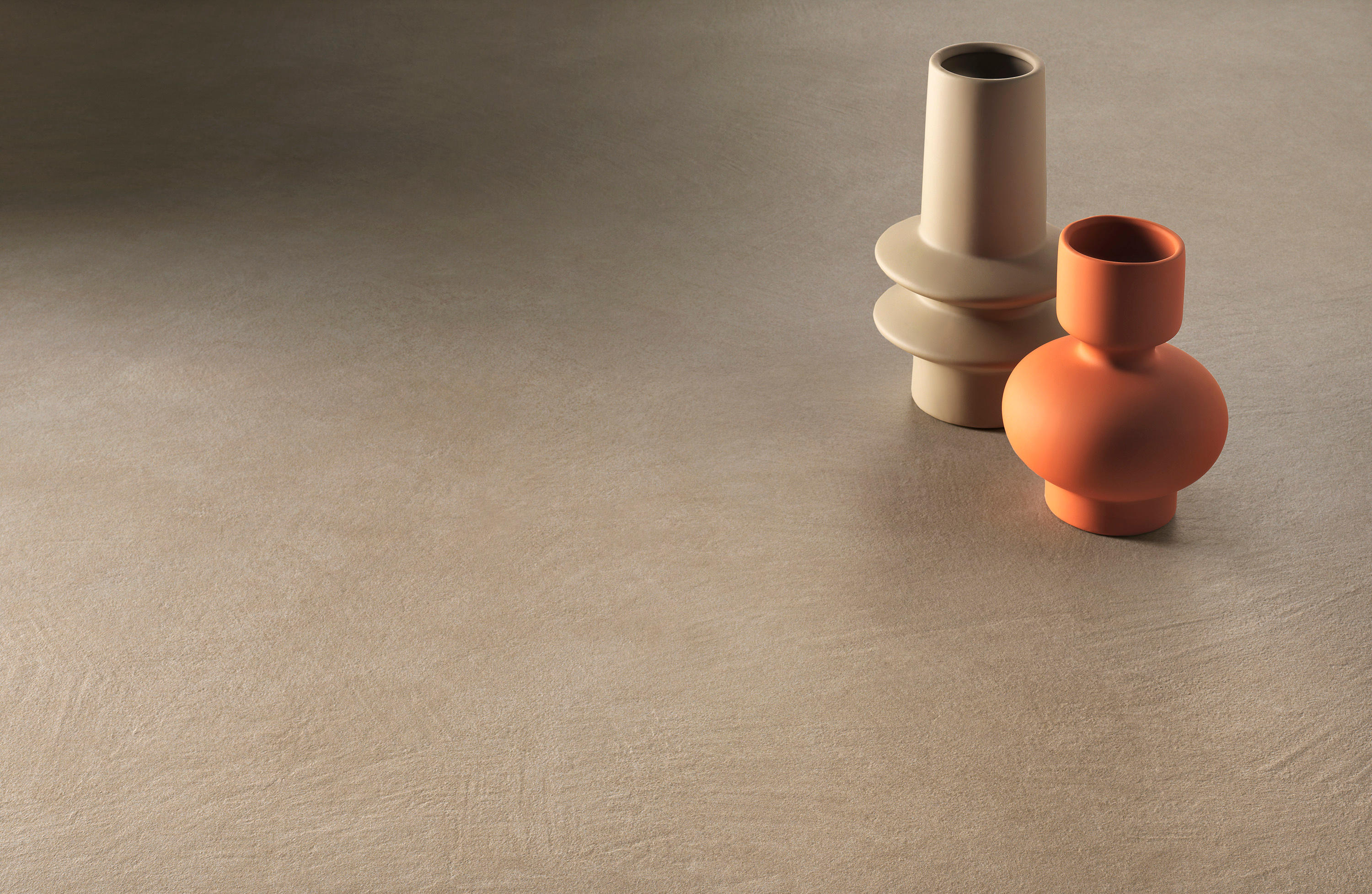
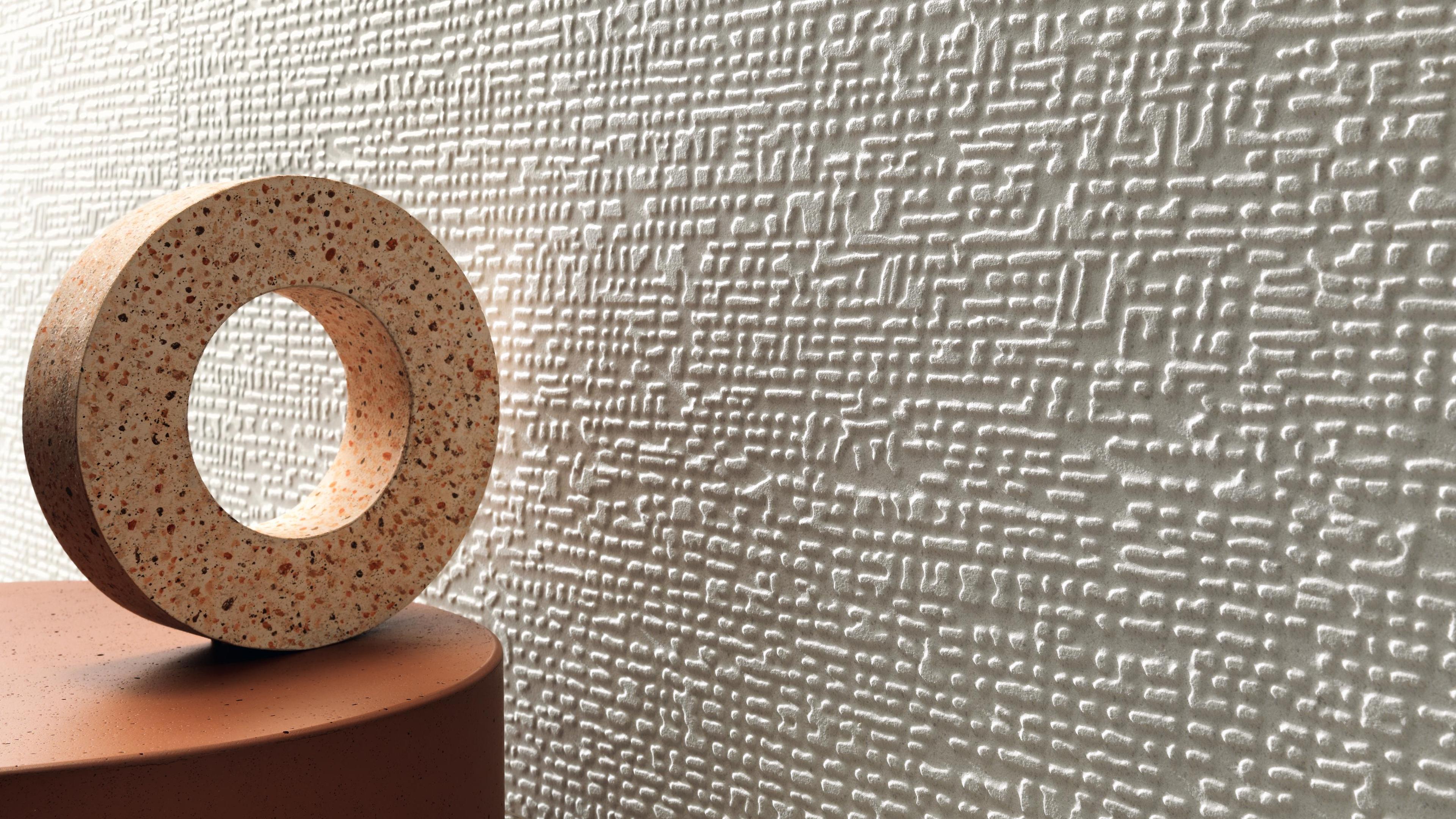
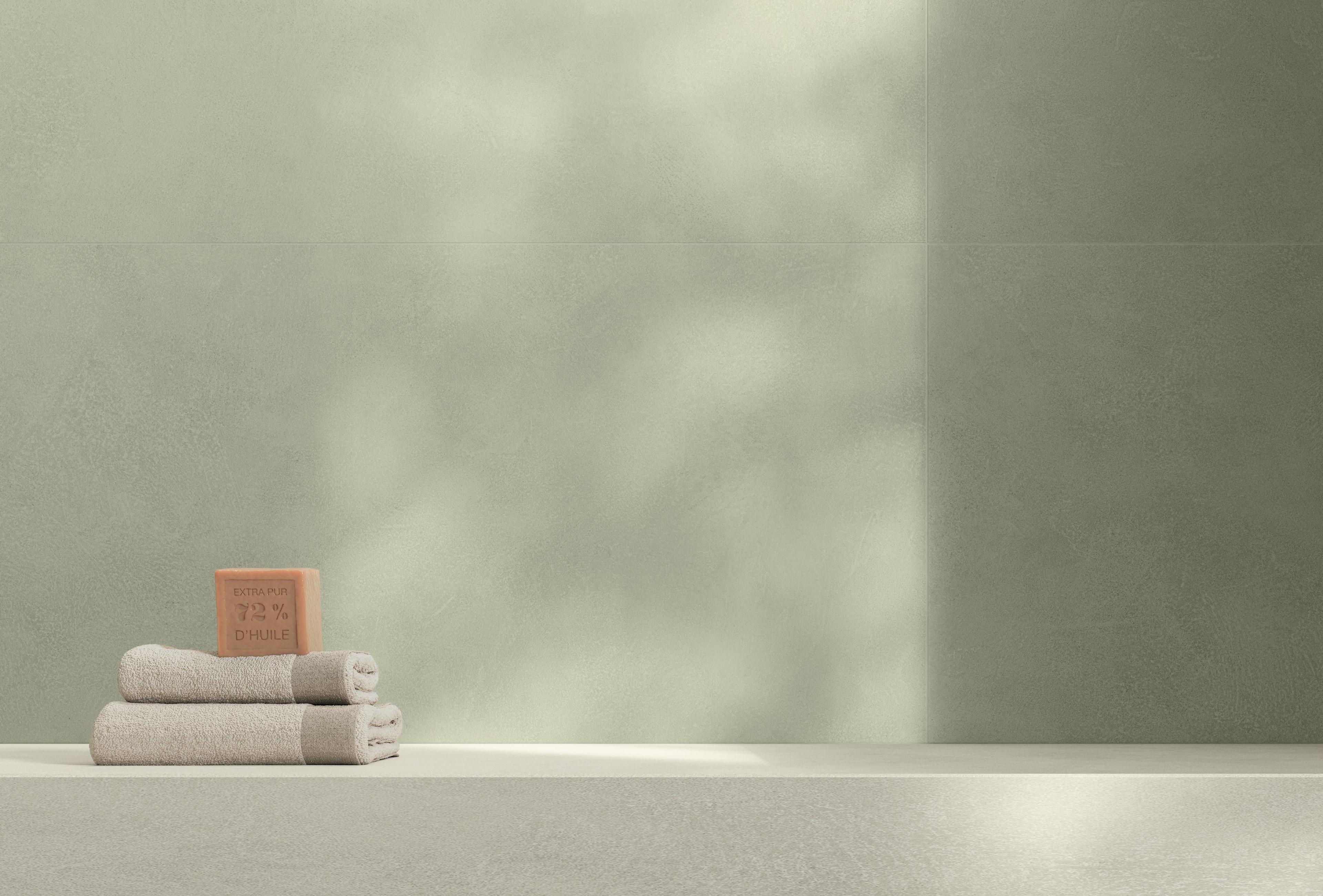
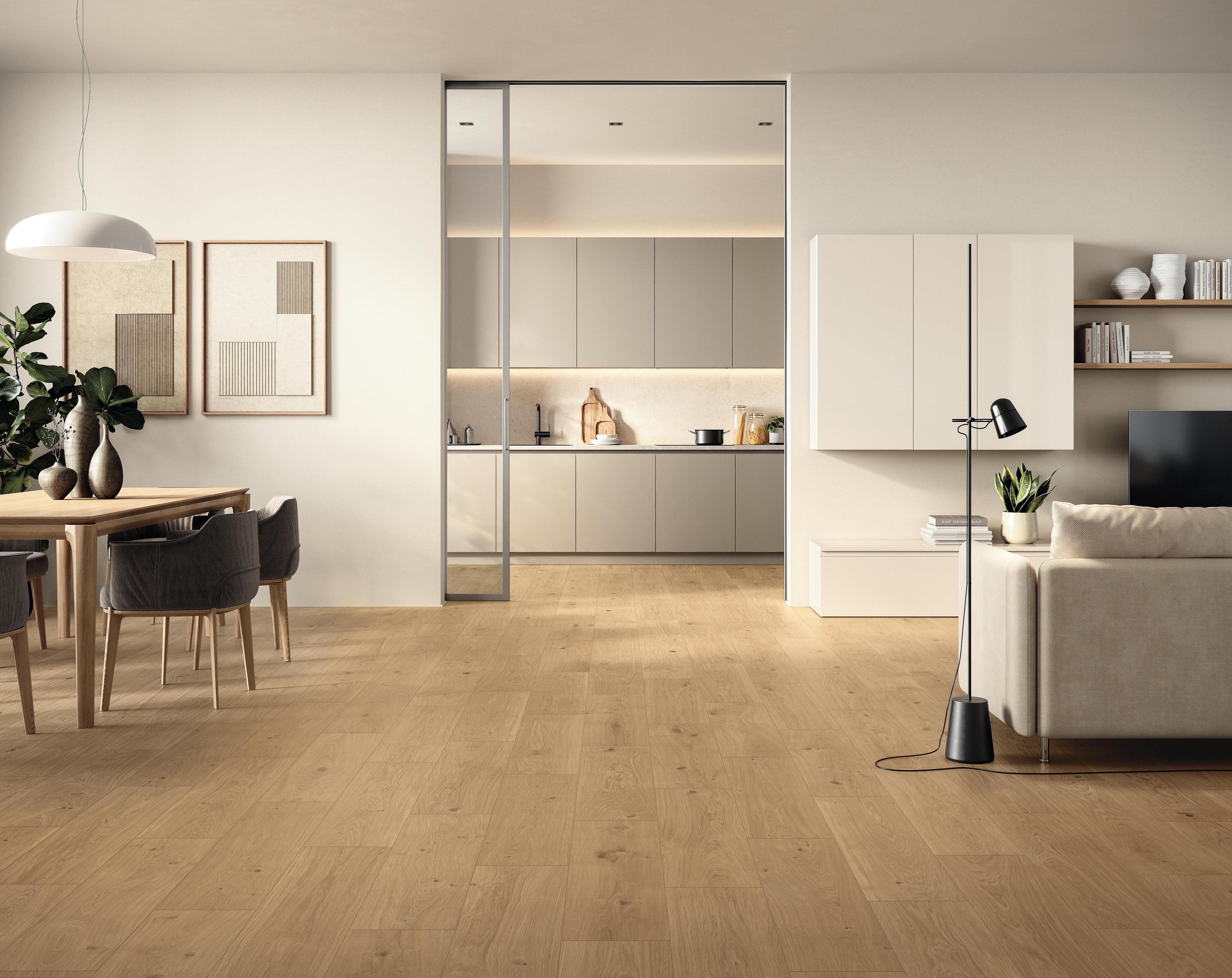
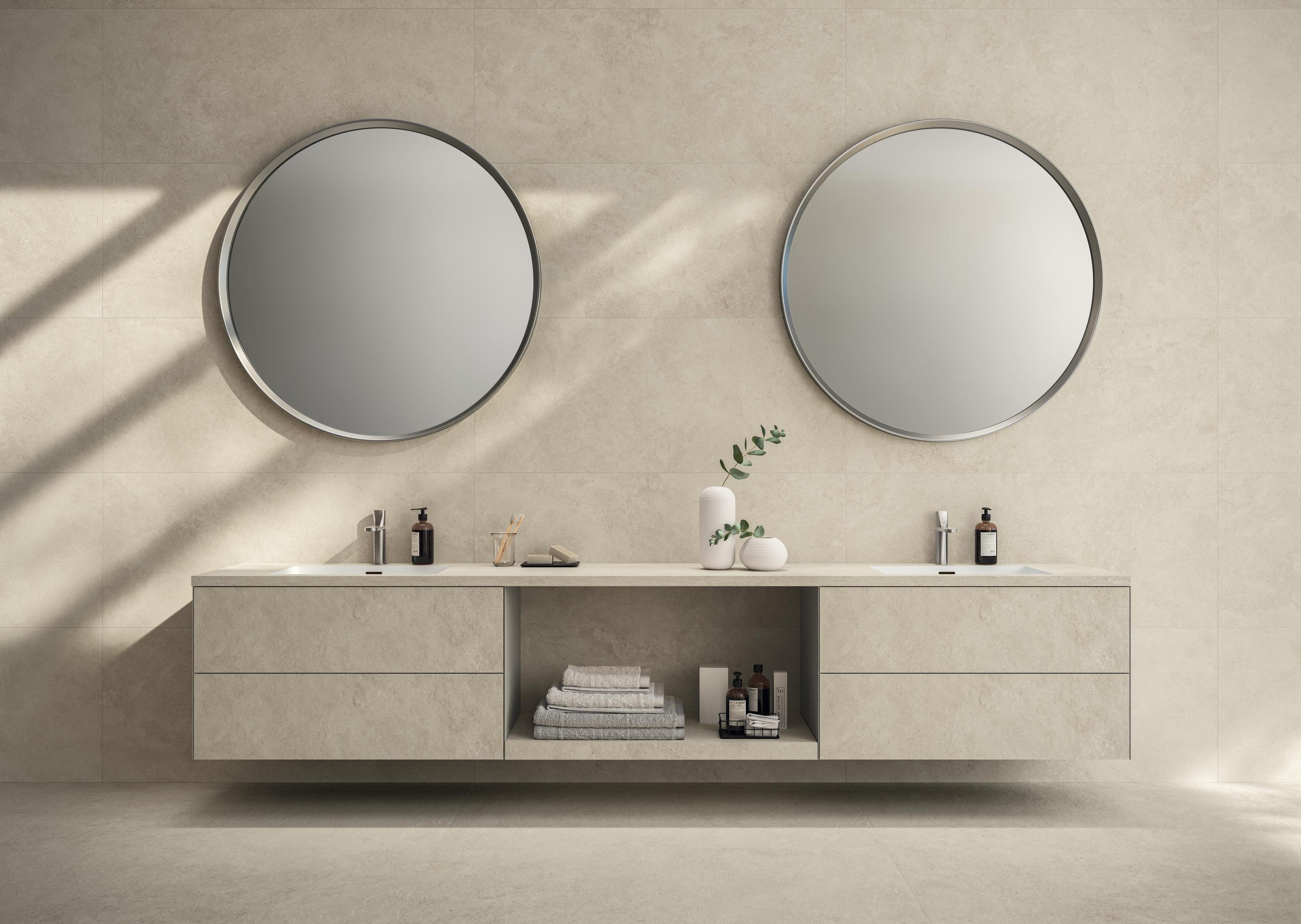
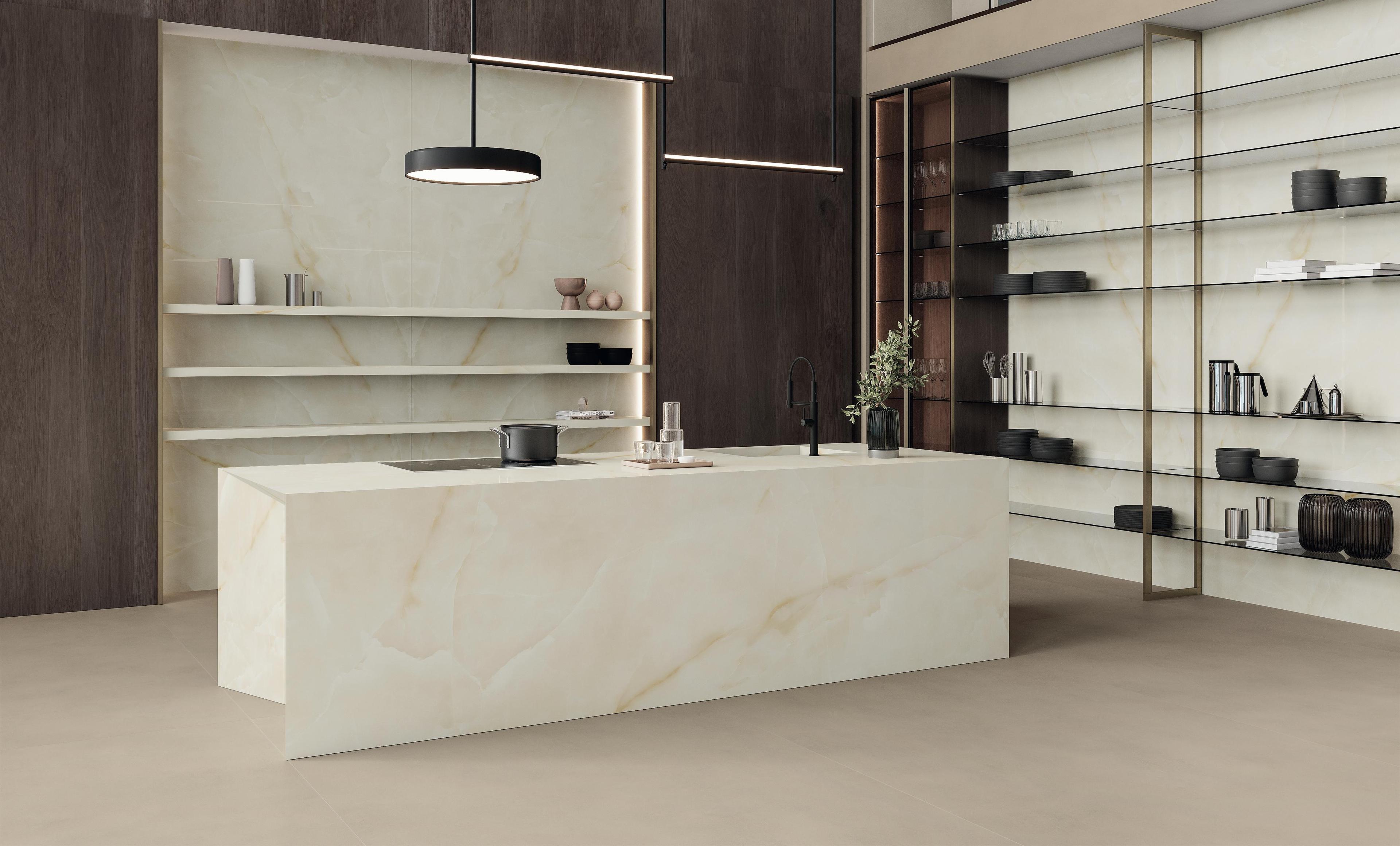
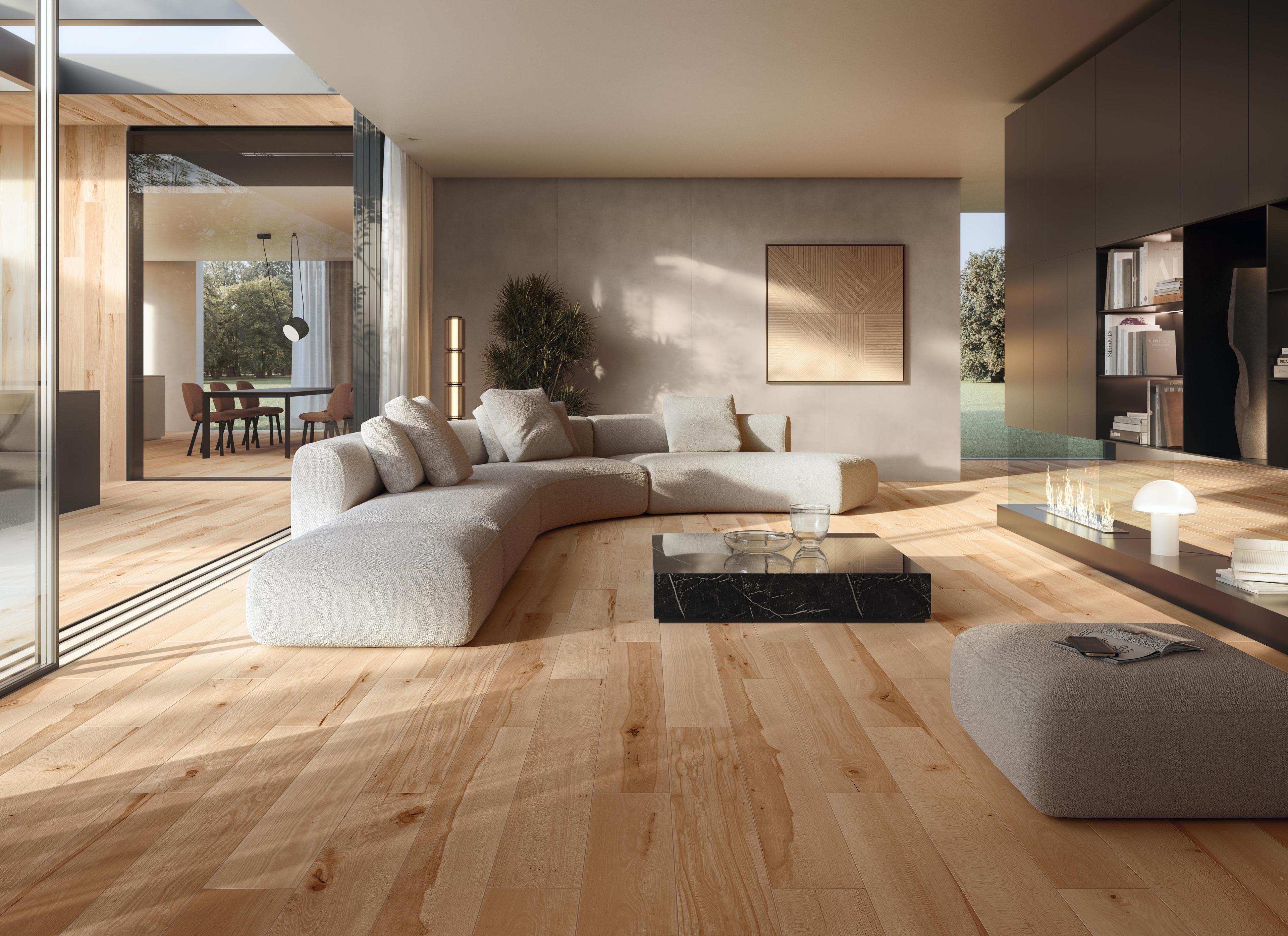
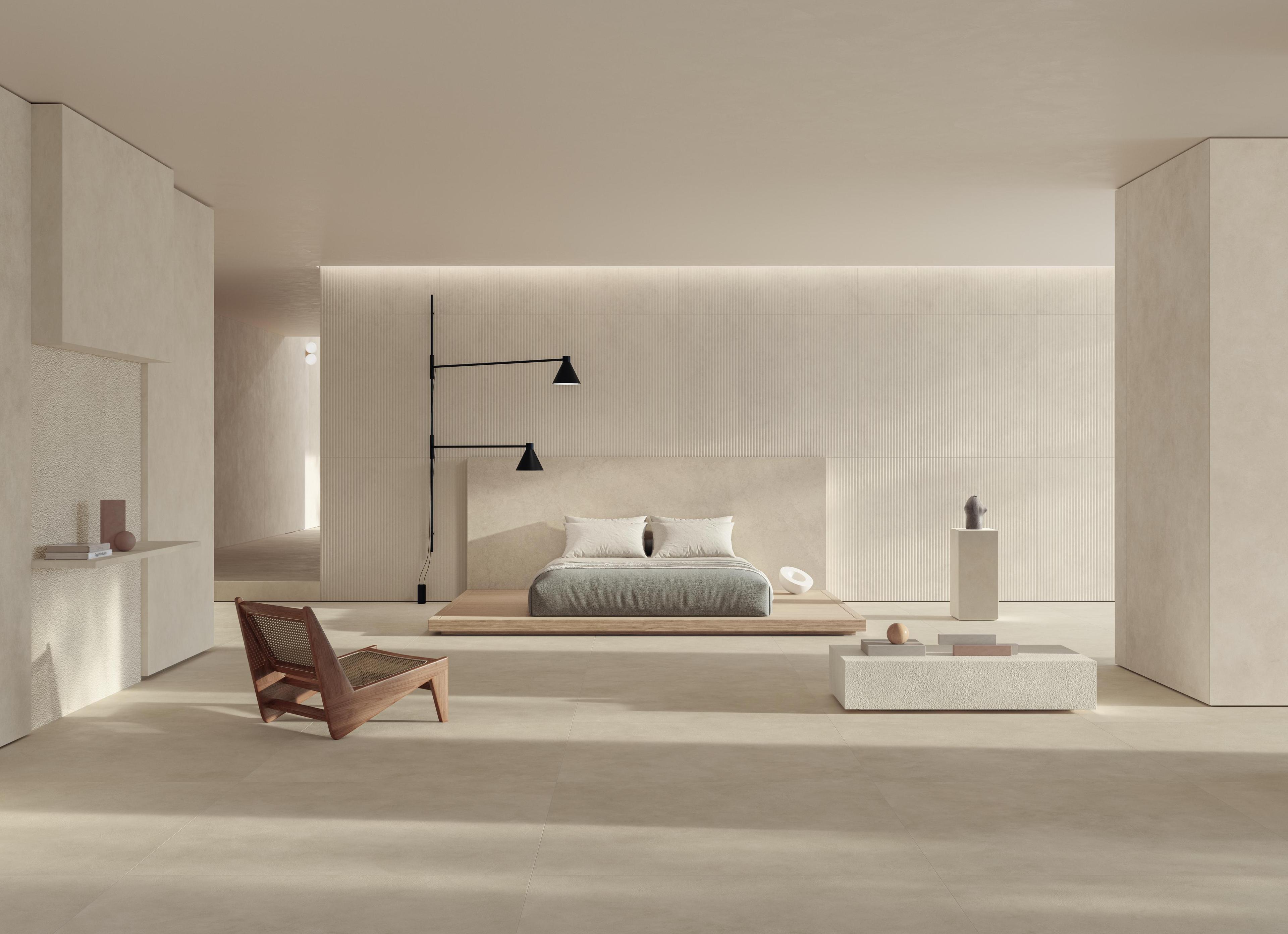
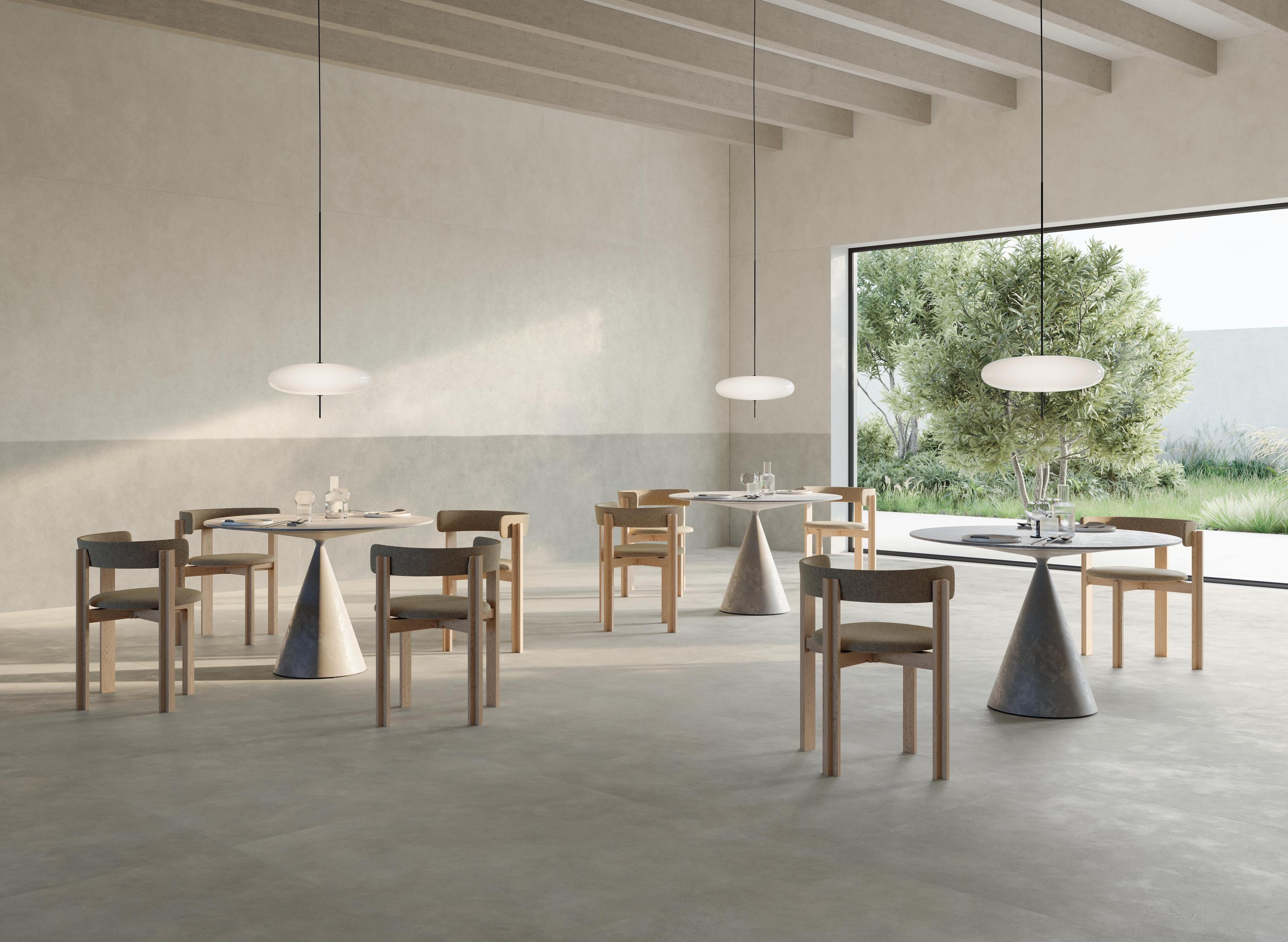
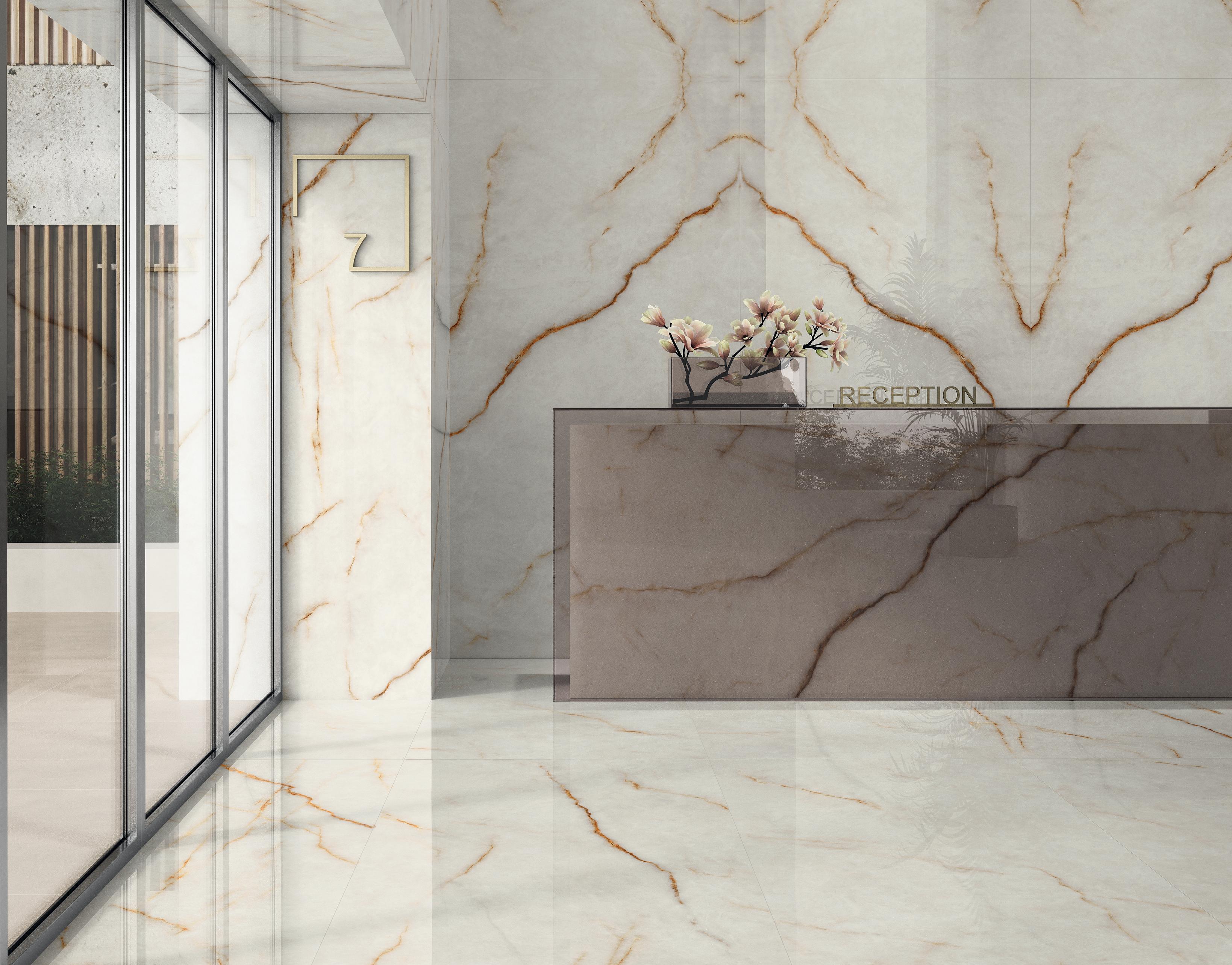
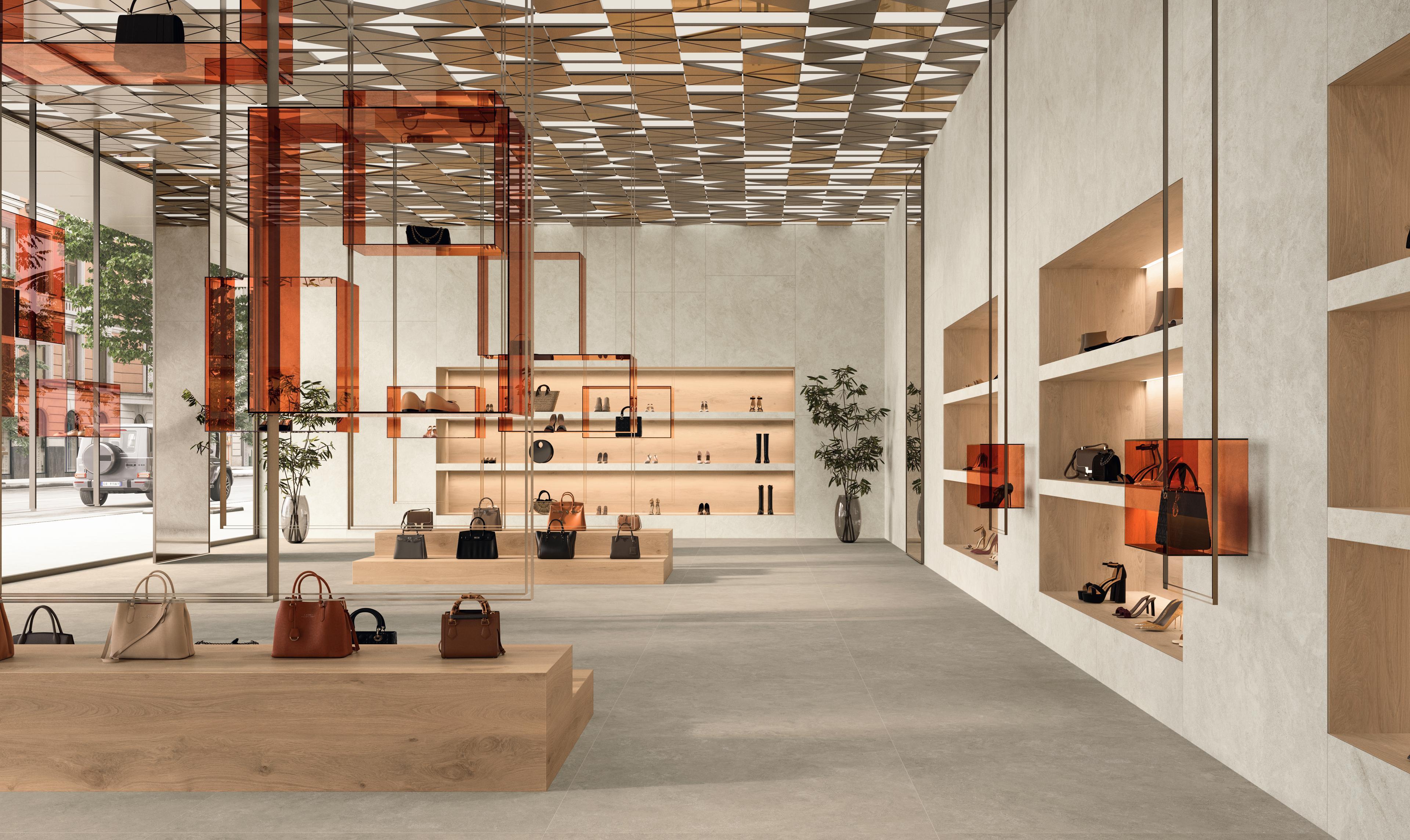
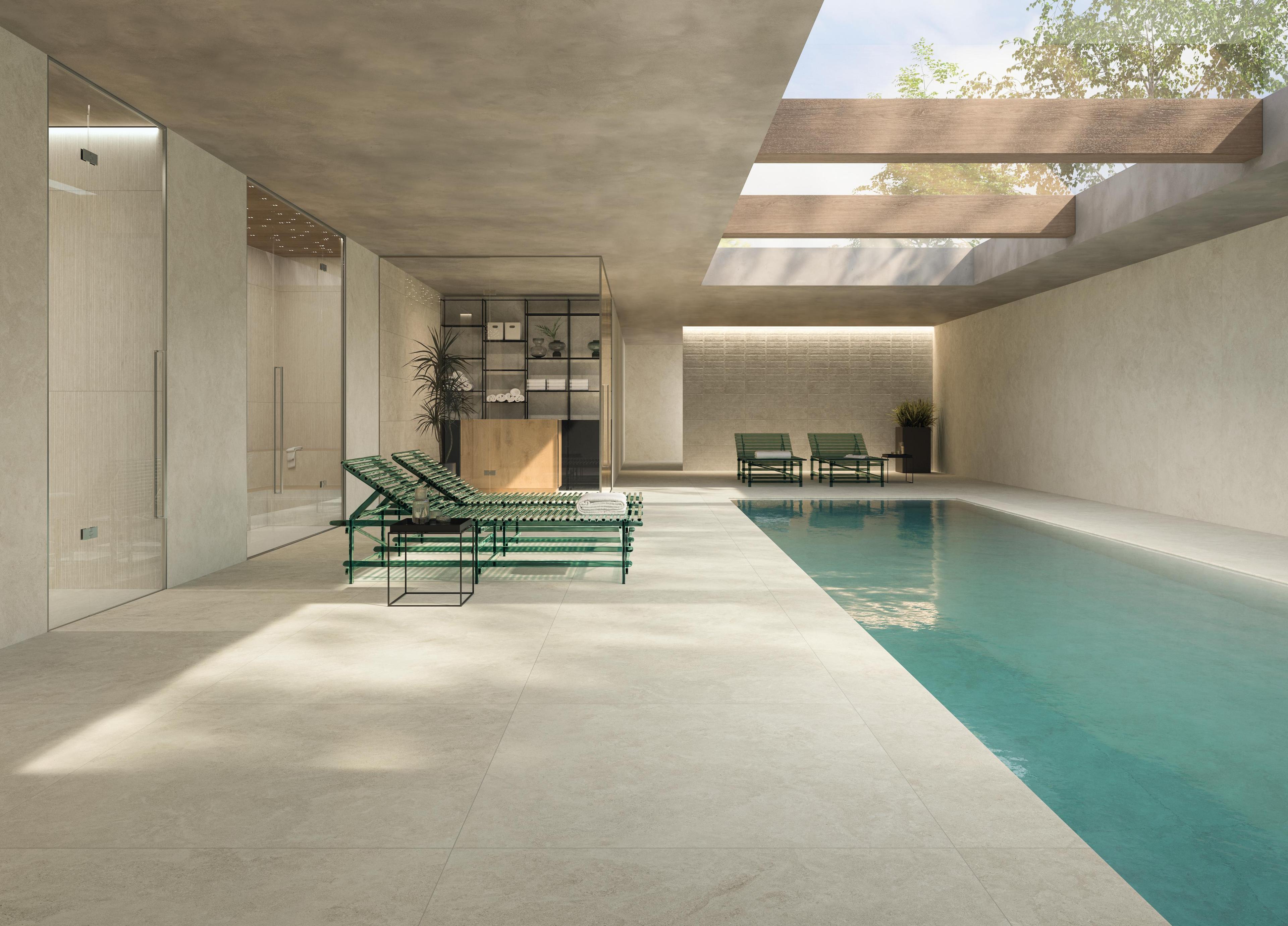
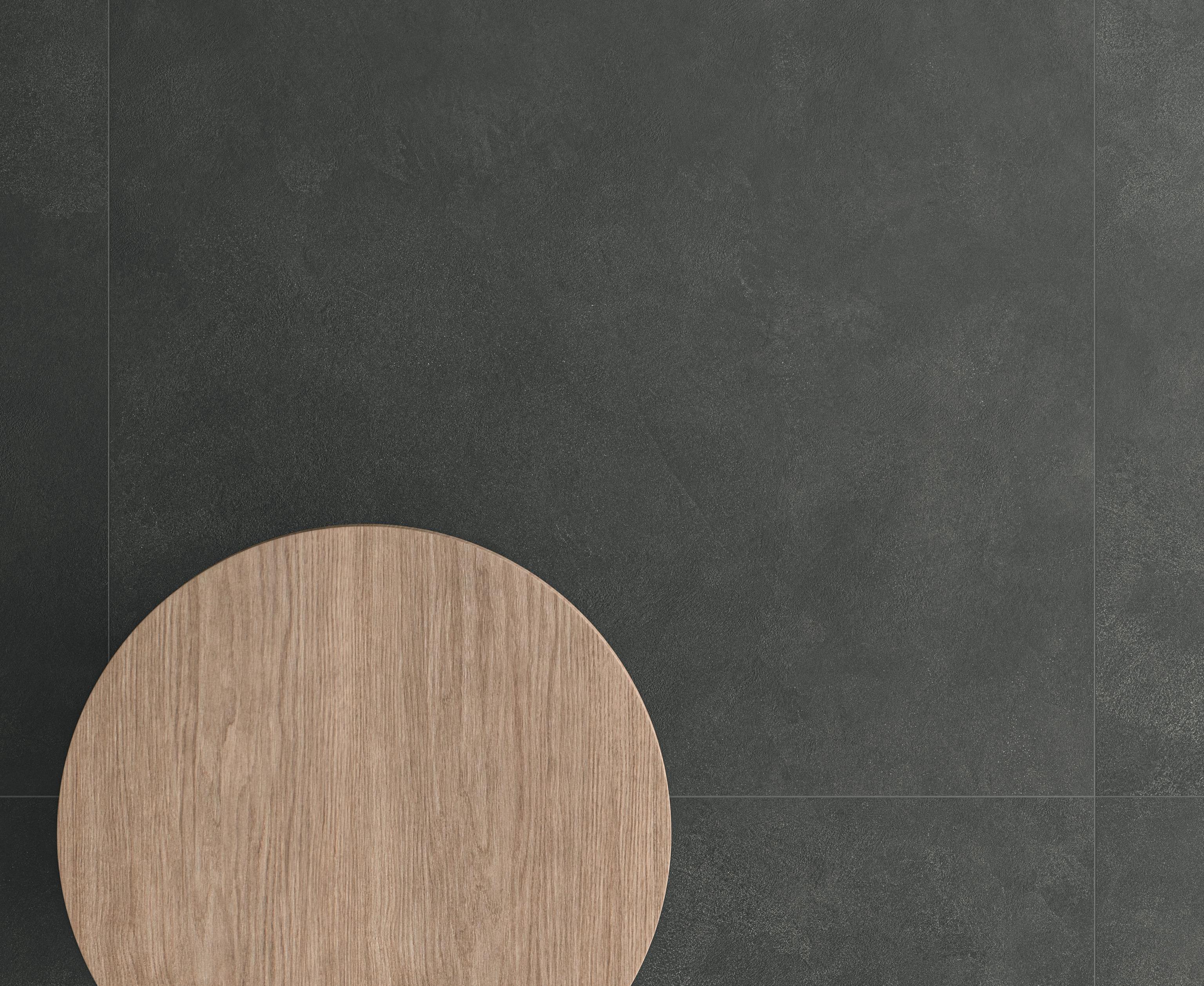
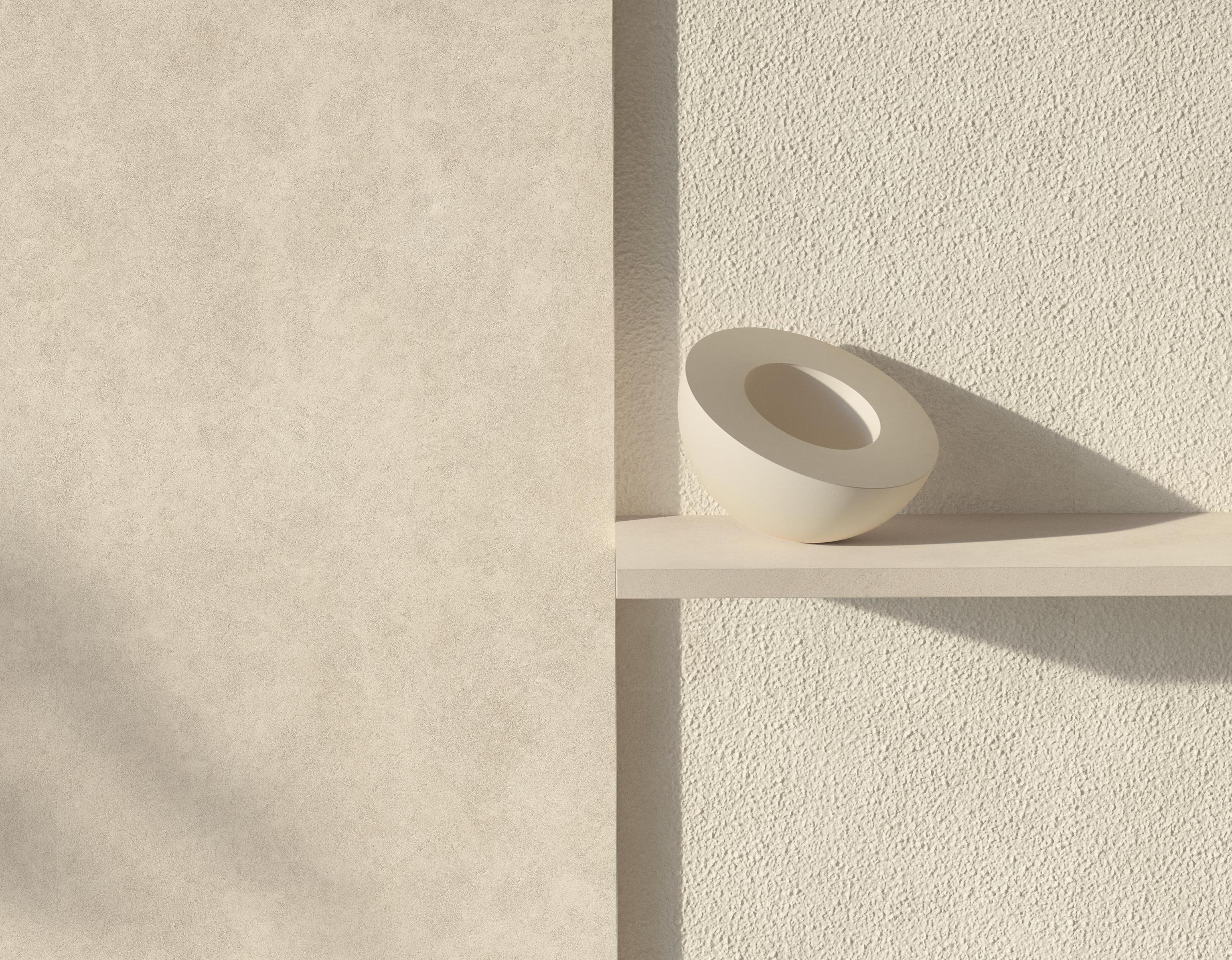
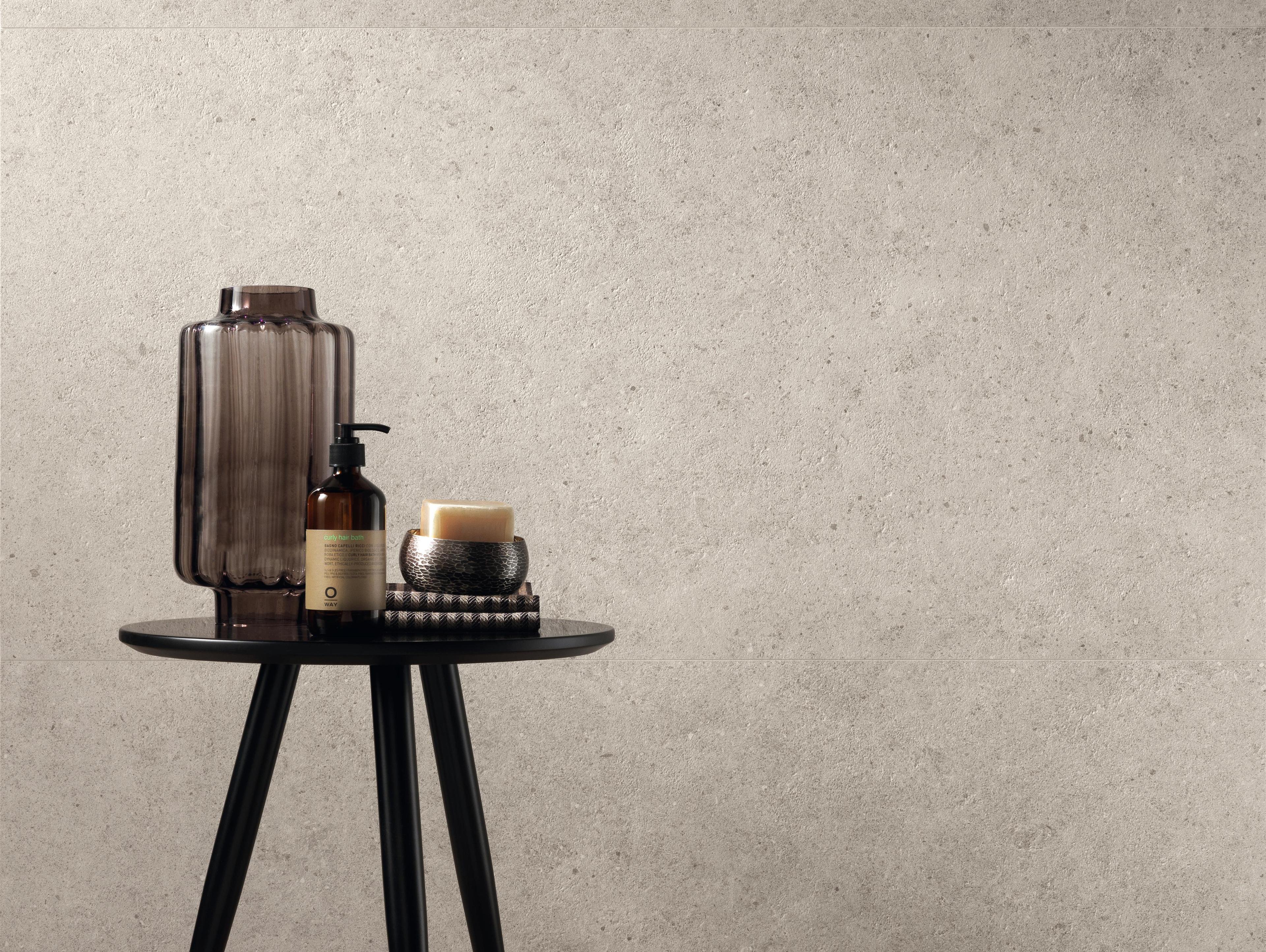
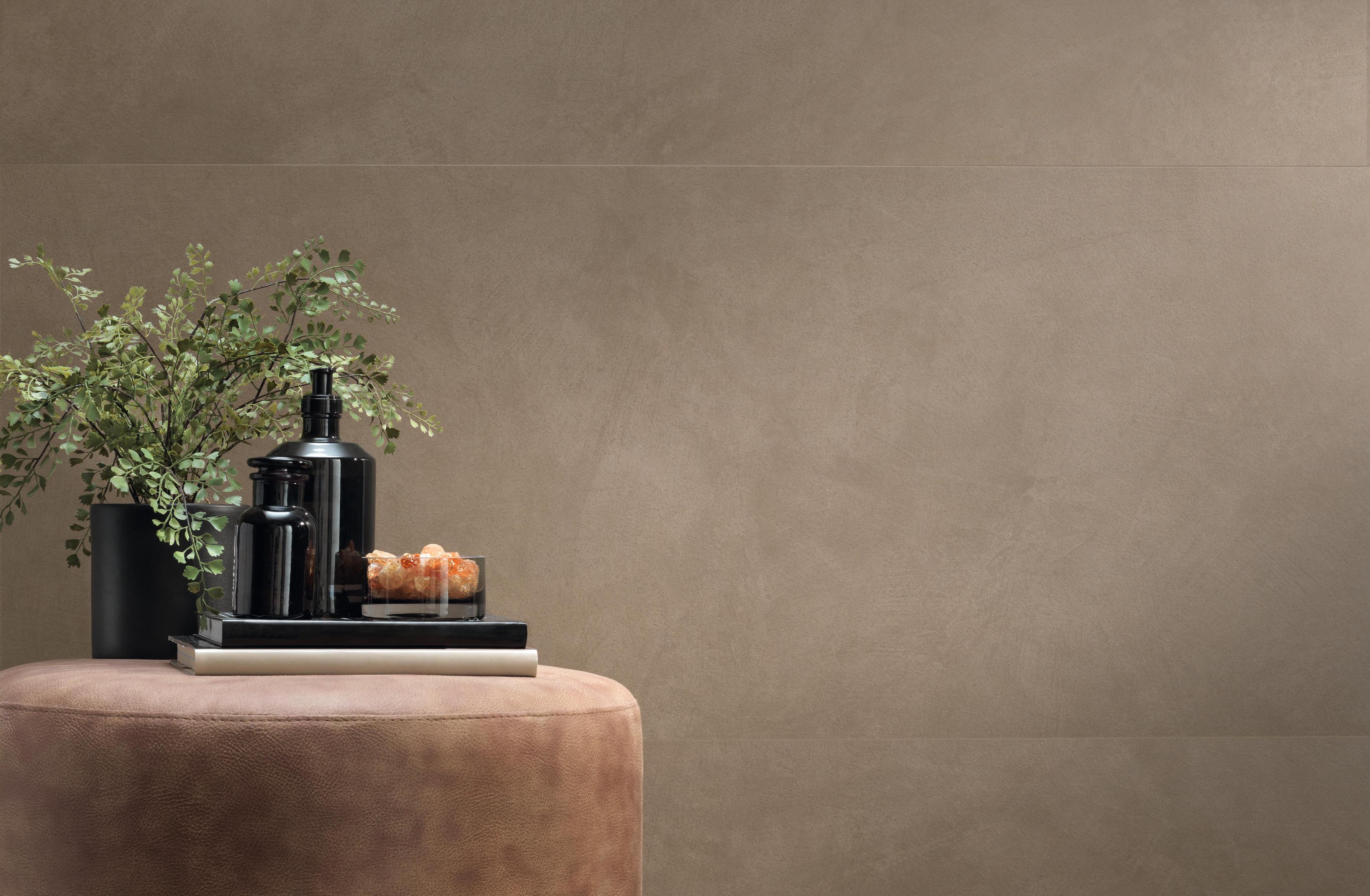
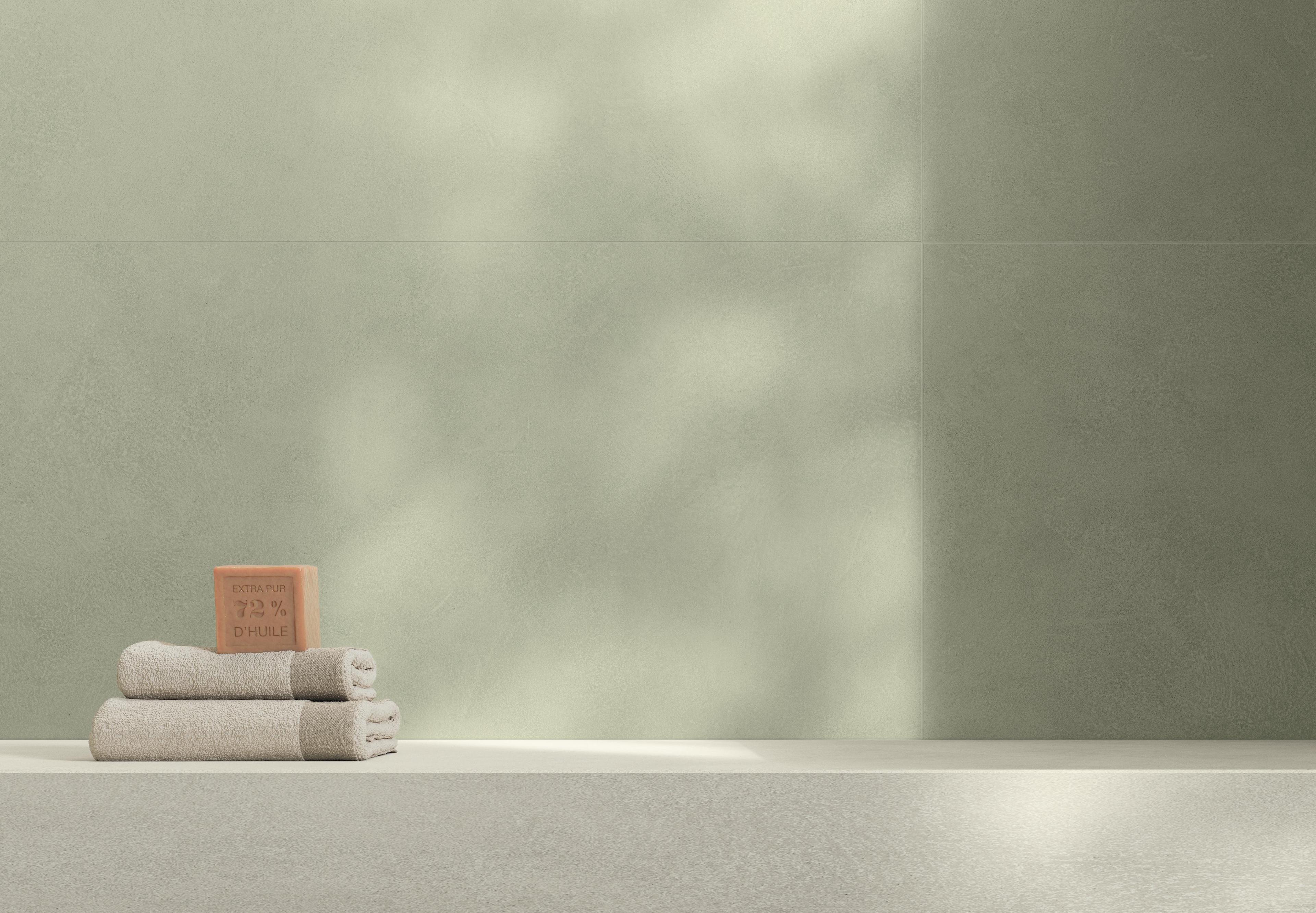
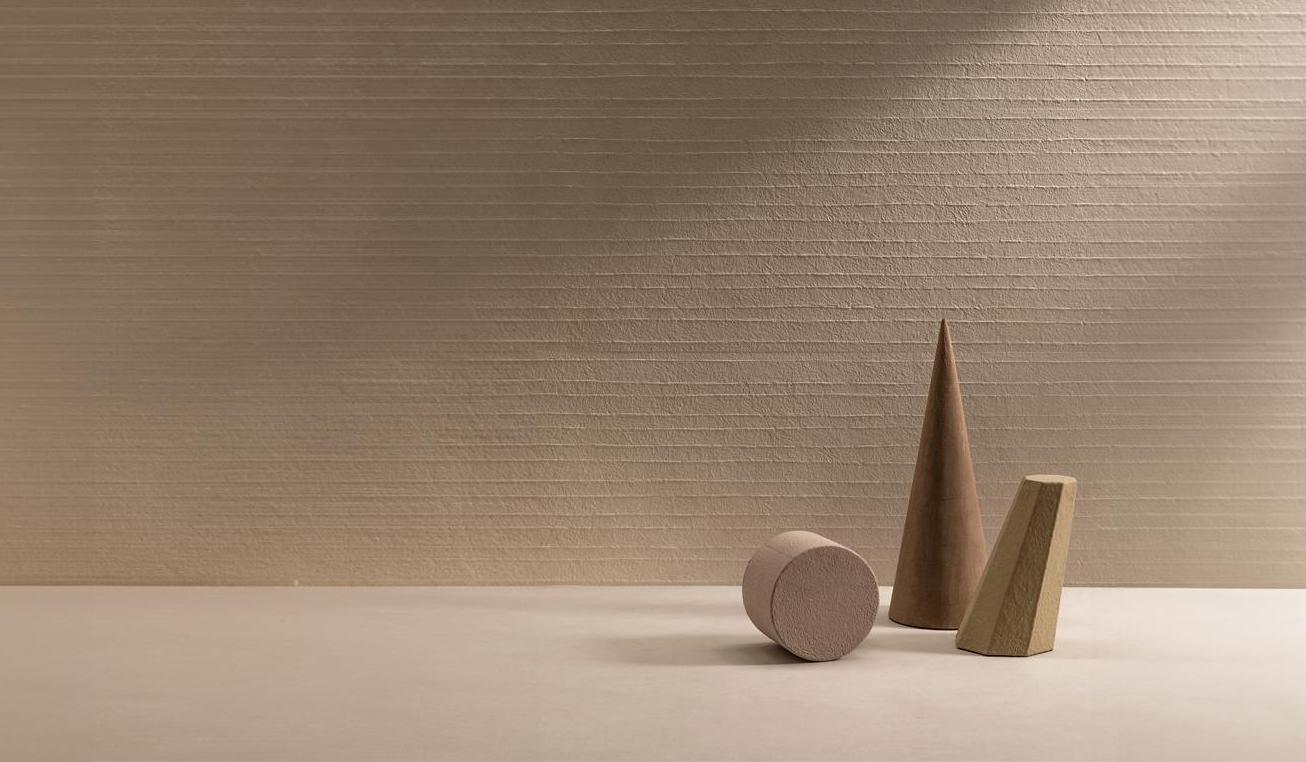
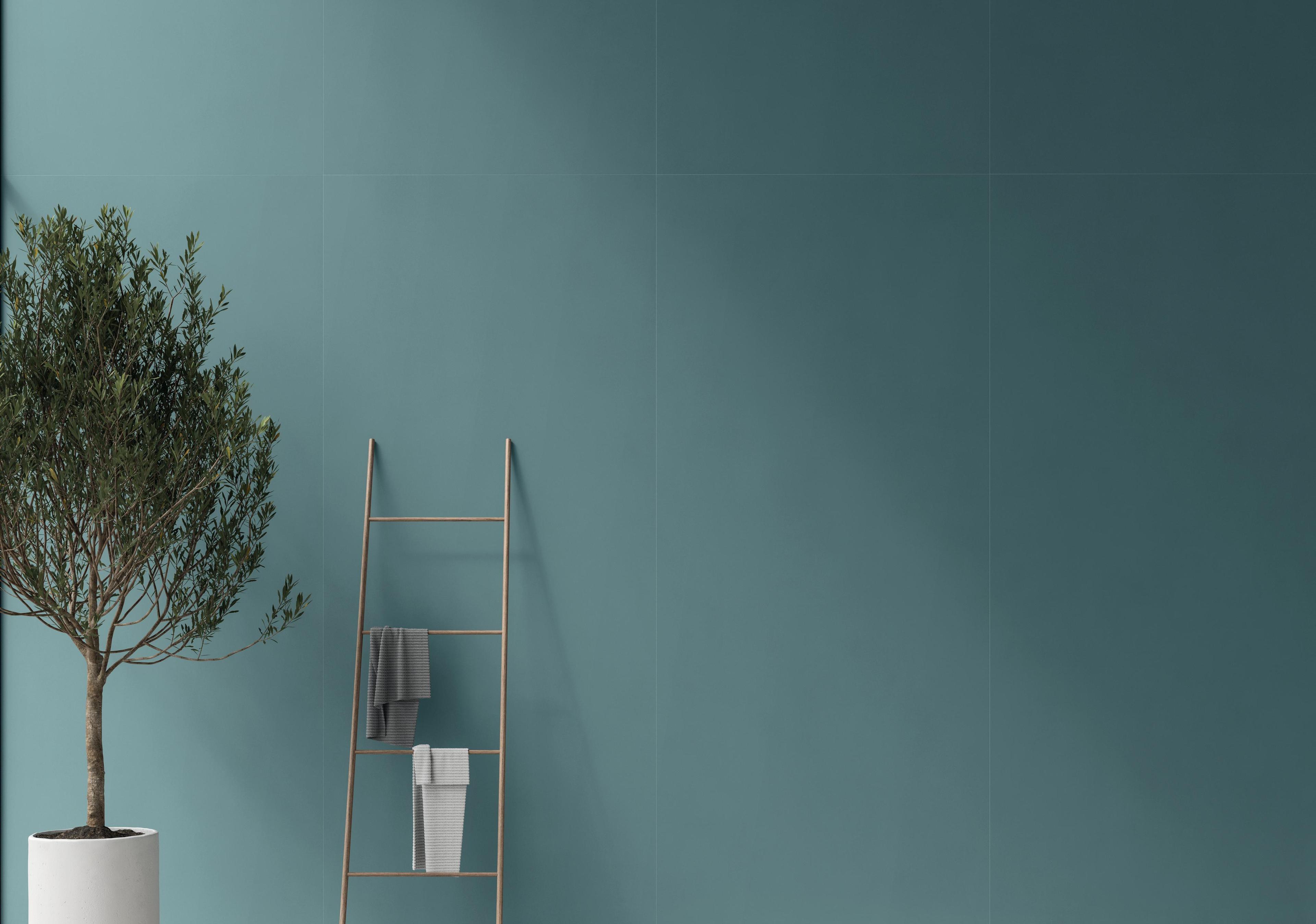
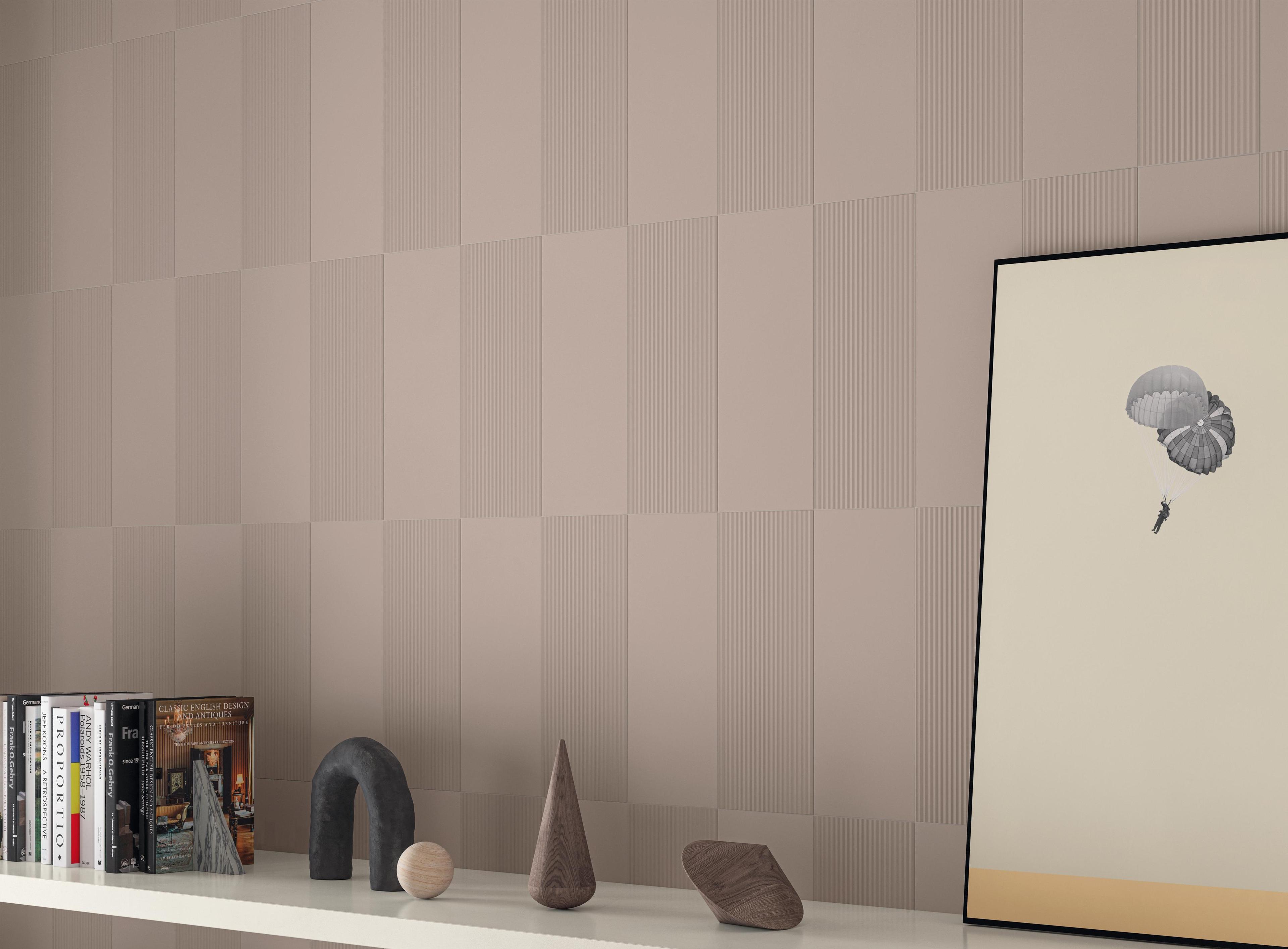
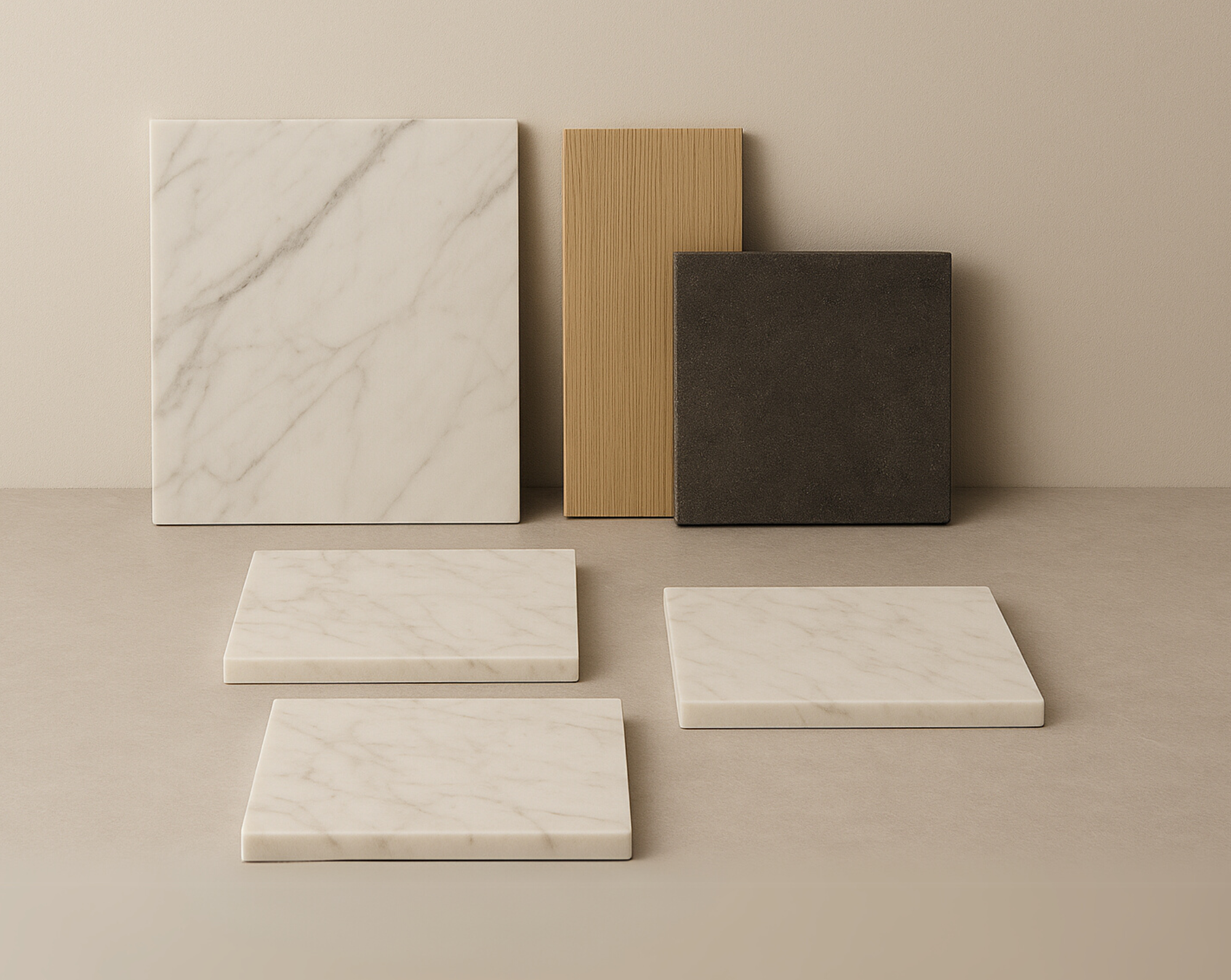
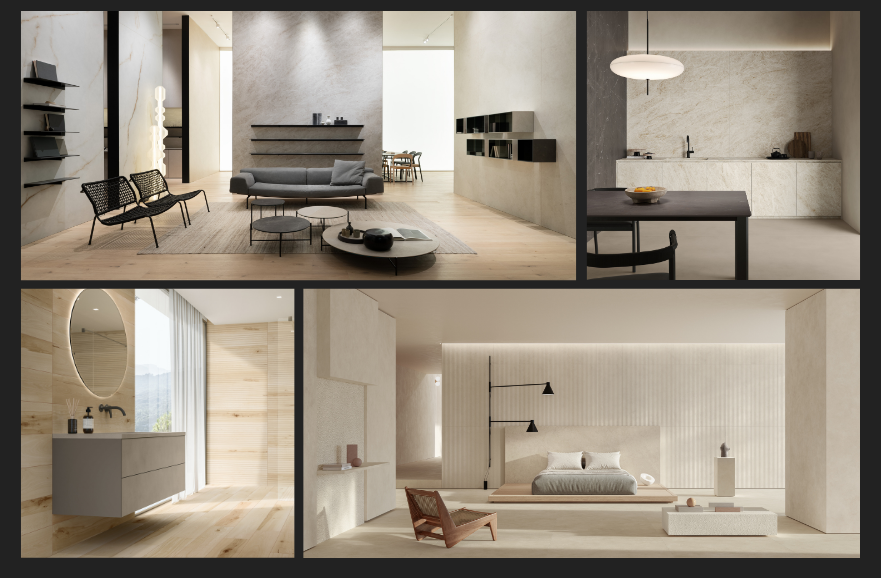
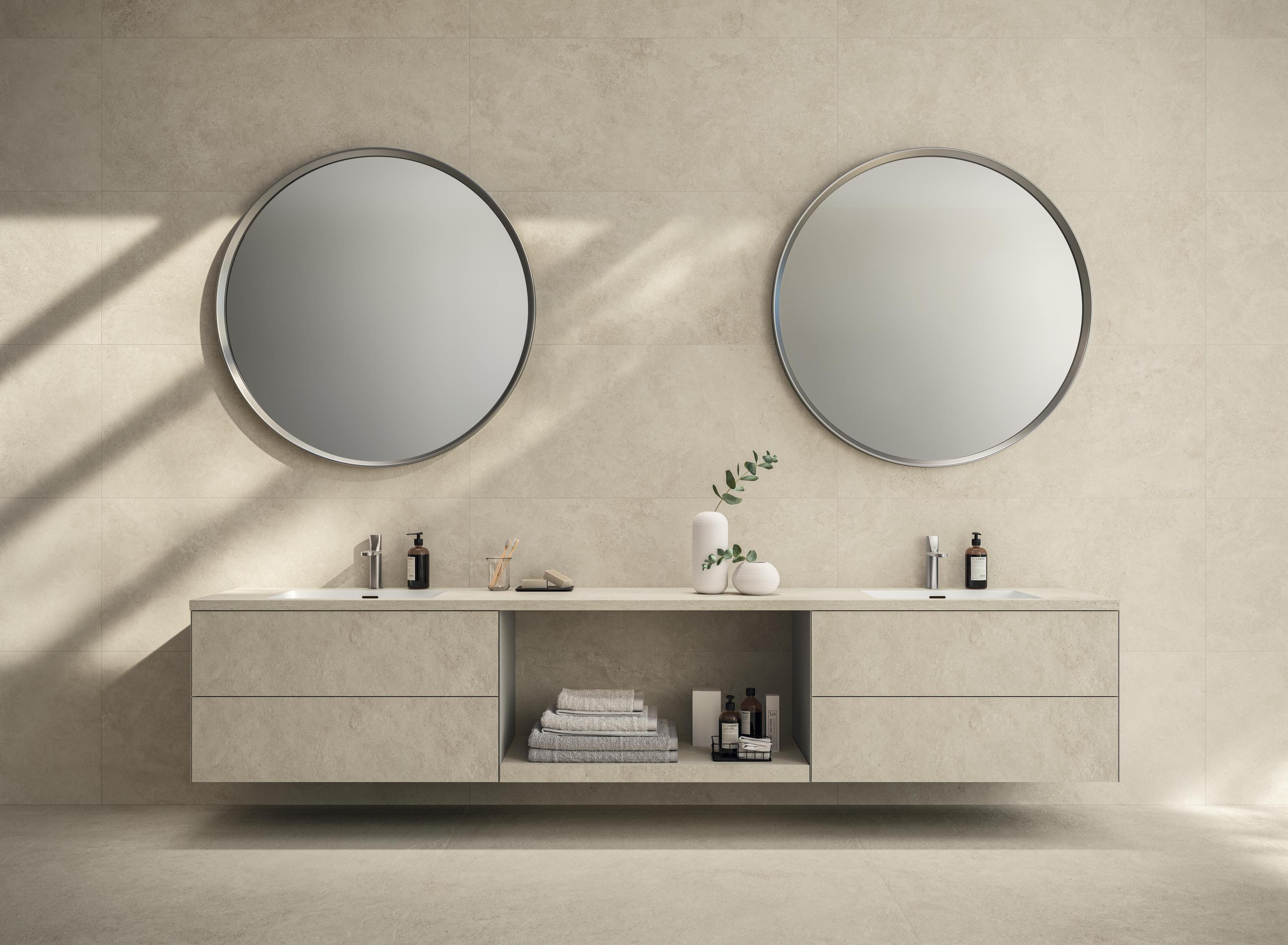
What is the added value of the Nyra collection by Atlas Concorde in the hotel industry? The Nyra porcelain stoneware collection, created by Studio Apostoli for Atlas Concorde, has been designed specifically for wellness hotel architecture projects and embodies all the characteristics of a material suitable for wellness architecture, from the texture of the covering with its sensory impact to the collection's subtle, understated colour palette. "Nyra is a very beautiful tactile product, it has a link to nature, but it is not a reproduction of nature. We have combined different natural surfaces: stone, cork, which is actually wood, and natural fibres from a fabric." [Alberto Apostoli] "It is not a replica of a product that exists in nature." [Alberto Apostoli] "The colours chosen are exactly in line with what we said, so they are not garish." [Alberto Apostoli] "It is a texture that, due to its size, can also be enjoyed up close, a material that can be seen from a distance but is not lost when viewed up close." [Alberto Apostoli]
From your point of view, what is unique about the Nyra collection by Atlas Concorde? The Nyra porcelain stoneware collection has a unique richness: the natural elements of its essence connect it to nature, but at the same time it is also an expression of human creativity. "Nyra has an artificially natural finish... a surface that represents a form of nature, but one that has been designed." [Alberto Apostoli] The uniqueness of the Nyra collection can be traced back to the effect it has on people: it neither surprises nor shocks, but produces a relaxing and therapeutic effect. "If you've had a stressful day and you come home to a house covered in Nyra, you'll probably relax more." [Alberto Apostoli]
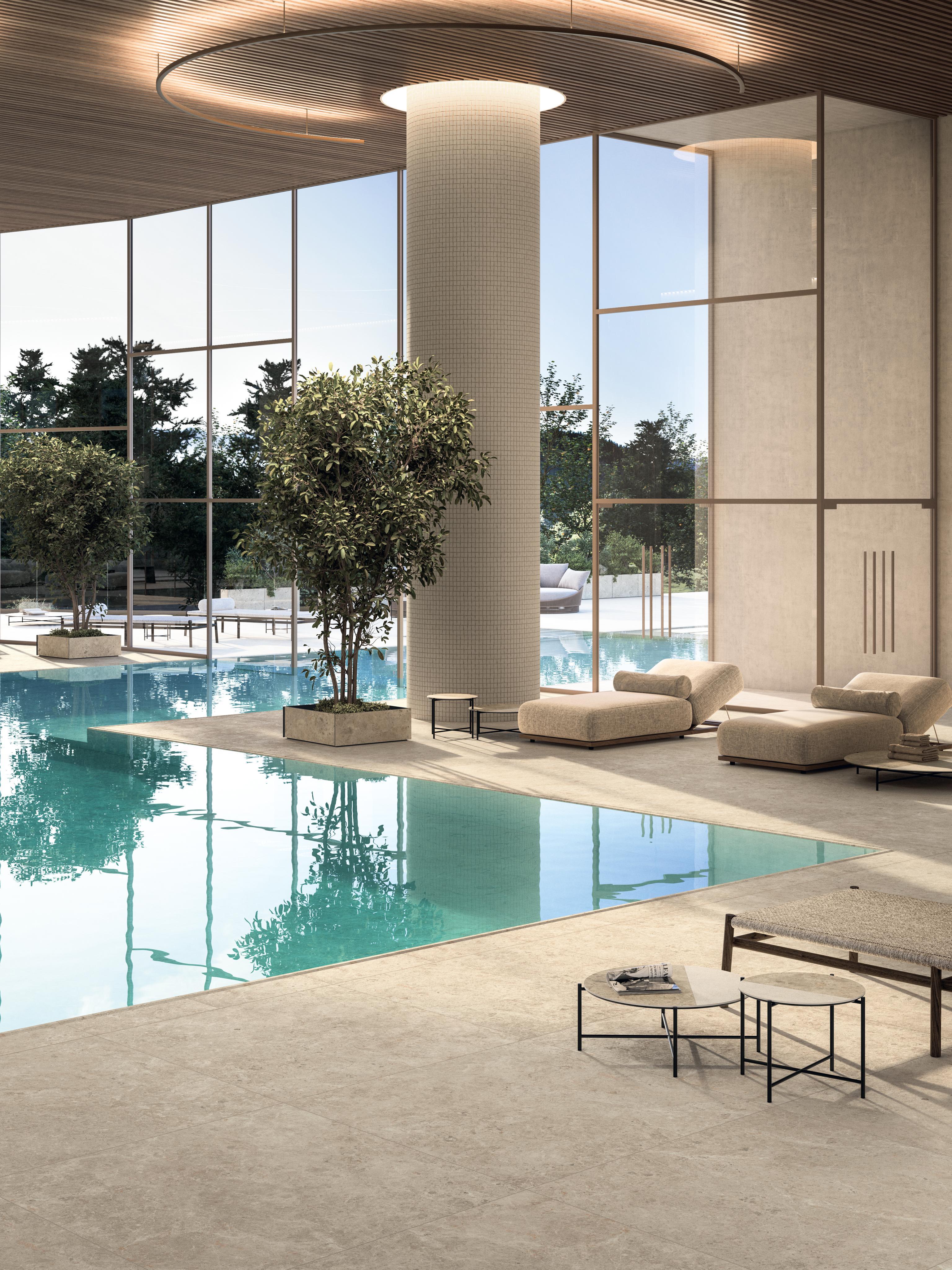
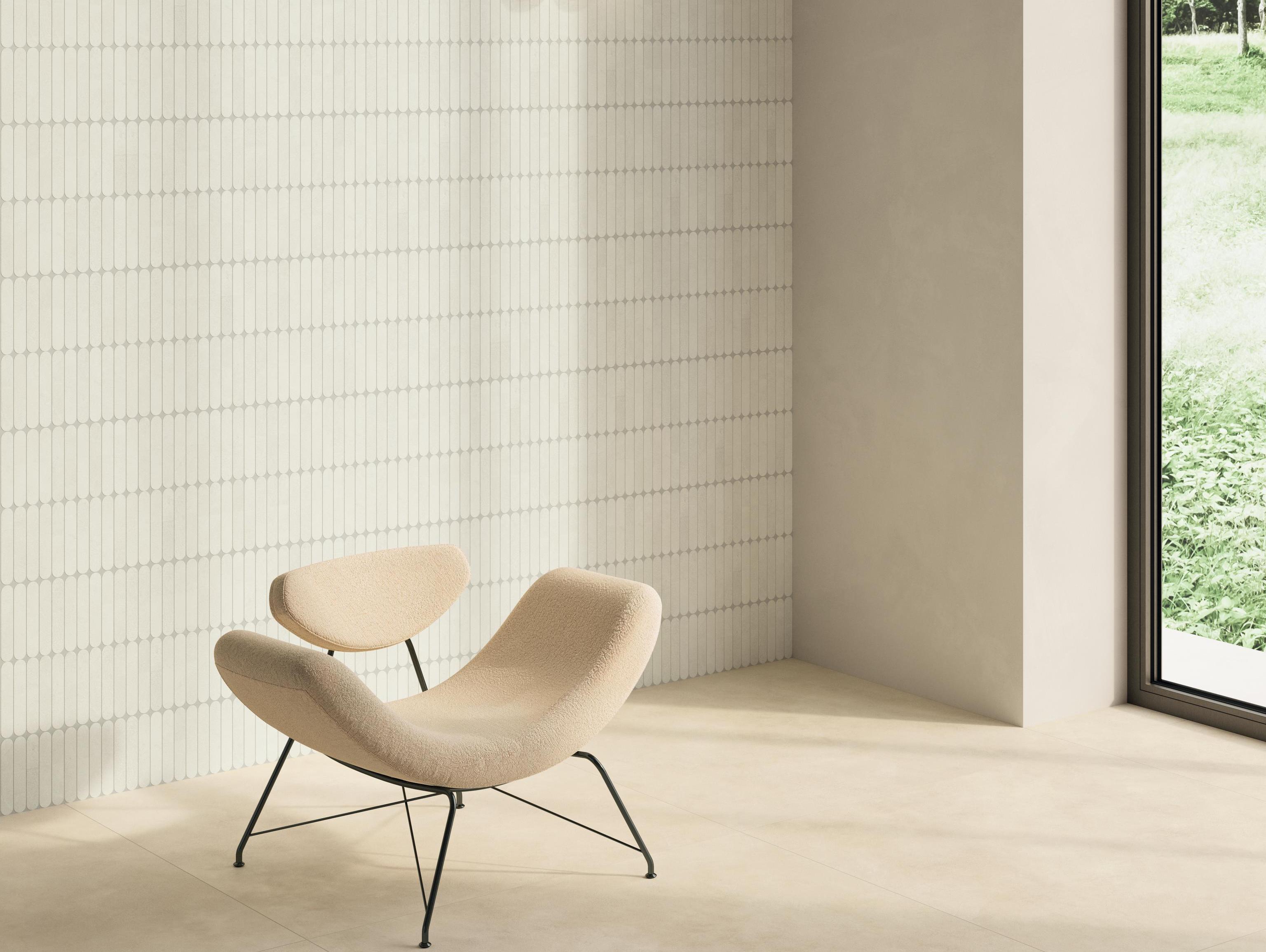
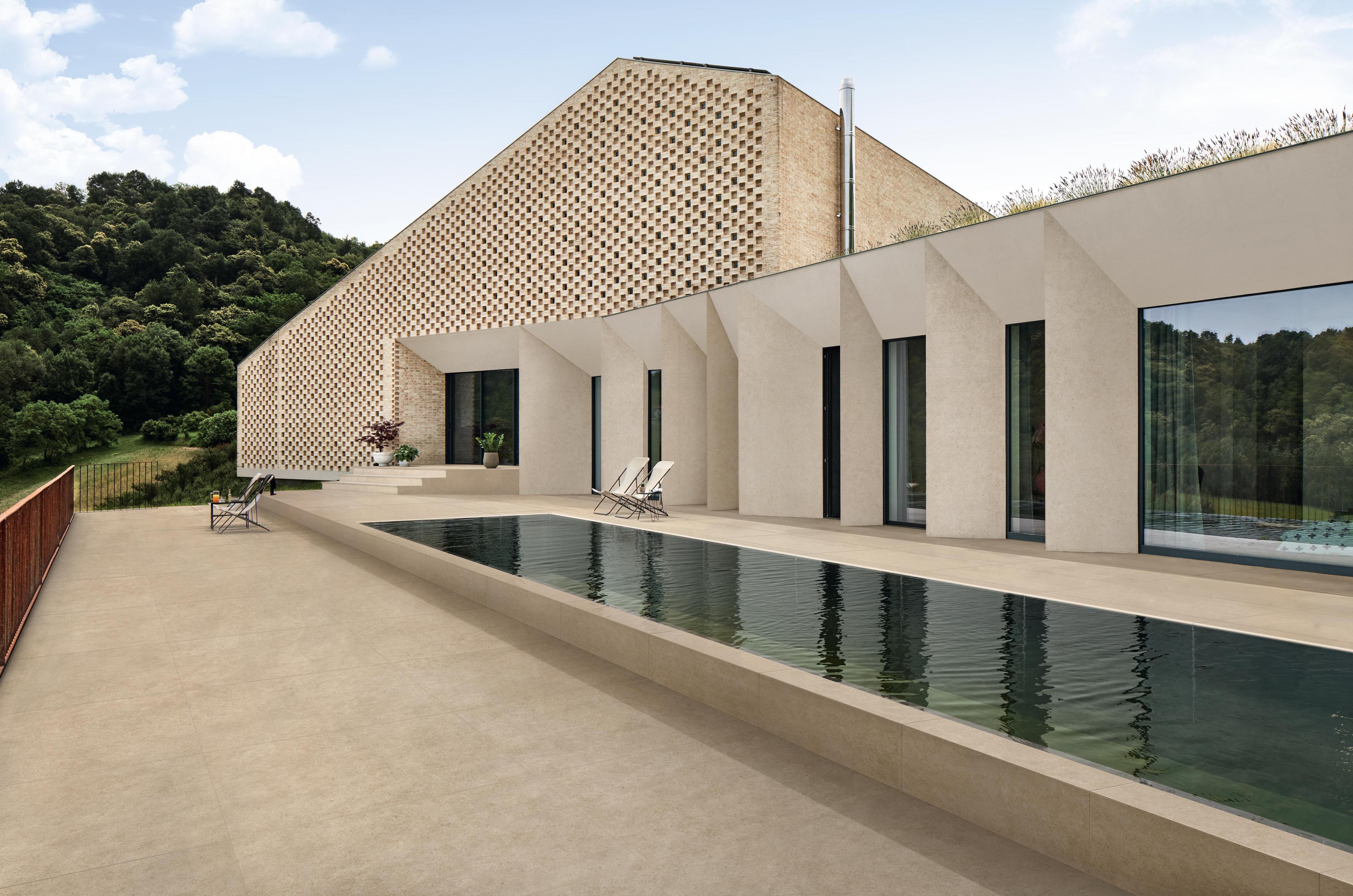
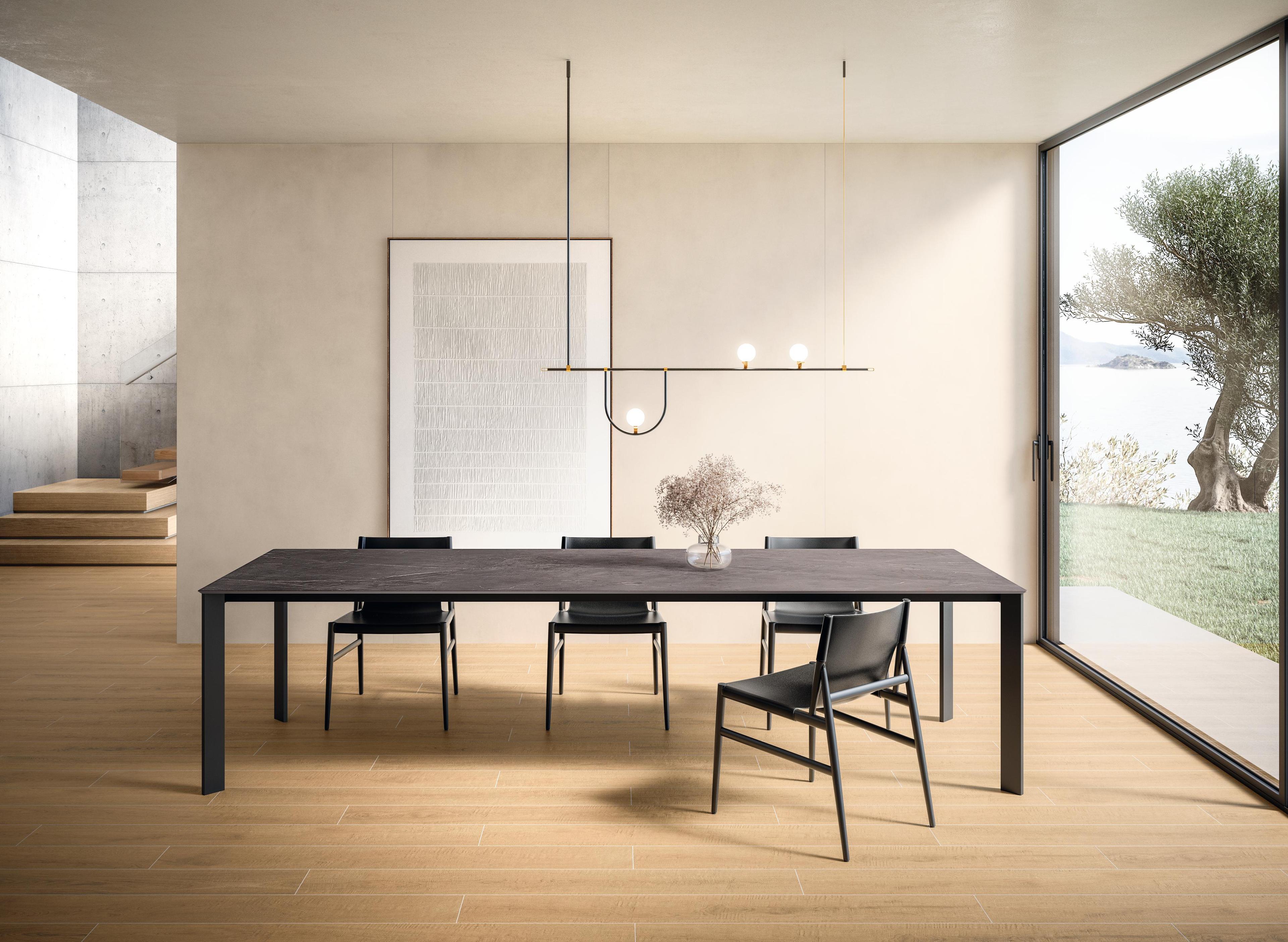
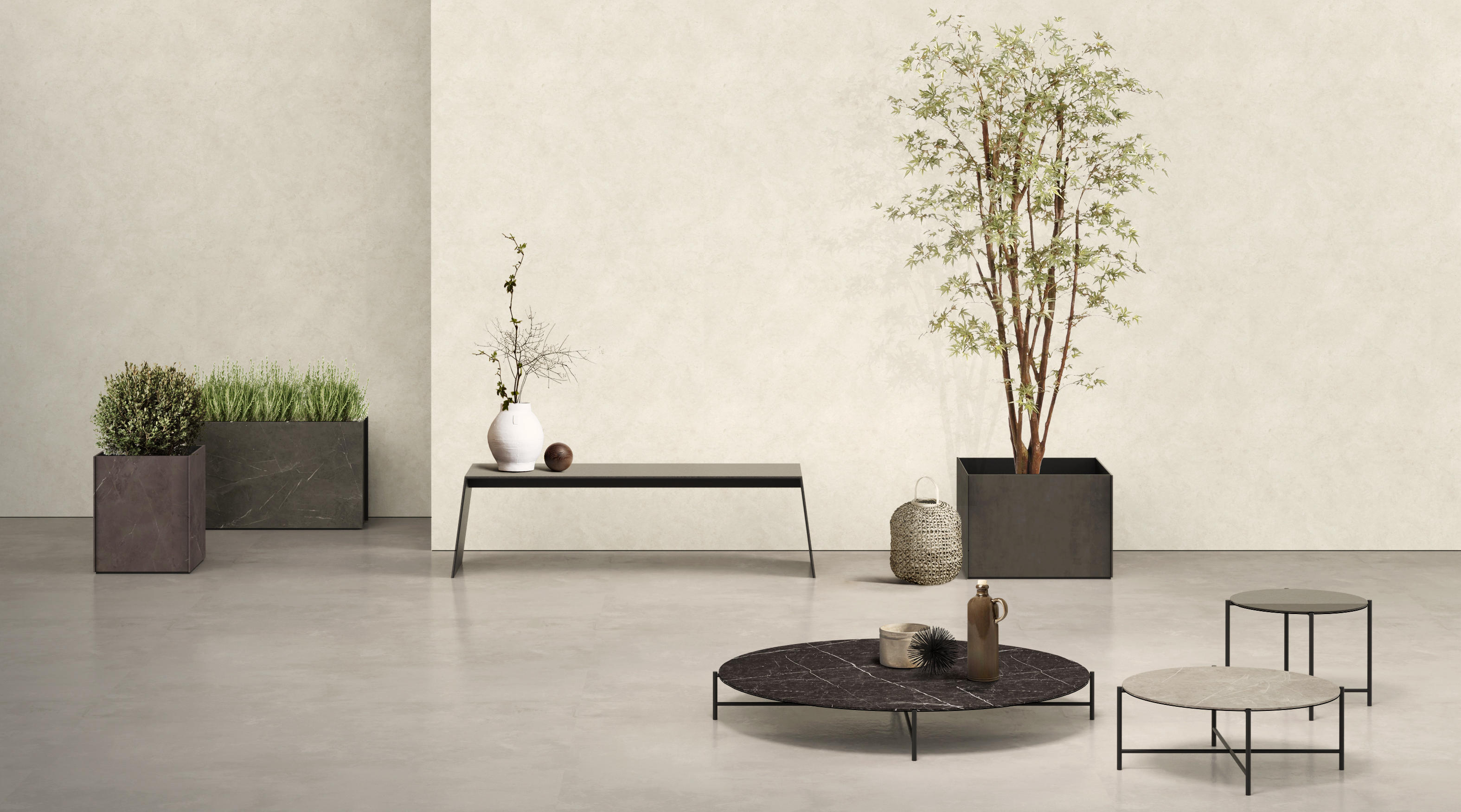
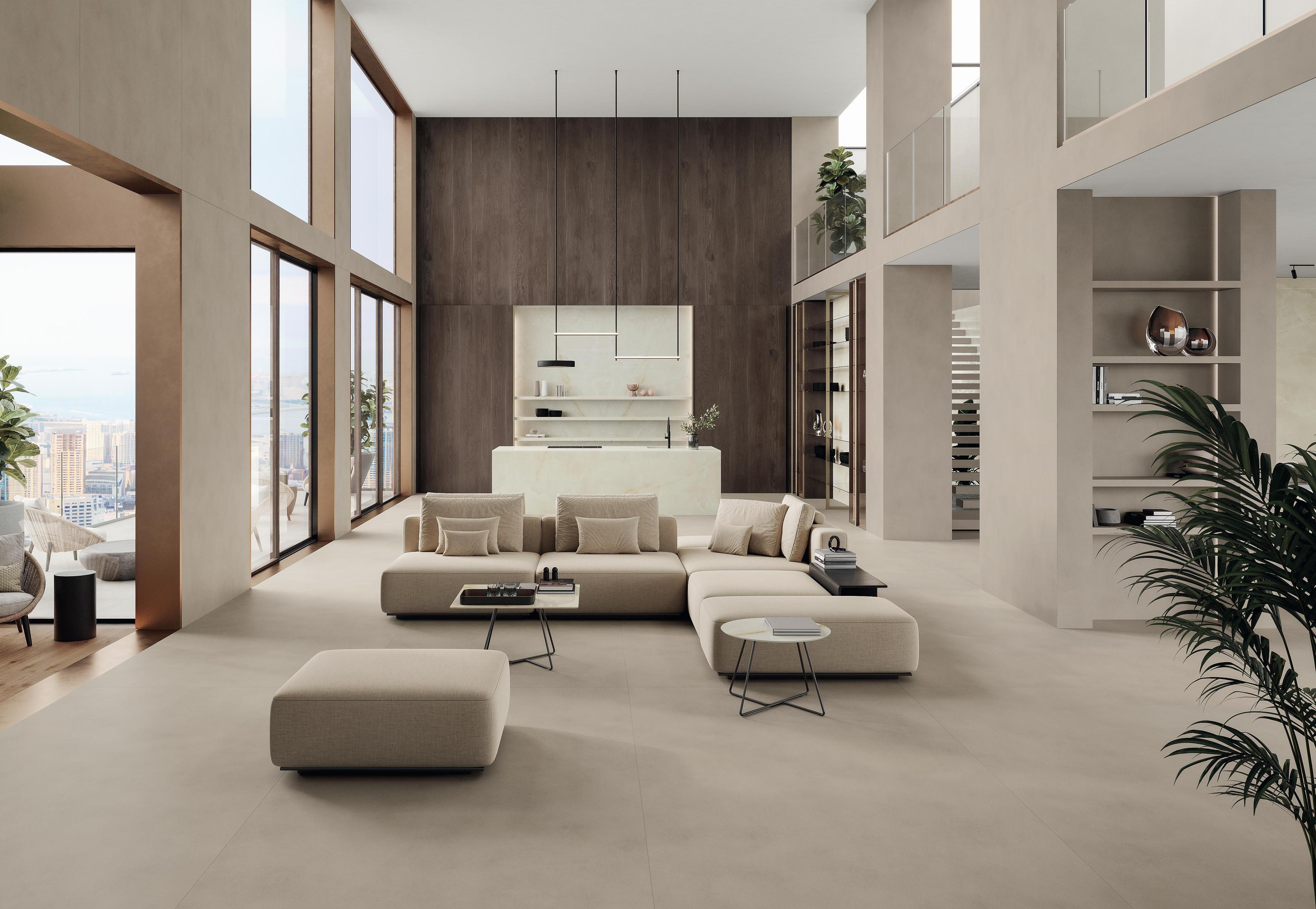
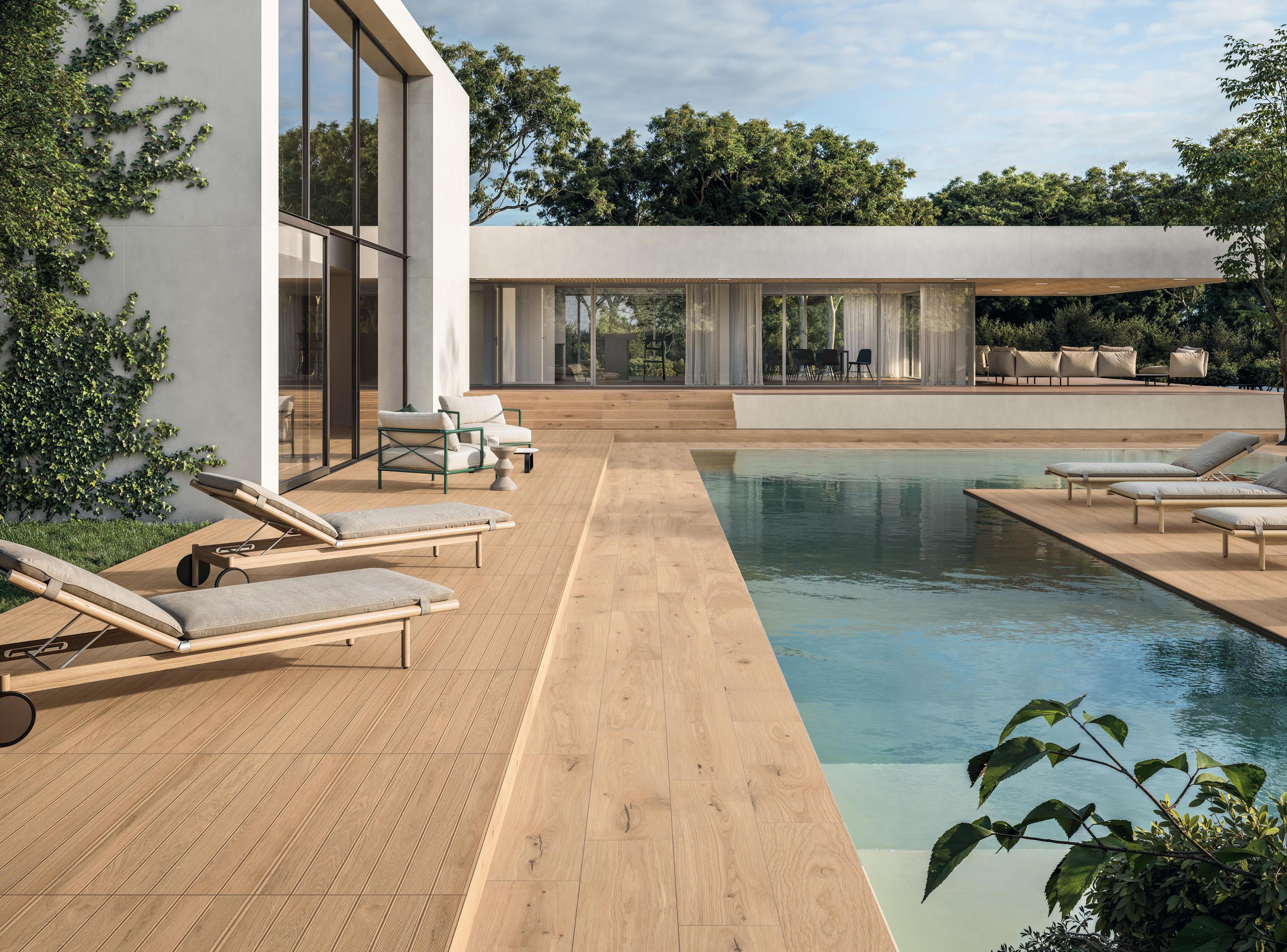
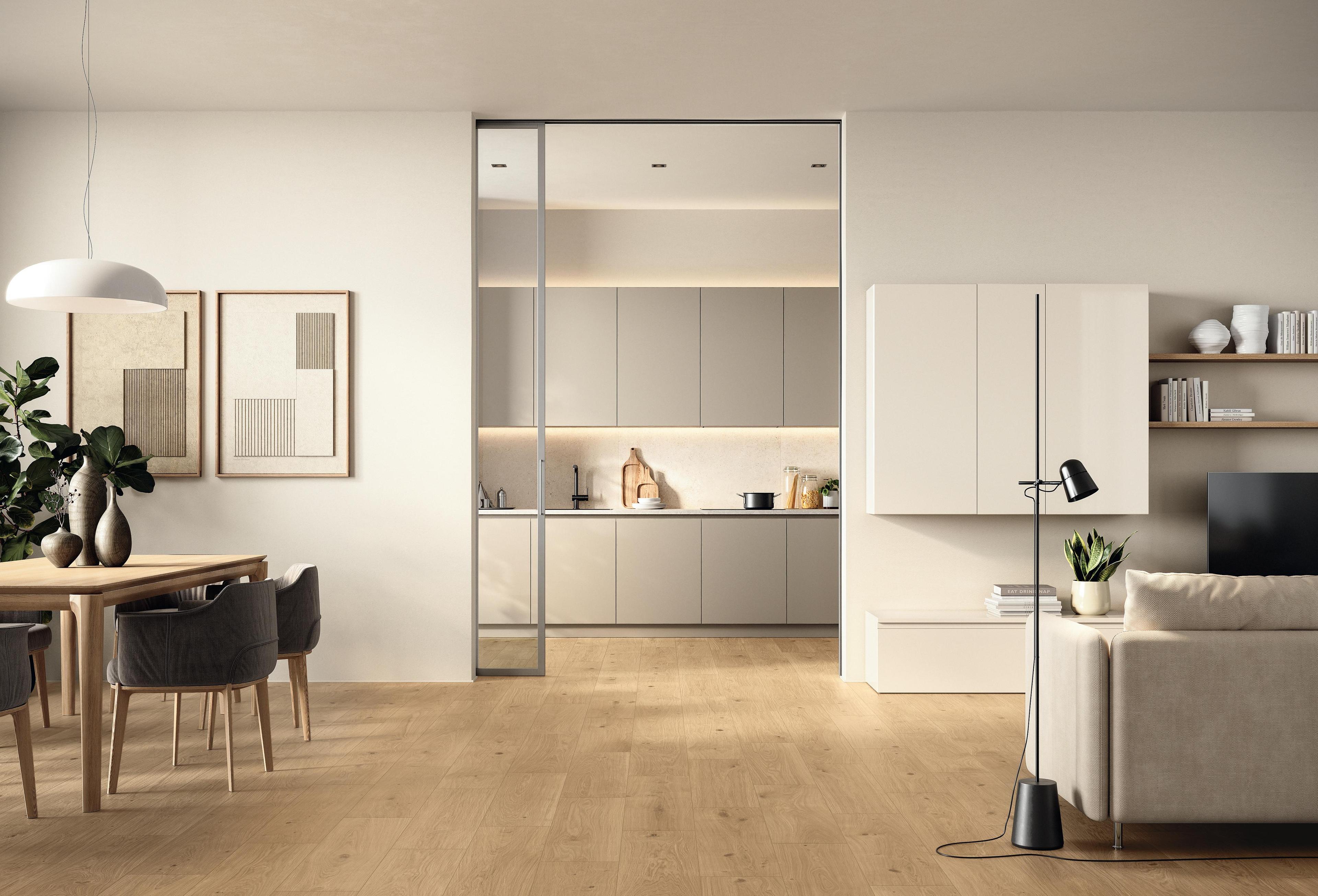
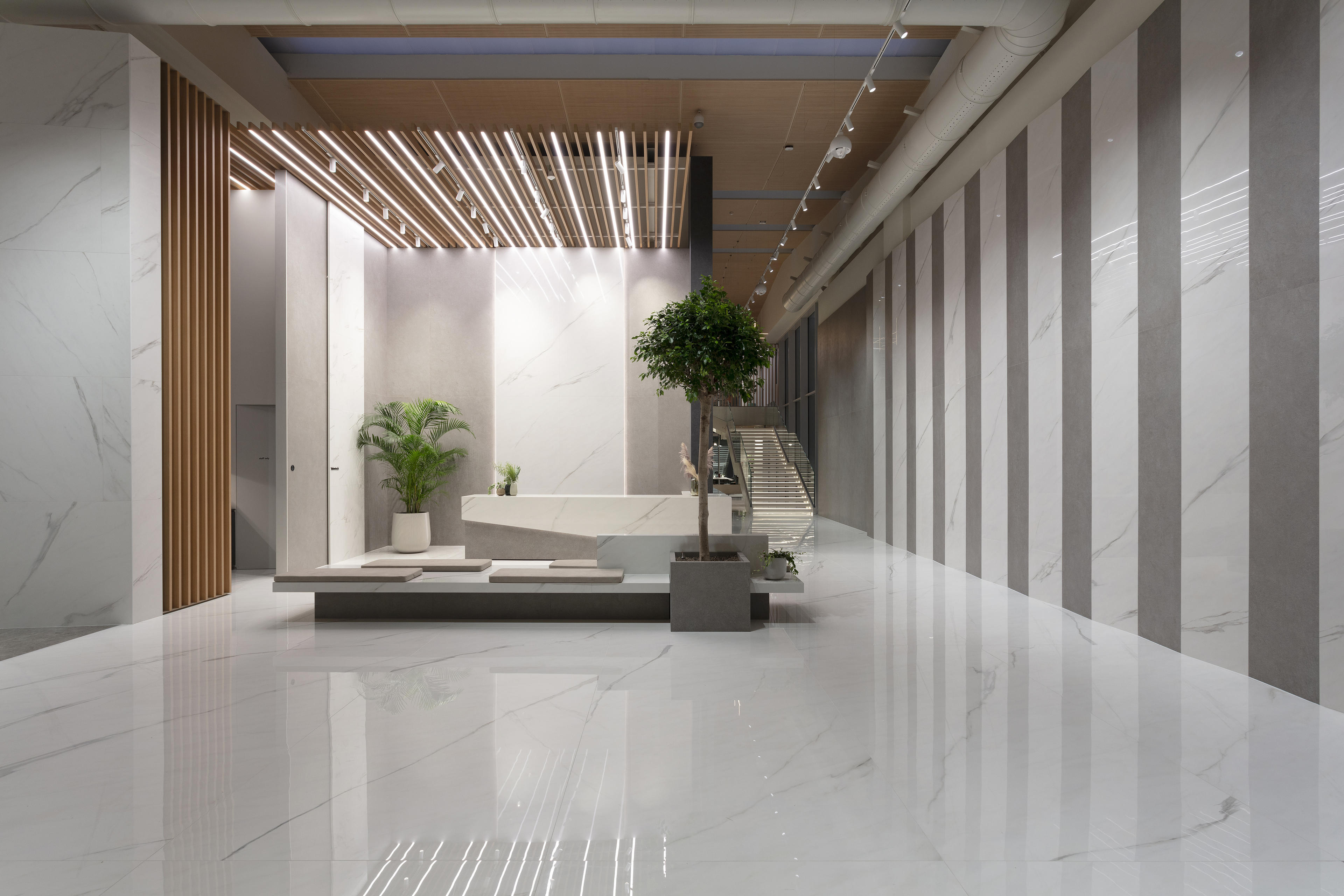
Why is indoor-outdoor continuity important in the wellness architecture of a hotel? How does Nyra porcelain stoneware play a role in this regard? Designing a continuous, homogeneous environment stems from the need to ensure a sense of well-being when moving around indoor and outdoor spaces, which, for this reason, need to speak a similar creative language, even if different, for example by giving continuity to flooring and wall coverings. "Flooring and wall coverings give coherence to the space. The idea that you are in a space where the surfaces are fairly homogeneous conceals the room effect that we perceive as a limitation." [Alberto Apostoli]